
Emergencies, whether stemming from unforeseen natural phenomena or unexpected technical malfunctions, have a way of striking precisely when we’re least prepared. While we can’t control the occurrence of such events, we possess the power to mitigate their impact through diligent preparation. Proactive measures can ensure you navigate these challenging times with greater safety and minimal disruption. This comprehensive guide outlines a series of practical do-it-yourself (DIY) strategies and essential preparations you can implement at home, transforming your living space into a bastion of readiness for any emergency scenario.
Mastering Emergency Preparedness: Your Ultimate DIY Guide for Home Safety
Developing a robust emergency preparedness plan for your home is not merely a suggestion; it’s a critical investment in the safety and well-being of your family. This detailed guide empowers you with actionable DIY insights, covering everything from power outages to natural disasters and the essential resources you’ll need to survive and thrive.
Navigating Extended Power Loss: Essential Preparations for Grid Outages
In our modern, interconnected world, electricity is more than a convenience; it’s the backbone of daily life. Even a brief power interruption can disrupt routines, but a prolonged outage can pose significant challenges. Being prepared for extended power outages is crucial. Here’s how you can make your home resilient:
1. Assemble a Comprehensive Emergency Survival Kit
Your survival kit is your first line of defense during a power loss. It should be easily accessible and regularly updated. Here’s a detailed breakdown of essential items:
- Water Supply: Crucial for hydration, sanitation, and cooking. Plan for at least one gallon of water per person and pet per day, aiming for a 3-day supply, but ideally a 2-week supply for prolonged events. Store water in sturdy, sealed containers in a cool, dark place.
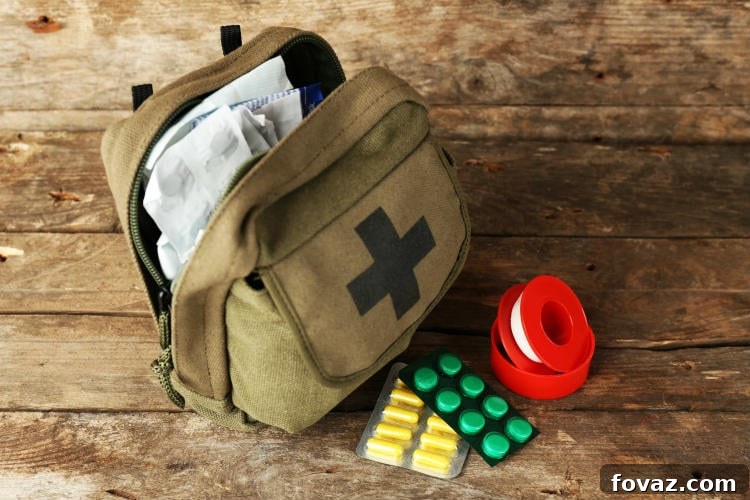
- First-Aid Kit: A well-stocked first-aid kit is indispensable. Include bandages, antiseptic wipes, pain relievers, prescription medications, allergy medication, gauze, medical tape, scissors, tweezers, and any personal medical necessities. Consider a first-aid manual for reference.
- Non-Perishable Food: Stock ready-to-eat items that require no cooking or minimal water, such as canned goods (fruits, vegetables, meats), energy bars, dried fruit, nuts, and cereals. Don’t forget a manual can opener. Include comfort foods to boost morale.
- Lighting Solutions: Flashlights (with extra batteries), headlamps, and battery-powered lanterns are safer alternatives to candles. Consider solar-powered lights or hand-crank options for sustainable illumination.
- Communication & Information: A battery-powered or hand-crank radio (preferably a NOAA weather radio) is vital for receiving emergency broadcasts. Whistles can be used to signal for help.
- Personal Hygiene Items: Include hand sanitizer, wet wipes, soap, toilet paper, feminine hygiene products, and garbage bags for waste disposal. Maintaining hygiene is critical for preventing illness.
- Warmth & Shelter: Blankets, sleeping bags, and warm clothing are essential, especially in colder climates. Consider thermal blankets or emergency sleeping bags for added insulation.
- Tools & Utilities: A multi-tool, duct tape, wrench (to turn off utilities), and basic repair items can be incredibly useful.
- Entertainment: Board games, books, puzzles, or card games can keep spirits high and occupy time without requiring electricity, especially for families with children.
- Cash: ATMs and electronic payment systems may be unavailable. Keep a supply of small bills for essential purchases.
2. Invest in Chemical Glow Sticks for Safe Illumination
Chemical glow sticks are an excellent, safe alternative to candles during power outages. They provide a decent amount of light without the fire risk, making them ideal for households with children or pets. They are also useful for marking pathways or providing ambient light in rooms.
3. Keep Emergency Contacts Readily Accessible
While cell phones are our primary communication tools, their batteries won’t last indefinitely during a prolonged outage. It’s crucial to jot down all important phone numbers (family, friends, doctors, emergency services) in a waterproof diary or on a sturdy card. Keep this list near your emergency kit. Furthermore, discuss emergency communication plans with your family in advance, including designated out-of-state contacts and meeting points.
Preparing for Natural Disasters: Beyond the Basics
Natural disasters can range from hurricanes and floods to earthquakes and wildfires. Each type presents unique challenges, making a versatile and well-stocked emergency kit paramount. Beyond the general survival kit, specific additions are needed for natural disaster readiness.
1. The Comprehensive Natural Disaster Emergency Kit
This kit builds upon your general survival kit with crucial additions designed for more severe events:
- Important Documents: Store copies of vital documents (birth certificates, passports, insurance policies, property deeds, medical records) in a waterproof, fireproof container or a digital backup (on a flash drive) in your kit.
- Extended Food & Water Supplies: Aim for a minimum of a one-week supply, ideally two weeks, of non-perishable food and water, considering potential disruptions to supply chains.
- Whistle & Basic Tool Kit: A whistle can help signal rescuers if you are trapped. A basic tool kit (hammer, screwdriver, wrench, pliers) can be invaluable for minor repairs or extrication.
- Pet Supplies: If you have pets, include their food, water, medications, leashes, carriers, and vaccination records.
- Local Maps: Physical maps are essential if GPS or digital mapping services are unavailable. Mark potential evacuation routes and safe zones.
- Cash Reserves: As mentioned, electronic systems may fail. Keep a sufficient amount of cash in small denominations.
- Self-Powered Radio: A NOAA weather radio with tone alert is critical for staying informed about changing disaster conditions and evacuation orders.
- Heavy-Duty Plastic Garbage Bags: These are multipurpose – for waste disposal, sanitation, collecting rainwater, or even as makeshift ponchos.
- Dust Masks: Protect against airborne debris and contaminants, especially after events like earthquakes or volcanic eruptions.
- Duct Tape & Rope: Extremely versatile for repairs, securing items, or signaling.
- Sanitation Supplies: Beyond basic hygiene, consider portable toilets or designated waste buckets with liners and disinfectants for prolonged outages of water/sewer systems.
2. Your Essential Car Safety Kit
A natural disaster can strike when you’re away from home. Keeping a similar, albeit more compact, emergency kit in your car is a smart move. This kit can be a lifeline for a quick getaway or serve as a backup if you cannot access your primary home kit. Essential items include:
- First-aid kit
- Water and non-perishable snacks
- Blankets or sleeping bags
- Jumper cables
- Flashlight and extra batteries
- Basic tools (wrench, screwdriver)
- Road flares or reflective triangle
- Phone charger/power bank
- Small shovel
- Local maps
- Cash
- Whistle
Alternative Resources: Sustaining Life During Emergencies
Beyond the initial shock, prolonged emergencies, whether from natural disasters or extended power loss, inevitably bring critical issues concerning food, water, and heating. Being self-reliant on alternative resources can make a profound difference in your comfort and survival.
1. Alternative Cooking & Heating Solutions
When your conventional kitchen appliances are rendered useless, alternative cooking methods become vital:
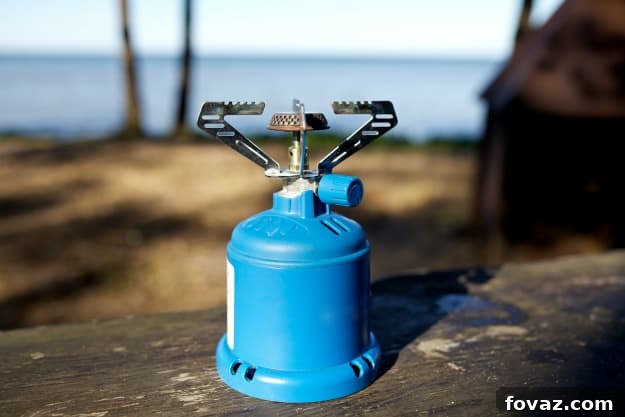
- Camping Stove or Gas Grill: These are invaluable. Ensure you have an ample supply of propane canisters or the appropriate fuel. Always use gas-powered appliances outdoors to prevent carbon monoxide buildup.
- DIY Rocket Stove or Fire Pit: For a more sustainable and fuel-efficient option, consider learning how to build a rocket stove. These can be made from simple materials and provide efficient heat for cooking and warmth. A safe, designated outdoor fire pit can also serve this dual purpose. Remember fire safety rules.
- Solar Ovens: For warmer, sunny climates, a solar oven can be an excellent, fuel-free cooking option.
2. Smart Food Storage and Management
Your emergency food supply needs careful planning:
- Shelf-Stable Staples: Prioritize canned goods (beans, vegetables, fruits, meats), dried pasta, rice, oats, lentils, peanut butter, and crackers. Rotate your stock regularly to ensure freshness.
- First In, First Out (FIFO): In an emergency, consume perishable foods (from your refrigerator and freezer) first, before they spoil.
- Special Dietary Needs: Account for any dietary restrictions, allergies, or infant formula requirements within your family.
3. Securing Drinkable Water Resources
Water is life. Knowing how to find and purify alternative sources is paramount:
- Stored Water: Your primary source should be commercially bottled water or properly stored tap water.
- Melted Snow: In winter emergencies, collect and melt clean snow. Always purify it by boiling vigorously for at least one minute or using a reliable water purifier/filter.
- Rainwater Collection: Develop a system to collect rainwater in clean containers. Again, purify before drinking.
- Hot Water Heater Tank: Your home’s hot water heater can hold several gallons of potable water. Turn off the power/gas to the heater and allow it to cool before carefully draining the water from the spigot at the bottom.
- Canned Food Liquids: The liquid from canned vegetables and fruits can be safely consumed.
- Water Purification: Invest in a high-quality water filter (e.g., gravity filter, pump filter) or water purification tablets. Understand how to safely boil water to kill pathogens.
4. Invest in a Reliable Emergency Generator
For more robust power backup, investing in a small emergency portable generator is highly recommended. It can power essential appliances like a refrigerator, some lights, and medical equipment. For heating during an emergency, a generator can run a space heater or provide power for your furnace fan. Remember crucial safety protocols: always operate generators outdoors in a well-ventilated area, away from windows and doors, to prevent carbon monoxide poisoning. Store fuel safely and have enough on hand.
When disaster strikes, the ability to adapt and utilize available resources effectively can be life-saving. These DIY survival hacks and preparedness strategies are not just about collecting items; they are about cultivating a mindset of resilience and self-reliance, putting you in a strong position when it comes to comprehensive emergency preparedness.
Up Next: 10 Cute Recycle Soda Cans To DIY and Sell | DIY Projects
Which of these DIY emergency preparedness ideas will you implement first? Share your thoughts and any additional tips in the comment section below!