
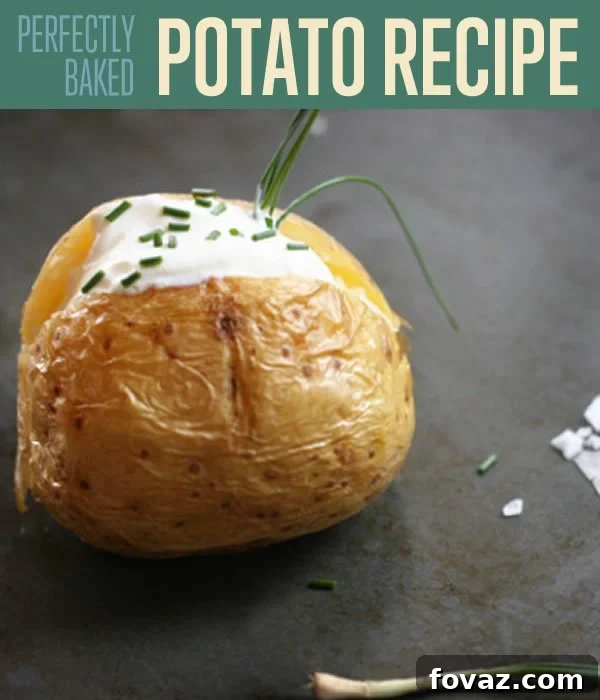
Mastering the Art of the Perfect Baked Potato: Crispy Skin, Fluffy Interior
I confess, like many, my early experiences with “baked potatoes” often involved the microwave. And we all know the disappointing result, don’t we? A sadly soggy skin, sometimes a cold, uninviting center. Perhaps it was the prevalence of foil-wrapped potatoes in restaurants, which essentially steam the potato rather than bake it, that set a low bar for what a truly perfect baked potato should be. But let me tell you, a properly baked potato is a revelation: a symphony of crispy, savory skin yielding to an impossibly light, fluffy, and steaming hot interior.
Achieving this culinary masterpiece might seem like an art form reserved for professional chefs, but it’s entirely within your reach. With a few simple tricks and a clear understanding of the process, you can transform a humble potato into a show-stopping side dish or even a hearty main course. Forget those microwave mishaps or foil-steamed disappointments; it’s time to discover the ultimate oven-baked potato experience.
Why the Perfect Baked Potato Matters
Beyond its incredible taste and texture, the perfect baked potato offers remarkable versatility. It’s a comfort food staple, a fantastic base for endless toppings, and a surprisingly healthy option when prepared thoughtfully. Whether you’re serving a weeknight family dinner or hosting a backyard BBQ, a well-executed baked potato elevates any meal. It’s simple, satisfying, and universally loved – making it a skill every home cook should master.
Choose the Right Kind of Potato
The foundation of a perfect baked potato begins with selecting the ideal spud. Not all potatoes are created equal when it comes to baking:
- Starchy Powerhouses: Russet and Idaho Potatoes. These are the undisputed champions for baking. Their high starch content and relatively low moisture mean they’ll develop an incredibly fluffy, light interior when cooked, while their thicker skin crisps up beautifully. In some regions, potatoes like the Maris Piper in the UK are also excellent choices for their similar characteristics. When shopping, look for labels that specifically mention “baking potatoes” or “Russets.”
- Uniformity is Key: Choose Potatoes of Similar Sizes. This seemingly small detail makes a huge difference in achieving evenly cooked potatoes. If you bake potatoes of varying sizes, the smaller ones will be overcooked and potentially dry by the time the larger ones are ready. Selecting potatoes that are roughly the same size ensures they cook simultaneously, preventing undercooked centers or burnt skins. This also means you won’t be tempted to wrap already-cooked potatoes in foil to keep them warm – a cardinal sin that leads to soggy skin!
- Avoid Waxy Varieties: Potatoes like Yukon Golds or Red Bliss, while delicious for mashing or boiling, have a lower starch and higher moisture content. This results in a denser, creamier texture that doesn’t achieve the desired fluffy interior and crispy skin of a true baked potato.
The Secret to Crispy Skin and a Fluffy Interior
The magic of a truly great baked potato lies in its contrasting textures: that satisfying crunch of a perfectly seasoned skin giving way to a cloud-like interior. This isn’t achieved by accident; it’s the result of strategic preparation and careful cooking.
- The “No Foil” Rule: Let It Breathe! This is perhaps the most critical tip. Wrapping potatoes in foil creates a steaming environment, trapping moisture and ensuring a soft, unappealing skin. For that coveted crispy exterior, the potato skin needs direct exposure to the dry heat of the oven. This allows the moisture to evaporate from the skin, leaving it delightfully crisp. So, put that foil away for another dish!
- Oil and Salt: Your Crispy Skin Allies. Brushing the potato skin with a thin layer of olive oil, melted butter, or ghee before baking is essential. This fat acts as a conductor, helping the skin crisp up and turn golden brown. Don’t be shy with the salt either! A generous sprinkle of coarse sea salt not only seasons the skin beautifully but also helps draw out moisture, contributing to that irresistible crunch.
- Pricking the Skin: A Crucial Step. Before baking, it’s vital to pierce the potato skin several times with a fork or knife. This allows steam to escape during cooking, preventing the potato from potentially exploding in your oven (yes, it happens!) and contributing to a fluffy interior rather than a dense, waterlogged one.
How to Serve Baked Potatoes: Endless Possibilities
Once you’ve mastered the art of baking, the fun truly begins with the toppings! A baked potato is essentially a blank canvas, ready to be adorned with a myriad of flavors and textures. My personal preference is simple yet satisfying: a generous dollop of rich butter, melting into the fluffy interior, finished with a sprinkle of flaky sea salt. Pure bliss!
However, the world of baked potato toppings is vast and exciting. Here are some popular ideas to inspire your next culinary creation:
Classic Toppings: Timeless Favorites
- Butter & Salt: The ultimate minimalist’s delight. Choose high-quality butter and sea salt for maximum impact.
- Sour Cream & Chives: A refreshing and tangy classic. The coolness of the sour cream perfectly balances the potato’s warmth, while chives add a fresh, oniony kick.
- Cheddar Cheese & Bacon Bits: A crowd-pleaser, especially with kids (and adults!). Shredded sharp cheddar and crispy bacon bits create an irresistible savory combination.
Gourmet & Hearty Toppings: Elevate Your Potato
- Chili Con Carne: Turn your baked potato into a substantial meal by spooning hearty chili over it, perhaps with a sprinkle of cheese.
- Pulled Pork or Chicken: Smoky, slow-cooked meats are incredible on a baked potato. Add a drizzle of BBQ sauce for extra flavor.
- Roasted Vegetables: For a lighter, yet flavorful option, top with roasted broccoli, bell peppers, onions, or mushrooms.
- Smoked Salmon & Dill: A sophisticated choice, pairing creamy smoked salmon with fresh dill and a dollop of crème fraîche.
- Caramelized Onions & Goat Cheese: Sweet and tangy, this combination is surprisingly delicious and adds a touch of elegance.
Healthy & Fresh Options: Guilt-Free Indulgence
- Greek Yogurt: A healthier alternative to sour cream, offering tang and protein.
- Salsa & Black Beans: For a vibrant, Mexican-inspired twist, add fresh salsa, black beans, and a squeeze of lime.
- Steamed Broccoli & Nutritional Yeast: A vegan-friendly option that’s cheesy and nutritious.
- Avocado & Cilantro: Creamy avocado slices with fresh cilantro and a pinch of chili flakes.
Hungry yet? Let’s start making some perfect baked potatoes!
Ingredients: Simple Purity
You’ll be delighted by how few ingredients are needed to create such a delicious outcome:
- Small to medium (starchy type) potatoes (Russets or Idaho are ideal)
- Olive oil, melted butter, or ghee (for that crispy skin)
- Salt (coarse sea salt is recommended for seasoning the skin)
- Your favorite toppings (optional, but highly encouraged!)
How to Make Baked Potatoes: A Step-by-Step Guide
Follow these steps carefully to achieve baked potato perfection every time:
STEP 1: Prepare Your Oven and Your Potatoes
Preheat your oven to a steady 350ºF (180ºC). A consistent temperature is crucial for even cooking. While the oven preheats, turn your attention to the potatoes. Rinse them thoroughly under cold running water. Using a clean vegetable brush, scrub away any residual dirt or blemishes from the skin. Don’t just rinse; scrub! This ensures a clean, appealing skin that’s safe and delicious to eat. Once clean, pat them completely dry with a paper towel. Any lingering moisture will hinder the crisping process.
STEP 2: Season for Success
Take each potato and generously brush its entire surface with olive oil, melted butter, or ghee. Make sure to get an even coating – don’t miss any spots! This fat is key to achieving that desirable crispy skin. Immediately after oiling, sprinkle the potatoes liberally with salt, preferably coarse sea salt. The salt will not only season the skin but also aid in drawing out moisture, enhancing the crispiness. Finally, use a fork or the tip of a sharp knife to pierce each potato several times (about 6-8 times) all over. This allows steam to escape during baking, preventing the potato from bursting and ensuring a light, fluffy interior.
STEP 3: The Baking Process – No Foil!
Place the prepared potatoes directly on the middle rack in your preheated oven. To catch any drips of oil or butter, it’s an excellent idea to place a baking sheet or foil-lined pan on the rack directly below the potatoes. Bake until the potatoes are tender when squeezed or pierced with a fork in the center. This usually takes around 60 to 90 minutes, depending on the size of your potatoes. For extra-large potatoes, it might take a bit longer. A perfect baked potato will have an internal temperature between 205-212°F (96-100°C).
STEP 4: The Grand Finale – Fluff and Serve
Once your potatoes are perfectly baked, remove them from the oven. To achieve that signature fluffy interior, immediately make a slit lengthwise down the center of each potato (but not all the way through). Then, gently squeeze the ends of the potato towards the center to “fluff” the flesh. Use a fork to lightly aerate the potato flesh inside the opening. This creates more surface area for butter and toppings to melt into. Now, it’s time to add your favorite toppings!
If you’re serving with cheese, place your chosen shredded cheese inside the slit potatoes and return them to the still-warm (but turned off) oven for a few minutes until the cheese is beautifully melted and gooey. Cheesy baked potatoes are fantastic on their own, or even better with a sprinkle of crispy bacon bits on top. Indeed, is there anything bacon doesn’t make better?
Troubleshooting Common Baked Potato Issues
- Soggy Skin: Most often caused by wrapping in foil, not patting dry, or not enough oil/salt. Ensure direct heat exposure and proper prep.
- Hard Center: Potato not cooked long enough, or potatoes were inconsistent in size. Always check for fork-tenderness throughout.
- Exploded Potato: You forgot to prick the skin! Always allow steam to escape.
- Dry Interior: Overcooked, or you used a potato variety that’s too low in moisture. Russets are best for fluffiness.
Storage and Reheating Tips
Should you find yourself with leftover baked potatoes (a rare occurrence!), they can be stored in an airtight container in the refrigerator for up to 3-4 days. For reheating, the best method to regain some crispiness is to pop them back into a preheated oven (around 375°F/190°C) for 15-20 minutes, or until heated through. An air fryer also works wonders for reheating, yielding surprisingly crispy results in about 10-15 minutes. While the microwave is quick, it will unfortunately result in a softer skin.
Conclusion: Your Journey to Baked Potato Perfection
The journey from a humble raw potato to a perfectly baked masterpiece is a simple one, guided by a few key principles: choose the right potato, prepare it properly, and let the oven do its work without interference from foil. Once you’ve experienced the crispy skin and fluffy interior of a truly well-baked potato, there’s no turning back. It’s a versatile, delicious, and satisfying dish that proves some of the best culinary pleasures are also the simplest. So go ahead, preheat your oven, grab your spuds, and embark on your own journey to baked potato perfection!