
The quest for a sparkling home often leads us down aisles stocked with countless cleaning products. While store-bought solutions promise convenience, many homeowners are now turning to the power of homemade cleaning products. These DIY alternatives aren’t just a trend; they offer a compelling blend of affordability, environmental consciousness, and peace of mind from avoiding harsh chemicals. Before you dive into the satisfying world of crafting your own cleaning arsenal, understanding the nuances of these natural ingredients is key to becoming a true DIY cleaning pro.
Mastering Homemade Cleaning Products: Your Guide to Becoming a DIY Cleaning Pro
Embracing homemade cleaning products is a transformative step towards a healthier home and a greener planet. Beyond their cost-effectiveness and reduced environmental footprint, these DIY solutions empower you with control over every ingredient that touches your surfaces. Many essential components, like versatile vinegar and potent baking soda, are likely already staples in your kitchen pantry, pulling double duty as culinary aids and powerful cleaning agents. However, before you don your lab coat and begin mixing, there are critical principles to grasp that will ensure both efficacy and safety in your homemade cleaning endeavors.
1. Understand Your Ingredients: The Science Behind Safe Cleaning
Creating effective homemade cleaning products is as much an art as it is a science. A fundamental understanding of how different ingredients interact is paramount, not just for achieving desired cleaning results, but more importantly, for safety. Certain combinations of common household items can produce dangerous fumes or harmful chemical reactions. For instance, the seemingly innocuous mix of vinegar and bleach creates chlorine gas, a substance that can severely damage your respiratory system, leading to coughing, shortness of breath, and even chemical burns. Similarly, mixing hydrogen peroxide and vinegar, while individually powerful, can form peracetic acid, a corrosive substance that can cause skin and eye irritation or burns. These severe reactions highlight the critical need for caution and knowledge.
This isn’t to deter you from DIY cleaning, but to emphasize the importance of thorough research. Always consult reliable sources before combining ingredients, and if in doubt, avoid mixing. Start with simple, well-documented recipes. Familiarize yourself with the properties of your base ingredients: understanding that acids (like vinegar, lemon juice) react differently than bases (like baking soda, washing soda) is a good starting point. Prioritize ventilation when mixing and cleaning, and consider wearing gloves and eye protection, especially when experimenting with new formulations. Begin by making small quantities to test their effectiveness and ensure no adverse reactions occur, gradually building your confidence and expertise.
2. Match the Cleaner to the Surface: A Tailored Approach to Spotless Spaces
The misconception that one “miracle” mixture can clean every surface is a common pitfall in DIY cleaning. Just as you wouldn’t use sandpaper on a delicate antique, you shouldn’t apply every homemade cleaner universally. Different surfaces demand different approaches to avoid damage and achieve optimal results. Take baking soda, for example: renowned for its abrasive yet gentle scrubbing power and deodorizing capabilities, it works wonders on grout lines, sinks, and even as a carpet freshener. However, if used improperly or with too much scrubbing force, its fine crystalline structure can scratch softer surfaces like natural stone (marble, granite) or delicate finishes, potentially leaving irreversible marks.
Similarly, vinegar, a powerhouse against grease, hard water stains, and glass streaks, has its limitations. While it shines on stainless steel appliances, it can be detrimental to porous surfaces like natural stone countertops, where its acidity can etch the surface over time, dulling the finish and compromising the seal. It should also be avoided on cast iron and aluminum, as its acidity can react with these metals, potentially causing pitting or discoloration. Always test a small, inconspicuous area before applying any new homemade cleaner to an entire surface. Understanding the chemical composition of your cleaner and the material of your surface is crucial for a successful and damage-free cleaning experience. Here’s a quick guide to common DIY ingredients and their ideal applications:
- **Vinegar:** Excellent for glass, mirrors, stainless steel, hard water stains, and general degreasing. *Avoid on* natural stone (marble, granite, travertine), cast iron, aluminum, waxed wood, and grout (can erode over time).
- **Baking Soda:** Ideal for scrubbing tough grime, deodorizing, cleaning grout, and gentle polishing of metals. *Use cautiously on* delicate natural stone (can scratch if abrasive) and painted surfaces (can be too abrasive).
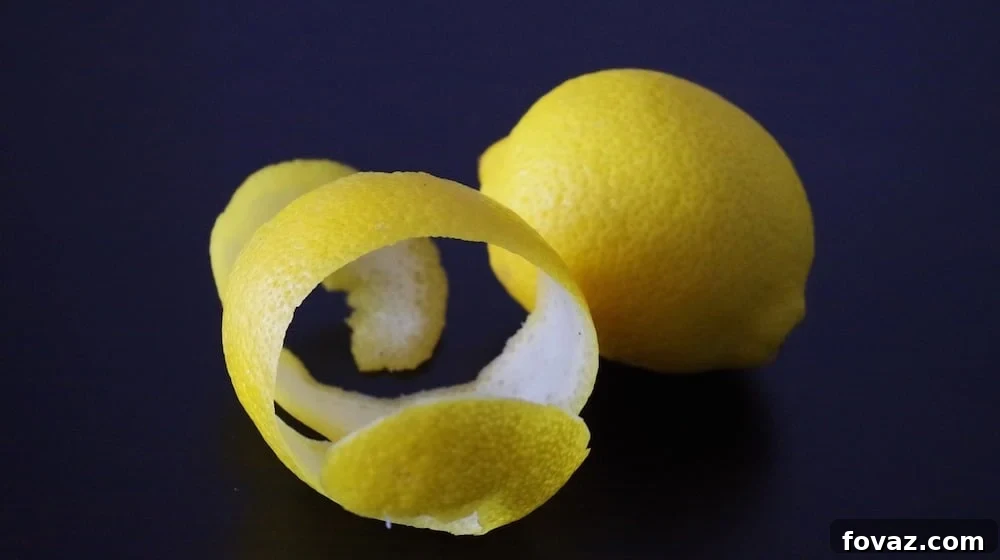
- **Lemon Juice:** Great for brightening, removing stains (e.g., rust), and adding a fresh scent. Its mild acidity works well on cutting boards and brass. *Avoid prolonged contact on* light-colored fabrics (can bleach), natural stone, and wood (can strip finishes).
- **Liquid Castile Soap:** A gentle, all-purpose cleaner that is effective on most washable surfaces. It’s biodegradable and non-toxic, perfect for daily cleaning of floors, countertops, and sinks.
- **Hydrogen Peroxide:** A mild antiseptic and stain remover, good for sanitizing surfaces and brightening whites. *Use with care on* colored fabrics (can bleach) and natural stone (can etch). Always use a 3% solution, and store it in a dark bottle as light degrades it quickly.
A post shared by DIY Projects (@diyprojectsdotcom) on
3. Cleaning vs. Disinfecting: Understanding the Critical Difference
One of the most crucial distinctions to grasp in the world of home hygiene is the difference between cleaning and disinfecting. While often used interchangeably, these terms represent fundamentally different processes. **Cleaning** is the act of physically removing dirt, dust, grime, and other visible impurities from a surface. It involves using water, soap, or other cleaning agents to lift and wipe away foreign matter. This process significantly reduces the number of germs present, as many microbes are simply carried away with the dirt, but it doesn’t necessarily kill them.
**Disinfecting**, on the other hand, specifically refers to the use of chemicals or agents to kill germs (bacteria, viruses, fungi) on surfaces. Disinfectants are formulated to destroy pathogenic microorganisms, thereby reducing the risk of spreading infection. A surface must typically be cleaned *before* it can be effectively disinfected, as dirt and grime can protect germs from the disinfecting agent, hindering its ability to make direct contact and work efficiently.
When it comes to homemade cleaning products, it’s important to set realistic expectations. Many common DIY ingredients like vinegar and baking soda are excellent cleaners; they can cut through grease, remove stains, and neutralize odors effectively. Vinegar, for example, is acidic enough to kill some bacteria and viruses, and can be a good natural sanitizer for lightly contaminated surfaces. However, it’s not a broad-spectrum disinfectant like bleach or commercial sanitizers, and its effectiveness against all types of pathogens, especially tough viruses, is not consistently proven by scientific research in a way that matches EPA-registered disinfectants. Similarly, while hydrogen peroxide has disinfectant properties, its concentration and dwell time (how long it stays wet on a surface) are critical for effectiveness, and homemade dilutions might not always meet the necessary standards for thorough disinfection.
If your primary goal is to kill germs and prevent the spread of illness, especially in high-traffic areas, bathrooms, kitchens, or during cold and flu season, you might need to supplement your homemade cleaning routine with commercially available, environmentally friendly disinfectants. Brands now offer “green” or “eco-friendly” disinfectants that are effective against germs but are formulated with less harsh chemicals. This approach allows you to enjoy the benefits of homemade cleaning for general upkeep while ensuring robust disinfection where it matters most, offering the best of both worlds – a clean home that is also truly sanitized and safe.
4. Practical Tips for Crafting and Using Your Own Homemade Cleaning Products
Once you’ve grasped the foundational knowledge of ingredients, surface compatibility, and the cleaning vs. disinfecting dichotomy, you’re ready to confidently embark on making your own batches of homemade cleaning products. Here are some essential tips to help you start your journey toward a naturally clean home:
- **Leverage Microfiber Cloths for Superior Cleaning:** When it comes to effective dusting and wiping away dirt and grime, a damp microfiber cloth is your unparalleled ally. The microscopic fibers are designed to pick up and trap dust, grime, and even bacteria more efficiently than traditional cotton cloths, reducing the need for excessive cleaning solutions. They are incredibly durable, machine-washable, and reusable, making them an excellent eco-friendly choice that minimizes waste and maximizes cleaning power.
- **Harness the Power of Essential Oils for Scent and Efficacy:** Beyond adding a delightful fragrance to your home, many essential oils boast natural antibacterial, antiviral, and antifungal properties, enhancing the effectiveness of your homemade cleaners. Lemon, tea tree, lavender, and peppermint oils are excellent choices. Lemon oil adds a refreshing, clean scent and is great for degreasing. Tea tree oil offers powerful antimicrobial benefits, making it ideal for bathroom and kitchen cleaners. Lavender and peppermint provide calming or invigorating aromas, respectively. Always ensure you’re using high-quality, pure essential oils and add them sparingly – a few drops are often sufficient for a whole batch of cleaner.
- **Vinegar Alternatives for Scent-Sensitive Homes:** If the pungent aroma of vinegar is not to your liking, even temporarily, don’t despair! High-proof vodka (at least 60% alcohol, or 120 proof) makes an excellent, odorless substitute for vinegar in many applications. It acts as a degreaser, cuts through grime, and has some sanitizing properties. Mix equal parts vodka and water, then add a few drops of your favorite essential oils (like jasmine or lemon for an uplifting scent) to create an effective air freshener or a powerful shower spray that helps prevent mildew and soap scum without the characteristic vinegar smell. Rubbing alcohol (isopropyl alcohol) can also be used, though it often has its own distinct odor.
- **Prioritize Proper Storage and Clear Labeling:** This is crucial for both safety and effectiveness. Always store your homemade cleaning products in clearly labeled, dark-colored spray bottles or containers to protect light-sensitive ingredients and prevent accidental ingestion. Include the date of creation and a concise list of ingredients. If reusing old cleaning product bottles, ensure they are thoroughly rinsed and that you *completely* remove or cover the original label to avoid confusion and potential hazards.
- **Always Test First:** Before applying any new homemade cleaning solution broadly, always test it on an inconspicuous spot of the surface you intend to clean. This simple but vital step can save you from potential damage, discoloration, or etching, especially on delicate or expensive materials.
Ready to get started? Here are 5 homemade cleaning products you can make today to save money and keep your home sparkling:
The journey into homemade cleaning products is incredibly rewarding. Not only do you gain a deeper understanding of what goes into keeping your home clean, but you also contribute to a healthier environment and potentially save a significant amount of money over time. As you experiment and refine your recipes, you’ll discover the immense satisfaction of creating effective, non-toxic solutions tailored to your specific needs. What begins as a small batch for a single task can quickly evolve into a complete arsenal of DIY cleaning supplies, transforming your entire approach to home maintenance. Many who start this journey, myself included, find they can’t imagine going back to conventional cleaners, embracing a more sustainable and conscious way of living.
Are you a seasoned pro at mixing your own natural cleaning solutions, or are you just beginning to explore the world of DIY cleaning? Share your experiences, favorite recipes, or questions in the comments below! We’d love to hear from you.
Did you know the DIY spirit extends beyond just cleaning? You can also craft your own homemade bath and body essentials! Discover how to make your own soothing DIY bath salts here and elevate your self-care routine!
Stay connected with our vibrant DIY community and get daily inspiration on Facebook, Twitter, Pinterest and Instagram!
Editor’s Note – This post was originally published in February 2016 and has been updated for quality and relevancy.