
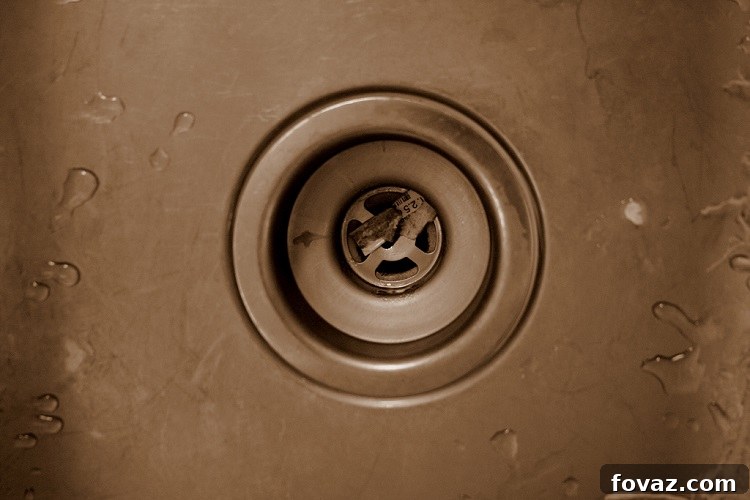
Dealing with backed-up plumbing is a frustrating and often messy ordeal that no homeowner enjoys. The sudden halt of water flow, the pooling in sinks and tubs, and the unpleasant odors can disrupt daily life significantly. While the immediate reaction might be to reach for the phone to find a professional, many common drain clogs can be tackled with simple DIY methods. Understanding the root causes of these blockages and knowing the right techniques can save you time, money, and the headache of recurring plumbing issues. This comprehensive guide, informed by expert insights, will walk you through everything you need to know about cleaning drain clogs, from effective preventative measures to powerful DIY solutions, and even recognizing when it’s time to call in the professionals.
The Ultimate Guide to Cleaning Drain Clogs: Prevent, DIY, and When to Call a Pro
Even in a brand-new home, drain clogs can become a surprising and unwelcome problem. It’s natural to wonder if the plumbing was designed improperly or if there’s an underlying issue. While improper installation can contribute to persistent drainage problems, many clogs are simply a result of everyday usage and buildup over time. Let’s delve into the common culprits behind drain blockages and explore the most effective strategies to keep your plumbing flowing smoothly.
Understanding the Anatomy of a Clog: Common Causes and Locations
The majority of your home’s plumbing system is hidden behind walls and beneath floors, making it difficult to assess its design without access to building plans. Factors such as an excessive number of elbows in the piping, insufficient vertical drop, or pipes that are too small in diameter can certainly predispose a system to frequent clogs. However, even perfectly installed plumbing will eventually develop blockages due to the constant flow of various substances.
Think about the sheer variety of materials that get rinsed down your drains daily: chemicals, soaps, food particles, oils, hair, and more. It’s almost surprising that drains don’t clog more often! This constant bombardment leads to the formation of a sticky, often dark, “bio-film” on the interior surfaces of your pipes. This film acts like a magnet, catching and accumulating debris until a full-blown blockage forms.
Kitchen Sinks: The Grease and Food Particle Trap
Kitchen sinks are arguably the most vulnerable to clogs. Food particles, especially those from starchy foods like rice or pasta, combined with cooking grease and oils, create a formidable blockage. Grease, when cooled, solidifies and adheres to pipe walls, creating a foundation for other debris to stick to. Over time, these layers accumulate, significantly reducing the pipe’s diameter and eventually leading to a complete standstill. You might even observe this black, greasy bio-film forming around the opening of your garbage disposal – imagine how much worse it is deep inside the pipes!
Bathtubs and Showers: The Hair and Soap Scum Menace
Bathrooms, particularly bathtubs and showers, face their own unique set of challenges. Hair, both long and short, is a primary culprit. Despite coarse strainers, individual strands often bypass these defenses and get caught in the sticky bio-film lining the pipes. There, they intertwine with soap scum, conditioner residue, and body oils, creating a dense, often formidable blockage. Over many years, these hair and soap scum masses can become surprisingly hard and resistant to simple drain cleaners.
Beyond Sinks and Tubs: Toilets and Other Drains
While kitchen and bathroom sinks are hotspots, toilets can also clog, typically from flushing non-flushable items like wipes, excessive toilet paper, or personal hygiene products. Floor drains in basements or laundry rooms can clog from sediment, dirt, or lint from washing machines. Understanding the specific type of clog and its location is key to choosing the most effective cleaning method.
Proactive Plumbing: Preventing Drain Clogs Before They Start
Prevention is always better than cure, especially when it comes to plumbing. Adopting good habits and performing regular maintenance can drastically reduce the frequency of drain clogs and extend the life of your plumbing system.
Kitchen Sink Prevention:
- Mind Your Grease: Never pour cooking grease, oils, or fat down the drain. Allow them to cool and solidify, then scrape them into the trash.
- Use Drain Strainers: Install mesh strainers in your sink drains to catch food scraps, coffee grounds, and other debris before they enter the pipes.
- Scrape Plates: Scrape all food waste into the trash or compost bin before rinsing dishes.
- Run Cold Water with Disposal: If you have a garbage disposal, always run cold water while operating it and for about 30 seconds afterward to flush particles completely through the pipes. Avoid putting fibrous foods (celery, corn husks), fruit pits, or excessive amounts of food into the disposal.
Bathroom Drain Prevention:
- Hair Catchers: Place a hair catcher over your shower and tub drains to trap hair before it goes down the pipe. Clean it regularly.
- Limit Foreign Objects: Never flush anything other than human waste and toilet paper down the toilet. This includes “flushable” wipes, cotton balls, feminine hygiene products, and paper towels.
- Rinse Sinks Regularly: Periodically flush bathroom sinks with hot water to help clear soap scum buildup.
General Preventative Maintenance for All Drains:
- Regular Hot Water Flush: Once a week, pour a kettle of boiling water down your kitchen and bathroom drains. This can help dissolve minor grease and soap scum buildups. (Exercise caution with PVC pipes; extremely hot water can sometimes damage older, weaker PVC. A very hot tap water flush is generally safer.)
- Natural Drain Cleaners: Periodically use a natural drain cleaner combination of baking soda and vinegar (details below) even when drains are flowing well. This can help maintain clear pipes.
DIY Drain Cleaning Methods: Step-by-Step Solutions
When a clog does occur, there are several effective DIY methods you can try before resorting to harsh chemicals or calling a professional. Always start with the simplest, least invasive methods first.
1. The Plunger: Your First Line of Defense
The plunger is an indispensable tool for quickly dislodging many clogs. Its repeated force and then suction can often create enough pressure to break up or push through a blockage.
- Preparation: Remove any drain stoppers or strainers. Ensure there’s enough water in the sink or tub to cover the rubber cup of the plunger. If not, add some.
- Seal it Tight: Position the plunger over the drain, ensuring a tight seal around the opening. For double sinks, block the other drain with a wet cloth or stopper. For tubs with an overflow drain, plug the overflow opening with a wet rag to maximize pressure.
- Plunge Vigorously: Pump the plunger up and down vigorously for about 20-30 seconds, maintaining the seal. Then, quickly pull the plunger off the drain to create a strong suction.
- Repeat: Repeat this process several times. You might hear a gurgling sound or see some black gunk (bio-film and debris) drifting up, indicating that the clog is breaking up.
- Flush: Once the water starts to drain, flush with hot water for several minutes to clear any remaining debris.
If, after several attempts, the drain still appears to be slow or completely blocked, you’ll need a more potent solution.
2. Natural Drain Cleaner: Baking Soda and Vinegar
This eco-friendly method is excellent for dissolving grease and soap scum, and it’s much safer for your pipes and the environment than harsh chemical cleaners. It relies on a simple acid-base reaction to create fizzing action that helps break down clogs.
- Ingredients: 1/2 cup baking soda, 1/2 cup white vinegar, and several cups of boiling water.
- Step 1: Hot Water Flush: First, pour a kettle of boiling water down the drain to soften any grease or soap scum. Let it sit for a few minutes.
- Step 2: Baking Soda: Follow with 1/2 cup of baking soda. Let it sit for 5-10 minutes to absorb odors and prime the clog.
- Step 3: Vinegar Reaction: Next, pour in 1/2 cup of white vinegar. The combination will create a fizzing and foaming action. Immediately cover the drain with a stopper or plate to keep the reaction concentrated within the pipe.
- Step 4: Wait: Allow the mixture to work its magic for at least 30 minutes, or even better, overnight for tough clogs.
- Step 5: Final Flush: After waiting, flush the drain with more boiling water to rinse away the loosened clog and residue.
This method is particularly effective for slow-draining kitchen sinks and bathtubs. For best results, use it periodically as a preventative measure.
3. The Drain Snake (Auger): For Tougher Blockages
When plungers and natural cleaners fail, a drain-cleaning snake (also known as a hand auger) is often the next step. These inexpensive, hand-operated tools are highly effective at physically breaking up or retrieving clogs deeper in the pipe.
- Preparation: Lay down old towels or a tarp around the drain area, as the snake will likely come out covered in foul-smelling gunk. Wear gloves and eye protection.
- Insert the Snake: Remove any drain stoppers. Feed the end of the snake into the drain opening. If you encounter resistance, gently twist the handle and push until the cable goes further.
- Reach the Clog: Continue feeding the snake until you feel definite resistance – this is likely the clog.
- Break Up or Retrieve: Once you hit the clog, crank the handle to spin the snake. This action helps to bore through the blockage or latch onto it. If you suspect a hair clog, try to hook onto it and pull it out.
- Withdraw Carefully: Slowly pull the snake back out, turning the handle as you go. Be prepared for the messy, black gunk that will inevitably emerge.
- Clean and Flush: Clean the retrieved mess, then flush the drain thoroughly with hot water to clear any remaining smaller particles.
If you have persistent trouble getting the snake through the drains, it could indicate underlying plumbing design problems, such as too many sharp elbows or improperly sloped pipes.
When to Consider Commercial Drain Cleaners (Use with Extreme Caution)
Commercial drain cleaners can be powerful but come with significant risks if not used properly. They are generally considered a last resort for DIY efforts because they contain harsh chemicals that can be corrosive to pipes, harmful to the environment, and dangerous to your health.
- Types:
- Caustic Cleaners: Contain lye or potassium hydroxide. They create heat to dissolve grease and organic matter.
- Acidic Cleaners: Contain high concentrations of sulfuric or hydrochloric acid. These are extremely corrosive and usually only available to professionals.
- Enzymatic Cleaners: These are more eco-friendly, using bacteria and enzymes to digest organic matter slowly. They are best for maintenance and slow drains, not for severe clogs.
- Instructions are Key: Always read and follow the manufacturer’s instructions *precisely*. Do not exceed recommended amounts or waiting times.
- Safety First: Wear gloves and eye protection. Ensure the area is well-ventilated. Never mix different chemical drain cleaners, as this can create dangerous gases or explosions. Never use a chemical cleaner immediately after trying baking soda and vinegar, as the interaction can also be hazardous.
- Limited Effectiveness: Chemical cleaners are often ineffective on severe clogs like large hairballs or solid objects. They may just sit on top of the clog, potentially hardening it or causing damage to your pipes if left for too long.
- Pipe Damage: Repeated use can corrode certain types of pipes, especially older PVC or metal pipes, leading to leaks or bursts.
If you decide to use a commercial cleaner, pour it carefully into the drain and follow the timing instructions. If it still seems to drain slowly after the recommended application, avoid adding more or trying another product. This is probably the best you will get without professional help.
When to Call a Professional Plumber
While DIY methods can resolve many common drain clogs, there are situations where professional intervention is necessary. Knowing when to call a plumber can prevent minor issues from escalating into costly repairs.
- Multiple Clogged Drains: If more than one drain in your home is clogged simultaneously (e.g., your toilet, shower, and kitchen sink), it often indicates a deeper blockage in your main sewer line, which requires specialized equipment to clear.
- Persistent Clogs: If a drain repeatedly clogs after you’ve tried various DIY methods, it suggests an underlying issue that needs expert diagnosis, such as pipe damage, root intrusion, or improper pipe grading.
- Sewage Backup: Any sewage backing up into your sinks, tubs, or toilets is a serious health hazard and a clear sign of a main sewer line blockage. Call a plumber immediately.
- Foul Odors: Lingering foul odors coming from multiple drains could indicate trapped sewage or decaying matter in your pipes, signaling a significant blockage or ventilation issue.
- Water Damage: If you notice water stains, dampness, or actual leaks around drain areas after attempting to clear a clog, stop immediately and call a plumber. You may have inadvertently caused a leak or burst a pipe.
- Lack of Success with DIY: If you’ve tried plungers, snakes, and natural cleaners without success, or if you feel uncomfortable tackling a more complex issue, it’s always best to consult a professional.
Professional plumbers have advanced tools like hydro-jetters, video inspection cameras, and powerful augers that can effectively clear even the most stubborn and deeply seated clogs without damaging your plumbing system. They can also diagnose and rectify underlying structural issues that contribute to recurring clogs.
Conclusion: Keep Your Drains Flowing Freely
A well-maintained plumbing system is essential for a comfortable home. While occasional drain clogs are almost inevitable, understanding their causes, implementing preventative measures, and knowing how to apply effective DIY solutions can empower you to tackle most issues confidently. Always start with the least invasive methods, practice regular maintenance with natural cleaners, and recognize when a problem is beyond your scope. By being proactive and informed, you can significantly reduce the inconvenience and cost associated with clogged drains, ensuring your home’s plumbing remains in top condition for years to come.
Send your plumbing questions to Here’s How, 6906 Royalgreen Dr., Cincinnati, OH 45244 or visit www.dulley.com.
To find out more about James Dulley and read features by other Creators Syndicate writers and cartoonists, visit the Creators Syndicate website at www.creators.com. COPYRIGHT 2017 CREATORS.COM