
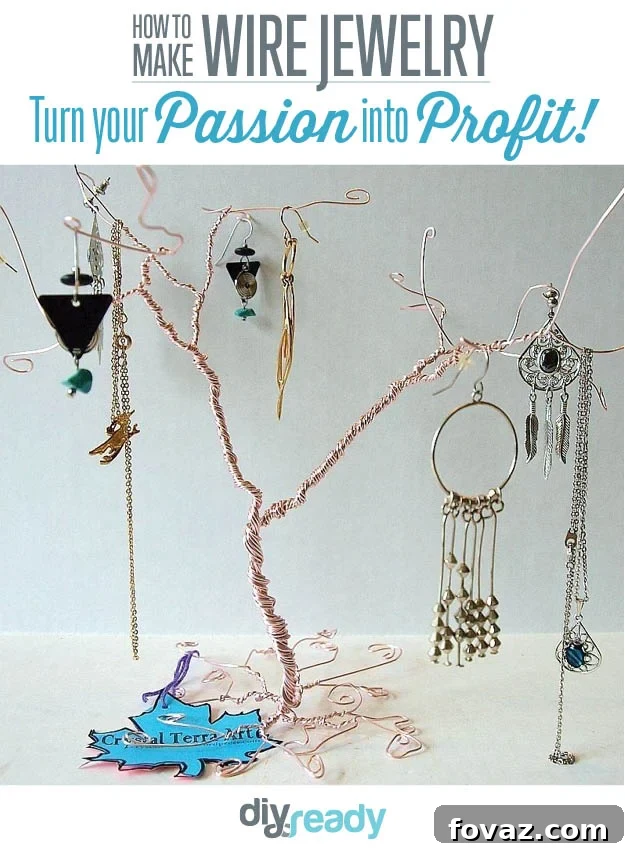
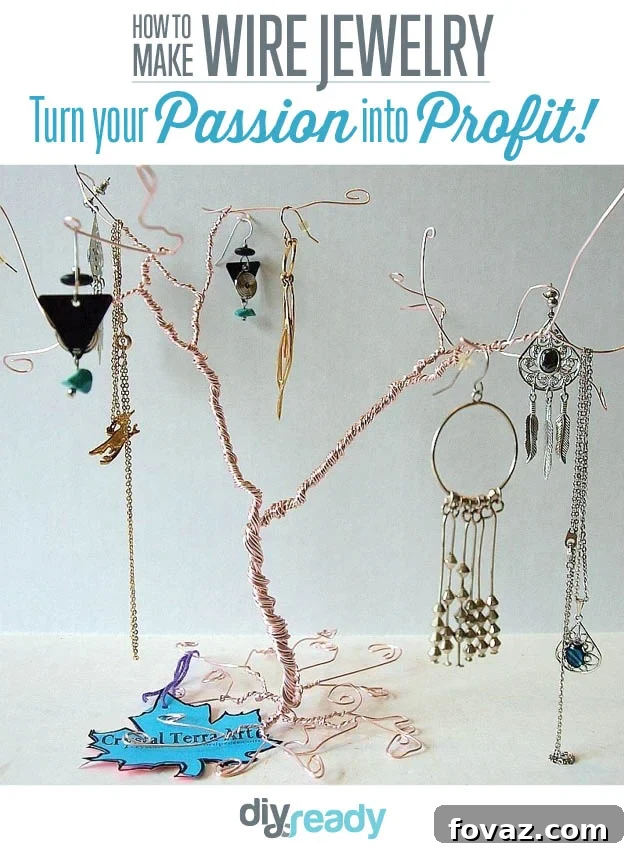
Turn Your Passion into Profit: A Guide to Selling Your Custom Wire Jewelry
Lesson 14 – Monetizing Your Handmade Wire Jewelry Craft
Imagine a life where your creative passion not only brings you joy but also generates a steady income. For many aspiring artisans, the dream of turning a beloved hobby into a thriving business remains just that – a dream. However, with the right strategies, insights, and a touch of entrepreneurial spirit, you can transform your skill in crafting exquisite wire jewelry into a profitable venture. This comprehensive guide, part of our wire wrapping tutorial series, is meticulously designed to equip you with the knowledge needed to successfully sell your handmade creations, reach your target audience, and ultimately make money doing what you love.
Embarking on the journey of selling your wire jewelry involves more than just crafting beautiful pieces; it requires understanding market dynamics, effective pricing, strategic marketing, and building a strong brand presence. In this lesson, we delve deep into the essential elements that will help you navigate the vibrant world of handmade goods. We’ll cover everything from calculating the true cost of your unique items to discovering the most effective platforms for showcasing your talent, whether online marketplaces or local boutiques. You’ll also learn invaluable business tips, including how to gain visibility in a crowded market and the power of collaboration to expand your reach. If you’re just starting out and feel overwhelmed, remember that even small steps, like gathering feedback from friends and family, can provide crucial insights and boost your confidence.
In this essential lesson, you will gain practical knowledge on:
- Implementing effective strategies for calculating the true costs of your handmade wire jewelry pieces.
- A thorough exploration of the advantages and disadvantages of leveraging prominent online marketplaces like Etsy.com for selling your craft.
- An insightful analysis of the benefits and challenges associated with utilizing platforms such as Storenvy.com for your e-commerce needs.
- Proven methods for identifying and securing opportunities to sell your unique creations in local retail stores and galleries.
- Fundamental business insights and actionable tips tailored specifically for artisans looking to establish and grow their brand.
- Techniques for fostering successful collaborations with other businesses and creatives to broaden your market appeal.
Mastering Your Pricing Strategy: Knowing Your Worth
One of the most critical aspects of running a successful wire jewelry business is accurately pricing your products. Underpricing can lead to burnout and unsustainable profits, while overpricing might deter potential customers. The key is to find a balance that reflects your value, covers your expenses, and remains competitive. Your pricing strategy should always begin with a meticulous calculation of your costs.
Calculating Your Costs for Sale
To determine a fair and profitable price, consider three main cost categories:
- Material Costs: This includes every component that goes into your jewelry – wire, beads, clasps, jump rings, gemstones, and even packaging materials like jewelry boxes, tissue paper, and shipping labels. Keep a detailed record of all your purchases. Don’t forget small tools or consumables that might need replacing regularly.
- Labor Costs: Your time is valuable. How long does it take you to design and create a single piece? Assign an hourly rate to your time. This rate should reflect your skill level and what you believe your time is worth. Many artisans overlook this, essentially working for free.
- Overhead Costs: These are the indirect expenses necessary to run your business. They can include things like studio rent (even if it’s a corner of your home, allocate a small percentage), utility bills, marketing expenses (website hosting, ad fees), photography equipment, accounting software subscriptions, and platform fees (listing fees, transaction fees on Etsy, etc.). Divide your total monthly overhead by the number of pieces you expect to sell to get a per-item overhead cost.
Once you have these figures, a basic pricing formula can be: (Material Cost + Labor Cost + Overhead Cost) x Markup Percentage = Retail Price. The markup percentage is where you determine your profit margin. This will vary depending on your niche, brand perception, and target market. Many businesses use a markup of 2x to 3x their total costs, but research your market to see what similar handmade items are selling for.
For efficient tracking and calculation, especially as your business grows, utilizing specialized accounting software can be incredibly beneficial. These tools can help you manage inventory, track expenses, and generate reports, giving you a clearer picture of your financial health.
Choosing Your Sales Channels: Where to Showcase Your Art
With your pricing strategy in place, the next crucial step is determining where to sell your beautiful wire jewelry. Different platforms offer distinct advantages and disadvantages, and the best approach often involves a combination of channels.
Etsy.com: The Global Marketplace for Handmade
Etsy is arguably the most recognized online marketplace for handmade and vintage items, making it a go-to for many artisans. Its vast global audience and built-in tools can be incredibly appealing.
- Pros of Etsy:
- Massive Built-in Audience: Etsy attracts millions of buyers specifically looking for unique, handmade goods, significantly reducing your initial marketing efforts.
- User-Friendly Interface: Setting up a shop is relatively straightforward, with tools for listing products, processing payments, and managing orders.
- Community and Resources: Etsy provides forums, seller handbooks, and educational resources to help you succeed.
- Trust and Familiarity: Buyers generally trust the Etsy platform, which can make them more comfortable purchasing from a new seller.
- Cons of Etsy:
- High Competition: With millions of shops, standing out can be challenging. Your wire jewelry will be alongside countless similar items.
- Fees: Etsy charges listing fees, transaction fees, and payment processing fees, which can add up and impact your profit margins. Optional advertising fees can further increase costs.
- Algorithmic Visibility: Your shop’s visibility is subject to Etsy’s search algorithm, which can be challenging to master.
- Brand Control Limitations: While you can customize your shop, your brand is still housed within the larger Etsy brand, offering less individuality than a standalone website.
To succeed on Etsy, focus on high-quality product photography, compelling descriptions optimized with relevant keywords, excellent customer service, and actively promoting your shop through social media.
Storenvy.com: A Customizable Alternative
Storenvy offers a different approach, allowing sellers to create a customizable online store alongside a community marketplace. It provides a blend of independent e-commerce with some marketplace exposure.
- Pros of Storenvy:
- Free Storefront Option: You can set up a basic store for free, which is attractive for new sellers on a budget.
- Greater Brand Control: Storenvy offers more customization options for your shop’s appearance, allowing you to better express your unique brand identity.
- Marketplace Exposure: While smaller than Etsy, Storenvy does have its own marketplace where your products can be discovered.
- Lower Fees: Generally, Storenvy’s fees can be more favorable than Etsy’s, especially if you opt for the free storefront and manage your own traffic.
- Cons of Storenvy:
- Less Organic Traffic: Compared to Etsy, Storenvy’s marketplace generates significantly less organic buyer traffic, meaning you’ll need to do more self-promotion.
- Requires More Marketing Effort: You’re largely responsible for driving traffic to your store, which demands a strong marketing strategy.
- Smaller Community: The seller and buyer community is not as large or active as Etsy’s.
Storenvy can be an excellent option for those who want more control over their brand presentation and are prepared to invest time in driving their own traffic through social media, blogging, or other marketing channels.
Finding Local Stores to Sell At
Beyond online platforms, selling your wire jewelry through local brick-and-mortar stores offers a unique opportunity to connect with customers directly and support your local economy. This can include boutiques, gift shops, art galleries, and even cafes that feature local artists.
- Research: Identify stores in your area that align with your brand’s aesthetic and target audience. Do they sell other handmade items? What is their price point?
- Preparation: Compile a professional portfolio of your best work, including high-quality photos. Create a line sheet with wholesale pricing and clear terms (consignment, wholesale, or pop-up event).
- Approach: Call or visit the store during off-peak hours. Be polite, professional, and confident in your work. Leave a business card and a small sample if appropriate.
- Build Relationships: Nurture relationships with store owners. They are often passionate about supporting local artists and can offer valuable feedback and opportunities.
Selling locally not only provides another income stream but also enhances your brand’s visibility within your community, potentially leading to custom orders and word-of-mouth referrals.
Essential Business Tips for the Artisan Entrepreneur
Transforming your passion into profit requires more than just making beautiful jewelry; it demands a foundational understanding of business principles. Here are some key tips to guide your journey:
- Develop a Strong Brand Identity: What makes your jewelry unique? Create a memorable brand name, logo, and consistent aesthetic. This identity should be reflected in your product photography, packaging, and all marketing materials.
- High-Quality Photography is Non-Negotiable: In the visual world of e-commerce, stunning photos are your storefront. Invest time in learning product photography basics, good lighting, and clear backgrounds. Your photos should accurately represent your jewelry’s beauty and detail.
- Excellent Customer Service: Respond promptly to inquiries, handle issues professionally, and go the extra mile to make customers happy. Positive reviews and word-of-mouth referrals are priceless.
- Utilize Social Media: Platforms like Instagram, Pinterest, and Facebook are powerful tools for showcasing your work, engaging with your audience, and driving traffic to your sales channels. Post consistently, use relevant hashtags, and tell the story behind your creations.
- Gather Feedback Continuously: Whether from friends, family, or early customers, constructive criticism is invaluable. It helps you refine your designs, improve your processes, and better understand market demand.
- Stay Organized: Keep track of inventory, sales, expenses, and customer information. This will help you manage your business efficiently and prepare for taxes.
The Power of Collaboration: Expanding Your Reach
Collaboration is a strategic way to grow your business by leveraging the audiences and expertise of others. It’s a win-win approach that can introduce your wire jewelry to new markets without significant marketing spend.
- Collaborate with Other Artisans: Partner with complementary artists (e.g., a ceramist, a clothing designer) for joint promotions, giveaway contests, or even creating combined product lines. This exposes both your brands to each other’s followers.
- Influencer Marketing: Identify small-to-mid-size influencers whose audience aligns with your target customers. Offer them free jewelry in exchange for authentic reviews or styled photos.
- Local Business Partnerships: Offer to display your jewelry at a local coffee shop, salon, or boutique that doesn’t sell similar items. Organize joint pop-up events or workshops.
- Blogger Partnerships: Send your pieces to relevant lifestyle or fashion bloggers for features or reviews.
When seeking collaborations, always present a clear value proposition and ensure the partnership is mutually beneficial.
Efficient Shipping for Your Delicate Creations
Accurate shipping cost calculation is vital for profitability and customer satisfaction. Use this link to calculate your shipping costs efficiently!
Shipping handmade jewelry requires careful attention to packaging to ensure items arrive safely and beautifully. Invest in sturdy packaging materials like bubble mailers or small boxes, tissue paper, and protective inserts. Consider presentation – a well-packaged item enhances the unboxing experience, which can lead to repeat business and positive reviews. Research different shipping carriers and services to find the most cost-effective and reliable options for your products, both domestically and internationally. Always provide tracking information to your customers.
Inspiration from Successful Wire Jewelry Artists
To ignite your creativity and provide tangible examples of success, explore how other wire jewelry artists have carved out their unique niches. These artisans demonstrate the diverse styles and business models that can thrive in the handmade market:
Visit Aqua Anchor Designs for beautiful wrapped bead bracelets that exemplify elegance and craftsmanship, showcasing how to master a specific product category!
Visit The Bennet House for stunning customized wire name jewelry, demonstrating the appeal of personalization and bespoke pieces!
Visit Derek McQueen for exceptional masculine wire wrapped pieces, proving that wire jewelry can cater to a broad and diverse audience!
Visit Serendipitini Jewelry for exquisitely handmade and recycled wire wrapped jewelry, highlighting the value of sustainability and unique material choices in branding!
These examples illustrate that finding your unique voice and specializing in a particular style or niche can significantly contribute to your success. Draw inspiration from them, but always strive to infuse your own distinct creativity into every piece you make.
Turning your passion for wire jewelry into a profitable business is an exciting and rewarding journey. It requires dedication, continuous learning, and a willingness to embrace both your artistic and entrepreneurial sides. By meticulously calculating your costs, strategically choosing your sales channels, implementing sound business practices, and proactively seeking collaborations, you can build a sustainable and thriving enterprise. Remember, every master began as a beginner. Start small, learn from every experience, and watch your creative dream flourish into a successful reality.
Click Here for the Next Lesson >>
<< Click Here to go back to the Table of Contents