
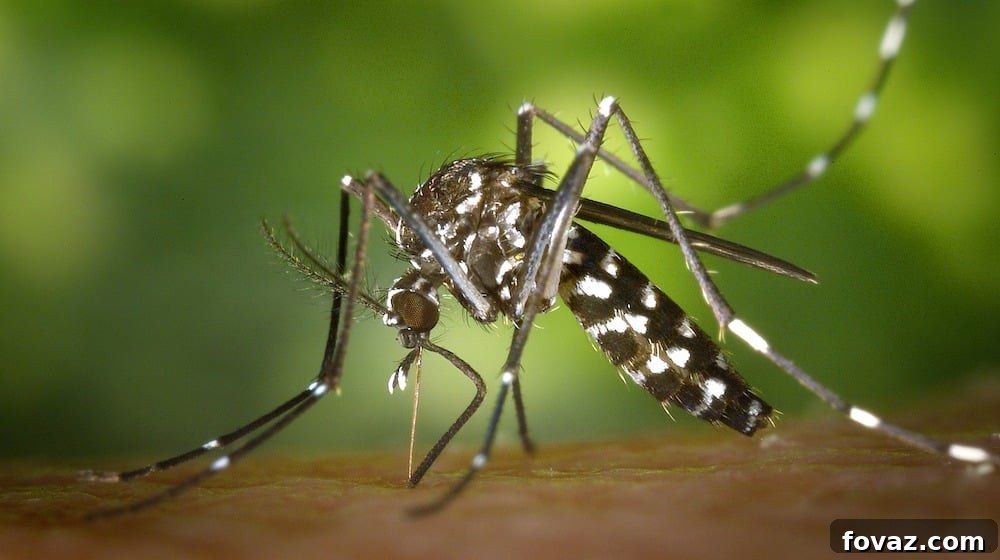
Ultimate Guide to DIY Mosquito Traps: Reclaim Your Yard Naturally
Few things disrupt the tranquility of a beautiful evening or the comfort of your home like the persistent buzz and itchy aftermath of a mosquito bite. These tiny pests are more than just an annoyance; they can transmit serious diseases such as malaria, dengue fever, Zika virus, and West Nile virus, posing a significant health risk to you and your loved ones. Keeping them at bay is crucial for both comfort and safety.
While the market is flooded with commercial mosquito control products, many come with hefty price tags, contain harsh chemicals, or offer only temporary relief. The good news? You don’t have to break the bank or compromise on safety to create an effective barrier against these unwelcome guests. This comprehensive guide will empower you with ingenious, budget-friendly, and environmentally conscious DIY mosquito trap ideas that you can easily make at home. Not only are these solutions often non-toxic and eco-friendly, but they also provide the satisfaction of tackling a common problem with your own hands.
Why Choose DIY Mosquito Control?
Opting for homemade mosquito traps offers a plethora of advantages over store-bought alternatives. Firstly, the cost savings are substantial. Many DIY traps utilize materials you already have around your home or can acquire very cheaply. This makes consistent mosquito management accessible to everyone, regardless of budget.
Secondly, safety is a paramount concern. Commercial sprays and repellents often contain pesticides and chemicals that, while effective against mosquitoes, can be harmful to humans, pets, and beneficial insects. DIY solutions, particularly those focusing on natural attractants and physical trapping methods, minimize or eliminate exposure to these substances, making your environment safer for everyone. Furthermore, by creating your own traps, you gain full control over the ingredients, ensuring they align with your environmental values.
Finally, there’s the empowering aspect of DIY. Crafting your own pest control solutions fosters a deeper understanding of mosquito behavior and the most effective ways to combat them. It’s a sustainable approach that reduces waste, minimizes your carbon footprint, and offers a practical skill set for maintaining a comfortable outdoor and indoor living space. Get ready to transform everyday items into powerful mosquito deterrents and enjoy a bite-free environment.
Understanding Mosquito Behavior: The Key to Effective Trapping
To create truly effective traps, it helps to understand what attracts mosquitoes in the first place. Female mosquitoes, which are the ones that bite, need blood meals to produce eggs. They are highly attuned to several cues:
- Carbon Dioxide (CO2): Released when we exhale, CO2 is a primary long-range attractant, signaling the presence of potential hosts.
- Heat and Body Odor: Once closer, mosquitoes detect body heat and various chemicals in our sweat, such as lactic acid, ammonia, and other compounds.
- Visual Cues: They are also drawn to dark colors and movement.
- Standing Water: Crucially, mosquitoes require standing water to lay their eggs. Eliminating these breeding sites is the most fundamental step in mosquito control.
Many DIY traps leverage these attractants, particularly CO2 and water, to lure mosquitoes away from you and into a trapping mechanism. By understanding these behaviors, you can strategically place and maintain your traps for maximum impact.
Top DIY Mosquito Trap Ideas to Protect Your Home
Ready to declare war on mosquitoes without resorting to harsh chemicals? Here are some of the most innovative and effective DIY mosquito trap ideas, ranging from simple to ingeniously designed, each with the potential to significantly reduce mosquito populations around your property.
1. The Mighty Mosquito Killing Ovitrap
The ovitrap is a brilliant strategy that targets female mosquitoes specifically, luring them to lay their eggs in a deceptive trap where the larvae cannot survive. This method is incredibly effective because it breaks the mosquito life cycle at its earliest stage, preventing future generations from emerging. Reportedly achieving up to 98% effectiveness and even utilized by the U.S. military, this trap focuses on eliminating the next wave of biters before they even hatch. It’s a proactive and highly strategic approach to pest control. You can find detailed instructions on how to construct this powerful trap and leverage its proven efficacy here.
2. DIY Solar Mosquito Trap
Harness the power of the sun to keep mosquitoes away with a DIY solar-powered trap. This eco-friendly solution typically utilizes solar panels to power a small fan or an LED light, which can act as an attractant for mosquitoes. By drawing them towards a collection chamber using light or airflow, this trap offers continuous, low-maintenance operation without consuming grid electricity. It’s an excellent choice for outdoor areas where access to power outlets is limited. Learn how to construct this ingenious, self-sufficient mosquito combatant and make the most of green energy in your pest control efforts with guidance from greenpowerscience.
3. Plastic Bottle Mosquito Trap

One of the most widely known and simple DIY mosquito traps involves repurposing an ordinary plastic bottle. This trap works by creating a fermentation process that releases carbon dioxide, mimicking human breath, which is a powerful mosquito attractant. Typically, a plastic bottle is cut in half, and the top inverted to create a funnel. A mixture of warm water, sugar, and yeast is placed at the bottom, producing the CO2. Mosquitoes are lured into the bottle through the funnel but find it difficult to escape. This method effectively transforms a potential breeding ground (a discarded bottle) into a highly effective trap. For comprehensive instructions on how to construct this popular and effective trap, check out the detailed guide here.
4. Non-Toxic Mosquito Trap
For those prioritizing the health of their family and the planet, a non-toxic mosquito trap is an ideal solution. These traps typically rely on natural attractants and physical barriers rather than harmful chemicals. Many variations exist, often utilizing sugar-water and yeast solutions to produce CO2, or simple water traps with a bit of dish soap to reduce surface tension, causing mosquitoes to drown. The beauty of non-toxic traps lies in their safety, making them perfect for homes with children and pets. They offer an environmentally friendly way to manage mosquito populations without introducing undesirable substances into your immediate environment. Discover a brilliant, environment-friendly trap idea and its construction by following the guidance provided here.
5. Hanging Mosquito Trap
A hanging mosquito trap offers several practical advantages, especially for outdoor use. By suspending the trap, you can strategically position it at optimal heights to intercept mosquitoes and keep it out of reach of children and pets. This design also helps prevent accidental spills, making it cleaner and safer for placement on patios, porches, or near garden areas. Hanging traps often incorporate a bait solution that attracts mosquitoes, which then become ensnared in the trap’s mechanism, whether it’s an adhesive surface or a collection chamber. The strategic placement and secure nature of a hanging trap can significantly enhance its effectiveness in reducing mosquito presence in your outdoor living spaces. Explore an innovative approach to hanging traps and their benefits for monitoring and control by reviewing the details here.
6. Mosquito Egg Trap (Larvae Trap)
Targeting mosquito eggs and larvae is a highly effective, proactive strategy to prevent future mosquito populations from ever reaching maturity. Instead of waiting for adult mosquitoes to bother you, an egg trap, also known as a larvae trap, focuses on interrupting their life cycle at its most vulnerable stage. These traps are designed to attract female mosquitoes looking for a place to lay their eggs, providing an appealing (but ultimately deadly) breeding ground. By preventing eggs from hatching or larvae from developing into adults, you significantly reduce the number of biting mosquitoes. This approach is particularly powerful in areas prone to standing water, as it turns these potential nurseries into elimination zones. Don’t let those mosquito eggs thrive; take control with a DIY larvae trap. Click here for more information on how to build one and contribute to a healthier, mosquito-free environment.
7. Mosquito Trap Inspired by Green Power Science
Innovation often sparks more innovation. The principles demonstrated by channels like Green Power Science, focusing on sustainable and effective solutions, can inspire a range of DIY projects. This particular trap draws inspiration from those sustainable and often scientifically-backed methods to create a powerful mosquito deterrent. Such traps often combine various attractants like CO2, light, or heat with a trapping mechanism, sometimes using a fan or a sticky surface. The emphasis is on efficiency and maximizing the catch rate using easily accessible materials. Embracing these inspired designs allows you to contribute to a healthier community by actively reducing disease-carrying mosquito populations. Knighhawkinnight brilliantly made a trap inspired by greenpowerhouse principles. Say no to malaria and other mosquito-borne illnesses by adopting these clever solutions! You can watch the full demonstration and learn more here.
Additional Tips for Comprehensive Mosquito Control
While DIY traps are incredibly effective, they are just one component of a holistic mosquito control strategy. To truly minimize their presence, integrate these additional practices:
- Eliminate Standing Water: This is arguably the most critical step. Regularly check and empty anything that can hold water – old tires, bird baths, clogged gutters, pet bowls, planters, tarps, and even bottle caps. Mosquitoes can breed in as little as a tablespoon of water.
- Maintain Your Yard: Keep grass mowed short and trim overgrown shrubs and bushes. Adult mosquitoes often rest in cool, shaded areas during the day.
- Install and Repair Screens: Ensure all windows and doors have well-fitting screens without any tears to prevent mosquitoes from entering your home.
- Use Repellents When Outdoors: For personal protection, use EPA-approved repellents containing DEET, Picaridin, Oil of Lemon Eucalyptus, or IR3535. For natural alternatives, consider essential oils like citronella, lemongrass, or peppermint, though they may require more frequent application.
- Wear Protective Clothing: When spending time outdoors, especially during dawn and dusk when mosquitoes are most active, wear long sleeves and pants.
- Consider Mosquito-Repelling Plants: Some plants like citronella grass, marigolds, and lavender are thought to deter mosquitoes, though their effectiveness can vary.
Placement and Maintenance of Your DIY Traps
The success of your DIY mosquito traps isn’t just about how well they’re built, but also where and how they’re maintained.
- Strategic Placement: Place traps in shaded, still areas where mosquitoes rest, but away from where people gather. Good locations include under dense foliage, near potential breeding sites (if you can’t eliminate them), or along the perimeter of your yard. Avoid placing them directly where you sit, as they are designed to attract mosquitoes.
- Regular Checking and Cleaning: For traps using sugar and yeast solutions, replace the mixture every 1-2 weeks as the CO2 production wanes. Ovitraps should be emptied and cleaned regularly to ensure they remain effective and don’t inadvertently become breeding sites themselves if not properly managed. Dead mosquitoes should be cleared out of collection chambers.
- Patience and Persistence: Mosquito control is an ongoing battle. Consistency in maintaining your traps and implementing other control measures will yield the best long-term results.
By combining these ingenious DIY trap ideas with vigilant yard maintenance and personal protection strategies, you can significantly reclaim your living spaces from mosquitoes, enjoying greater comfort and peace of mind.
Did you enjoy this comprehensive guide to DIY mosquito traps? We’d love to hear your thoughts and experiences in the comments below! Your feedback is invaluable as it helps us continually improve our content and identify topics that matter most to our community of DIY enthusiasts.
At DIY Projects, we’re passionate about inspiring creativity and practical skills. From captivating craft projects and stylish home decor ideas to clever upcycling initiatives, delicious recipes, and helpful tutorials, we believe in the power of doing it yourself. Our mission is to connect individuals with their creative potential, showing them that countless projects are within their reach. Join our vibrant community of makers and discover that your next exciting project is just a click away! Stay connected with us on Facebook, Twitter, Pinterest, and Instagram for daily inspiration and updates!
You’ll Also Love These Related DIY Guides…
How to Make a Simple Homemade Mosquito Trap With Cut Bottles
6 DIY Termite Treatments
How to Get Rid of Fruit Flies Naturally | DIY Life Tricks