
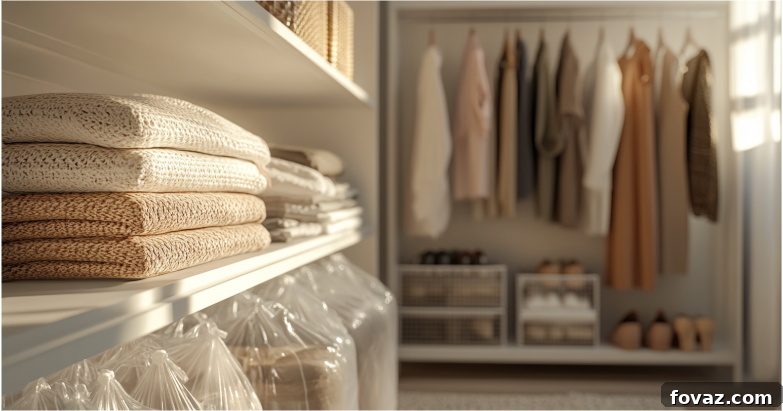
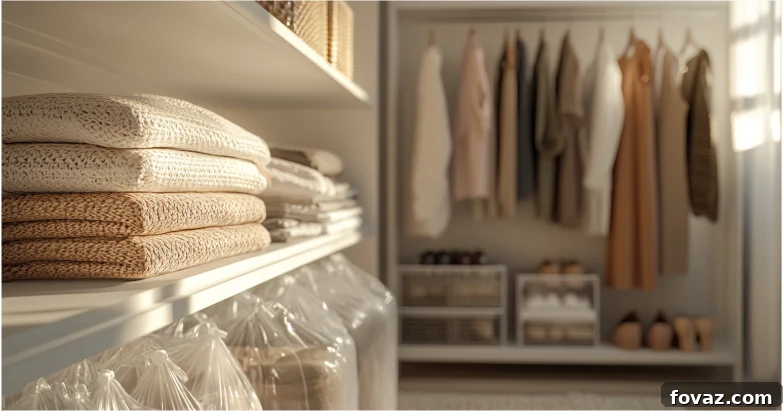
As the mercury rises and the days grow longer, a familiar ritual begins: the seasonal wardrobe refresh. Swapping bulky sweaters and heavy coats for breathable fabrics and lighter layers is more than just a practical necessity; it’s an opportunity to revitalize your living space, streamline your daily routine, and rediscover the joy of effortless style. A well-organized closet transforms chaotic mornings into moments of calm, making outfit selection a pleasure rather than a chore. Thankfully, achieving a beautifully organized wardrobe doesn’t require an interior designer or a massive budget. With a few thoughtful strategies and smart solutions, you can create a streamlined, clutter-free closet that perfectly complements the vibrant energy of warmer days.
Transforming Your Closet for the Warmer Months: The Ultimate Guide to Seasonal Organization
Embracing the shift to warmer weather often means a lighter, brighter outlook, and your closet should reflect that same sense of renewal. This comprehensive guide will walk you through essential steps to declutter, maximize space, and elegantly arrange your clothing, ensuring your wardrobe is perfectly aligned with the season’s demands. Prepare to turn your closet into an inspiring sanctuary of style and efficiency.
Step-by-Step Guide to a Fresh, Functional Wardrobe
Transitioning your closet for the change of seasons doesn’t have to be overwhelming. By breaking down the process into manageable phases, you can systematically declutter, optimize your storage, and arrange your clothing for maximum convenience and aesthetic appeal. Follow these key steps to create a wardrobe that feels fresh, organized, and ready for anything warmer days bring.
Phase 1: The Essential Declutter – Less is More for a Lighter Wardrobe
Before you even think about putting away winter garments, the most crucial first step is to declutter. Holding onto items you no longer wear or love is a significant drain on valuable closet space and can create a sense of visual clutter that makes dressing frustrating. Take a deep breath and embark on a thorough sorting process, dividing your clothes into three distinct categories: keep, donate, and discard. This simple yet powerful exercise helps you identify what truly serves your style and needs.
As you go through each item, be honest with yourself and ask these pivotal questions:
- Does this item still fit me comfortably and flatter my current body shape?
- Is it in excellent condition, free from rips, stains, or excessive wear?
- Does it genuinely align with my current personal style and make me feel confident when I wear it?
- Have I worn this item at all in the past year, or even in the last two seasons it was appropriate for?
If the answer to any of these questions is a resounding “no,” it’s time to let it go. Releasing these items creates physical space and mental clarity. Once your wardrobe is pared down to only the pieces you truly cherish and wear, it’s time to prepare your out-of-season items for storage. Ensure all winter clothes are clean before packing them away to prevent mildew, insect damage, and set-in stains. Store them in airtight containers, such as vacuum-sealed bags for bulky items like coats and sweaters, or clearly labeled plastic bins for lighter fabrics. Store these bins in a cool, dry place away from direct sunlight to preserve fabric quality. This simple yet vital step keeps your active closet manageable and free of unnecessary bulk.
For more in-depth guidance on decluttering, consider exploring expert advice from resources like The Spruce’s closet organization guide, which offers fantastic strategies for streamlining your space.
Phase 2: Mastering Space with Clever Closet Storage Solutions
With your wardrobe beautifully curated, the next challenge is to maximize every inch of your available closet space. Effective closet organization isn’t just about tidiness; it’s about smart design and efficiency. By strategically utilizing vertical space, implementing clever accessories, and thinking creatively, you can transform even the most modest closet into a highly functional and spacious area. Here are some of the best storage solutions to help you make the most of your existing footprint:
- Slim, Non-Slip Hangers: Replace bulky plastic or wire hangers with velvet-flocked, non-slip hangers. They are incredibly thin, freeing up significant hanging space, and their textured surface prevents delicate fabrics from slipping off, ensuring your clothes stay neatly in place.
- Hanging Shelves or Cubbies: These versatile fabric or wire organizers can be suspended from your existing closet rod, instantly creating multiple compartments. They are perfect for neatly storing lightweight items like folded shirts, sweaters, scarves, activewear, or even small handbags and sandals without taking up shelf space.
- Labeled Bins and Baskets: Utilize attractive and functional bins or baskets on shelves or the floor. Clear, stackable bins are excellent for off-season accessories like swimsuits or sunglasses, while woven baskets can elegantly store belts, intimates, or even small clutches. Labeling them clearly ensures you can always find what you need at a glance.
- A Second Clothing Rod: If your closet has high ceilings or long hanging space, installing a second, lower clothing rod can instantly double your hanging capacity. This is ideal for shorter garments like blouses, skirts, pants (folded over hangers), and jackets, making often-used items more accessible.
- Hooks and Over-the-Door Organizers: Don’t let vertical surfaces go to waste. Adhesive hooks or over-the-door organizers are brilliant for keeping often-used items like robes, handbags, hats, or even jewelry easily accessible without crowding shelves or drawers. Wall-mounted hooks can also display statement necklaces or scarves beautifully.
- Drawer Dividers: For drawers, use dividers or small bins to compartmentalize items like socks, underwear, or t-shirts. This prevents items from shifting and becoming jumbled, keeping your drawers looking neat and making finding specific items much easier.
- Shoe Racks and Organizers: Keep your footwear collection organized and protected. Stackable shoe racks, clear shoe boxes, or even over-the-door shoe bags prevent shoes from piling up on the floor, preserving their shape and making selection effortless.
Even a few small, strategic adjustments can dramatically improve the functionality and appearance of your closet. For even more innovative ideas and inspiration, explore resources like HGTV’s smart closet storage solutions, which provide a wealth of tips for maximizing space in any wardrobe.
Phase 3: Strategic Arrangement for Effortless Outfit Selection
Once you’ve decluttered and implemented your smart storage solutions, the final step is to arrange your active wardrobe in a way that promotes quick accessibility and visual appeal. An intuitive organization system is a game-changer; it saves precious time during busy mornings, reduces decision fatigue, and ensures your wardrobe always looks neat and ready-to-wear. Consider these effective techniques to bring order and efficiency to your daily dressing routine:
- Group by Category: The golden rule of wardrobe organization is to group similar items together. Hang all your dresses in one section, tops in another, and pants or skirts in their respective areas. This systematic approach allows you to quickly locate specific garment types when building an outfit, eliminating the frustrating search through unrelated items.
- Sort by Color: Within each category, further organize your clothes by color. This creates a visually harmonious and pleasing aesthetic, making your closet feel more boutique-like. More importantly, it helps you quickly identify color palettes for outfits and makes matching much easier. You can sort from light to dark or by rainbow order.
- Keep Frequently Worn Pieces at Eye Level: Reserve the most accessible parts of your closet – typically the central hanging rod and eye-level shelves – for your everyday essentials and most frequently worn items. This ensures that your go-to blouses, favorite jeans, or essential work attire are always within easy reach, minimizing effort when you’re in a rush.
- Fold Knits and Delicate Fabrics: While hanging is suitable for many garments, certain items benefit more from folding. Knits, such as sweaters and t-shirts, can stretch and lose their shape if hung. Delicate fabrics and heavily embellished items can also be damaged by hangers. Fold these items neatly and store them on shelves or in drawers to maintain their integrity.
- Roll for Drawer Space and Wrinkle Prevention: For items like T-shirts, shorts, pajamas, or even some scarves, rolling them can be a fantastic space-saving technique for drawers. It allows you to see all items at once (like files in a cabinet) and can also help prevent wrinkles, especially when packing for travel.
- Organize Accessories: Don’t forget your accessories! Belts can be hung on dedicated belt hangers or rolled in drawer dividers. Scarves can be folded in cubbies or draped over multi-tier hangers. Jewelry should be stored in divided trays or hung on hooks to prevent tangling and make selection simple.
Remember, thoughtful organization not only simplifies your routine and saves valuable time but also plays a crucial role in maintaining the quality and longevity of your clothing, ensuring your favorite pieces last longer.
Phase 4: The Finishing Touches – Refresh and Maintain Your Organized Sanctuary
Beyond simply organizing your garments, take a moment to truly refresh and revitalize the physical space of your closet. A clean and pleasant environment not only feels better but also helps preserve your clothing. Begin by thoroughly wiping down all shelves, drawers, and hanging rods. Vacuum the floor, paying special attention to corners and under any permanent fixtures, to remove dust, lint, and potential allergens.
To keep your newly organized closet smelling fresh and protect your fabrics, consider adding natural scent enhancers and pest deterrents. Lavender sachets offer a gentle, calming fragrance and can deter moths, while cedar blocks provide a classic, protective aroma. Activated charcoal pouches are excellent for absorbing unwanted odors without adding any scent. If you’re aiming for a more refined and cohesive look, consider upgrading to uniform hangers throughout your closet. Matching hangers create a visually seamless and polished appearance that instantly elevates the space. Investing in stylish, matching storage containers, whether opaque fabric boxes or clear acrylic bins, can further enhance the aesthetic and maintain a sense of order. Small details like these make a significant difference in transforming your closet from a mere storage unit into a well-curated and inviting sanctuary.
Sustaining Your Organized Closet: Long-Term Habits for a Clutter-Free Life
Closet organization doesn’t have to be a daunting, once-a-year ordeal. By integrating the practices of decluttering, maximizing storage, and purposefully arranging your wardrobe into your routine, you can create a permanently functional and aesthetically pleasing space that makes daily dressing effortless. A well-structured system not only saves you time and mental energy but also helps preserve your clothing, extending the life of your favorite pieces, and keeping your closet looking perpetually polished. To prevent clutter from creeping back in, adopt a “one in, one out” rule: whenever you purchase a new item, commit to removing an older, similar item from your wardrobe. Regular, quick monthly checks—tidying up, refolding, and reassessing—will ensure your closet remains a calm and inspiring space.
What are your personal go-to closet organization strategies? Share your favorite tips and tricks in the comments below – we’d love to hear from you and expand our collective wisdom!
Frequently Asked Questions About Closet Organization
- How often should I reorganize my closet?
For optimal maintenance, a comprehensive closet refresh twice a year is highly recommended – typically once in the spring for warmer weather and again in the fall for cooler temperatures. These seasonal overhauls help manage larger transitions. However, a quick monthly or bi-monthly check-in, where you tidy up, refold, and reassess a small section, can effectively prevent clutter from accumulating and keep things manageable between major refreshes. - What’s the best way to store off-season clothes?
The best storage method depends on the item. For bulky pieces like heavy coats, blankets, and thick sweaters, vacuum-sealed bags are excellent for compressing them and saving space. For lighter fabrics and more delicate items, clear, stackable plastic bins with secure lids offer protection from dust and pests. Always ensure clothes are clean and completely dry before storing them, and place bins in a cool, dry, dark area to prevent damage or mildew. - How can I maximize space in a small closet?
Maximizing space in a small closet requires creativity and vertical thinking. Start by utilizing hanging organizers for shoes, accessories, or folded items. Install additional vertical shelving units if possible, or use stackable storage cubes. A second clothing rod installed below your primary one can effectively double your hanging capacity for shorter garments. Over-the-door organizers are also invaluable for utilizing otherwise wasted space for bags, scarves, or additional shoes. - What should I do with clothes I no longer wear?
There are several eco-friendly options for clothes you no longer wear. If items are in good condition, consider donating them to local charities, thrift stores, or community organizations. You can also sell gently used pieces online through platforms like eBay, Poshmark, or consignment shops to earn some extra cash. For items that are too worn for donation, explore textile recycling programs or repurpose the fabric into cleaning rags, craft projects, or even pet bedding. - Is color-coordinating my closet actually useful?
Absolutely! Color-coordinating your closet is not just aesthetically pleasing; it’s incredibly practical. It makes assembling outfits significantly easier and faster, as you can quickly visualize and select items from specific color families. This system also contributes to a tidy, well-ordered appearance, making your closet feel more organized and less overwhelming, which can reduce decision fatigue. - How do I keep my closet smelling fresh?
To maintain a consistently fresh-smelling closet, start with regular cleaning and ensure clothes are fully dry before being put away. Then, incorporate odor-absorbing and pleasant-smelling elements. Lavender sachets, cedar blocks, and activated charcoal pouches are excellent choices; they absorb moisture and odors while imparting a clean, natural scent. Avoid harsh chemical air fresheners, which can merely mask odors and potentially irritate sensitivities. - What’s the best way to store shoes in a closet?
For efficient and protective shoe storage, consider clear, stackable shoe bins or boxes, which allow you to see each pair while keeping them dust-free. Tiered shoe racks are perfect for keeping footwear off the floor and easily accessible. Over-the-door shoe organizers can be a lifesaver for small closets, utilizing vertical space. For high-quality or delicate shoes, use shoe trees to maintain their shape and absorb moisture. - How can I prevent wrinkles when storing clothes?
Preventing wrinkles starts with proper handling. Always fold items neatly, using techniques like the KonMari method for t-shirts and knits, or folding pants along seams. For delicate items prone to creasing, use garment bags when hanging. Avoid overstuffing drawers or storage bins, as this is a primary cause of wrinkles. Allow adequate space for clothes to breathe, and for heavier items, ensure they are not crushed by other garments. - What type of hangers should I use?
The right hanger makes a big difference. Velvet-flocked hangers are ideal for delicate fabrics like silk, satin, and knitwear, as their non-slip surface prevents clothes from falling off or stretching. Wooden hangers are best for structured garments like suits, jackets, and coats, providing sturdy support to maintain their shape. Padded hangers are excellent for delicate blouses and dresses, preventing shoulder bumps and stretching. Using uniform hangers also creates a cohesive, tidy look. - How do I stop my closet from getting cluttered again?
To prevent future clutter, adopt sustainable habits. The “one in, one out” rule is highly effective: for every new item you bring into your wardrobe, remove an older item. Also, practice mindful shopping, focusing on quality over quantity and purchasing items you truly need and love. Schedule quick, regular tidying sessions (e.g., 10 minutes once a week) to put things back in their place and quickly address any accumulating items before they become overwhelming.