
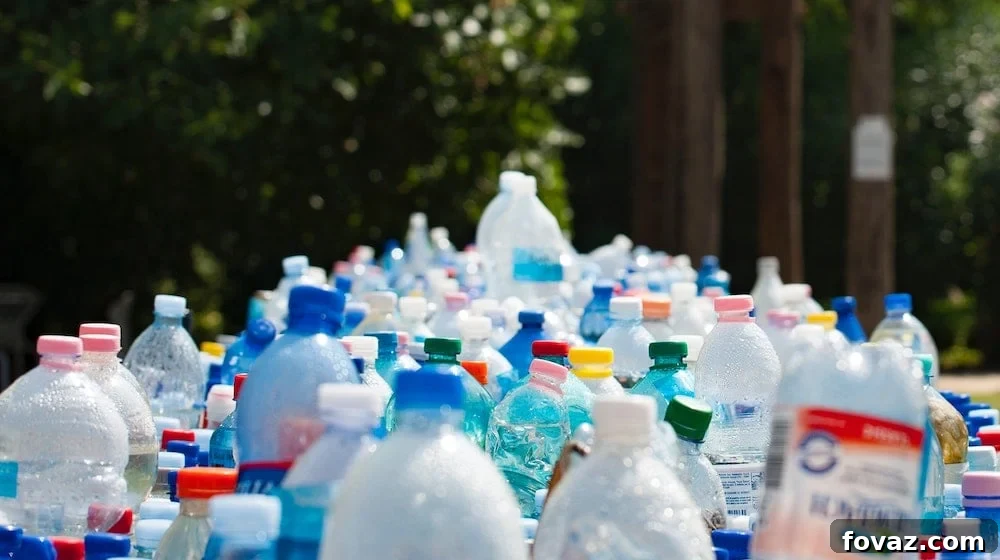
In an era where environmental consciousness is no longer an option but a necessity, embracing practices like recycling at home stands as a powerful testament to our commitment to a healthier planet. It’s an accessible, impactful step each of us can take to contribute to a collective effort of sustainability. Beyond the significant environmental benefits, adopting a recycling mindset can also lead to tangible savings in your household budget by reducing the need to constantly buy new items, and it helps minimize exposure to harmful chemicals often found in disposable products. Living a life with less waste is not just about guilt-free consumption; it’s about making conscious choices that uplift your lifestyle and the world around you. This comprehensive guide will unveil practical, easy-to-implement recycling tips designed to help you embark on or advance your journey towards a more sustainable, zero-waste home. Get ready to transform your approach to waste management with surprising and highly useful strategies that prove being eco-friendly can be simple and rewarding.
Mastering Home Waste Reduction: 9 Transformative Recycling Strategies
Empower your household with these essential tips for effective waste management and sustainable living.
If your goal is to cultivate a zero-waste household, the most effective starting point is to integrate robust recycling practices today. This isn’t just a win-win scenario for your family and the environment; it’s a fundamental shift towards a more mindful existence. Many people assume recycling is complicated, but with the right approach and a few straightforward tips, it becomes an effortless part of your daily routine. While initially, it may take a slight adjustment to new habits, consistency will quickly reveal the profound positive changes – from a cleaner home and reduced trash output to a noticeable sense of contributing to global well-being. Dive into these nine actionable tips that will guide you in better managing your waste, reducing your ecological footprint, and fostering a more sustainable lifestyle.
Recycling Tip #1: Embrace Bulk Buying for Reduced Packaging Waste
One of the simplest yet most impactful changes you can make to reduce household waste is to buy food and household staples in bulk. Think about the cumulative plastic and cardboard packaging generated when you repeatedly purchase small quantities of items like grains, nuts, pasta, spices, or cleaning supplies. Each individual container, wrapper, or bag adds to the ever-growing landfill problem. By opting for bulk purchases, you significantly cut down on this individual packaging waste. Many grocery stores offer bulk bins where you can fill your own reusable containers, further minimizing environmental impact. Beyond the ecological benefits, buying in bulk often translates to substantial cost savings per unit, making it a financially savvy choice too. It encourages conscious consumption and less frequent shopping trips, streamlining your household management while making a tangible difference in waste reduction. Always consider what you genuinely need to avoid food waste, but for regularly used, non-perishable items, bulk buying is an eco-champion’s move.
Recycling Tip #2: Unlock the Power of Composting for Nutrient-Rich Soil
For those truly committed to dramatically lessening their household waste, composting is an indispensable practice. Food scraps and organic waste constitute a significant portion of what ends up in landfills, where they produce methane, a potent greenhouse gas, as they decompose anaerobically. By diverting these materials into a compost pit or bin, you transform what would be harmful waste into a valuable resource: nutrient-rich soil amendment. You can easily compost fruit and vegetable peelings, coffee grounds, tea bags, eggshells, paper towels, and even certain yard waste. This not only reduces the volume of your trash but also enriches your garden soil, fostering healthier plants without the need for chemical fertilizers. Composting closes the loop on your food cycle, returning vital nutrients to the earth. Starting a compost system, whether it’s a simple outdoor pile or an indoor vermicomposting bin, is an incredibly rewarding step towards a truly zero-waste lifestyle and a vibrant garden.
Recycling Tip #3: Invest in Quality Products for Long-Term Sustainability
The adage “buy cheap, buy twice” holds profound truth in the realm of waste reduction. Investing in high-quality, durable products is not just about treating yourself to the best; it’s a strategic move towards sustainability. Items that are well-made and designed to last will serve you longer, meaning you won’t need to replace them as frequently. This directly translates to less waste generated over time, as fewer discarded items end up in landfills. From clothing and shoes to kitchenware, furniture, and tools, consciously choosing products known for their longevity and craftsmanship reduces your consumption footprint. While the initial cost might be higher, the long-term savings from not having to constantly repurchase, coupled with the environmental benefit of less waste, make quality purchases a superior choice. Be a discerning consumer; research brands, read reviews, and prioritize durability, repairability, and timeless design over fleeting trends and disposable options.
Recycling Tip #4: Master the Art of Reusing Packaging and Containers
Before you even think about discarding packaging, consider its potential for a second life. Reuse is a cornerstone of effective waste reduction, and countless items that typically get thrown away can be repurposed creatively within your home. Cardboard boxes, for instance, are perfect for organizing clutter in closets, creating makeshift storage, or even serving as a base for children’s craft projects. Glass jars and plastic containers from food items can be thoroughly cleaned and used to store pantry staples like dry goods, spices, or leftover food. They can become organizers for craft supplies, hardware, or even stylish vases. Get creative: old plastic tubs can become planters, empty spray bottles can hold homemade cleaners, and even sturdy shopping bags can find new life as bin liners or gift bags. The key is to see waste as a resource. By giving packaging a new purpose, you extend its utility, reduce demand for new products, and keep perfectly good materials out of the waste stream.
Recycling Tip #5: Always BYOB (Bring Your Own Bag) When Shopping
This might seem like a simple tip, but its collective impact is monumental. The global consumption of single-use plastic bags is staggering, with billions ending up in landfills and polluting our oceans each year, harming wildlife and ecosystems. Making it a habit to bring your own reusable bags whenever you go shopping – whether for groceries, clothing, or household items – is an effortless way to eliminate your contribution to plastic bag waste. Keep a stash of sturdy, reusable bags in your car, by the door, or folded in your everyday bag so you’re always prepared. Many stores now offer incentives for using reusable bags or charge for plastic ones, further encouraging this eco-conscious behavior. Beyond groceries, extend this habit to produce bags by bringing mesh produce bags, and even for bulk items. It’s a small action that makes a significant statement about your commitment to reducing plastic pollution and fostering a cleaner environment.
Recycling Tip #6: Practice Conscious Refusal of Unnecessary Items
One of the most empowering aspects of a zero-waste lifestyle is learning the art of refusal. Before acquiring any new item, pause and genuinely ask yourself: “Do I truly need this, or do I already have something at home that serves the same purpose?” This tip challenges the impulse to buy, especially when confronted with appealing but ultimately superfluous items. Perhaps you’re tempted by a cute new set of plastic kitchen containers, or those disposable plastic cups look perfect for your next picnic. Take a moment to remind yourself of the reusable alternatives you already possess at home – your existing food storage containers, your sturdy glassware, or your durable picnic set. Don’t give in to the allure of flashy packaging or marketing if it means generating more waste on your part. Refusing freebies, flyers, or single-use items you don’t need is another powerful form of conscious consumption. It’s about being mindful of your purchases and preventing waste before it even enters your home, making it a proactive step in waste reduction.
Recycling Tip #7: Ditch the Disposable Plastic Water Bottle Habit
The convenience of bottled water comes at an incredibly high environmental cost. Stop buying them. Research consistently shows that bottled water is often no safer or healthier than tap water, and in many regions, municipal tap water undergoes rigorous testing and offers superior quality. The environmental impact of single-use plastic water bottles is immense; they require vast amounts of energy to produce and transport, and billions end up in landfills or polluting natural environments, taking hundreds of years to decompose. When you stop purchasing bottled water, you immediately cease contributing to this massive stream of plastic waste. Invest in a high-quality, reusable water bottle made from stainless steel or glass, and refill it with filtered tap water. This simple switch not only drastically reduces your plastic footprint but also saves you a significant amount of money over time. It’s a prime example of how a small behavioral change can lead to substantial positive environmental and financial outcomes.
Recycling Tip #8: Maximize the Versatility and Durability of Cloth
Cloth, in its many forms, is an invaluable ally in the quest for a low-waste home. Replace disposable paper products with reusable cloth alternatives wherever possible. In the kitchen, swap paper towels for washable cotton rags for cleaning spills, wiping surfaces, and drying dishes. Instead of plastic wrap or foil, use beeswax wraps or fabric covers to store food – here is a tutorial on how to make a cloth wrap for food. For personal care, consider reusable cotton rounds for makeup removal or cloth diapers for babies, which significantly reduce the landfill burden of disposable options. Even for dusting and general cleaning, a simple cloth works wonders without the need for additional paper waste. The benefits are clear: reduced waste, financial savings over time (as you won’t constantly repurchase disposables), and a lower environmental footprint from manufacturing and disposal. Embrace cloth as your sustainable cleaning and covering companion, and watch your waste bin shrink.
Recycling Tip #9: Unleash Your Creativity with DIY Homemade Products
Taking the “Do It Yourself” (DIY) approach to household products is a fantastic way to drastically reduce waste, minimize exposure to chemicals, and save money. Many everyday items, from cleaning solutions to personal care products, come in plastic packaging and often contain ingredients that are harsh on both your health and the environment. By exploring natural options and making your own, you gain control over ingredients and eliminate packaging waste. You can find simple recipes for organic shampoos, homemade deodorants, soothing bath salts, and powerful all-purpose cleaners using common, natural ingredients like baking soda, vinegar, essential oils, and citric acid. Websites like DIY Projects offer a wealth of ideas and tutorials. This way, you not only lessen the waste generated by product packaging but also reduce the number of chemicals entering your home and the environment, while recycling whatever is available in your home for storage. It’s a creative, empowering, and incredibly eco-friendly habit to adopt.
Beyond these specific tips, remember that waste reduction is an ongoing journey of creativity and conscious living. You can always try to lessen waste by turning discarded items into beautiful decorative parts of your house or highly functional storage solutions. Discover how everyday objects can be given new life; watch this insightful video showing how humble tin cans are ingeniously recycled and transformed for a variety of practical and aesthetic needs:
Like this? You’ll also like…
25 Impressive Ways To Reuse Wine Corks | DIY Home Improvement Projects
The DIY Rustic Cooler Pallet Project That Will Light Up Your Backyard Parties
DIY Wood Projects | 3-Step Crate Shelves For All Your Storage Needs
Ft Image