

Embrace a Sparkling Home Naturally: Your Guide to Eco-Friendly Cleaning
Are you curious about making your home sparkle without relying on harsh chemicals? Many of us aspire to a perfectly clean and fresh-smelling house, especially as seasons change. However, the conventional cleaning products lining supermarket shelves often come with a hidden cost: potential harm to our health and the environment. This is particularly concerning in homes with small children or pets, where chemical residues can pose significant risks.
Fortunately, achieving a pristine living space doesn’t require compromising on safety or breaking the bank. Nature provides an abundance of powerful, effective, and incredibly affordable cleaning agents that can tackle almost every chore around the house. From cutting through grease to banishing unpleasant odors and disinfecting surfaces, these natural wonders offer a healthier alternative to synthetic solutions. In this comprehensive guide, we’ll explore the top five natural products you can easily incorporate into your cleaning routine, ensuring a safe, sparkling, and truly healthy home environment.
Why Choose Natural Cleaning Products?
The shift towards natural home cleaning isn’t just a trend; it’s a conscious choice for a healthier lifestyle and a more sustainable planet. Understanding the myriad benefits can help solidify your commitment to a chemical-free home:
- Health Benefits: Traditional cleaning products often contain volatile organic compounds (VOCs), phthalates, ammonia, and chlorine, which can trigger respiratory issues, skin irritations, allergies, and even more severe health problems with long-term exposure. Natural alternatives drastically reduce your exposure to these harmful substances, making your home a safer haven for everyone.
- Environmental Impact: When you use chemical cleaners, these substances eventually wash down drains and enter our waterways, posing threats to aquatic ecosystems and contributing to pollution. Natural products, being biodegradable, have a much lighter ecological footprint.
- Cost-Effectiveness: Many natural cleaning agents are common household items like vinegar, baking soda, lemons, or salt, which are significantly cheaper than specialized chemical cleaners. You can often buy them in bulk, further reducing costs over time.
- Accessibility: You likely already have most of these natural products in your pantry or fridge, making them readily available whenever a cleaning task arises.
- Gentle Yet Powerful: Don’t let their natural origin fool you; these products are incredibly effective. Their inherent properties — acidity, abrasiveness, or antimicrobial qualities — make them potent tools against dirt, grime, and bacteria without damaging surfaces.
By making the switch, you’re not just cleaning your home; you’re nurturing the well-being of your family and contributing to a healthier planet. Let’s dive into the five natural powerhouses that will revolutionize your cleaning routine.
Top 5 Natural Products For a Spotless Home
1. Lemon: The Zesty Disinfectant and Degreaser
Beyond its refreshing scent and culinary uses, lemon is an indispensable natural cleaner, particularly in the kitchen and bathroom. Its high acidity (citric acid) makes it a powerful degreaser, disinfectant, and natural bleach alternative. It excels at breaking down grease, lifting soap scum, and tackling tough stains, all while leaving behind a crisp, clean fragrance.
- Cutting Boards: To disinfect and deodorize your cutting boards, especially after preparing fish or meat, simply cut a lemon in half and rub it vigorously over the surface. The lemon juice penetrates the wood or plastic, neutralizing odors and killing bacteria. Let it sit for a few minutes before rinsing.
- Microwave Magic: For a sparkling clean microwave, mix the juice of one lemon with about 400 ml (around 1.5 cups) of water in a microwave-safe bowl. Heat on high power for 5-10 minutes, allowing the steam to fill the cavity. The lemon-infused steam will loosen hardened food splatters, making them incredibly easy to wipe away with a cloth.
- Faucets and Shower Heads: Lemon juice is a natural descaler. Apply fresh lemon juice to mineral deposits and hard water stains on faucets and shower heads. Let it sit for 10-15 minutes, then scrub with an old toothbrush and rinse. For stubborn shower heads, you can submerge them in a solution of hot water and lemon juice overnight.
- Tile and Grout: Its exfoliating properties make lemon excellent for removing soap stains and grime from bathroom tiles and grout. Create a paste with lemon juice and baking soda for extra scrubbing power on particularly dirty areas.
- Polishing Metals: A mixture of lemon juice and salt can polish tarnished copper, brass, and even stainless steel. Apply the paste, rub gently, and rinse thoroughly for a brilliant shine.
- Deodorizing Garbage Disposals: Drop a few lemon peels into your garbage disposal and run it with cold water. This will help eliminate odors and freshen up your sink.
2. Olive Oil: The Gentle Polish for Wood and Leather
While primarily known for cooking, olive oil is a surprisingly effective and gentle natural product for maintaining and restoring the luster of wooden and leather furniture, as well as wood flooring. Its moisturizing properties feed the material, preventing dryness and cracks, and creating a beautiful, subtle sheen.
- Wooden Furniture: For a natural polish, apply a few drops of olive oil onto a soft, clean cotton cloth. Gently rub the wooden surface in the direction of the grain. This will not only clean away dust and minor smudges but also condition the wood, bringing out its natural warmth and protecting it from everyday wear. It works wonderfully on everything from antique tables to modern bookshelves.
- Leather Furniture: Just like wood, leather benefits from the nourishing touch of olive oil. Use a small amount on a clean cloth to gently buff leather couches, chairs, or even shoes. It helps to keep the leather supple and can minimize the appearance of minor scratches. Always test on an inconspicuous area first, especially on lighter leathers.
- Wooden Floors: To revitalize dull wooden floors or parquet, a very diluted solution of olive oil and white vinegar can be used. Apply sparingly with a microfiber mop, ensuring not to over-saturate the wood. This method cleans and adds a protective sheen, making your floors look renewed.
- Garden and Patio Furniture: To protect and prolong the life of your outdoor wooden furniture, especially those exposed to the elements, periodically wipe them down with a light coating of olive oil. This helps to repel water and keep the wood from drying out and cracking.
- Stainless Steel Appliances: Believe it or not, a tiny bit of olive oil on a cloth can buff away fingerprints and streaks on stainless steel appliances, leaving them gleaming.
3. Toothpaste: The Unexpected Stain Fighter
Beyond maintaining oral hygiene, common white toothpaste (avoid gel types or those with abrasive beads) is a remarkable cleaning agent for a variety of household stains and surfaces. Its mild abrasive qualities and whitening agents make it surprisingly versatile.
- Silver and Tableware: Tarnished silver cutlery, jewelry, or decorative items can be easily restored with toothpaste. Apply a thin layer of paste to the item, rub gently with a soft cloth or your fingers, then rinse thoroughly and buff dry. Watch the tarnish disappear!
- Carpet Stains: For ink, makeup, tea, or coffee stains on carpets, apply a small dab of white toothpaste directly onto the stain. Gently rub it in with a damp cloth or soft brush. Let it sit for a few minutes to lift the stain, then rinse the area with a clean, damp cloth. Repeat if necessary, then blot dry.
- Water Rings on Wooden Surfaces: Those annoying white rings left by cups on wooden furniture can often be removed with toothpaste. Apply a small amount of paste to a soft cloth and gently rub the ring until it fades. Wipe clean with a damp cloth and then buff dry.
- Scuff Marks on Walls: If your child has created artwork on a painted wall with a pen or crayon, toothpaste can come to the rescue. Apply a tiny bit to a soft cloth and gently rub the mark. It acts as a mild abrasive without stripping the paint, usually. Always test in an inconspicuous spot first.
- Bathroom Fixtures: Toothpaste can quickly clean and shine chrome faucets, ceramic tiles, and even porcelain sinks, removing minor stains and leaving them gleaming.
- Headlight Restoration: Believe it or not, non-gel toothpaste can help clean cloudy car headlights. Its mild abrasive qualities can buff away the oxidized layer, improving clarity.
4. Essential Oils: The Aromatic Disinfectant and Mood Booster
Often referred to as “ethereal oils,” essential oils are concentrated plant extracts known for their potent aromatic, therapeutic, and antimicrobial properties. They not only impart a fresh, natural scent to your home but also act as powerful disinfectants and mold inhibitors, making them a fantastic addition to your natural cleaning arsenal.
- Surface Disinfectant: Essential oils like lavender, tea tree, lemon, eucalyptus, and peppermint are excellent for cleaning surfaces where bacteria tend to accumulate, such as kitchen countertops, cutting boards, door handles, and taps. To make a simple all-purpose cleaner, mix 1 cup of water, 1 cup of white vinegar, and 15-20 drops of your chosen essential oil (e.g., tea tree for its strong antimicrobial properties, or lemon for degreasing and scent) in a spray bottle. Shake well before each use.
- Floor Cleaner: For a naturally clean and fragrant floor, add 20-30 drops of essential oil (lavender or citrus oils work beautifully) to a bucket of warm water. Mop as usual. The oils will help disinfect and leave a lingering fresh scent without any chemical residues.
- Mold Prevention: Tea tree oil is particularly potent against mold and mildew. Mix about 10-15 drops of tea tree oil with a cup of water in a spray bottle. Spray directly onto moldy areas and let it sit; no need to rinse. Its strong scent dissipates as it dries, leaving behind clean, mold-free surfaces.
- Air Freshener: Beyond cleaning, essential oils are fantastic natural air fresheners. Diffuse them in an essential oil diffuser, or add a few drops to cotton balls and place them in discreet locations like trash cans or closets for a continuous fresh aroma.
- Laundry Booster: Add 5-10 drops of essential oil to your washing machine’s rinse cycle for beautifully scented laundry without synthetic fragrances.
5. Salt: The Versatile Scrubber and Deodorizer
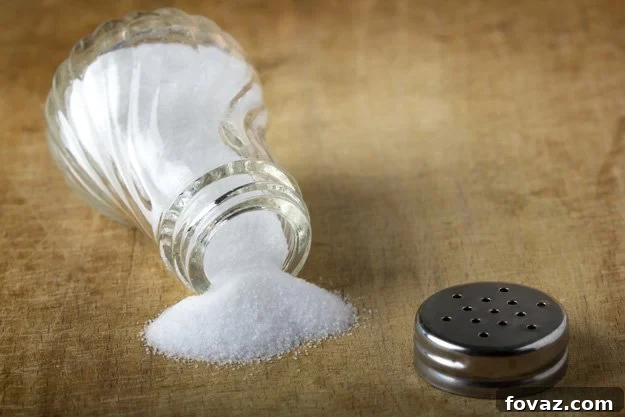
A humble staple found in every kitchen, salt is truly nature’s treasure for cleaning. Its abrasive texture makes it an excellent scrubber, while its absorbent and deodorizing properties make it perfect for tackling tough grime and unpleasant odors, both cheaply and efficiently.
- Disinfecting Sponges: To clean and disinfect kitchen sponges, soak them in a bowl of warm water with a generous amount of salt for a couple of hours or even overnight. The salt helps to draw out bacteria and refresh the sponge.
- Refrigerator Deodorizer: A mixture of mineral water and salt (or just a small bowl of salt) placed inside the refrigerator will not only absorb unpleasant odors but also help keep the interior fresh and clean. Change it regularly for best results.
- Carpet Stain Remover: For stubborn stains on woolen carpets, sprinkle a liberal amount of salt directly onto the stain. Lightly spray with water (don’t soak), and let it sit for about 30 minutes to allow the salt to absorb the stain. Then, vacuum the rug thoroughly. You’ll be amazed at how much the stain lifts!
- Oven Cleaning: For fresh spills in the oven, sprinkle salt directly on them while the oven is still warm. Once the oven cools, the salt will have absorbed the grease, making it easier to scrape away. For more baked-on grime, a paste of salt, baking soda, and a little water can be effective.
- Cast Iron Skillets: Salt is excellent for cleaning cast iron pans without soap, which can strip away seasoning. Pour a generous amount of coarse salt into the pan, scrub with a paper towel or sponge, then rinse and dry thoroughly before re-seasoning.
- Drain Cleaner: A mixture of salt, baking soda, and white vinegar poured down a clogged drain, followed by hot water, can help break up minor clogs and eliminate odors naturally.
Embracing a Greener, Cleaner Home
Transitioning to natural cleaning products is a simple yet impactful step towards a healthier home and a more sustainable lifestyle. These five natural powerhouses – lemon, olive oil, toothpaste, essential oils, and salt – offer versatile, effective, and safe solutions for nearly every cleaning challenge. By integrating them into your routine, you’ll not only save money but also reduce your exposure to harmful chemicals and minimize your environmental footprint.
Start small, perhaps by tackling one room at a time, and gradually replace your conventional cleaners with these natural alternatives. You’ll soon discover that a truly sparkling, fresh, and healthy home is well within reach, all thanks to the simple wonders of nature.
Want more DIY natural cleaning product ideas? Get more here from Samantha Lindsey:
Are you going to try these natural cleaning products? Let us know how it went below in the comments! Share your own natural cleaning tips and tricks too!
For more DIY and craft news, follow us on Facebook, Twitter, Pinterestand Instagram!
LIKE this? I’m sure you’ll LOVE these related articles:
-
10 Minute Cleaning Hacks That Will Keep Your Home Sparkling
-
Homemade Cleaning Products: What You Should Know Before You DIY
-
Green Cleaning Tips To Prevent Mold In House
-
Cleaning With Lemon, Vinegar and Baking Soda | Natural Household Cleaners