
Roof Repair or Replacement? A Comprehensive Homeowner’s Guide
As a homeowner, few decisions are as critical or potentially costly as those concerning your roof. It’s the primary shield protecting your most valuable asset from the elements. So, when signs of wear and tear appear, the pressing question emerges: Is it time for a targeted roof repair, or is a complete roof replacement the necessary, long-term solution? Navigating this choice effectively can save you thousands of dollars, prevent further structural damage, and ensure your home remains safe and secure for years to come.
Before you even think about calling a professional roofer, empowering yourself with knowledge and conducting an initial inspection can make all the difference. While roofers are experts, understanding the nuances of your roof’s condition puts you in a better position to discuss options and negotiate services. This guide aims to equip you with the essential information and practical tips needed to assess your roof’s health and make an informed decision.
Deciphering the Damage: Repair or Replace?
The first step in addressing any roofing concern is accurate diagnosis. Take the common scenario: you notice damp, dark spots on your bedroom ceiling after a rain shower. This isn’t just a cosmetic issue; it’s a clear indicator of moisture intrusion, and it demands immediate attention. The dark coloration is often mildew, a byproduct of long-term dampness, which suggests the leak has been present for some time. This prolonged moisture can contribute to significant damage to the roof decking, rafters, and even the attic’s structural lumber, compromising your home’s integrity.
While visible leaks are a clear alarm bell, many other subtle signs can point to underlying issues. The decision between repair and replacement is not always straightforward. Often, homeowners are faced with a spectrum of damage, from isolated issues to widespread deterioration. Conducting your own preliminary inspection, followed by getting multiple professional opinions, is the most prudent approach. However, be mindful that roofers, given their business model, might naturally lean towards suggesting a full replacement, which can be more profitable for them. Your informed perspective will be invaluable here.
Factors Influencing Your Roof’s Lifespan
Understanding the lifespan of your current roof is fundamental to determining whether a repair or replacement is more appropriate. Several key factors contribute to how long a shingle roof will last:
- Initial Quality of Materials: High-grade shingles, such as architectural or laminated shingles, inherently last longer than standard 3-tab asphalt shingles.
- Local Climate Conditions: Regions prone to extreme weather (hail, high winds, heavy snow, intense UV radiation, frequent thunderstorms) will see accelerated wear and tear compared to more temperate zones.
- Proper Roof Design and Installation: A well-designed roof with appropriate pitch, adequate drainage, and expert installation will withstand elements better and last longer.
- Proper Attic Ventilation: Adequate ventilation prevents heat and moisture buildup in the attic, which can prematurely age shingles from the underside and lead to structural issues.
- General Roof Maintenance: Regular cleaning of gutters, removal of debris (leaves, branches), and periodic checks for minor damage can significantly extend a roof’s life.
As a general guideline, standard asphalt shingles typically have a lifespan of about 20 years, often aligning with their warranty periods. Thicker, architectural shingles, however, can carry warranties of 30, 40, or even 50 years, reflecting their enhanced durability. If your shingles are relatively new—say, less than 10 years old—and you find only a few isolated leaks, targeted repairs are usually the most cost-effective and sensible solution. Extensive leaks across multiple areas, even on a younger roof, might indicate a manufacturing defect or widespread installation issue, warranting a closer look at replacement.
DIY Roof Inspection: A Step-by-Step Guide
For roofs between 10 and 20 years old, a thorough DIY inspection becomes critical in informing your decision. Remember, safety is paramount. Always use a sturdy ladder, wear appropriate footwear, and never inspect your roof during or immediately after rain, or in windy conditions. If you’re uncomfortable with heights, consider inspecting from the ground with binoculars, or enlist a professional.
1. Interior Attic Inspection
Begin your inspection from the inside. Grab a powerful flashlight and head into your attic. Carefully examine the underside of the roof sheathing (the plywood or OSB panels that form the base of your roof) for any signs of moisture. Look for:
- Water Stains: Dark discoloration, especially after rain, is a clear sign of a leak.
- Mold or Mildew: Fuzzy or slimy growths indicate prolonged moisture.
- Sagging Sheathing: Warped or softened areas suggest water damage.
- Daylight: If you can see daylight peeking through, you’ve found a direct entry point for water.
It can be challenging to pinpoint the exact source of a leak from inside the attic because water often travels along rafters or structural components for a considerable distance before dripping onto your ceiling. If you find damp spots on the sheathing, gently probe them with a thin screwdriver. If the wood feels soft or easily gives way, it indicates significant rot. Sometimes, you might find tiny pinholes in the sheathing. While not always a problem, if you gently poke a stiff wire into a pinhole and it easily penetrates through to the shingles above, it could be a potential leak pathway.
2. Exterior Roof Inspection (Ground Level)
From the safety of the ground, use binoculars to scan your roof for obvious issues:
- Missing or Damaged Shingles: Look for sections where shingles are completely gone, cracked, torn, or otherwise compromised.
- Sagging Areas: Any dips or valleys that are not part of the original design could indicate structural issues or extensive water damage.
- Debris Buildup: Large accumulations of leaves, branches, or other organic matter can trap moisture and accelerate shingle deterioration.
- Dark Streaks: Often caused by algae or mold, these aren’t always a leak indicator but can suggest trapped moisture or a need for cleaning.
- Granule Loss: If your gutters are filled with shingle granules, it’s a sign that your shingles are aging and losing their protective layer.
3. Exterior Roof Inspection (Ladder – With a Helper for Safety!)
With a stable ladder and a helper to secure it, you can get a closer look at critical areas. Always exercise extreme caution on a roof.
Shingle Condition
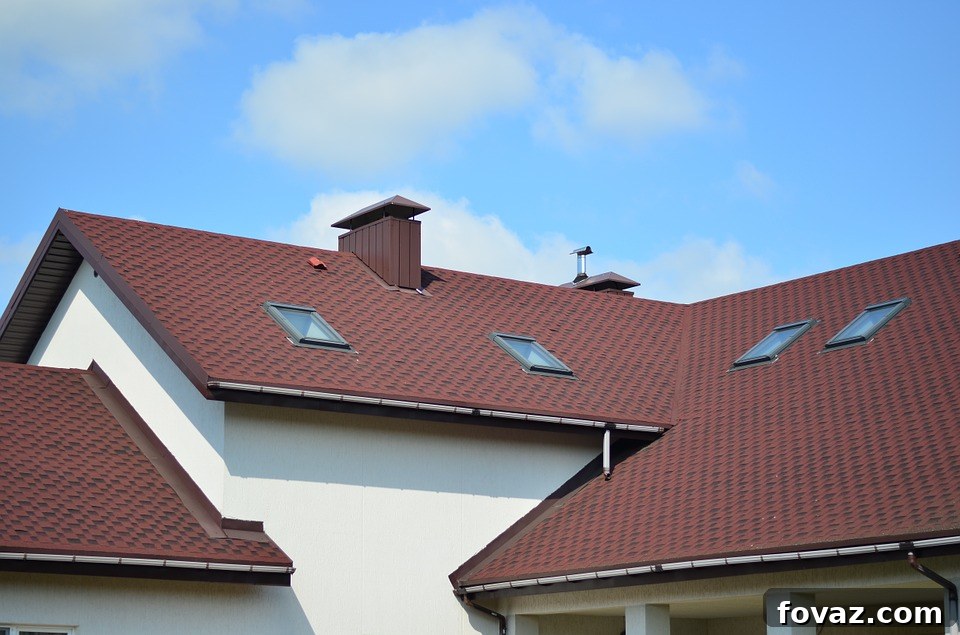
- Curling Shingles: Shingles can curl in two ways: cupping (edges turn upward) or clawing (edges stay flat, but the middle rises). This is a common sign of age, excessive heat from poor attic ventilation, or manufacturing defects. If curling is widespread and shingles are brittle to the touch, it often necessitates a complete tear-off and new roof installation.
- Cracked Shingles: Shingles that are cracked, especially in multiple places, indicate brittleness and loss of flexibility due to age and sun exposure.
- Blistering: Small bubbles or craters on the shingle surface can indicate manufacturing defects or excessive heat buildup.
- Granule Loss: While some granule loss is normal, bald spots where the asphalt is exposed mean the shingle is losing its UV protection and will deteriorate rapidly.
Flashing Inspection
Flashings are crucial metal pieces installed wherever the roof plane meets a vertical surface, such as a chimney, skylight, or wall. They are designed to prevent water intrusion at these vulnerable points. Inspect flashings for:
- Rust or Corrosion: Indicative of aging metal and potential weak points.
- Damage or Bending: Flashings can be bent by wind, impact, or improper installation.
- Loose Caulk or Sealants: Many flashings rely on caulk to seal seams; degraded caulk allows water to penetrate.
- Separation: Ensure flashings are tightly integrated with the shingles and adjacent structures.
Often, localized flashing issues can be repaired by replacing or re-sealing the affected sections without requiring a full roof replacement, especially if the surrounding shingles are in good condition.
Valleys
Roof valleys are formed where two roof planes meet, channeling a significant volume of water during rain or snowmelt. This area is highly susceptible to wear. Look for:
- Cracks or Tears: Especially in older open valleys where the metal lining may have cracked.
- Debris Buildup: Can impede water flow and trap moisture.
- Granule Loss: Accelerated wear due to concentrated water flow.
Vent Pipes and Boots
Vent pipes (for plumbing) and various attic vents protrude through the roof. The “boots” or collars around their bases are typically made of rubber or metal and are common failure points. Inspect these for:
- Cracked or Deteriorated Rubber: UV exposure can cause rubber boots to crack and degrade over time, creating pathways for water.
- Loose or Missing Fasteners: Ensure the boot is securely attached to the roof.
Damaged vent boots are often easily replaceable without the need for a full roof overhaul, making them a common repair item.
When to Call a Professional Roofer
After your thorough DIY inspection, you’ll have a much clearer picture of your roof’s condition. If you’ve identified widespread issues such as extensive shingle curling, significant granule loss across the majority of the roof, large areas of water damage in the attic, or if your roof is simply beyond its expected lifespan, it’s very likely a full replacement is in order. For localized damage, such as a few missing shingles, a single compromised vent boot, or a section of rusty flashing, a repair might be sufficient.
Regardless of your assessment, it’s always wise to consult with at least two or three reputable roofing professionals. They can provide a detailed inspection, offer various solutions, and give you written estimates. Ask for references, check their licensing and insurance, and ensure they provide a clear scope of work for both repair and replacement options. An informed homeowner is a powerful homeowner, capable of making the best decision for their home and their budget.
Preventative Maintenance: Extending Your Roof’s Life
Ultimately, proactive maintenance is your best defense against premature roof failure. Regular tasks such as keeping gutters clean, trimming overhanging tree branches, and periodically checking for minor shingle damage can significantly extend the life of your roof. By staying vigilant and addressing small issues promptly, you can often defer the costly decision of a full roof replacement, ensuring your home remains protected for years to come.