
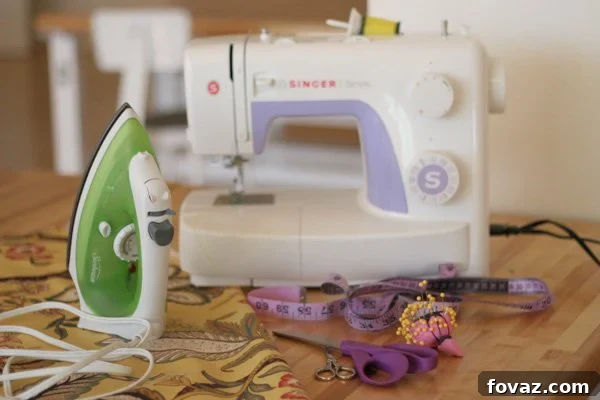
How to Make Curtains | Home Makeover Tutorial
Lesson 6 – Master Fabric Care: Extend the Life of Your Curtains and Pillows
Welcome to Lesson 6 of our comprehensive “How to Make Curtains” online course! Today, we dive deep into an often-overlooked yet critical aspect of home decor: caring for your fabrics. Specifically, we’ll equip you with the knowledge to expertly wash and maintain your beautiful curtains and decorative pillows, ensuring they remain vibrant, fresh, and last for years to come. Understanding proper fabric care isn’t just about cleanliness; it’s about preserving your investment, maintaining a healthy home environment, and truly enjoying the handmade crafts you’ve so diligently created.
Your curtains and pillows, especially those near open windows, pet doors, or high-traffic areas, are magnets for dust, dirt, allergens, and even pet dander. While fabric can cunningly disguise these hidden culprits, neglecting their care is not an option for a truly clean and harmonious home. In this lesson, we’ll walk you through essential techniques, from choosing the right fabric for ease of care to mastering spot treatments and deep cleaning methods. Get ready to transform your approach to home textile maintenance!
Why Proper Fabric Care is Essential for Your Home
The allure of freshly cleaned curtains and plump, pristine pillows extends beyond mere aesthetics. There are several compelling reasons why integrating a robust fabric care routine into your home maintenance is incredibly beneficial:
- Enhanced Aesthetics and Longevity: Regular cleaning prevents dirt and grime from embedding into fibers, which can dull colors and weaken fabric over time. Proper care ensures your curtains retain their vibrancy and shape, extending their lifespan and preserving the beauty of your home decor.
- Improved Indoor Air Quality: Curtains and pillows act as filters, trapping dust, pollen, pet dander, and other airborne allergens. Consistent cleaning removes these particles, significantly contributing to a healthier indoor environment, especially crucial for those with allergies or respiratory sensitivities.
- Odor Elimination: Fabrics can absorb cooking smells, pet odors, and general stale air. Regular washing or airing out keeps your home smelling fresh and inviting, rather than harboring unpleasant scents.
- Hygiene and Sanitation: Decorative pillows, in particular, come into frequent contact with people and pets. Cleaning them regularly eliminates germs and bacteria, promoting better hygiene throughout your living space.
- Preventative Maintenance: Addressing minor stains and dirt buildup early prevents them from becoming permanent fixtures. A proactive approach to fabric care saves you time, effort, and potential replacement costs in the long run.
Understanding Your Fabric: The First Step to Effective Care
Before you even think about water and detergent, the golden rule of fabric care is to know your fabric. Every textile has unique properties and care requirements. Overlooking this crucial step can lead to shrinkage, fading, damage, or even permanent ruin of your beloved items.
Checking Fabric Care Labels
For store-bought items, always consult the care label. These labels provide specific instructions from the manufacturer regarding washing temperature, drying methods, ironing, and whether dry cleaning is recommended. If you’ve made your own curtains or pillows from raw fabric, refer to the fabric bolt’s instructions or the retailer’s care recommendations.
Common Curtain and Pillow Fabric Types and Their Care
- Cotton and Linen: These natural fibers are generally durable and breathable. Most cotton and linen curtains are machine washable in cold or warm water on a gentle cycle. They can be tumble dried on low or air-dried to prevent shrinkage and excessive wrinkling. Always check for pre-shrunk labels.
- Polyester and Synthetics: Polyester blends are known for their durability, wrinkle resistance, and colorfastness. They are typically machine washable in cool water on a gentle cycle and can often be tumble dried on low heat without much issue. Synthetics are great for high-traffic areas and often resist fading.
- Silk: Silk is a delicate natural fiber known for its luxurious sheen. Silk curtains and pillows usually require professional dry cleaning to maintain their integrity and prevent water stains or shrinkage. If hand washing is attempted for small items (always test first!), use cold water and a specialized mild detergent, gently squeeze, and air dry away from direct sunlight.
- Velvet: Velvet can be made from various fibers (cotton, silk, synthetic). Its pile can be easily crushed or marked. Most velvet items are best dry cleaned. For spot cleaning, dab gently with a damp cloth, never rub vigorously.
- Sheer Fabrics (Voile, Lace): These delicate fabrics are prone to snagging and tearing. Hand washing in cool water with a mild detergent is often recommended, or machine washing in a mesh laundry bag on the gentlest cycle. Air dry only.
- Blends: Fabric blends combine the properties of multiple fibers. Always default to the care instructions for the most delicate fiber in the blend.
Preparing Your Curtains and Pillows for Cleaning
Proper preparation is key to a successful and damage-free cleaning process:
- Dust and Debris Removal: Before any wet cleaning, remove loose dust and debris. Gently shake curtains outdoors, or use a vacuum cleaner with a brush attachment to vacuum both sides of the fabric. For pillows, give them a good patting and shaking.
- Remove Hardware: Take down curtains and remove all hooks, rings, weights, or other hardware that could damage the fabric or your washing machine during the cleaning process.
- Pre-Treat Stains: Address any visible stains before washing. Identify the stain type if possible (oil, food, pet, dirt) and use an appropriate pre-treatment product or a DIY solution. Always test the pre-treatment on an inconspicuous area first to ensure it doesn’t cause discoloration or damage.
- Check for Damage: Inspect for any tears, loose seams, or weakened areas. Repair these before washing to prevent them from worsening.
Comprehensive Cleaning Methods for Curtains and Pillows
Depending on your fabric type and personal preference, you have several cleaning options:
1. Machine Washing (When Permitted)
This is the most convenient method for many washable fabrics:
- Load Properly: Do not overload your washing machine. Curtains and pillow covers need room to move freely. Wash similar colors together to prevent dye transfer.
- Water Temperature and Cycle: Use cold or cool water for most fabrics to prevent shrinkage and color fading. Select a gentle or delicate cycle. Hot water should generally be avoided unless specifically recommended on the care label for heavy-duty cotton.
- Detergent Choice: Use a mild, pH-neutral detergent. Avoid harsh chemicals, bleach, or fabric softeners unless you are certain they are safe for your specific fabric. Fabric softeners can sometimes leave a residue on certain materials.
- Use Mesh Bags: For delicate items, sheers, or pillow covers with embellishments, place them in a mesh laundry bag to protect them during the wash cycle.
- Rinse Thoroughly: Ensure all detergent is rinsed out to prevent residue buildup, which can attract dirt and cause stiffness.
2. Hand Washing (For Delicates and Small Items)
Ideal for silk, lace, velvet, or items too fragile for a machine:
- Fill a Basin: Fill a clean sink or tub with cool or lukewarm water.
- Add Mild Detergent: Dissolve a small amount of mild liquid detergent in the water.
- Submerge and Soak: Submerge the fabric gently. Swish it around carefully for a few minutes. Avoid harsh scrubbing or twisting, which can damage fibers.
- Rinse Thoroughly: Drain the soapy water and refill the basin with clean, cool water. Gently press the item to release suds. Repeat rinsing until the water runs clear and all detergent is gone.
- Remove Excess Water: Do not wring or twist. Instead, gently press the fabric against the side of the basin or roll it in a clean, dry towel to absorb excess water.
3. Spot Cleaning (For Minor Stains and Non-Washable Fabrics)
A lifesaver for small spills or fabrics that cannot be fully submerged:
- Act Quickly: The sooner you treat a stain, the higher the chance of complete removal.
- Blot, Don’t Rub: Always blot stains with a clean cloth or paper towel. Rubbing can spread the stain and push it deeper into the fibers.
- Identify the Stain:
- Oil-Based Stains: Sprinkle cornstarch, baking soda, or talcum powder to absorb oil. Let it sit for 15-30 minutes, then gently brush off. Follow with a mild detergent solution.
- Water-Based Stains (Food, Drink): Dab with a cloth dampened with a mild soap and water solution. For tougher stains, a diluted white vinegar solution can work, but always test first.
- Pet Stains: Use an enzymatic cleaner specifically designed for pet odors and stains.
- Test First: Always test any cleaning solution on an inconspicuous area of the fabric to ensure it doesn’t cause discoloration or damage.
- Work from Outside In: When cleaning a stain, work from the outer edges towards the center to prevent the stain from spreading.
- Rinse (Blot) Thoroughly: After treatment, use a clean cloth dampened with plain water to blot the treated area and remove any cleaning solution residue.
4. Dry Cleaning (For Delicate, Structured, or Expensive Fabrics)
Some fabrics, like silk, velvet, lined curtains, or those with intricate embellishments, are best left to professional dry cleaners. Dry cleaning uses solvents instead of water, minimizing the risk of shrinkage, color bleeding, or fabric distortion. Always follow the care label if it specifies “Dry Clean Only.”
Drying and Finishing Your Fabrics
The drying process is just as important as washing to maintain the shape and appearance of your curtains and pillows:
- Air Drying: This is generally the safest method for most fabrics, especially natural fibers and delicates. Hang curtains evenly on a clothesline or shower rod to dry, avoiding direct sunlight which can cause fading. Ensure good air circulation. Lay pillow covers flat to dry.
- Tumble Drying (Low Heat): For machine-washable fabrics like cotton, linen, and synthetics, use a low heat or air-fluff setting. Remove items while they are still slightly damp to prevent over-drying, wrinkles, and static.
- Avoid Over-Drying: Over-drying can cause shrinkage, set wrinkles, and damage fibers.
- Ironing/Steaming: Once dry, iron or steam your curtains and pillow covers on the appropriate heat setting for the fabric type. Ironing when slightly damp can make the process easier. Use a pressing cloth for delicate fabrics or those prone to scorching (like silk).
Ongoing Maintenance Between Washes
Regular, light maintenance can significantly extend the time between deep cleans:
- Daily Shakes: Give your curtains a gentle shake daily to dislodge dust. Fluff pillows regularly to maintain their shape.
- Weekly Vacuuming: Use a brush attachment on your vacuum cleaner to lightly vacuum curtains, especially the top and bottom edges where dust accumulates.
- Airing Out: Open windows periodically to air out rooms and refresh fabrics.
- Sunlight Exposure (Controlled): While direct, prolonged sunlight causes fading, occasional, brief exposure to fresh air and indirect sunlight can help naturally sanitize and freshen fabrics.
DIY Projects’ Commitment to Your Handmade Home
This “How to Care For Your Fabric” lesson is just one part of our free Home Makeover Tutorials package, designed to empower you with the skills to fill your home with amazing handmade DIY crafts. We believe in the power of sewing and creative projects to transform your living space into a personalized, stylish haven that truly reflects you. Imagine coming home to a space where every detail, including beautifully maintained curtains and pillows, brings you joy and the proud feeling of “I made this.”
Here at DIY Projects, we thrive on inspiring dreams and fostering craftiness in all aspects of life. Don’t miss out on more fantastic tutorials in our “How to Make Curtains” series! Continue your journey with us and unlock endless possibilities for your home.
CLICK HERE to See What’s Next! >>
<< CLICK HERE to go back to the Table of Contents
Stay connected with us on social media for daily doses of inspiration, new sewing patterns, and brilliant DIY ideas! Join our vibrant community on Facebook, Pinterest, Instagram, and Twitter. Let’s make something amazing together!