
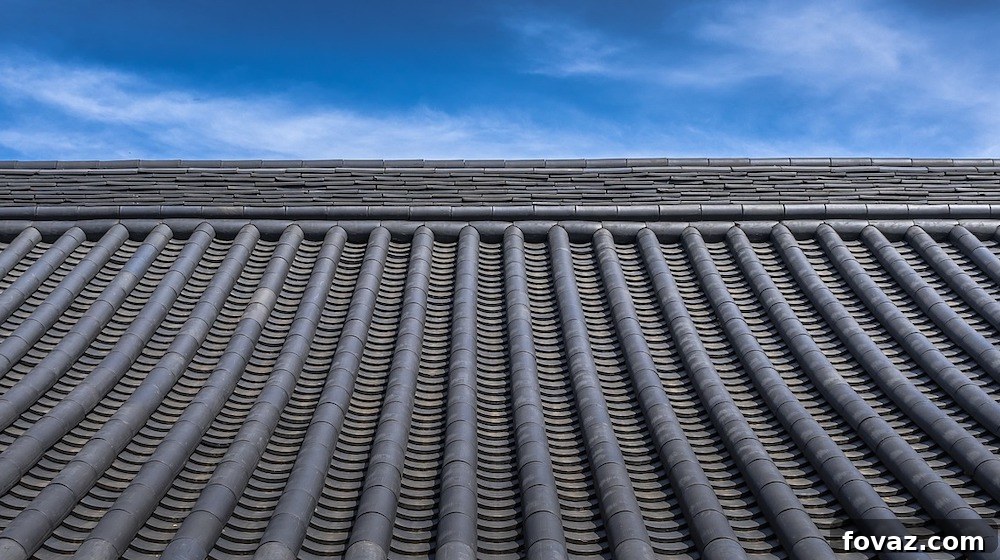
Embarking on a DIY roof repair or maintenance project can be incredibly rewarding, especially when you have a clear understanding of the best roofing materials available for your home’s unique needs and architectural style. Your roof is more than just a cover; it’s a critical protective barrier and a significant long-term investment in your property. Making an informed decision about materials ensures longevity, aesthetic appeal, and optimal performance. Let’s explore the diverse range of roofing options to help you select the perfect fit for your next home improvement endeavor.
Mastering DIY Roof Repair: Choosing the Right Material for Your Home
Before diving into a DIY roof repair, understanding the vast array of roofing materials and their specific characteristics is paramount. A roof is widely regarded as one of the most substantial investments a homeowner makes, dictating your home’s energy efficiency, curb appeal, and overall structural integrity for decades to come. Selecting a material that aligns with your climate, budget, desired lifespan, and aesthetic preferences is key to a successful and satisfying project. This comprehensive guide will walk you through the pros and cons of popular roofing choices, empowering you to make the smartest decision for your DIY venture.
1. Slate Roofing: Timeless Elegance and Unmatched Durability
The Pros: For homeowners seeking unparalleled durability and an undeniable touch of classic elegance, natural slate roofing stands in a league of its own. This dark gray, fine-grained metamorphic rock is renowned for its exceptional longevity, often outliving the homes it protects by serving multiple generations. Ancestral homes, historic properties, or those aiming for a sophisticated, enduring aesthetic benefit immensely from slate roofs, which can last anywhere from 75 to an astonishing 200 years with proper installation and care. Beyond its aesthetic appeal, slate is inherently fire-resistant, providing an extra layer of safety. Its natural properties also make it resistant to rot, insects, and harsh weather conditions, ensuring a robust and low-maintenance exterior over its extensive lifespan.
The Cons: The primary deterrent for many homeowners considering slate is its significant upfront cost. Averaging between $600 to $1000 per 100 square feet, the initial investment is substantially higher than most other roofing materials. Furthermore, the sheer weight of slate—which can be several times heavier than asphalt shingles—demands a robust underlying roof structure to support it, potentially requiring costly structural reinforcements. Installation is another critical factor; slate is fragile and requires specialized skills and meticulous handling to prevent breakage, making it a less suitable option for most DIY enthusiasts and increasing labor costs considerably. While durable, individual tiles can chip or crack if walked on improperly, necessitating professional repair.
2. Concrete Tile Roofing: Resilient, Versatile, and Cost-Effective
The Pros: Concrete roof tiles offer a fantastic blend of resilience, aesthetic versatility, and affordability, making them a popular choice for many homeowners. Their main advantage lies in their exceptional ability to withstand a wide range of severe weather conditions, from high winds and heavy rains to hail and extreme temperatures. Concrete tiles are non-combustible, providing excellent fire resistance, and are also resistant to rot and insect damage. One of their most appealing features is their adaptability; concrete tiles can be manufactured to mimic the appearance of other more expensive materials like clay, slate, or wood shakes, offering a luxurious look at a fraction of the cost. Priced affordably at approximately $150-250 per 100 square feet, they present a budget-friendly yet durable option for those looking to maximize value. Their thermal mass properties can also contribute to better insulation, potentially reducing energy costs.
The Cons: Similar to slate and clay, the substantial weight of concrete tiles is a significant consideration. Before selecting this material, it’s crucial to have a structural engineer assess your home’s framing to ensure it can adequately support the load, which might involve additional reinforcement expenses. Another key disadvantage is their dependency on a quality sealant. While concrete itself is durable, the porous nature of unsealed concrete can lead to moisture absorption, which, if not properly addressed, can cause water penetration, mold growth, and degradation over time. Regular inspection and reapplication of sealant are necessary maintenance tasks to ensure the roof remains watertight. Walking on concrete tiles also requires care to avoid breakage, making DIY maintenance tasks like gutter cleaning slightly more challenging.
3. Clay Tile Roofing: Classic Beauty and Excellent Thermal Performance
The Pros: Clay roof tiles evoke a timeless, often Mediterranean or Spanish architectural charm, providing a distinctive aesthetic that significantly enhances curb appeal. Beyond their beauty, clay tiles are incredibly practical, particularly in warmer climates. They are renowned for their ability to resist strong hurricane-force winds and are naturally resistant to mold, mildew, and rot, which are common concerns for many roofing materials. A major benefit of clay tiles is their excellent thermal mass and reflective properties; they reflect the sun’s rays away from the home, which significantly reduces heat absorption. This can lead to noticeably lower cooling costs during hot months, contributing to a more energy-efficient home. Their long lifespan, often exceeding 50-100 years, makes them a wise long-term investment, and they are also naturally fire-resistant.
The Cons: Like slate and concrete, the considerable weight of clay tiles requires a robust structural framework, which might necessitate costly upgrades to your existing roof structure. Installation is specialized and typically more expensive than asphalt shingles. Maintenance can also be a unique challenge: while the tiles themselves are durable, the underlayment beneath them usually requires replacement every 10-20 years, a process that can be labor-intensive and costly. Furthermore, clay tiles are brittle and prone to breakage if walked on improperly. This makes routine tasks such as cleaning gutters, inspecting chimneys, or performing other roof maintenance activities a delicate operation, often requiring the expertise of professionals who know how to navigate the roof without causing damage.
4. Metal Roofing: Modern Durability and Energy Efficiency
The Pros: Metal roofing has evolved far beyond the simple, utilitarian tin roofs of the past. Today’s metal roofs are sophisticated, durable, and come in a wide array of styles, colors, and finishes, including standing seam, corrugated, and modular press-formed panels that can mimic shingles, shakes, or tiles. Available in materials like aluminum, steel (often galvanized or galvalume for corrosion resistance), copper, and zinc, metal roofs are exceptionally resistant to virtually all types of weather, including heavy snow, hail, high winds, and wildfires. They are inherently watertight, fireproof, and when properly coated, are rust-proof. Their lightweight nature compared to tile or slate means less structural strain on your home. Moreover, metal roofs are increasingly popular for their energy efficiency, often featuring “cool roof” coatings that reflect solar radiation, significantly reducing attic temperatures and subsequently lowering cooling costs. With a lifespan of 40-70 years, they offer excellent value and are often made from recycled materials, making them an environmentally friendly choice.
The Cons: One common concern with metal roofing, particularly during heavy rain showers, is the noise. While modern installation techniques and insulation can significantly mitigate this, some homeowners might still find it irritating. Installing sound-deadening insulation underneath the panels can effectively address this issue. Another potential disadvantage is that metal roofs can be very slippery, especially when wet or icy, posing a safety hazard during maintenance. Opting for textured finishes or installing snow guards can help improve traction and prevent accidents. Dents from severe hail or falling debris are also a possibility, though the extent of damage depends on the metal gauge and type. While long-lasting, the initial installation cost for metal roofing can be higher than asphalt shingles, although its extended lifespan and lower maintenance often offset this over time.
5. Wood Shake Roofing: Natural Beauty and Rustic Charm
The Pros: For homeowners seeking to enhance their home’s curb appeal with a touch of natural elegance and rustic charm, wood shake roofing is an excellent choice. This environmentally friendly roofing material earns high marks for its sustainable sourcing, as it is made from natural and renewable resources, typically cedar, redwood, or cypress. Wood shakes are known for their distinct, textured appearance, which can add significant character and warmth to a home’s exterior, making it stand out in any neighborhood. They are also incredibly versatile, complementing a wide range of architectural styles from traditional to contemporary. Beyond aesthetics, wood shakes offer natural insulation properties, helping to regulate indoor temperatures. With proper care, they can provide a durable roof lasting 20-40 years, weathering beautifully over time.
The Cons: The natural beauty of wood shakes comes with specific maintenance requirements. Unlike synthetic materials, wood is susceptible to mold, mildew, moss, and fungal growth over time, especially in damp or shaded environments. Regular cleaning, treatment with preservatives, and inspections are crucial to prevent degradation and extend their lifespan, which can add to long-term costs. Fire resistance is another significant concern; untreated wood shakes are highly flammable, and many local building codes now require fire-retardant treatments or prohibit their use entirely. Ensuring compliance with local regulations and investing in treated shakes is essential. Furthermore, wood shakes can warp, split, or curl due to exposure to the elements, potentially leading to leaks if not addressed promptly. While visually appealing, the upkeep demands a commitment to regular care.
Make your home cleaner and safer by learning a couple of maintenance tips fit for spring! 🏡 https://t.co/aHvhVjIIRV pic.twitter.com/8xhWJbEGKy
— DIY Projects (@DIYProjectsCom) March 25, 2017
6. Asphalt Shingle Roofing: The Popular and Practical Choice
The Pros: Asphalt shingles remain the most popular roofing material in North America, and for good reason. Their incredibly low cost, ease of installation, and widespread availability make them an attractive option for budget-conscious homeowners and DIY enthusiasts alike. Asphalt shingles are relatively lightweight, placing minimal stress on the roof structure, and are simple to cut and fasten, making the DIY repair process straightforward. The market offers a vast array of choices, including different colors, styles, and performance levels. Modern asphalt shingles can incorporate advanced features like reflective granules that help reduce heat absorption, contributing to a cooler home during the summer months and potentially lowering energy bills. They provide adequate protection against various weather conditions and are readily available from almost any home improvement store, offering immediate solutions for repairs or replacements.
The Cons: While cheap and easy to install, asphalt shingles unfortunately have the shortest lifespan among the common roofing materials, typically lasting between 15-30 years, depending on climate, quality, and maintenance. This shorter lifespan means homeowners must factor in more frequent replacements and associated costs over the lifetime of their home. Beyond this, asphalt shingles are primarily petroleum-based, often incorporating fiberglass mats. This composition makes them less environmentally friendly compared to natural materials or those made with recycled content, both in terms of manufacturing and end-of-life disposal. They are also more susceptible to damage from extreme weather events like strong winds (which can lift and tear shingles), severe hail (which can cause granule loss), and prolonged exposure to intense UV radiation, which accelerates degradation. In very hot climates, they can also contribute to urban heat island effects if not specifically designed as “cool roof” shingles.
7. Architectural Shingle Roofing: Enhanced Aesthetics and Durability
The Pros: If you’re looking to elevate the aesthetic appeal and performance of your roof without the significant investment required for slate or tile, architectural shingles (also known as dimensional or laminated shingles) are an outstanding option. These premium asphalt shingles are constructed with multiple layers of material bonded together, creating a thicker, more robust product with a distinct, three-dimensional appearance. This layered design allows them to emulate the look of natural wood shakes or slate tiles, offering a sophisticated and unique roof with varied shapes and sizes. Architectural shingles significantly boost a home’s resell value as they tend to make houses look more upscale and well-maintained. Their heavier, more robust construction provides superior wind resistance and a longer lifespan compared to traditional 3-tab asphalt shingles, often lasting 30-50 years. They also typically come with longer warranties, offering greater peace of mind.
The Cons: The enhanced durability and aesthetic appeal of architectural shingles do come with a higher price tag compared to standard 3-tab asphalt shingles. While more affordable than genuine slate or tile, they are generally 25-50% more expensive than their basic asphalt counterparts. Their increased weight, while contributing to durability, can also be a minor consideration, though typically not to the extent of needing structural reinforcement like slate or concrete. The installation process is similar to that of regular asphalt shingles but might require a bit more precision due to their interlocking design. However, given their superior lifespan and improved resistance to severe weather, the initial higher cost is often justified by reduced replacement frequency and enhanced curb appeal over the long run, making them a wise investment for many homeowners.
Need to replace missing shingles from your asphalt roofing? Press play for a step-by-step guide:
Making the Right Choice for Your DIY Roof Repair
Choosing the ideal roofing material for your DIY repair or replacement project involves balancing several critical factors: your budget, local climate, your home’s architectural style, local building codes, and your personal DIY skill level. While affordability and ease of installation might steer you towards asphalt shingles, considering the long-term costs of maintenance, replacement frequency, and energy efficiency can reveal the true value of more durable, albeit initially costlier, options like metal or architectural shingles. Always prioritize safety in any DIY roofing project, and don’t hesitate to consult with a professional if you encounter complex issues or feel uncertain about any step. Understanding the pros and cons of each material is the first and most crucial step in ensuring your roof provides optimal protection and beauty for years to come.
We hope this comprehensive guide has equipped you with the knowledge needed to make a well-informed decision about your roofing material. Being a stickler for details and savings ourselves, we firmly believe that understanding all the nuances, pros, and cons of each household investment empowers you to choose the best option tailored to your specific needs and circumstances.
Which roofing material are you leaning toward for your DIY roof repair or replacement? Share your thoughts and experiences in the comments below!
Thinking about installing a green roof? Here’s what you should read up on first!
Stay connected with us on Facebook, Twitter, Pinterest, and Instagram!Editor’s Note – This post was originally published in January 2016 and has been updated for quality and relevancy.