
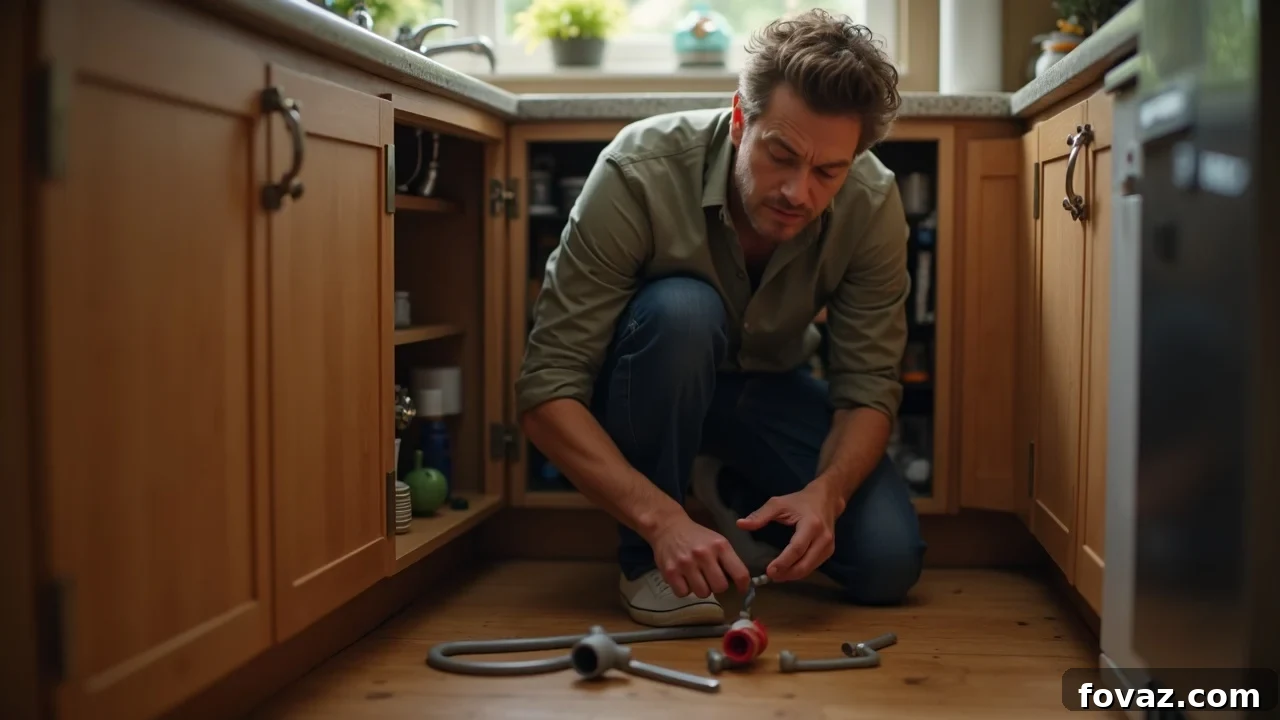
You’re three hours into the job, the shutoff valve sits in a bag on the counter, and water is where it shouldn’t be. Between the YouTube tutorial and the second trip to the hardware store, this DIY repair suddenly looks like a costly mistake. If that sounds familiar, this guide is for you. One survey found 35% of homeowners have hired a pro to complete or correct a DIY project. Right now the priority is to understand likely costs and how serious the situation truly is.
This article provides real cost ranges by job type, explains which tasks are reasonable for a homeowner and which require a licensed professional, and offers practical steps for finding a local pro who can finish the job without judgment.
What Does a Plumber Actually Cost?
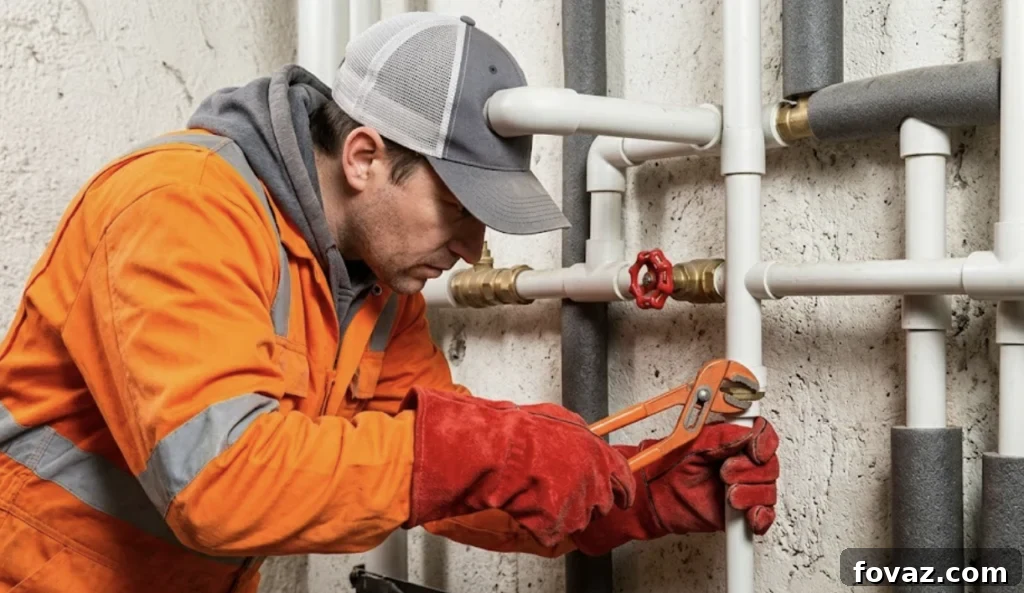
Costs vary, but useful ranges make planning easier. Here are typical labor-only numbers for common fixture-level jobs: faucet installation $100–$250, shutoff valve replacement $75–$175, drain repair $100–$250. These assume straightforward work with no hidden issues.
Three tiers cover most homeowner situations:
- Minimum ($75–$150): One simple fixture swap, about an hour of labor in a rural or lower-cost market. Example: replacing an easily accessible faucet with no corroded fittings.
- Mid ($150–$350): Multi-step repairs, partial DIY handoffs, or suburban market pricing. This covers most standard jobs, including when you started the job and need a pro to finish it.
- Quality ($300–$600+): Emergency or after-hours service, complex scope, or work that expanded after opening a wall. Typical in urban markets or when secondary damage is discovered.
What Is a Fair Hourly Rate?
Standard hourly rates typically run $75–$200 in most U.S. markets; emergency and after-hours rates are often $150–$400. That emergency multiplier is why asking whether a problem can wait until normal business hours is a legitimate financial decision.
Expect parts markups of roughly 20%–50% above wholesale; this is common industry practice. If a $40 part from the hardware store appears as $55–$60 on your invoice, ask whether the quote covers labor only or includes materials.
Regional differences are the largest factor. A $200 hourly rate is normal in high-cost cities; the same rate is high in lower-cost rural markets. Get at least three quotes once you define the scope: scope first, then price.
Is $200 an Hour Too Much?
Not necessarily. That hourly rate includes more than the plumber’s time: licensing and continuing education, liability insurance and workers’ comp, maintained truck inventory, and travel time. A licensed, insured plumber charging $200 per hour on a weekday in a mid-size city can be reasonable. If someone quoting that rate can’t provide a license number, walk away. Gathering three local quotes will show whether a rate is fair in your market.
When to Hire a Pro
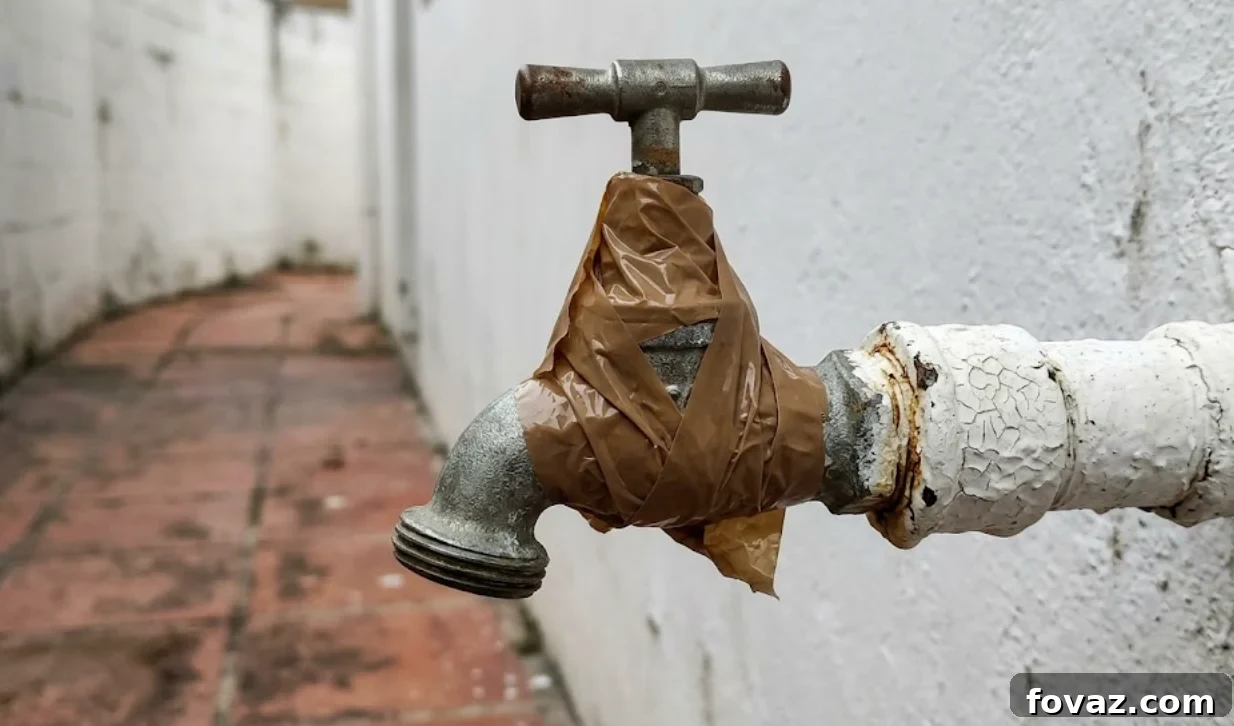
Homeowners often underestimate the stress of plumbing problems and second-guess every decision. The two main issues that turn a manageable repair into a serious problem are both about what you can’t see.
Failure Mode 1: Supply Line Fails Under Pressure
A braided supply line that’s even slightly loose can start as a slow weep, then worsen. Water travels into cabinet floors, subfloors, and wall cavities. Under the right conditions, mold can begin within 48 hours and remain unseen for weeks. If a connection is in doubt, stop and call a plumber before you close cabinets or continue testing.
Failure Mode 2: Improper Drain or Vent Connection
Wrong drain connections cause gurgling and persistent slow drainage; incorrect venting can allow sewer gas into the house. Sewer gas is a health risk at higher concentrations and usually violates permits. Drain and vent work should always be handled by a licensed pro.
Where to Draw the Line
DIY zone: accessible shutoff valves, supply lines, faucet swaps, and showerhead replacements. Pro zone: anything behind walls, main line connections, drain and vent work, gas water heaters, and tasks requiring permits. Unlicensed work on waste or vent systems can jeopardize insurance claims. A modest service call now is often far cheaper than a denied insurance claim or large remediation later.
Can a Plumber Fix What I Started?
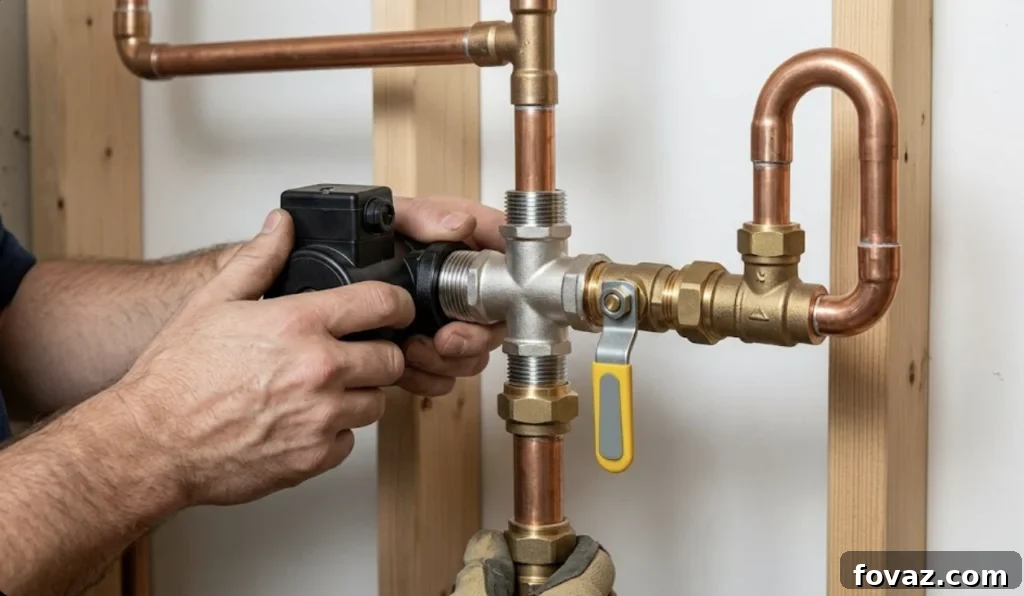
Yes. Many plumbers regularly finish jobs that homeowners started. Your partial work often provides useful information: where the shutoff is, which line is hot or cold, and what parts were problematic. A licensed plumber picks up from that point and usually won’t need to start from scratch.
When you call, tell the plumber:
- What you were trying to do (replace a faucet, swap a shutoff, fix a supply line)
- What you actually did (parts removed, connections made or broken, whether water is on or off)
- What you’re seeing now (drips, puddles, or uncertain connections)
- Whether original parts and replacement parts are on the counter
A pro who acts like they’ve never seen a mid-project call may be inexperienced or the wrong fit. Look for plumbers who advertise that they accept handoff jobs or “project rescue” work.
How to Find a Good Local Plumber
Get at least three quotes for any job over $300. One quote is a guess; three quotes provide a reliable sense of market rates. Define the scope before asking for prices, then request quotes based on that defined scope.
Ask these questions before you book:
- Are you licensed in this state? Request the license number and verify it with your state contractor licensing board.
- Can you show proof of liability insurance and workers’ comp? Both should be provided without hesitation.
- Have you done project-rescue work before? If they accept mid-repair handoffs, they’re a better fit for your situation.
- Do you pull permits when required? A professional who skips permits saves themselves time at your expense and creates risk for you.
Common Mistakes That Make the Problem Bigger
- Waiting for it to fix itself: Slow leaks worsen over time, causing rot and mold. A small service call now can prevent large remediation costs later.
- Accepting one quote: Get multiple estimates to understand true market pricing; variance can be large.
- Not telling the plumber what you already did: Hiding partial attempts can lead to misdiagnosis. Share all details.
- Hiring unlicensed help to save money: Short-term savings can lead to long-term risks, including denied insurance claims.
- Assuming emergency rates apply: Emergency pricing is for urgent situations like active flooding. If it can wait until business hours, you can usually save significantly.
- Finishing cosmetic work before confirming the plumbing: Don’t tile over damp walls or reinstall softened cabinet bases. Confirm the plumbing is stable first.
The Bottom Line
Turn off the water if you haven’t already and check under the cabinet for moisture now. If a connection looks or feels uncertain, avoid running water and leave it in its current state.
Call a professional. Most residential plumbing repairs land in the $150–$350 range; even higher emergency costs are usually less damaging than unchecked water intrusion. The fastest way to limit cost and damage after a DIY misstep is to call before the situation grows.
Look for plumbers who accept mid-project handoffs—these professionals expect to be called during repairs and won’t judge how you got here.