
The Ultimate Guide to BBQ Grill Fuels: Choosing Your Perfect Outdoor Cooking Partner
Every barbecue enthusiast understands that the magic of a perfectly grilled meal extends far beyond the ingredients themselves; it begins with the fuel. The choice of fuel for your backyard grill isn’t just a minor detail; it’s a fundamental decision that profoundly impacts the flavor, texture, and overall enjoyment of your culinary creations. Whether you’re a seasoned grill master or just starting your journey into the world of outdoor cooking, understanding the nuances of different fuel types is key to unlocking exceptional results. If you’ve ever pondered which fuel will elevate your grilling game, you’ve come to the right place. We’ve compiled an extensive breakdown of the most popular barbecue fuels, exploring their unique characteristics, benefits, and drawbacks to help you make an informed decision and become the hero of your next cookout.
Unveiling the Heart of Your Grill: A Deep Dive into BBQ Fuel Types
Who doesn’t cherish the thought of a delicious barbecue? As the warmer months beckon, the allure of cooking over an open flame becomes irresistible. From classic hamburgers and sizzling hot dogs to gourmet kebabs and slow-smoked briskets, the possibilities are endless. Yet, the method by which you infuse that irresistible smoky char or tender perfection is largely determined by your fuel choice. Should it be the clean burn of propane, the sustained heat of natural gas, the classic taste of charcoal, the unique aroma of wood pellets, or the modern convenience of electric power? This age-old question has sparked countless debates among grillers. To help you navigate this flavorful dilemma, let’s explore the distinct advantages and considerations of each primary fuel type.
1. Propane Gas: The Convenient Griller’s Choice
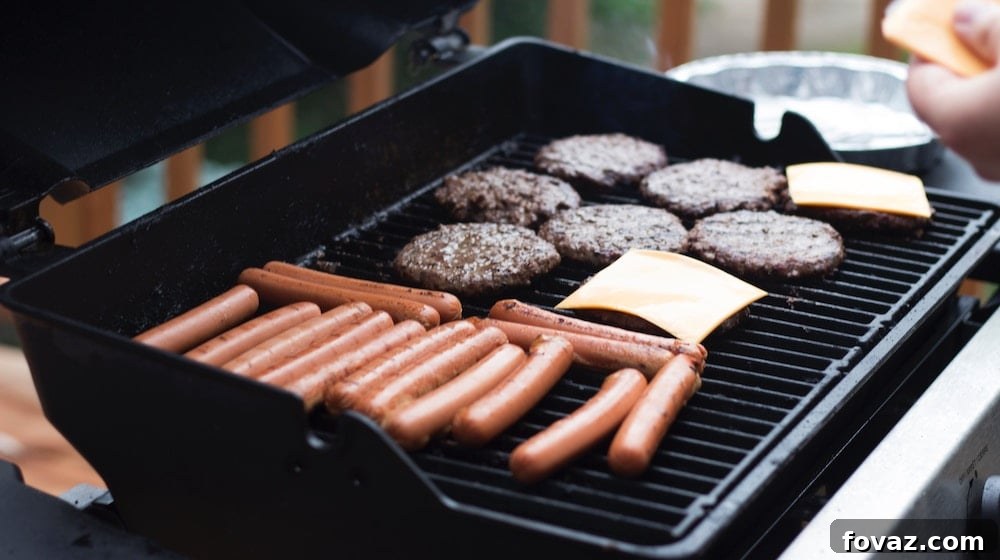
Propane stands as a reigning champion in the world of backyard grilling, and for good reason. Its widespread popularity stems from its unparalleled convenience and ease of use, making it the go-to option for countless home chefs. Propane grills ignite quickly, allowing you to go from zero to sizzling in a matter of minutes, an undeniable advantage for impromptu weeknight dinners or busy weekend gatherings. This fuel burns effectively clean, producing minimal smoke and soot, which means less mess and a purer grilling experience compared to solid fuels. It also delivers consistent, controllable heat, giving you the versatility to cook a wide range of foods, from delicate fish to thick steaks, with precision.
The primary advantages of propane include its rapid start-up time and excellent temperature control. A simple turn of a knob allows you to adjust the heat precisely, ensuring even cooking and preventing hot spots. Propane tanks are readily available at most grocery stores, gas stations, and hardware stores, making refills or exchanges a breeze. Furthermore, grilling with propane eliminates the need for messy ash cleanup, saving you valuable time and effort after a delicious meal. It’s a clean and efficient option, perfect for those who prioritize a hassle-free grilling experience and consistent results.
However, propane grilling does come with its trade-offs. While convenient, propane doesn’t naturally impart the distinctive smoky flavor that charcoal or wood fuels provide. Achieving a smoky taste often requires additional accessories like smoker boxes with wood chips. Tank management is another consideration; you’ll need to monitor fuel levels and ensure you have a spare tank on hand to avoid running out mid-cook. Safety is also paramount, as propane tanks must be stored and handled correctly to prevent hazards. Despite these minor drawbacks, for those seeking a balance of efficiency, control, and minimal fuss, propane remains an outstanding choice for everyday grilling.
2. Natural Gas: The Eco-Friendly, Unlimited Supply
While propane may be the more common gas grilling option, natural gas offers a compelling alternative for those seeking an integrated and uninterrupted grilling experience. The main difference lies in its delivery: natural gas grills connect directly to your home’s gas line, eliminating the need for tanks entirely. Once the initial setup is complete – which often requires professional installation – you unlock an almost unlimited supply of fuel, providing unmatched convenience and peace of mind. You’ll never have to worry about running out of gas in the middle of a cookout, nor will you deal with the hassle of tank refills or exchanges.
One of the most significant advantages of natural gas is its extremely clean burn. Methane, the primary component of natural gas, combusts very efficiently, producing fewer pollutants and significantly less smoke compared to propane or solid fuels. This makes it an environmentally friendlier option for your outdoor cooking endeavors. From an economic perspective, natural gas is often less expensive than propane in many regions, and its consistent supply means predictable long-term operating costs without the fluctuating prices of bottled gas. For frequent grillers, the cost savings over time can be substantial, making the initial installation investment well worth it.
The main hurdles with natural gas grilling are the initial installation complexities and lack of portability. Connecting to a home gas line is a permanent fixture, meaning your grill will be tethered to a specific location in your yard or patio. This isn’t ideal for those who prefer to move their grill around or take it on camping trips. The upfront cost for professional installation, including running a gas line and purchasing a compatible grill, can also be higher than a standard propane setup. Nevertheless, for homeowners designing a permanent outdoor kitchen or those who grill regularly and prioritize an endless, clean, and cost-effective fuel source, natural gas offers a sophisticated and convenient solution.
3. Charcoal: For the Authentic Smoky Flavor Seeker
For many grilling purists, charcoal isn’t just a fuel; it’s an essential ingredient. While undeniably less convenient than gas grilling, the allure of charcoal lies in its ability to impart an unparalleled, deep, and complex smoky flavor to food that gas grills simply cannot replicate without assistance. The intense, radiant heat produced by charcoal sears meats beautifully, creating that coveted crust while locking in juices, resulting in a distinctively tender and flavorful outcome. The signature smoky taste is a hallmark of traditional barbecue, making charcoal the go-to for those chasing authentic outdoor cooking experiences.
Charcoal grilling also offers a unique versatility. It allows for both direct searing over high heat and indirect cooking for slow roasts or smoking, offering a broader range of cooking techniques than many gas grills. There are generally two main types of charcoal: lump charcoal and briquettes. Lump charcoal is made from pure carbonized wood, burning hotter and cleaner with less ash. It lights quickly and responds well to airflow adjustments, making it a favorite among experienced grillers for its natural properties. Charcoal briquettes, on the other hand, are compressed sawdust and other binders, offering a more uniform shape and consistent burn time, often preferred for longer, more stable cooking sessions. The choice between them often comes down to personal preference for control versus consistency.
The primary drawbacks of charcoal include a longer start-up time, as it takes effort to arrange and light the coals to achieve the desired temperature. Temperature control, while achievable, requires more skill and practice than simply turning a knob. Furthermore, charcoal grilling is inherently messier, producing ash that needs to be properly disposed of after each use. While the initial cost of charcoal bags can seem inexpensive, the ongoing consumption might make it less cost-effective over time compared to natural gas, depending on local prices and grilling frequency. However, its portability is a significant advantage; a simple, inexpensive brick grill or a portable kettle grill is all you need, making it perfect for camping, picnics, or tailgating adventures. For those who prioritize flavor above all else and enjoy the ritual of traditional barbecue, charcoal remains the undeniable choice.
4. BBQ Wood Pellets: The Flavor Infusion Innovator
In recent years, barbecue wood pellets have surged in popularity, carving out a niche for themselves as a sophisticated and versatile grilling fuel. These pellets are essentially compressed hardwood sawdust, available in a wide array of wood types, each imparting a distinct flavor profile to your food. Unlike traditional charcoal or gas grills, wood pellets require a specialized piece of equipment: a pellet grill. These technologically advanced grills feed pellets into a firepot via an auger system, precisely controlling temperature and smoke output. While the initial investment in a pellet grill can be significant, and repairs might be more complex due to their specialized components, the benefits for flavor and convenience are substantial.
The major draw of wood pellets is the incredible range and depth of flavor they can impart. From the robust notes of hickory and mesquite to the sweeter, fruitier undertones of apple and cherry, wood pellets allow you to fine-tune the smoky essence of your dishes. Pellet grills excel at “set it and forget it” cooking, as their digital controllers maintain precise temperatures, making them ideal for low-and-slow smoking of briskets, ribs, and pulled pork. They also offer multi-functional capabilities, allowing you to grill, smoke, roast, bake, and even braise, all within one unit. Achieving a desirable smoke ring and consistently tender results becomes significantly easier with a pellet grill.
Despite their innovative features, wood pellets have a few considerations. The dependence on a specialized grill means a higher upfront cost, and the grills themselves require electricity to operate their auger, fan, and control panel. This limits their use in remote areas without a power source. While versatile, some pellet grills may not achieve the intense searing temperatures that charcoal or high-end gas grills can. The pellets themselves can also be more expensive than charcoal or propane on a per-cook basis, depending on the brand and wood type. Nevertheless, for enthusiasts who prioritize exceptional flavor, precise temperature control, and automated convenience for smoking and grilling, wood pellets and their accompanying grills offer a modern and rewarding barbecue experience.
5. Electrically Powered Heat: The Urban Griller’s Solution
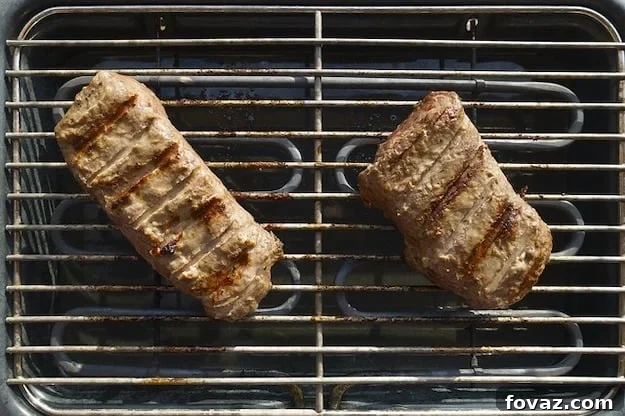
Electric grills have been a fixture in the grilling landscape for some time, offering a distinct alternative to combustion-based cooking. Operating without gas or charcoal, these grills simply plug into an electrical outlet, utilizing heating elements to cook food. They effectively mimic the function of a frying pan with grill grates, making them incredibly straightforward to use. While the taste of food cooked on an electric grill is undeniably different from the smoky char achieved with gas or charcoal – lacking the traditional “grilled” flavor imparted by combustion – they present a compelling solution for specific grilling needs.
The advantages of electric grills are numerous, especially for those with limited space or specific restrictions. They produce no open flames, smoke, or harmful fumes, making them perfectly suited for indoor use, apartments, balconies, or areas where gas and charcoal grills are prohibited. Their portability is another key benefit; many models are compact and lightweight, easily moved and stored. Temperature control on electric grills is often highly precise and effortless; a simple dial or button allows you to achieve and maintain the desired heat instantly, ensuring consistent cooking results. Furthermore, most modern electric grills come with non-stick surfaces, drastically simplifying the cleanup process, which is often a major chore with other grill types.
However, the lack of authentic smoky flavor is the primary drawback for traditional barbecue aficionados. Electric grills won’t give you that distinctive char or smoke ring associated with combustion cooking. While they can sear, the intensity and quality of the sear might not match that of a high-heat charcoal or gas grill. They also rely entirely on an electrical outlet, limiting their use in remote outdoor settings unless a power source is available. Despite these limitations, for urban dwellers, individuals living in apartments, health-conscious grillers avoiding smoke, or those prioritizing ultimate convenience and easy cleanup above traditional barbecue flavor, electric grills offer a clean, efficient, and accessible pathway to delicious grilled meals, any time of year.
Making Your Choice: Factors to Consider When Selecting Your BBQ Fuel
With a comprehensive understanding of each fuel type, the next step is to align these options with your personal grilling style, preferences, and practical considerations. Choosing the “best” barbecue fuel isn’t about finding a universally superior option, but rather identifying the one that best suits your individual needs and enhances your outdoor cooking experience. Here are some key factors to weigh when making your decision:
Flavor Profile: What Taste Are You Chasing?
- Charcoal & Wood Pellets: These are the undisputed champions for imparting a rich, smoky, and authentic barbecue flavor. Different wood types in pellets offer varied aromatic notes.
- Propane & Natural Gas: Offer a cleaner taste, excellent for showcasing the natural flavors of the food. Smoky flavor requires external accessories.
- Electric: Delivers a clean, pan-fried taste, largely devoid of traditional smoky notes.
Convenience & Ease of Use: How Much Effort Do You Want?
- Propane & Electric: Quick to start, easy temperature control, minimal cleanup (especially electric). Ideal for fast meals.
- Natural Gas: Ultimate convenience once installed, infinite fuel supply, but requires fixed setup.
- Charcoal: Requires more time for lighting, temperature management, and ash cleanup. It’s a more involved process.
- Wood Pellets: “Set it and forget it” once programmed, but involves loading pellets and relies on electricity.
Cost: Initial Investment vs. Ongoing Expenses
- Initial Grill Cost: Electric grills can be very affordable; high-end gas and pellet grills can be significant investments.
- Fuel Cost: Natural gas is often the most cost-effective long-term. Propane tank refills, charcoal, and wood pellets incur ongoing costs that vary by region and usage frequency.
Portability: Grilling On the Go or a Fixed Oasis?
- Charcoal & Electric: Many models are highly portable, perfect for camping, tailgating, or small spaces.
- Propane: Portable with tanks, but tanks add weight and require refilling.
- Natural Gas: Not portable due to direct connection to home gas line. Best for permanent outdoor kitchens.
Environmental Impact: Conscious Grilling
- Natural Gas & Propane: Burn relatively clean with fewer emissions than charcoal.
- Electric: Produces no direct emissions during cooking, but relies on the electricity source.
- Charcoal & Wood Pellets: Produce smoke and particulate matter, but wood pellets from sustainable sources can be considered eco-friendlier than some charcoal.
Safety: Handling and Operation
- Electric: Generally the safest regarding fire risk, though electrical hazards exist.
- Gas Grills (Propane & Natural Gas): Require careful handling of gas lines and tanks, proper ventilation.
- Charcoal & Wood Pellets: Involve open flames and hot coals/ash, requiring careful attention to fire safety and disposal.
Versatility: Beyond Just Grilling
- Wood Pellets: Excellent for smoking, roasting, baking, and grilling.
- Charcoal: Great for direct searing, indirect roasting, and smoking.
- Gas: Primarily for grilling and roasting, some models offer rotisserie or side burner options.
- Electric: Best for basic grilling/frying; less suited for true low-and-slow smoking.
Hybrid Grills: The Best of Both Worlds?
For those who struggle to choose between the convenience of gas and the authentic flavor of charcoal, hybrid grills offer an intriguing compromise. These innovative units typically combine gas burners for quick, everyday grilling with a dedicated charcoal tray or section. This allows grillers to enjoy the best of both worlds: light up with gas for a speedy weekday meal, then switch to charcoal for weekend cookouts when smoky flavor is paramount. Some models even allow you to use both simultaneously. While often larger and more expensive, hybrid grills cater to the indecisive griller who wants maximum flexibility without owning multiple dedicated grills.
Pro Tips for Any Grill Master
Regardless of the fuel you choose, a few universal principles will elevate your grilling game: always preheat your grill to the desired temperature before adding food to ensure even cooking and proper searing. Invest in a reliable meat thermometer to cook to precise internal temperatures, preventing overcooked or undercooked meals. Keep your grill clean by regularly scraping grates and emptying ash (for charcoal grills) or grease trays to ensure optimal performance and food safety. Finally, don’t be afraid to experiment with different rubs, marinades, and cooking techniques. The journey of grilling is one of continuous learning and delicious discovery!
Want to learn more about the comparison between the first four types of grilling fuel? Watch this video by Rec Tec Grills!
The Final Sizzle: Which Fuel Reigns Supreme for Your Grill?
Ultimately, the “best” barbecue grill fuel is not a universal truth but a deeply personal choice. It hinges on your priorities: is it the convenience of a quick, controlled cook, the unmatched depth of smoky flavor, the eco-consciousness of a clean burn, or the adaptability for various outdoor settings? Propane offers speed and precision; natural gas provides endless, clean convenience; charcoal delivers unparalleled flavor and tradition; wood pellets combine automated precision with diverse smoky aromas; and electric grills offer simple, smoke-free operation for any location. Each fuel type presents its own unique set of advantages and challenges, designed to cater to different grilling styles and preferences.
We encourage you to consider what aspects of grilling you value most and perhaps even experiment with different fuels over time. The world of barbecue is rich and varied, and finding your perfect grilling partner is part of the delicious adventure. So, having explored these distinct types of fuel, which one will you ignite for your next backyard feast? We’d love to hear your thoughts and experiences in the comment section below!
Click here for more outdoor and camping tips!
Enhance Your Outdoor Cooking Experience
10 DIY Outdoor Fireplace Ideas to Combat the Winter Chill
10 Unique DIY Fire Pit Ideas To Amaze Your Guests
15 Easy DIY Fire Pit Ideas
Featured image via Interioriza.