

Embrace the invigorating freshness and serene beauty of the spring season right within your home! With these enchanting homemade crafts, you can effortlessly transform your living space into a natural sanctuary, enjoying the best of the outdoors from the comfort of your favorite armchair.
There’s an undeniable charm in incorporating natural elements into your home decor. Unlike mass-produced items, every piece of wood, every branch, and every stone carries its own unique story, character, and organic beauty. The subtle imperfections, the texture, and the unique forms found in nature add a depth and authenticity that pre-made items often lack. A weathered branch, a carefully chosen stone, or a delicate twig isn’t just an object; it’s a piece of art shaped by nature itself, bringing a sense of calm and a connection to the natural world into your everyday life.
Beyond their aesthetic appeal, crafting with natural materials offers a rewarding experience. The process of gathering, cleaning, and transforming these elements into functional or decorative pieces fosters creativity and a deeper appreciation for your surroundings. Furthermore, indoor gardens and natural accents introduce a fresh, vibrant ambiance, purifying the air and uplifting spirits. Get ready to embark on a creative journey and infuse your home with the unparalleled beauty of the great outdoors.
7 Enchanting DIY Crafts to Seamlessly Bring the Outdoors Indoors
Craving a closer connection to nature without ever leaving your home? These seven inspiring DIY projects will guide you in creating unique, rustic, and utterly captivating decor pieces using elements sourced directly from the natural world. From serene terrariums to robust branch furniture, prepare to transform your living space into a tranquil haven that celebrates the beauty of the outdoors.
1. DIY Terrarium: A Miniature Ecosystem for Your Home
Creating your own terrarium is like crafting a miniature world under glass, offering a serene glimpse into a thriving ecosystem. This project not only brings a refreshing touch of green into any room but also serves as a captivating focal point. Terrariums are surprisingly low-maintenance and can be tailored to suit various styles, from lush tropical landscapes to minimalist desertscapes featuring succulents and cacti.
To begin, select a clear glass container – a wide-mouthed jar, a fishbowl, or even an old apothecary jar works wonderfully. Layer the bottom with drainage material like pebbles or activated charcoal, followed by a thin layer of sphagnum moss to prevent soil from seeping through. Next, add a generous amount of specialized terrarium soil. Now for the fun part: selecting your plants! Small, slow-growing plants such as mosses, ferns, air plants, and various succulents are ideal. Arrange them thoughtfully, adding decorative elements like small stones, polished river rocks, or tiny figurines to complete your miniature landscape. A well-placed terrarium can introduce a vibrant splash of life to a desk, shelf, or coffee table, providing a continuous source of calm and natural beauty. Dive into the details and make your own living artwork. Tutorial here.
2. DIY Contempo-Nature Shelf: Functional Art with Forest Flair
Imagine a shelf that not only holds your beloved books or trinkets but also tells a story of the forest. The DIY Contempo-Nature Shelf masterfully blends rustic charm with modern functionality, creating a unique storage solution that doubles as a piece of art. This project is perfect for those who appreciate natural textures and an organic aesthetic in their living spaces. It brings a “forest-y” feel without being overtly traditional, making it suitable for contemporary homes as well.
The key to this striking shelf lies in its raw, natural components. Consider using a beautifully gnarled piece of driftwood, a sturdy branch from a fallen tree, or even several smaller, interesting branches lashed together to form the shelf base. The natural contours and imperfections of the wood become the design’s most compelling features. Securely mount your chosen branch(es) to the wall using hidden brackets or strong, decorative supports. You can opt for a single, long branch for a minimalist look or create a multi-tiered display with several shorter pieces. Once installed, adorn your shelf with small potted plants, artisanal ceramics, treasured photographs, or other natural curiosities like polished stones or dried flowers. This shelf isn’t just for storage; it’s a statement piece that evokes the tranquility and robustness of nature. Discover how to create your own unique display. Click here for the how-to.
3. DIY Arc Floor Lamp: Illuminating Your Space with Organic Elegance
Why invest in an expensive, mass-produced arc floor lamp when you can craft a stunning, one-of-a-kind version from a natural branch? The DIY Arc Floor Lamp project offers an incredible opportunity to combine practicality with artistic expression. This lamp will not only provide ambient lighting but also serve as an impressive sculptural element, anchoring your decor with its organic form and imposing presence.
The secret to a successful arc lamp is selecting the right branch: long, relatively thin, yet sturdy enough to support a lampshade. Look for a branch that possesses a natural curve or can be gently coaxed into one. Once you’ve found your ideal branch, ensure it is thoroughly cleaned, dried, and treated to prevent pests. The next crucial step involves wiring – if you’re uncomfortable with electrical work, it’s wise to consult a professional or use a pre-made lamp kit. You’ll need a stable base, perhaps a heavy wooden block or a weighted planter, to secure the branch upright. Drape the electrical cord discreetly along the branch, attaching a lampshade at the arcing end. The result is a piece of functional art that exudes rustic sophistication and illuminates your space with a soft, natural glow. It’s a testament to the beauty that can be found in simple, natural forms. Here’s how to illuminate your home creatively.
4. Tree Branch Coffee Table: Rustic Meets Modern in Your Living Room
Infuse your living room with a touch of rugged elegance by crafting a Tree Branch Coffee Table. This easy DIY project beautifully marries rustic charm with modern aesthetics, creating a distinctive centerpiece that is both functional and visually striking. It’s an excellent way to introduce natural textures and an earthy vibe to a contemporary or traditionally styled space.
The foundation of this table typically involves several sturdy branches, carefully selected for their character and stability. After cleaning and treating the branches (a crucial step to remove any lingering pests and ensure durability), they are arranged and secured to form a robust base. Some designs might use a single, thicker tree trunk slice as the base, while others involve multiple smaller branches bundled together. For the tabletop, you have several options: a clear glass top allows the intricate details of the branches to shine through, creating a light and airy feel. Alternatively, a polished wood slice or a smooth, reclaimed wooden slab can provide a more solid and rustic surface. The contrast between the rough, natural branches and a sleek tabletop is what gives this piece its unique appeal. This coffee table isn’t just a place to rest your cup; it’s a conversation starter and a constant reminder of nature’s artistry. Tutorial here for this inspiring project.
5. Twig Art: Simple Elegance from Found Natural Materials
Who knew that humble twigs could be transformed into sophisticated pieces of art? Twig art is a wonderfully accessible and therapeutic homemade craft that requires minimal materials and sparks boundless creativity. It’s an ideal project for those who enjoy foraging for natural treasures and creating something beautiful from the simplest elements. The instant gratification of arranging scavenged twigs into a framed piece of rustic decor is truly rewarding.
Begin by collecting a variety of twigs – look for different thicknesses, colors, and textures. Ensure they are dry and clean. Next, find a frame that complements your chosen aesthetic; an old wooden frame or a simple shadow box works perfectly. The artistic possibilities are endless: you can arrange the twigs to create abstract patterns, geometric designs, or even depict landscapes like trees or forests. Consider cutting the twigs to specific lengths for a precise, modern look, or embrace their natural forms for a more organic feel. You might even paint some twigs or add other natural elements like small pebbles or dried leaves for extra depth. Once your arrangement is complete, secure the twigs in place with strong glue. Hang your new twig art in an entryway, a quiet reading nook, or as part of a gallery wall to add a touch of natural, homemade elegance. This simple craft proves that beauty can truly be found in the most unassuming places.
6. Centerpiece: A Dry Gardenscape for Your Table
Elevate your dining or coffee table with a unique and captivating centerpiece that celebrates the tranquility of a dry gardenscape. This craft is about bringing together various natural elements in a harmonious arrangement, creating a serene and lasting display that doesn’t require watering or constant attention. It’s a perfect way to introduce calm and organic texture to any room.
Start with an attractive vase or a shallow, wide bowl as your base. Next, gather an assortment of small branches – choose ones with interesting twists, textures, or even a hint of lichen for added character. Arrange these branches artfully within the vase, allowing them to create height and visual interest. The real magic happens with the surrounding elements: fill the base with an array of beautiful rocks and pebbles. Mix different sizes, colors, and textures for a dynamic effect. Smooth river stones can contrast beautifully with rougher, textured rocks. You can also incorporate other natural treasures like pinecones, acorns, dried seed pods, or even carefully preserved moss. This “dry garden” is not only stunning but also versatile; it can be easily updated seasonally by swapping out branches or adding small decorative elements like festive berries for winter or delicate dried flowers for spring. It creates a calming focal point that brings the quiet majesty of nature directly to your table.
7. Reclaimed Wooden Blocks: Versatile & Playful Decor
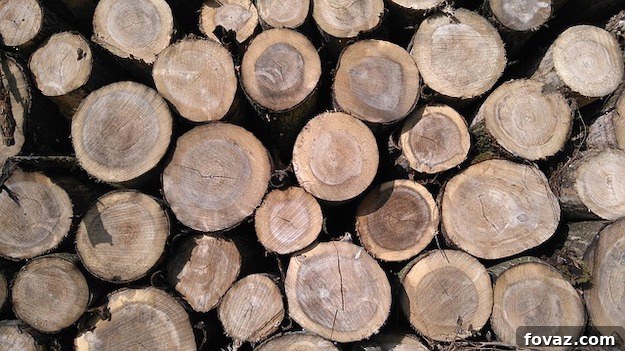
Reclaimed wooden blocks offer a fantastic opportunity for a fun, eco-friendly, and highly versatile DIY project that the whole family can enjoy. Not only are they enjoyable to make, but they also serve multiple purposes, from charming decorative accents to engaging playtime essentials for children. This craft embodies sustainability, giving new life to discarded wood and transforming it into something beautiful and useful.
The first step is to source your reclaimed wood. Old fence posts, pallets (ensure they haven’t been chemically treated), scrap lumber from construction sites (with permission), or even discarded furniture pieces can be excellent sources. Once you have your wood, cut it into various block sizes and shapes. The beauty lies in the inconsistency – a mix of cubes, rectangles, and even irregular shapes adds character. Sand each block thoroughly to remove splinters and create a smooth finish. This is an excellent task for older children to help with, under supervision. For decoration, you can leave the blocks in their natural state to highlight the wood grain, or you can paint, stain, or stencil them. Think about themes: natural earth tones, bright primary colors for a child’s room, or even intricate patterns for sophisticated decor. These blocks can be stacked as sculptures, used as unique plant stands, arranged as bookends, or simply scattered to add texture and warmth to shelves and mantels. For kids, they become giant building blocks for imaginative play, fostering creativity and motor skills. This project truly brings a sense of handcrafted warmth and eco-conscious design into your home. Here’s how to get started on these wonderfully versatile blocks.
Tips for Sourcing and Crafting Your Natural Decor
Before you dive into these fantastic DIY projects, here are a few essential tips to ensure your crafting experience is enjoyable, safe, and results in durable, beautiful pieces:
- Ethical Sourcing: When collecting natural materials like branches, twigs, or stones, always be mindful of local regulations. Collect only from public lands where it’s permitted, or from your own property. Avoid damaging living trees or disturbing natural habitats. Fallen branches after a storm are often perfect for crafting.
- Cleaning and Preparation: It’s crucial to properly clean and prepare any natural materials you bring indoors. For wood, thoroughly scrub off dirt and debris. To eliminate pests and moisture, you can bake smaller pieces of wood in an oven at a low temperature (around 200°F or 90°C) for a few hours, or simply let them air dry completely for several weeks in a well-ventilated area. Stones and pebbles should be washed thoroughly and allowed to dry.
- Safety First: When using tools for cutting, sanding, or drilling, always follow manufacturer instructions and wear appropriate safety gear, such as gloves and eye protection. If a project involves electrical wiring, and you are not experienced, consider using a pre-made wiring kit or consulting a professional electrician to ensure safety.
- Finishing Touches: To protect your wooden creations and enhance their longevity, consider applying a natural sealant, wax, or varnish. This will help prevent rot, wear, and tear, and bring out the natural beauty of the wood grain.
- Embrace Imperfection: Remember, the beauty of natural materials lies in their unique imperfections. Don’t strive for factory-perfect symmetry; instead, celebrate the knots, twists, and natural forms that make each piece truly one-of-a-kind.
Feeling cozy and connected to nature yet? We hope these inspiring ideas encourage you to unleash your inner crafter and bring the soothing essence of the outdoors into your home. Each handmade piece will not only enhance your decor but also infuse your space with a sense of personal touch and mindful living.
Did you enjoy our post on rustic homemade crafts and unique ways to bring nature indoors? We’d love to hear about your favorite projects or any natural elements you’ve incorporated into your home decor. Share your thoughts and creative experiences in the comments section below!
Don’t forget to stay connected with us on Facebook, Twitter, Pinterest and Instagram for more creative inspiration and DIY tutorials!
Like this post? Then you’ll love…
DIY Concrete Crafts | 8 Creative Concrete Ideas
Wine Bottle Crafts | How To Make Wine Bottle Planters
How to Preserve Flowers