
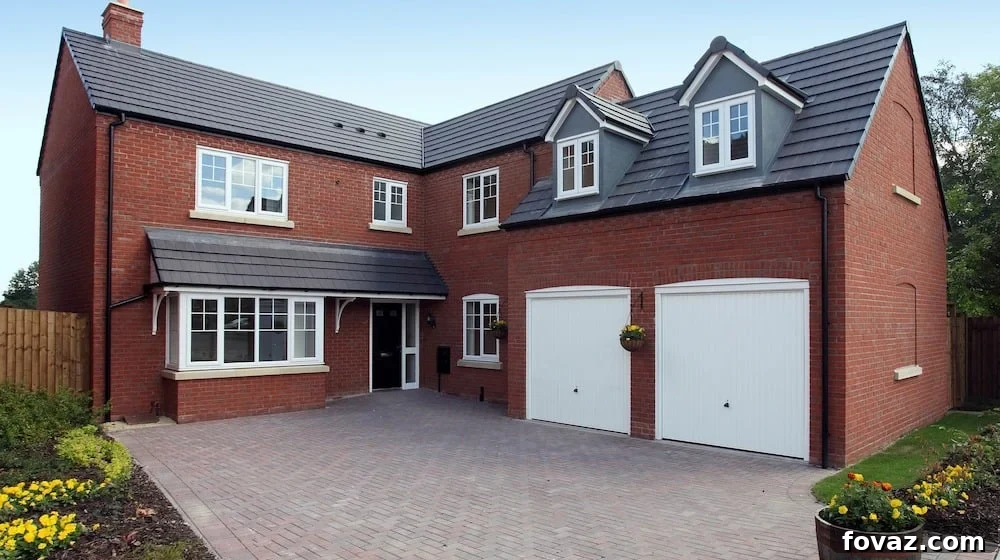
Your driveway is often the first impression visitors get of your home, making it a critical element of your property’s overall curb appeal. Far more than just a path for vehicles, a well-designed and expertly installed driveway can significantly enhance your home’s aesthetic, boost its market value, and even improve daily functionality. While there are numerous materials and styles to choose from, incorporating paver bricks offers a classic, durable, and highly customizable solution that homeowners consistently adore. This comprehensive guide will walk you through the exciting journey of transforming your driveway into a stunning focal point, exploring various material options, design considerations, and practical installation insights.
Transform Your Home’s Curb Appeal: A Comprehensive Guide to Designing and Installing an Attractive Driveway
Creating a distinctive and welcoming entrance to your property begins with your driveway. As one of the largest landscape features, its design, material, and condition play a pivotal role in defining your home’s character. Whether you’re replacing an old, worn-out slab or envisioning a brand new approach for a newly built garage, the options available today allow for incredible creativity and lasting durability. Let’s delve into the world of driveway design and discover how to craft an entrance that perfectly complements your home.
Why Your Driveway Matters: More Than Just a Path
A driveway is not merely a utilitarian strip of pavement; it’s an integral part of your home’s exterior design. It guides guests to your front door, provides parking, and contributes significantly to your property’s visual appeal. Approximately 95% of individuals visiting your residence will arrive by car, meaning their initial interaction with your home begins and ends with the driveway. Investing in a beautiful and well-maintained driveway can offer several benefits:
- Enhanced Curb Appeal: A stunning driveway elevates the entire exterior look of your home, making it stand out in the neighborhood.
- Increased Property Value: High-quality landscaping, including a premium driveway, is a proven way to boost your home’s market value and attract potential buyers.
- Improved Safety and Functionality: A properly constructed driveway provides a stable, non-slip surface, ensures adequate drainage to prevent puddles and ice, and offers clear guidance for vehicles and pedestrians.
- Personal Expression: With a vast array of materials, colors, and patterns, your driveway can be a unique extension of your personal style and architectural preferences.
Exploring Your Driveway Material Options
The choice of material is fundamental to your driveway’s aesthetic, durability, and maintenance requirements. Each option presents distinct advantages and considerations. Here, we explore the most popular choices, helping you weigh the pros and cons for your specific project.
1. Classic Elegance: Brick Driveways
For centuries, bricks have been cherished for their timeless beauty and robust nature. A brick driveway exudes a classic charm that can seamlessly integrate with a wide range of architectural styles, from historic homes to contemporary designs. This material offers an attractive balance of aesthetics, durability, and affordability, making it a popular choice for homeowners looking for a distinctive entrance.
- Aesthetics and Design Potential: Bricks come in a remarkable variety of colors, textures, and sizes. You can achieve unique patterns, such as the elegant herringbone, basket weave, or running bond, to create visual interest. Mixing different brick colors or sourcing reclaimed bricks can lend an antique, one-of-a-kind appearance to your driveway. For instance, old chimney bricks, often darker and richer in tone, can add a particularly unique vintage character.
- Durability and Longevity: Properly installed brick driveways are incredibly strong and capable of withstanding the weight of vehicles for decades. Their inherent density makes them resistant to cracking, unlike solid concrete slabs. The individual nature of bricks also means that minor shifts or damage are localized and easily repairable.
- Installation Overview: Laying a brick driveway is a project many homeowners can undertake with careful planning and execution. The process typically involves excavating the area, laying a stable base of compacted crushed gravel, followed by a smooth, leveled bed of sand. Bricks are then carefully placed on this sand bed, and the gaps between them are filled with additional sand or polymeric sand, which hardens to lock them in place and inhibit weed growth. This modular design means water can drain quickly through the gaps, preventing puddles and reducing hydrostatic pressure.
- Maintenance Tips: Brick driveways are relatively low maintenance. Routine cleaning with a hose and occasional sweeping is usually sufficient. For more stubborn stains, a pressure washer can be used with care. Periodically refilling the sand in the joints can help maintain stability and prevent weed infiltration. It’s always advisable to purchase a few extra dozen bricks during installation for any future repairs or replacements, ensuring a perfect match.
- Pros and Cons:
- Pros: High aesthetic appeal, wide range of patterns/colors, durable, good drainage, easy individual repair, DIY-friendly, reasonable cost.
- Cons: Can settle unevenly if base isn’t prepared correctly, joint sand can erode over time, potential for weeds if not sealed properly.
For a truly distinctive appearance, check with some local demolition companies to locate used bricks. These often are available in a variety of colors which you can mix for your driveway. If you find some which were inside a chimney, these black ones can add a unique antique appearance to your driveway. Laying the bricks on angles in a herringbone pattern is particularly attractive.
2. Enhanced Stability: Interlocking Paver Driveways
While sharing a visual resemblance to bricks, interlocking pavers are engineered specifically for heavy-duty applications like driveways. Their unique design allows them to interlock tightly, creating a flexible pavement system that distributes weight evenly and offers superior stability compared to traditional brick or poured concrete. Pavers are a popular choice for homeowners seeking a highly durable and customizable driveway solution.
- What are Pavers? Pavers are individual units typically made from concrete or clay, designed with special shapes that fit together like a puzzle. When installed correctly, they form a cohesive, load-bearing surface that can withstand significant traffic and environmental stresses.
- Design Versatility: Like bricks, pavers offer immense design flexibility. They come in an even broader array of shapes, sizes, colors, and textures than traditional bricks, allowing for intricate patterns, borders, and even artistic mosaics. You can achieve looks ranging from rustic cobblestone to sleek, modern geometric designs. Permeable pavers are also available, offering an environmentally friendly option that allows rainwater to seep into the ground, reducing runoff.
- Installation Considerations: The installation process for pavers is similar to bricks, requiring meticulous attention to the base preparation. A robust foundation of compacted gravel and a finely graded sand bed are crucial. The interlocking nature of pavers, once compacted, creates a very strong surface that resists cracking and shifting. Professional installation is often recommended due to the precision required for proper interlocking and compaction, though skilled DIYers can tackle the project.
- Maintenance and Repair: Paver driveways are exceptionally durable and relatively easy to maintain. Individual pavers can be removed and replaced if damaged, without needing to tear up the entire driveway. Regular sweeping and occasional power washing will keep them looking pristine. Sealing the pavers every few years can protect their color, prevent staining, and inhibit weed growth in the joints.
- Pros and Cons:
- Pros: Superior durability and flexibility, excellent load distribution, wide range of design options, permeable options available, easy individual repair, low long-term maintenance.
- Cons: Generally more expensive than traditional bricks or asphalt, installation can be labor-intensive and require specialized tools, potential for weeds if joints are not properly filled/sealed.
3. Natural Beauty: Stone Driveways
For those seeking a truly organic and visually stunning driveway, natural stone offers unparalleled beauty and character. Stone driveways can evoke a sense of grandeur, rustic charm, or contemporary elegance, depending on the type of stone and design chosen. From rugged cobblestones to smooth flagstone, the options are as diverse as nature itself.
- Achieving a Rustic or Modern Look: The aesthetic appeal of stone lies in its natural variations in color, texture, and shape. Large, irregular flagstones can create a charming, rustic pathway, while precisely cut granite or bluestone can lend a sophisticated, modern edge. Colorful stones sourced from local quarries or specialty landscaping shops can add vibrant tones and unique character to your driveway.
- Stone Types and Selection: When selecting stones for a driveway, functionality and stability are paramount. Opt for large stones with angular edges, as these will interlock better and provide greater stability under the weight of vehicles. Rounded stones, such as river rocks or pea gravel, should be avoided for primary vehicle paths, as they tend to shift and disperse easily, requiring constant replenishment and posing a safety hazard. Popular choices include granite, bluestone, limestone, and various types of fieldstone.
- Installation Challenges and Tips: Installing a stone driveway is typically more labor-intensive than brick or paver installations due to the weight and often irregular shapes of the stones. A strong, well-compacted base is essential, similar to brick and paver systems. Due to the heavy nature of natural stone, professional assistance or at least a dedicated helper is almost always necessary. Careful placement and ensuring a tight fit between stones will contribute to a more stable and durable surface.
- Long-Term Care: While highly durable, stone driveways do require some attention. Annual re-stoning may be necessary to fill any gaps that form or to replace stones that have shifted or become damaged. Regular sweeping can prevent debris buildup, and occasional power washing can remove dirt and moss, keeping the natural beauty of the stone prominent.
- Pros and Cons:
- Pros: Unmatched natural beauty and character, extremely durable, wide range of colors/textures/sizes, unique aesthetic.
- Cons: Often the most expensive option, installation is labor-intensive and usually requires professional help, potential for shifting if not installed correctly, annual maintenance (re-stoning) may be required.
4. Unrivaled Durability: Concrete Driveways
Concrete is celebrated as one of the most durable and long-lasting driveway surfaces available. Its strength, low maintenance, and versatility make it a practical choice for many homeowners. While often perceived as a plain grey slab, modern concrete techniques allow for incredible customization, transforming it into a sophisticated design element.
- Strength and Smoothness: A properly installed concrete driveway can last for decades, resisting heavy loads and harsh weather conditions. It provides a smooth, hard surface that is incredibly easy to clean of leaves, dirt, snow, and ice, making winter maintenance much simpler.
- Customization Options: Beyond its utilitarian function, concrete offers extensive aesthetic possibilities. You can create a truly unique appearance by designing a curved driveway, incorporating borders, or adding integral color to the mix. Stamped concrete forms can be pressed into the wet concrete before it sets, simulating the look of natural stone, bricks, or even wood planks, offering a high-end finish at a more accessible price point than actual stone or intricate paving. Texturing tools can also create a variety of non-slip finishes.
- Professional Installation vs. DIY: Due to the specific techniques, timing, and equipment required for proper mixing, pouring, leveling, and finishing, concrete driveways are almost always best left to professional installers. DIY concrete work on such a large scale can lead to costly mistakes, uneven surfaces, and premature cracking.
- Cleaning and Sealing: Concrete is relatively low maintenance. Regular sweeping and occasional pressure washing are usually sufficient. Applying a high-quality concrete sealer every few years is highly recommended to protect the surface from stains, moisture penetration, and freeze-thaw cycles, extending its lifespan and maintaining its appearance.
- Pros and Cons:
- Pros: Extremely durable and long-lasting, smooth and easy to clean, highly customizable (stamping, coloring, curving), relatively low maintenance, good value over its lifespan.
- Cons: Professional installation is typically required (higher upfront labor cost), prone to cracking if not properly installed or if soil shifts significantly, repairs can be difficult to blend seamlessly, less permeable than pavers or stone.
Planning Your Driveway Project: Key Considerations
Regardless of the material you choose, a successful driveway project hinges on thorough planning. Addressing these key considerations upfront will save you time, money, and headaches in the long run.
- Budgeting for Materials and Labor: Obtain detailed quotes for materials and, if applicable, professional installation. Remember to factor in costs for excavation, base materials, edging, drainage solutions, and potential permits. Don’t forget to allocate a contingency fund for unexpected issues.
- Local Regulations and Permits: Before breaking ground, check with your local municipality or homeowner’s association for any necessary permits or specific building codes related to driveway construction, material usage, or storm water management. This is particularly important for changes to existing driveways or new installations.
- Drainage Solutions: Proper drainage is paramount to the longevity and safety of your driveway. Ensure that your design directs water away from your home’s foundation and prevents puddles. Consider grading the driveway, installing catch basins, or incorporating French drains to manage runoff effectively. Permeable paver systems are an excellent eco-friendly option for managing rainwater on-site.
- Edging and Borders: Well-defined edging not only enhances the aesthetic appeal of your driveway but also provides crucial structural support, preventing materials like gravel, bricks, or pavers from shifting. Options range from simple plastic or metal borders to more decorative concrete, stone, or brick edgers.
- Integrating with Landscaping and Lighting: Think of your driveway as part of a larger landscape design. How will it connect with walkways, garden beds, and the overall flow of your property? Incorporate lighting fixtures along the driveway to enhance safety, visibility, and curb appeal during nighttime hours. Low-voltage path lights or strategically placed uplights can create a stunning effect.
DIY vs. Professional Installation: Making the Right Choice
Deciding whether to tackle your driveway project yourself or hire a professional is a critical decision based on your skill level, available time, budget, and the complexity of the chosen material.
- DIY Installation: Projects involving traditional bricks or basic pavers can be suitable for experienced DIY enthusiasts. These projects require significant physical labor, attention to detail, and a willingness to rent or purchase specialized tools (e.g., plate compactor, wet saw). The main advantage is cost savings on labor. However, mistakes in base preparation or leveling can lead to uneven surfaces, drainage issues, and a shorter lifespan for your driveway.
- Professional Installation: For more complex materials like natural stone, intricate paver designs, or concrete, professional installation is almost always the recommended route. Experienced contractors possess the necessary expertise, equipment, and crew to ensure proper excavation, base construction, material laying, and finishing. While the upfront cost is higher, the investment often pays off in terms of durability, aesthetic quality, and peace of mind, knowing the job is done right and backed by a warranty.
Conclusion: Paving the Way to a Beautiful Home
Your driveway offers an incredible opportunity to enhance your home’s curb appeal, functionality, and overall value. Whether you opt for the classic charm of brick, the versatile stability of interlocking pavers, the natural grandeur of stone, or the enduring strength of concrete, careful planning and attention to detail are key. By considering your budget, aesthetic preferences, and the practical demands of your site, you can create a distinctive and durable driveway that will welcome you home for many years to come.
Send your questions to Here’s How, 6906 Royalgreen Dr., Cincinnati, OH 45244 or visit www.dulley.com.
To find out more about James Dulley and read features by other Creators Syndicate writers and cartoonists, visit the Creators Syndicate website at www.creators.com. COPYRIGHT 2017 CREATORS.COM