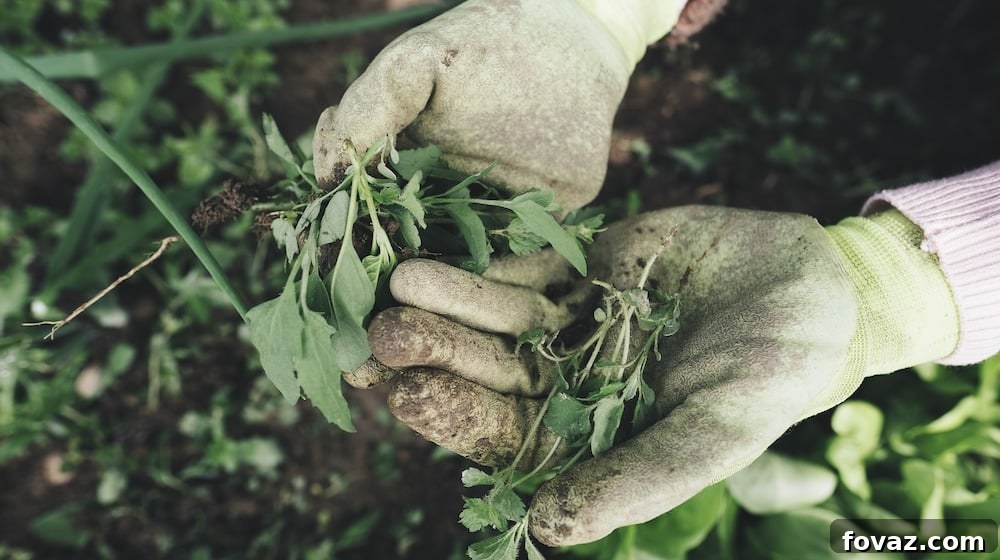
Mastering Weed Control: 13 Eco-Friendly DIY Homemade Weed Killers for a Thriving Garden
Are relentless weeds taking over your beautiful garden? Do you aspire to cultivate a lush, vibrant outdoor space without resorting to harsh chemical herbicides that can harm your soil, local waterways, and even your family? You’re in luck! Achieving an immaculate, weed-free environment doesn’t have to mean compromising on ecological principles or overspending on commercial products. In fact, many highly effective and eco-friendly solutions are likely already stocked in your pantry or readily available. This comprehensive guide will unveil 13 ingenious DIY homemade weed killers, empowering you to reclaim your garden naturally, sustainably, and cost-effectively.
Weeds, often defined simply as “plants growing where they’re not wanted,” can quickly become a persistent challenge for any gardener. They fiercely compete with your desired flowers, vegetables, and shrubs for essential nutrients, precious water, and vital sunlight, ultimately stifling growth and diminishing the aesthetic appeal of your landscape. While the time-honored tradition of hand-pulling remains a powerful method, it can be incredibly time-consuming and physically demanding, especially for larger garden areas or when dealing with deeply rooted, perennial invaders. This article offers practical, budget-friendly, and environmentally conscious alternatives to conventional weed control, ensuring your garden remains a sanctuary for beneficial flora, not an outpost for invasive weeds.
Why Embrace DIY Homemade Weed Killers for Your Garden?
The decision to opt for homemade weed killers goes far beyond mere financial savings. Choosing natural, DIY solutions offers a profound array of benefits for both your immediate garden ecosystem and the broader environment:
- Environmental Stewardship: Chemical herbicides are notorious for their potential to leach into soil, contaminate groundwater, and harm crucial beneficial insects (like pollinators), wildlife, and delicate aquatic ecosystems. Natural alternatives drastically minimize this ecological footprint.
- Soil Health Preservation: Many synthetic weed killers can degrade soil quality over time, depleting its natural vitality. DIY methods often work on direct contact with the plant or by altering surface conditions, leaving the soil structure, fertility, and beneficial microbial life largely undisturbed.
- Safety for Family and Pets: With homemade solutions, you maintain complete control over the ingredients, typically utilizing items that are food-safe or naturally occurring. This significantly reduces the risk of exposure to toxic substances for children and pets who frequently explore and play in the garden.
- Exceptional Cost-Effectiveness: Common household staples are substantially cheaper than specialized commercial weed control products, making garden maintenance more accessible and affordable for everyone.
- Immediate Accessibility: There’s no need for an extra trip to a garden center; many of the most effective ingredients are likely already available in your kitchen or utility room.
By embracing these natural methods, you’re not just controlling weeds; you’re fostering a healthier, more resilient garden that flourishes without the need for harsh chemical intervention. Let’s dive into these practical and powerful weed-fighting recipes that promise a greener future for your garden.
13 Natural Solutions to Effectively Banish Weeds from Your Garden
Before you embark on your weed-killing mission, it’s always beneficial to identify the types of weeds plaguing your garden. Some are annuals, which are relatively easy to dispatch, while others are tenacious perennials with deep, robust root systems that may require a more persistent approach. The key to success with any of these methods lies in targeted application and, often, repeated treatments for the most stubborn invaders. Remember, patience, consistency, and careful observation are your most valuable allies in maintaining a pristine and thriving garden.
1. Embrace Edible Weeds: Harvest and Enjoy!
While it may seem counter-intuitive, many common garden “weeds” are actually nutritious and delicious wild edibles! Before you reach for any weed killer, take a moment to identify what’s growing. Plants like dandelions, chickweed, purslane, lamb’s quarters, and common sorrel are frequently dismissed as weeds but can be safely harvested for fresh salads, cooked like spinach, brewed into teas, or even fermented into homemade wine. This approach not only effectively removes them from your garden but also provides a free, organic, and healthy food source. This method saves you time and money, and it’s incredibly sustainable. For instance, exploring dandelion recipes can unveil a surprising array of culinary delights, turning a nuisance into a treat.
2. Optimize Your Soil’s Health
A healthy, well-balanced soil environment is your garden’s primary defense against weed proliferation. Many pervasive weeds, such as dandelions, plantain, and sorrel, specifically thrive in compacted, nutrient-poor, or excessively acidic soils. By actively improving your soil’s composition and vitality, you render it significantly less hospitable for these opportunistic plants and far more conducive to the robust growth of your desired flora. Begin by conducting a professional soil test to accurately assess its pH levels and identify any nutrient deficiencies. Subsequently, amend your soil with generous amounts of organic matter, such as nutrient-rich compost, well-rotted manure, or bone meal, to balance its pH and profoundly enrich its fertility. A truly vibrant and well-balanced soil promotes the growth of strong, healthy plants that can naturally outcompete weeds for resources. Learning how to improve your soil represents a long-term, foundational strategy that yields immense benefits in both reduced weed growth and overall garden vitality.
3. The Simple Yet Powerful Force of Boiling Water
Sometimes, the most straightforward solutions prove to be the most remarkably effective. Plain boiling water stands as an exceptionally potent and entirely natural weed killer. The intense heat instantly scalds plant tissues, efficiently breaking down their cellular structures and resulting in immediate wilting and death. This method is particularly effective for weeds that emerge in cracks within pavement, driveways, or along pathways where there are no desirable plants nearby to protect. Simply bring a kettle of water to a rolling boil and then carefully pour it directly onto the foliage of the specific weeds you wish to eliminate. Exercise extreme caution to prevent any splashing onto yourself or accidental contact with any healthy plants you intend to preserve, as boiling water is unequivocally non-selective and will instantly kill anything it touches. For more robust, deep-rooted weeds, multiple applications may be necessary to achieve complete eradication. Click here to read more about deploying this surprisingly effective hot solution.
4. Vinegar: Your Garden’s Acetic Acid Ally
Common household white vinegar (typically 5% acetic acid) or stronger horticultural vinegar (ranging from 10-20% acetic acid) can serve as an excellent natural herbicide. The acetic acid within vinegar operates by rapidly drawing moisture from the plant leaves, causing them to dry out, shrivel, and eventually die back. While household vinegar is a gentler option, horticultural vinegar is significantly more potent and effective but necessitates careful handling due to its higher acidity. For optimal results, spray vinegar directly onto the weeds on a sunny, dry day, as the warmth of the sun helps to intensify its desiccating effect. Vinegar proves most effective on young, tender weeds. For more established or deep-rooted weeds, repeat applications will likely be necessary, as it primarily affects the foliage and may not fully kill the root system in a single treatment. Be mindful that excessive vinegar use can temporarily lower soil pH, so avoid over-applying it around plants you wish to keep healthy. Learn more about this versatile method here.
5. Bleach: A Potent Spot Treatment (Use with Extreme Caution)
Although bleach is sometimes suggested for weed control, its use should be approached with extreme caution due to its inherent toxicity and potential environmental impact. Bleach (sodium hypochlorite) is a powerful oxidizing agent that can indeed effectively destroy plant tissue on contact. If you absolutely choose to employ this method, it is best reserved for isolated weeds in very specific areas where absolutely no other plants are desired, such as within narrow cracks in concrete, gravel paths, or pavement. Apply a minuscule amount directly to the weed using a cotton swab or a highly targeted spray bottle to minimize any potential runoff. Immediately and thoroughly wash off any accidental contact with desirable plants to prevent damage. However, be acutely aware that bleach can sterilize the soil, rendering it infertile for a considerable period, and its runoff can severely harm nearby plant life and contaminate local waterways. Given its highly corrosive and toxic nature, bleach is generally a less recommended option for broad garden use compared to other, safer natural alternatives. For additional insights on its application, you can consult this article.
6. Rubbing Alcohol: Dehydrating Weeds to Their Demise
Just as rubbing alcohol has a drying effect on skin, it can equally and effectively dehydrate and ultimately kill weeds. Isopropyl alcohol works by efficiently stripping the protective waxy cuticle from plant leaves, which leads to rapid moisture loss and subsequent death of the plant. To prepare an effective solution, dilute 1-2 tablespoons of common rubbing alcohol in 1 liter of water. Pour this mixture into a spray bottle and apply it directly and thoroughly to the foliage of the weeds you intend to eliminate. For more stubborn, resilient weeds, you can judiciously increase the concentration of alcohol in your mixture. As with most spot treatments, exercise caution to avoid spraying desirable plants, as they too can suffer from harmful dehydration. This method is excellent for targeted weed control and typically provides a quick, visible result. Click here to read more about this surprisingly effective dehydrating agent.
You don’t need to tend to an outdoor garden to feel zen…create this mini DIY one! https://t.co/kJpibyxbUX pic.twitter.com/t697PsePlS
— DIY Projects (@DIY Projects) September 21, 2016
7. Smother Them: The Newspaper and Cardboard Method
One of the most environmentally friendly, labor-saving, and long-term methods for effective weed control is simply to cover them up. This passive yet powerful technique works by completely depriving weeds of essential sunlight and air, both of which are critical for photosynthesis and overall plant growth. Laying down a thick layer (at least 4-6 sheets) of newspaper or sturdy cardboard directly over heavily weeded areas creates an impenetrable barrier. You can then generously cover this barrier with an organic mulch, such as wood chips, straw, or nutrient-rich compost, for an aesthetically pleasing finish and a highly effective, long-lasting weed suppression system. This method is particularly useful for preparing new garden beds, establishing clear pathways, or managing large areas infested with stubborn weeds. While it may be slower than immediate chemical solutions, it offers a sustainable, chemical-free approach that also helps to retain vital soil moisture and, over time, naturally enriches the soil as the paper or cardboard gradually decomposes. For a more detailed exploration of this simple yet powerful solution, consider reading this guide to newspaper mulching.
8. Lemon Juice: Acidic Might Against Weeds
Similar in action to vinegar, lemon juice boasts a high concentration of citric acid that can effectively burn and kill young weeds. The intense acidity disrupts the delicate cell membranes of the plant, leading to rapid wilting and eventual demise. For the most potent results, use concentrated lemon juice (either freshly squeezed or bottled) and apply it directly to the weeds on a bright, sunny day. You can also create an even more powerful mixture by combining half a cup of lemon juice with 1 quart of white vinegar for an extra acidic punch. Apply this solution using a spray bottle, ensuring thorough and targeted coverage of the weed’s foliage. This method is generally considered non-toxic to humans and pets in its diluted form, making it a safer alternative for garden areas where children and animals frequently play. However, like vinegar, it is non-selective, so direct your sprays carefully to avoid harming any desired plants. Click here to learn more about the efficacy of acidic weed killers.
9. Corn Meal: A Natural Pre-Emergent for Weed Prevention
Corn meal, specifically corn gluten meal, is a truly remarkable natural pre-emergent herbicide. It doesn’t actively kill existing weeds but instead expertly prevents new weed seeds from successfully germinating and sprouting. This makes it an ideal, proactive choice for preventing common annual weeds like crabgrass and dandelions before they even have a chance to appear. To use, sprinkle a generous and even layer of corn gluten meal over your garden beds or lawn areas in early spring, precisely before weed seeds typically begin to germinate. Water it lightly after application to activate its unique properties. It works by releasing peptides that effectively inhibit root formation in germinating seeds, stopping them before they can establish. As an added benefit, corn gluten meal is also a natural source of nitrogen, providing a gentle, slow-release fertilizer boost to your existing, established plants. This method is completely safe for established plants and represents an excellent organic alternative to synthetic pre-emergent products. Spread some corn meal for a truly proactive approach to weed control.
10. Baking Soda: Drying Out Pavement Weeds with Ease
Baking soda (sodium bicarbonate) is an unsung hero in the perennial fight against weeds, particularly those stubbornly tenacious plants that sprout in sidewalk cracks, driveways, or between patio stones. Its naturally high sodium content effectively draws vital moisture out of plant tissues, causing them to rapidly dehydrate and die. To utilize this method, simply moisten the target weeds slightly, then generously sprinkle baking soda directly over their leaves and deeply into the cracks where they thrive. For especially stubborn or larger weeds, you can dissolve a significant amount of baking soda in water to create a thick paste or concentrated solution, then pour it directly onto the weeds. Repeat the application after a few days if the weeds persist. This method is highly effective for targeted areas where you desire absolutely no plant growth and where potential soil contamination in garden beds is not a concern, as excessive sodium can be detrimental to desirable plants. Click here to read more about the surprising power of this common household item.
11. Cayenne Pepper: A Spicy Deterrent for Weeds and Pests
Believe it or not, the natural heat derived from cayenne pepper can serve as a surprisingly effective deterrent for both unwanted weeds and common garden pests. The active compound, capsaicin, acts as an irritant to plant tissues, disrupting their cellular functions and creating an environment less hospitable for weed growth. To formulate a spicy weed killer, mix a few tablespoons of cayenne pepper powder with water and a squirt of biodegradable liquid soap (such as Ivory liquid) in a spray bottle. The soap functions as a surfactant, helping the mixture to adhere more effectively to the weed leaves. Spray this spicy concoction directly onto the weeds, ensuring good coverage. While it may not instantly kill large, well-established weeds, it can significantly weaken them over time and actively deter new growth, particularly for younger plants. It is also known to discourage certain garden pests, making it a dual-purpose solution to help your garden grow naturally with minimal intervention.
12. Salt: An Ancient, Potent Herbicide (Use with Extreme Caution)
Salt (sodium chloride) has been utilized as a weed killer for centuries, and for a very good reason: it is incredibly effective at dehydrating plants and preventing future growth by drastically altering soil salinity. However, its immense potency means it must be used with the utmost caution and discernment. Salt absorbs and retains water, thereby depriving plant roots of essential moisture and ultimately causing the plant to die. This method is best reserved exclusively for areas where you unequivocally desire to eliminate all plant growth permanently, such as within cracks in pathways, along driveways, or bordering fence lines where no other vegetation is desired. Prepare a concentrated solution by mixing 1 cup of table salt with 2 cups of hot water, stirring diligently until the salt is completely dissolved. Spray or carefully pour this potent solution directly onto the target weeds. Be extremely vigilant to avoid any overspray, as salt can render soil infertile for extended periods, making it impossible for anything to grow there. It is truly a great natural weed killer when applied appropriately and sparingly.
13. Essential Oils: Aromatic Weed Control for the Modern Gardener
Beyond their widespread therapeutic applications, certain essential oils possess surprisingly powerful herbicidal properties, making them effective and aromatic natural weed killers. Oils such as cinnamon, clove, red thyme, and pine oil contain specific compounds that can effectively disrupt plant growth processes and induce desiccation. To create an essential oil-based weed killer, mix approximately 10-20 drops of your chosen essential oil (or a synergistic blend) with 1 cup of water and a few drops of biodegradable liquid dish soap (which acts as an emulsifier) in a clean spray bottle. Shake the mixture well before each use and apply it directly onto the weed foliage, ensuring good coverage. This method is particularly appealing for those seeking highly natural and pleasant-smelling solutions. While potent, essential oils are generally non-toxic to humans and pets in their diluted forms, making them a safer alternative for gardeners concerned about exposure to harsh chemicals. These versatile essential oils truly exemplify how fantastically simple and effective DIY homemade weed killers can be, a concept detailed further in this insightful guide.
Beyond Killing: Essential Tips for Effective Weed Prevention
While the DIY weed killer recipes above are undoubtedly effective for targeted removal, the best offense in gardening is often a strong defense. Incorporating these preventative measures into your regular gardening routine can significantly reduce future weed problems and minimize the need for active weed control:
- Consistent Mulching: Apply a thick, uniform layer (approximately 2-4 inches) of organic mulch, such as wood chips, straw, or shredded leaves, over all your garden beds. Mulch effectively blocks sunlight, suppresses weed seed germination, and helps to retain vital soil moisture.
- Dense Planting Strategy: Design your garden to plant your desired plants closely enough so that their mature foliage creates a dense canopy that shades the soil. This natural shading makes it considerably more difficult for weed seeds to germinate and establish.
- Proper Watering Techniques: Practice watering your plants deeply and infrequently, directing water specifically to the root zone, rather than light, frequent overhead watering. This encourages deep root growth in your cultivated plants and actively discourages the growth of shallow-rooted weeds.
- Regular Hand-Pulling: Never underestimate the effectiveness of consistent, mindful hand-pulling, especially when weeds are young and the soil is moist. Catching them early prevents them from going to seed and widely spreading throughout your garden.
- Strategic Edging: Install physical barriers like robust garden edging or landscape timbers around your flower beds and vegetable patches to effectively prevent lawn grasses and creeping weeds from encroaching.
By diligently combining these proactive preventative strategies with the targeted power of DIY homemade weed killers, you will be well on your way to cultivating a pristine, healthy, and truly enjoyable garden space with minimal effort and maximum environmental benefit.
We sincerely hope this comprehensive guide to homemade weed killers empowers you to tackle garden weeds with renewed confidence and a strong eco-conscious approach. We encourage you to experiment with these natural solutions to discover which methods work most effectively for your specific garden challenges and soil conditions. Your journey to a greener, healthier, and beautifully weed-free garden truly begins now!
Which of these DIY homemade weed killers will you try first in your garden? Share your experiences, success stories, and favorite natural weed control tips in the comments below!
Stay connected with us on Facebook, Twitter, Pinterest and Instagram!
You Might Also Love These Related DIY Projects:
- 20 Cool DIY Homesteading Projects For a Simpler Life
- 40 Drought Tolerant Plant Ideas for your Homestead’s Landscape
- 15 Free Recycled Craft Ideas: Beautify Your Space Without Spending a Dime