
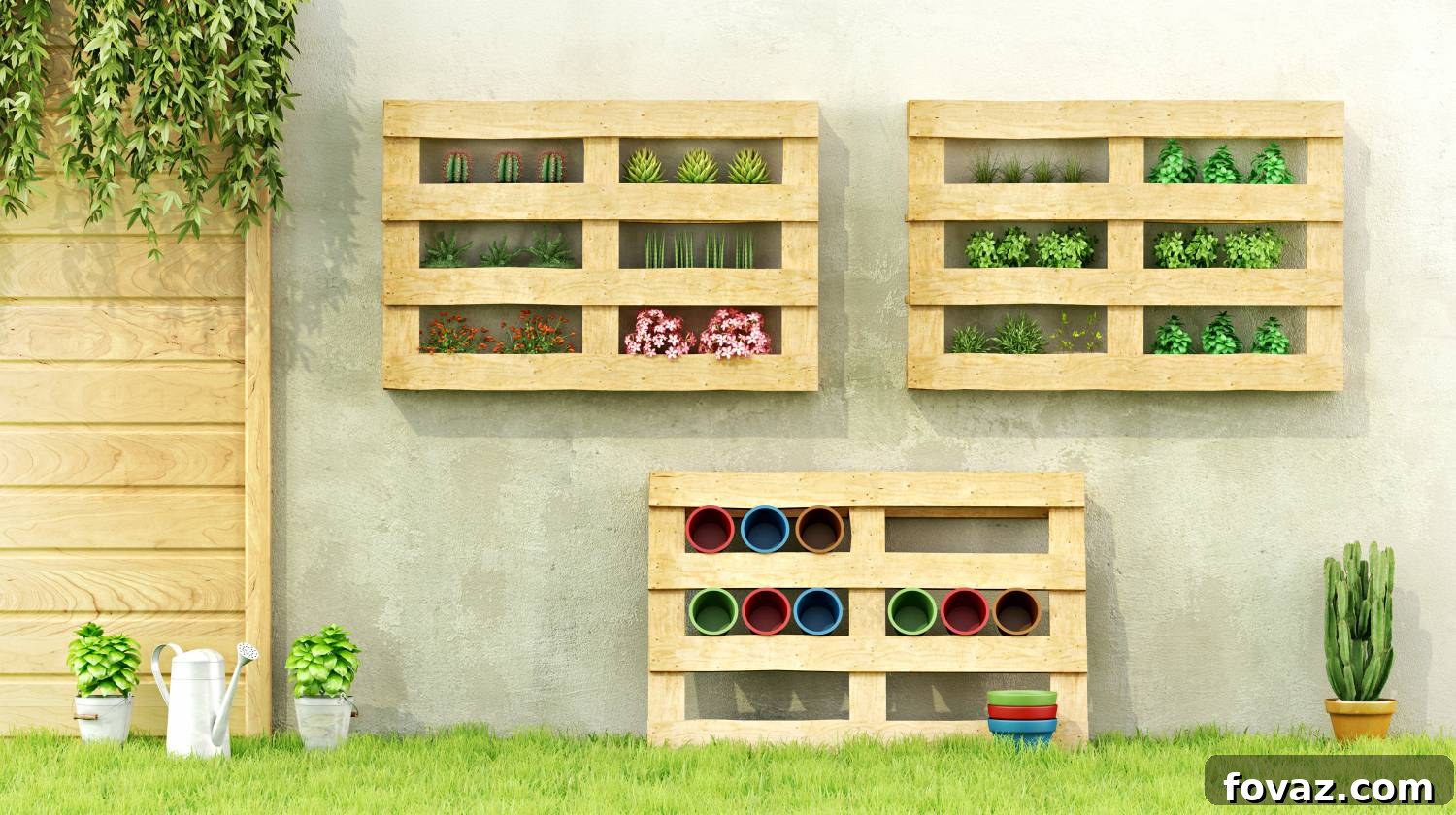
Welcome to the ultimate guide for transforming your garden with stunning, budget-friendly planter ideas! Achieving your dream garden doesn’t have to be expensive or complicated. With a little creativity and some readily available materials, you can craft beautiful and functional planters that elevate your outdoor space and reflect your unique style. The best part? These DIY projects are not only easy to make but also incredibly kind to your wallet, making lush greenery and vibrant blooms accessible to everyone.
Whether you’re an experienced gardener or just starting to cultivate your green thumb, these innovative planter designs offer fantastic ways to add character, color, and life to any yard, patio, or balcony. From ingenious uses for repurposed pallets to clever containers for strawberries and herbs, get ready to be inspired and create the garden you’ve always envisioned.
RELATED: 20+ Incredible DIY Garden Projects To Choose From
Embrace Sustainable Gardening: Why DIY Planters Are a Game-Changer
DIY planters offer a multitude of benefits, making them a popular choice for home gardeners seeking both aesthetics and practicality. Firstly, they are incredibly cost-effective. By repurposing materials like old pallets, jam jars, or even chicken wire, you significantly reduce the need to purchase expensive ready-made containers. This approach not only saves money but also promotes sustainable living by giving new life to items that might otherwise end up in a landfill. Creating your own planters also allows for unparalleled customization. You can tailor the size, shape, color, and style to perfectly match your garden’s theme or complement your home’s exterior, ensuring a cohesive and personalized look that store-bought options rarely provide.
Furthermore, many DIY planter projects, especially those utilizing pallets, are designed to maximize space. Vertical gardens, hanging planters, and multi-tiered designs are excellent solutions for small gardens, urban balconies, or even indoor spaces where floor area is limited. They allow you to grow a wider variety of plants, from vibrant flowers to fresh herbs and vegetables, without encroaching on valuable living space. The satisfaction of crafting something with your own hands, watching your plants thrive in containers you’ve built, is an incredibly rewarding experience. It fosters a deeper connection with your garden and provides a sense of accomplishment that store-bought items simply cannot replicate.
Working with Pallets: Safety First
Pallets are a fantastic resource for DIY projects due to their availability and sturdy construction. However, it’s crucial to ensure they are safe for gardening, especially if you plan to grow edibles. Always look for pallets stamped with “HT” (Heat Treated), which means they were heat-treated to kill pests and fungi. Avoid pallets marked “MB” (Methyl Bromide), as methyl bromide is a toxic pesticide. Pallets without any stamp should also be avoided, as their origin and treatment are unknown. Additionally, give your chosen pallets a thorough cleaning with soap and water before beginning any project to remove dirt and grime.
In this article, you will discover a curated collection of ingenious DIY planter ideas, each designed to inspire and guide you in creating your own unique garden features. From robust raised garden beds to delicate succulent displays, there’s a project here for every skill level and garden type. Let’s delve into these fantastic ideas and start building your dream green oasis!
- Raised Pallet Garden
- Strawberry Planter
- Easy-to-Build Planter Box
- Hanging Pallet Planter Box
- Upcycled Succulent Planter
- Cascading Flowers Planter
- Jam Jar Planter
- Rainbow Pallet Planter
- Hose Holder with Built-In Planter
- Planter Centerpiece
- Chicken Wire Planter
- Mini Pallet Planter Box
- Pallet Garden
- Cedar Pallet Succulent Planter
- Living Plant Wall
- Upcycled Pallet Box
- Free-Standing Herb Garden
Planter Ideas to Satisfy Your Green Thumb
Discover the Best DIY Planter Ideas
Pallets have long been a favorite material for DIY enthusiasts, offering incredible versatility and structural integrity for a wide range of projects. Their rustic charm and readily available nature make them perfect for crafting unique garden features, especially planters. If you’re eager to embark on some exciting planter DIYs, explore these innovative suggestions that will not only enhance your garden’s aesthetic but also provide functional homes for your beloved plants.
1. Raised Pallet Garden
Transform a section of your yard into a highly efficient and visually appealing raised pallet garden. This design is excellent for improving drainage, providing better soil quality, and making gardening more accessible. To begin, thoroughly clean your chosen pallets to remove any dirt or debris. Carefully turn them over to access the underside. Next, cut and lay a sheet of durable garden fabric over the pallet’s openings, ensuring you leave several extra inches around the edges. This fabric will act as a liner, holding the soil in place while still allowing for proper water drainage. Securely staple the fabric in, folding and overlapping as needed. Once the fabric is attached, turn your pallet over again. Staple the overlapping fabric pieces to the top edges of the pallet to create neat, defined pockets for planting. Finally, add your topsoil and carefully place your plants. This method allows you to grow different plants in distinct sections, making organization and plant care a breeze.
2. Strawberry Planter
Indulge in the delight of fresh, homegrown strawberries with a dedicated strawberry planter. This clever design maximizes space and provides ideal growing conditions for these beloved berries, keeping them off the ground and away from pests. Building your own strawberry planter allows you to stack several growing tiers, making the most of vertical space. It’s essential to ensure proper drainage for healthy strawberry plants. As you construct the baseboard or bottom tier of your planter, remember to drill quarter-inch holes at regular intervals. These small but crucial holes will serve as an effective drainage system, preventing waterlogging and promoting robust root growth. Growing strawberries in a dedicated planter also makes harvesting incredibly convenient, allowing you to enjoy sweet, juicy fruits right from your garden.
3. Easy-to-Build Planter Box
For those seeking a straightforward yet robust solution, this versatile planter box is an excellent choice. Its design ingeniously adapts to the size of the wooden panels you have available from your pallets, making it highly customizable. The longer and more plentiful your pallets, the more planks you’ll have to construct a larger, more impressive planter box. This adaptability means you can create a planter perfectly suited to your space, whether it’s a small window box or a substantial garden bed. The beauty of this project lies in its simplicity; by utilizing readily available pallet planks, you can assemble a durable planter box that offers a clean, rustic look and provides ample space for a variety of plants, from annuals to small shrubs. It’s an ideal project for beginners looking to get started with pallet-based DIY.
4. Hanging Pallet Planter Box
Optimize your garden’s footprint with a hanging vertical planter. This design is particularly well-suited for small gardens, patios, or balconies where floor space is a premium. Instead of occupying valuable ground area, this planter utilizes vertical space, allowing you to grow a vibrant assortment of plants at eye level. The construction involves creating a planter box from pallet wood and then preparing it for suspension. To hang it securely, you’ll need to attach 1 1/2-inch eye hooks to each side of the planter. Then, install a corresponding sturdy eye hook into a ceiling beam or a robust outdoor structure. This method not only adds a unique visual element to your space but also makes watering and plant care more comfortable, as you won’t need to bend down. It’s perfect for herbs, trailing flowers, or small vegetables.
5. Upcycled Succulent Planter
Create a charming and space-efficient display for your succulents with an upcycled succulent planter made from pallets. Succulents are low-maintenance and thrive in well-draining conditions, making a pallet structure an ideal home for them. A key step in building this planter is to integrate pocket trays, which will hold the soil and plants within the pallet’s openings. To do this, attach sturdy landscaping fabric to the top panels of the pallet, forming these pockets. Remember to start attaching the fabric from the back of the pallet and work your way to the front, creating a secure and neat planting area. This design not only provides a unique vertical display for your succulent collection but also ensures efficient drainage, which is crucial for their health. The rustic aesthetic of the pallet perfectly complements the natural beauty of succulents.
These garden deck repairs will help you make the most out of your outdoor haven this Spring. Check them out today. https://t.co/9HF4UUj0O4 pic.twitter.com/mfpAkiqohr
— DIY Projects (@DIYProjectsCom) March 31, 2017
6. Cascading Flowers Planter
Imagine a breathtaking display of blossoms overflowing from your garden planter. This cascading flower planter is designed to create a stunning visual effect, making it look like a beautiful, natural bush of flowers once your plants are fully grown. The key to its charm lies in its tiered or sloped design, which encourages flowers to spill gracefully over the edges. To maintain the vibrant health of your blossoms, it’s essential to give your flowers extra care, especially when it comes to watering. Due to the open structure or multiple pockets common in cascading planters, the soil can dry out more quickly than in traditional pots. Therefore, make sure to water them diligently every day, particularly during warm weather, to ensure continuous blooming and lush foliage.
7. Jam Jar Planter
Don’t let those empty jam jars go to waste! Repurpose them into charming and rustic planters for your next planter project. This creative idea combines the practicality of small containers with the rustic appeal of pallet wood, resulting in a delightful display perfect for herbs, small flowers, or succulent cuttings. Start by marking the positions for your jars on a pallet board. Then, drill pilot holes and securely screw hose clips to the pallet. These clips will firmly hold your jars in place. Before permanently planting, place your empty jars into the clips to check for tightness and make any necessary adjustments. Once satisfied, remove the jars, and create a layered base within each: add a small layer of gravel at the bottom for drainage, followed by potting soil, and finally, your chosen plant. Carefully place the filled jars back into their secure clips on the pallet. This method is not only eco-friendly but also adds a whimsical, cottage-garden feel to your outdoor or indoor space.
8. Rainbow Pallet Planter
Inject a vibrant burst of color into your garden with a playful rainbow pallet planter. This project allows you to transform ordinary pallet boards into a cheerful, eye-catching feature that will brighten any space. Begin by preparing your pallet boards, ensuring they are clean and sanded smooth. Apply two coats of high-quality acrylic paint to each board, selecting a spectrum of colors to create your rainbow effect. Remember the golden rule of painting: allow each coat to dry completely before applying the next. This ensures a smooth, even finish and prevents smudging. Once all your colorful coats are dry, finish the entire planter with a layer of clear varnish or outdoor sealant. This protective coating will not only enhance the colors but also shield the wood from the elements, ensuring your rainbow planter remains vibrant and beautiful for seasons to come.
RELATED: DIY Fairy Garden To Create A Little Zen In Your Busy Life
9. Hose Holder with Built-In Planter
Combine practicality with aesthetics by creating a hose holder with a built-in planter. This ingenious design provides a neat storage solution for your garden hose while simultaneously adding a beautiful spot for flowers or herbs. It’s a fantastic way to keep your garden tidy and organized without sacrificing visual appeal. The project involves constructing a sturdy wooden frame from pallet wood that can safely support the weight of a coiled garden hose, with an integrated box or shelf for planting. For enhanced durability and stability, especially for a piece that will hold significant weight, it’s highly recommended to use a combination of wood glue and mechanical fasteners. As suggested by many experienced DIYers, securing everything in place with a nail gun or screws, even if the wood glue hasn’t fully dried, will ensure a much sturdier and longer-lasting piece. This dual-purpose item is a must-have for any functional and beautiful garden space.
10. Planter Centerpiece
Elevate your outdoor dining or patio table with a charming planter centerpiece crafted from pallet pieces. This rustic yet elegant addition can instantly transform any table into a focal point, filled with seasonal blooms, succulents, or fragrant herbs. The construction is straightforward, typically involving securing pallet planks together to form a box. To ensure the box holds its shape and remains robust, use L-brackets at the corners for added stability and strength. One of the common concerns with wooden planter boxes is water leakage. However, you can cleverly address this by incorporating natural, absorbent materials inside. Coconut husks or coco coir liners are excellent choices; these natural fibers are hidden within the box, effectively catching and absorbing excess water, preventing leaks and helping to maintain consistent moisture for your plants. This ensures your beautiful centerpiece remains neat and mess-free while providing a healthy environment for your greenery.
11. Chicken Wire Planter
Unleash your creativity with a unique chicken wire planter, a design that offers a distinct rustic charm and excellent drainage. This project often involves pairing chicken wire baskets with a pallet wood backing, creating a versatile vertical planter. To form the cone shape that typically characterizes these planters, start by cutting a large triangle from your chicken wire. Then, carefully roll the triangle into a cone, overlapping the edges, and securely staple this onto a prepared piece of pallet wood. The pallet wood provides a stable and aesthetic base. A crucial step for creating a functional planting pocket is to ensure a closed end at the bottom section of the cone. Achieve this by carefully folding and tucking in the chicken wire edges, securing them with wire or additional staples. This creates a secure pouch for your soil and plants, allowing them to flourish while adding an intriguing textural element to your garden.
12. Mini Pallet Planter Box
If you’re looking to add greenery to your space without sacrificing precious room, the mini pallet planter box is your ideal solution. Measuring a compact 13 1/2 inches, this scaled-down version of a traditional planter is perfect for windowsills, small shelves, or narrow balcony railings. Its petite size makes it versatile for a variety of small plants like herbs, succulents, or miniature flowers. A clever tip to simplify maintenance and reduce soil cleanup is to forgo direct planting. Instead, simply place a potted plant directly inside the mini planter box. This method allows you to easily swap out plants, keep your hands clean from soil, and ensure better drainage by utilizing the pot’s existing holes. It’s a fantastic way to enjoy the beauty of plants with minimal effort, making gardening accessible and mess-free.
13. Pallet Garden
Experience the organizational brilliance of a full-scale pallet garden. What makes this garden design truly exceptional is its inherent ability to categorize and separate different plant types, creating a highly organized and efficient growing space. By utilizing multiple pallets or sections of a large pallet, you can designate distinct areas for various plants. For instance, one area could be meticulously reserved for growing a selection of fresh vegetables, ensuring they have the specific soil and nutrient requirements they need. Another section could be dedicated to a vibrant array of flowering plants, adding color and attracting pollinators. A third area could host a fragrant collection of herbs, providing easy access for culinary uses. This systematic approach not only enhances the visual appeal of your garden but also simplifies plant care, pest management, and harvesting, making your gardening endeavors more enjoyable and productive.
14. Cedar Pallet Succulent Planter
Envision a stunning display of succulents gracing your patio or porch with a beautiful cedar pallet succulent planter. Cedar wood is naturally resistant to rot and insects, making it an excellent choice for outdoor planters that need to withstand the elements. This type of planter offers a chic, modern rustic aesthetic that perfectly complements the unique forms of succulents. When it comes to adding soil to your newly constructed planter, a smart technique is to tilt the pallet at an angle. This simple action helps to prevent the soil from spilling everywhere, allowing for a cleaner and more efficient filling process. Once the soil is in place, lightly pat it down with your hand to settle it and remove any large air pockets. This ensures a firm foundation for your succulents, promoting healthy root establishment and a gorgeous, long-lasting display that will be the envy of your neighbors.
15. Living Plant Wall
Create a breathtaking vertical garden with a living plant wall, transforming a plain wall into a vibrant tapestry of greenery. This impressive design not only conserves space but also brings a fresh, organic element to your outdoor or indoor environment. To ensure the longevity of your pallet structure and protect the wood from constant moisture, it’s crucial to line the boards effectively. A simple yet highly effective method is to use a heavy-duty trash bag or pond liner. Carefully fit the liner into the planting pockets created by the pallet structure, ensuring it covers all interior wood surfaces where soil and water will be present. Then, fold the edges of the trash bag neatly at the top and staple them securely in place. This prevents the liner from budging and keeps moisture from direct contact with the wood, significantly extending the life of your beautiful living plant wall. Consider planting a mix of foliage and flowering plants for dynamic visual interest.
For more inspiration, imagine a lush vertical display similar to this Instagram post showcasing innovative plant wall designs. [Note: Original content had an Instagram embed. Replaced with a textual description as per instructions to remove scripts/embeds]
16. Upcycled Pallet Box
Harness the power of repurposing with an upcycled pallet box. While the original tutorial might draw its wooden pieces from an old picket fence, the principles apply perfectly to pallet boards, making it an accessible and sustainable project. This DIY boasts a clever design feature that significantly enhances its efficiency: the strategic placement of cleats and boards inside the planter box. This ingenious method creates a false bottom or elevated base within the planter. The primary benefit of this design is that it drastically reduces the amount of potting soil needed by at least half. Instead of filling the entire depth of the box with soil, you create a shallower planting area while maintaining the appearance of a deep planter. This not only saves on material costs but also makes the planter lighter and easier to move. It’s an intelligent cheat that delivers great results for various plants, from flowers to small vegetables.
17. Free-Standing Herb Garden
Display your favorite aromatic herbs with pride in a charming free-standing herb garden made from pallet wood. This type of garden is not only functional, providing easy access to fresh herbs, but also adds a beautiful rustic element to any garden or patio. Its vertical structure makes it a great space-saver, allowing you to grow multiple types of herbs in one compact unit. After constructing your herb garden, applying a wood stain is a great way to enhance its appearance and protect the wood. However, for the stain to fully cure and offer maximum protection, it’s crucial to allow it to dry for several days, even after it feels dry to the touch. For optimal durability and a long-lasting finish, especially if you plan to coat it with a water-based polyurethane clear coat afterward, it’s highly recommended to wait for at least seven days. This patient approach ensures your free-standing herb garden will stand strong and look beautiful for many growing seasons.
Want to see more cool planter ideas? Check out this pallet train planter from Sterling Davis:
Watch the Pallet Train Planter Tutorial by Sterling Davis
Cultivate Your Creativity: Final Thoughts on DIY Planters
We hope this comprehensive list of DIY planter ideas has sparked your imagination and provided you with ample inspiration to embark on your next garden project. From the robust utility of raised pallet beds to the whimsical charm of jam jar planters, there’s a world of possibilities waiting for your creative touch. These projects demonstrate that with a little effort and resourceful thinking, you can achieve remarkable results without breaking the bank. DIY planters are not just about saving money; they’re about personalizing your space, engaging in sustainable practices, and experiencing the immense satisfaction of growing something beautiful with your own hands.
Now, with a head full of fresh ideas, we think it’s the perfect time to gather some trusty pallet boards, a drill and screws, and your favorite blooms and plants. Dedicate an afternoon to crafting and watch as your garden transforms into a vibrant, unique, and truly personal oasis. Happy gardening!
Which planter ideas are you keen on trying? Share your thoughts with us in the comments section below!
UP NEXT:
- 5 Lawn and Garden Tips for First-Time Homeowners
- Patio Projects For Your Garden & Landscape | DIY Projects
- 13 Clever DIY Halloween Costumes For Adults
Stay connected with us on Facebook, Twitter, Pinterest, and Instagram!Editor’s Note: This post was originally published in April 2016 and has been updated for quality and relevancy.