

Essential Home Improvement Projects for Homesteaders: Boost Value & Lifestyle
Whether you’re preparing to sell your beloved homestead or simply aiming to create a more functional and enjoyable living space for your family, home improvement projects offer immense benefits. Beyond increasing your property’s market value, these endeavors provide a unique opportunity to cultivate new skills, deepen your connection to your land, and foster an even greater sense of pride in your home. For homesteaders especially, renovations aren’t just about aesthetics; they’re about optimizing your environment to better support your unique self-sufficient lifestyle. Fortunately, a wide array of DIY-friendly projects exist that can simultaneously serve both purposes, allowing you to enhance your home’s appeal and functionality without breaking the bank or sacrificing valuable time.
Transforming Your Homestead: Key Renovation Areas
1. Boosting Curb Appeal: The First Impression That Lasts
While the term “curb appeal” often conjures images of manicured suburban lawns, its importance for a homestead is equally, if not more, significant. The exterior condition of your property sets the stage for potential buyers, often shaping their perception of the entire home before they even step inside. For homesteaders looking to sell, prioritizing curb appeal is the most effective initial step to attract serious buyers and potentially secure a higher asking price. Even if you’re staying put, a well-maintained exterior significantly enhances your daily enjoyment and pride in your property.
Key Elements of Homestead Curb Appeal:
- Landscaping & Greenery: The health and tidiness of your lawn, garden beds, trees, and shrubs surrounding the main residence.
- Roof Condition: A well-maintained or new roof signals durability and protection.
- Exterior Siding & Paint: The cleanliness and condition of your home’s exterior surfaces.
- Outdoor Living Spaces: The presence and upkeep of inviting patios, decks, and porches.
- Fencing & Gates: For homesteads, functional and well-maintained fencing is paramount, both for animal containment and aesthetic appeal.
- Pathways & Driveways: Clear, well-defined, and maintained access points.
Investing in your homestead’s curb appeal might seem like a substantial undertaking, but the returns are often exponential. Not only can it significantly impact your property’s sale price, but it also instills a renewed sense of charm and pride that you and your family will cherish for years to come. Let’s delve into specific areas:
Landscaping: Cultivating a Welcoming Exterior
Begin your curb appeal journey by revitalizing your landscaping. Strategically place vibrant potted plants on your porch, introduce colorful flowers to garden beds, and apply dark or redwood mulch around freshly trimmed trees and shrubs for a neat finish. If you have overgrown evergreen shrubs that dominate the space, consider removing them and replacing them with more dynamic leafy plants or seasonal annuals that add texture and color. Systematically pull weeds and cut back any invasive vines that detract from your home’s appearance. Once the planting and clearing are complete, create crisp, well-defined edges around your garden beds to give everything a polished, intentional look. Don’t neglect your lawn; establish and consistently maintain a robust fertilizer and watering regimen. Address any bare spots by overseeding or laying down fresh sod, and diligently eliminate common lawn nuisances like crabgrass and thistles. A lush, healthy lawn acts as a verdant carpet, significantly enhancing your property’s overall appeal.
Fencing: Function Meets Form
Next, turn your attention to your property’s fencing. As any seasoned homesteader understands, the primary purpose of fencing is practical: to safely contain animals and deter predators. While aesthetics might not always be the top priority, ensuring your fences are clean, structurally sound, and well-maintained is crucial. Replace any broken slats, damaged panels, compromised electric wiring, or faulty gates, and tighten loose latches. A sturdy, reliable fence may not directly add monetary value to your property in the same way a kitchen remodel might, but it is an invaluable asset for buyers who are bringing their own livestock or looking for a secure environment for pets. A well-kept fence communicates careful stewardship of the land, a highly desirable trait for homestead buyers.
Roof & Exterior: Protecting and Polishing Your Home
A roof in disrepair is not just an hideous detail; it’s a structural liability. If your roof shows significant wear and tear, it’s time for a replacement. This investment serves you well if you plan to stay on your homestead, providing long-term protection. If you’re selling, a new roof is a major selling point that allows you to confidently increase your asking price. Beyond the roof, power wash the entire exterior of your house to remove years of accumulated dirt, grime, and mildew, instantly brightening its appearance. Inspect your siding for any damage or your paint for peeling and address these issues promptly through replacement or repainting. Extend this attention to detail to all barns, outbuildings, and animal housing on your property. Freshly painted trim, new shutters, and updated gutters can dramatically rejuvenate your home’s look, making it appear almost brand new. For an extra touch of visual flair, consider painting your front door in a bright, inviting tone that beautifully complements your exterior trim. Don’t forget the smaller details; updating your house numbers and mailbox can complete the refreshed aesthetic.
Outdoor Living Spaces: Extending Your Home’s Comfort
Finally, cultivate inviting outdoor living areas. Begin by repairing, painting or staining, and sealing your existing porch, patio, or deck to restore their beauty and durability. If space permits, furnish these areas with comfortable chairs, sturdy tables, charming benches, ambient lighting, and decorative elements to create a truly inviting atmosphere. To elevate the experience and add a touch of tranquility, consider building a pergola for shade or installing a serene water feature. Outdoor living spaces are currently in high demand, as many homeowners view them as essential for entertaining, socializing, and simply enjoying quality time with family and friends. For homesteaders, these spaces also offer a perfect respite after a long day of farm chores, providing a comfortable place to relax outdoors. They add significant value to your home and encourage a healthier, more outdoor-centric lifestyle.
2. A Wow-Worthy Kitchen: The Heart of Your Homestead
The kitchen invariably remains the most popular room in any home, and on a homestead, it’s often the vibrant hub of daily life, where meals are prepared, preserves are canned, and family gathers. Consequently, upgrading your kitchen is a proven method to significantly enhance your home’s value and appeal. Whether you aim to modernize an outdated design, add a functional island to improve workflow, install energy-efficient appliances, or simply remodel the space to better suit your family’s evolving needs, a kitchen renovation is a major undertaking. It can be surprisingly expensive and requires careful planning and thoughtful decision-making to avoid budget overruns. To navigate this process successfully and keep costs in check, consider these strategic approaches:
- Maintain Your Current Layout: While the idea of reconfiguring walls, moving gas lines, plumbing connections, and electrical wiring might seem appealing for a dramatic change, these structural alterations quickly accumulate significant costs. Sticking to your kitchen’s existing footprint is one of the most effective ways to avoid ballooning expenses and streamline the renovation process.
- Revitalize Existing Cabinets: If your current cabinets are structurally sound and you appreciate their style, a fresh coat of paint combined with new hardware can completely transform their look for a fraction of the cost of replacement. For those needing new cabinets, opt for ready-to-assemble (RTA) or in-stock options. Custom cabinets, while beautiful, can easily add thousands of dollars to your budget, making them a less cost-effective choice for value-driven renovations.
- Explore Affordable Countertop Alternatives: While granite has dominated kitchen design for years, its premium price point can strain a renovation budget. Thankfully, the market now offers a diverse range of beautiful and affordable countertop materials. Consider options like warm butcher block, industrial concrete, versatile tile, or even high-quality laminate. These alternatives can deliver an equally stunning aesthetic for significantly less investment, allowing you to allocate funds to other areas of your renovation.
Beyond aesthetics, don’t overlook the importance of practical, utilitarian features in your kitchen. High-quality oven hoods are not just decorative; they are essential for efficiently venting smoke, heat, humidity, and cooking odors, maintaining air quality in your home. Incorporate clever storage solutions, such as a dedicated, hidden space for trash cans, whether it’s a pull-out drawer system or neatly tucked away under the sink. And remember, you can never have too many wall outlets! Install a few extra in strategic locations to ensure you always have convenient access for your countertop appliances, from blenders to stand mixers, without the hassle of extension cords.
3. Making the Most of Your Bathroom: A Sanctuary of Practicality
It often comes as a surprise to many homeowners that bathrooms frequently suffer from inadequate lighting. To create a truly functional and inviting bathroom, adopt a layered lighting approach. A central ceiling fixture provides excellent general illumination, but for vanity areas, sconces or other vertical fixtures mounted on either side of the mirror are ideal. This placement minimizes harsh shadows and provides even light, perfect for grooming. For an added touch of luxury and to enhance the overall mood of the room, consider decorative light fixtures installed over tubs or showers. Thoughtful lighting can transform a purely functional space into a relaxing retreat.
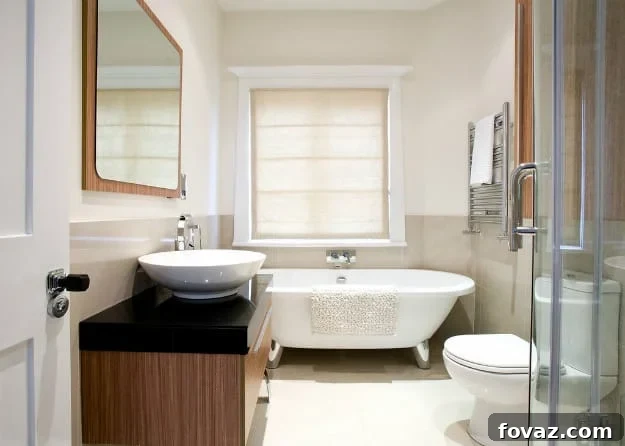
Bathroom storage can present a significant challenge, especially in smaller spaces or when accommodating full-size showers and pedestal sinks. If your layout allows, a dedicated closet, an elegant armoire, or even a simple chest can provide crucial space for linens and essentials. Maximize blank wall space by installing shelving units above the toilet or over towel bars. For a custom, seamless look, consider utilizing the often-overlooked spaces between wall studs to create built-in niches – perfect for holding soaps, shampoos, and other toiletries. Beyond these larger solutions, a multitude of clever ways exist to store smaller items, including handy magnetic strips for metal tools and under-cabinet caddies for cleaning supplies.
If you’re embarking on a comprehensive bathroom remodel, several smart strategies can help you avoid overspending. One highly effective approach is to refinish your existing bathtub, shower, sink, or tile surfaces rather than opting for full replacement. Refinishing can achieve a refreshed, like-new appearance at a fraction of the cost. You can also update your bathroom affordably and easily by simply changing out hardware, such as drawer pulls, faucet handles, and showerheads – these small changes can have a big impact. And mirroring kitchen renovation advice, if budget conservation is a top priority, absolutely stick to your current layout. Relocating a sink or toilet involves extensive plumbing work, which can quickly drain your budget. Strategic planning ensures you get the most impact for your investment.
4. One Thing at a Time: Smart, Smaller Projects for Big Impact
If extensive, full-room renovations aren’t feasible for your current budget or schedule, there are numerous smaller, impactful projects you can undertake one at a time. These incremental improvements can significantly enhance your home’s value, character, and appeal, making it a more enjoyable place to live and a more attractive prospect for future buyers. Focusing on these manageable tasks allows you to steadily upgrade your homestead without overwhelming resources.
Interior Doors: Defining Style and Serenity
Often underestimated, interior doors play a pivotal role in a home’s overall aesthetic and feel. Replacing outdated or plain doors with stylish flat or raised panel doors instantly injects fresh style, character, and personality into your living spaces. Many older homes feature hollow core interior doors, which offer minimal sound insulation. Switching these out for solid core doors not only adds a reassuring sense of weight and quality but also dramatically reduces noise transmission between rooms, fostering a more peaceful and private environment throughout your homestead.
Lighting and Fixtures: Illuminating Beauty
Poor lighting and outdated fixtures can detract from your home’s inherent charm and beauty. Upgrading to new fixtures equipped with higher wattage bulbs can instantly modernize your interior, creating a brighter, more inviting atmosphere. Thoughtful lighting helps draw attention to your home’s best features, impressing both friends and prospective buyers. Even seemingly minor changes, such as swapping out traditional candle-shaped bulbs for contemporary round ones in a chandelier, can make a surprisingly significant style difference, updating the entire look of a room.
Staircases: A Grand Impression
In many multi-story homes, staircases serve as a prominent architectural focal point. Therefore, maintaining them in pristine condition is incredibly important for both safety and aesthetics. Promptly repair any broken treads, fill unsightly gouges, and securely fasten loose railings and carpeting. If you’re looking to refresh or completely change the look of your stairs, consider replacing the balusters for a new design, refinishing or painting the wood elements, or adding elegant runners for comfort and style. There are countless creative and budget-friendly ways to dress up staircases, allowing you to tailor them to your homestead’s unique character.
Closet Organization: Maximizing Every Inch
For those living in older homes, a common challenge is often a perceived lack of storage space. This makes it absolutely essential to maximize the utility and organization of every closet you do have. Update your closets by installing multilevel rods to hang more clothes, adding adjustable shelving for folded items, and incorporating pullout drawers for accessories and smaller garments. Not only will these enhancements provide you with a far more functional and efficient closet system for your daily needs, but they also present your home as well-maintained and thoughtfully customized to potential buyers when you’re ready to sell, showcasing the home’s practical benefits.
5. Hiring Smart: Expert Help for Complex Projects
When embarking on home improvement projects, a crucial first step is to honestly evaluate your own skills and comfort level. Discern which tasks you can confidently tackle yourself and which are better entrusted to seasoned professionals. Trust in this assessment: it is invariably more cost-effective to hire a qualified contractor from the outset for complex jobs than to attempt a DIY solution that ultimately requires professional remediation. The success of any major home renovation project hinges significantly on choosing the right contractor, a task that, while challenging, is well worth the effort.
Finding and Vetting the Right Contractor:
Begin your search by gathering personal referrals from trusted friends, family members, co-workers, and neighbors who have recently completed similar projects. Their firsthand experiences can provide invaluable insights. Next, leverage reputable industry resources; for example, search the National Association of the Remodeling Industry (NARI) website for a comprehensive list of accredited contractors operating in your local area. Once you have compiled a shortlist of three to five potential candidates, you can proceed to collect bids for your project. Exercise caution with the lowest bidder; an unusually low estimate might indicate that the contractor is cutting corners on labor, using subpar materials, or failing to account for all necessary expenses. Generally, you’ll find the safest and most reliable option among bids that fall somewhere in the middle range, representing a fair balance of cost and quality.
Ensuring Professionalism and Protection:
Before making your final decision, request copies of both the contractor’s license and the licenses of any major subcontractors who will be working on your property. It is absolutely imperative to hire a licensed, bonded, and insured contractor. This protects you in several ways: a licensed contractor demonstrates professional competency; being bonded provides financial protection if the contractor fails to complete the job as per the contract; and, critically, comprehensive liability insurance protects you from financial responsibility if a member of the work crew sustains an injury on your property. Without proper insurance, you could be held liable for medical costs and other damages. Furthermore, conduct thorough background checks: consult disciplinary boards, review their standing with the Better Business Bureau (BBB), and check local court records for any outstanding claims or legal disputes. These steps provide crucial peace of mind.
Crafting a Comprehensive Contract:
Finally, once you have selected your ideal contractor, ensure a detailed, written contract is drawn up. This legally binding document should explicitly outline the following key elements:
- Project Timelines: Clearly stated start date and projected completion date.
- Detailed Project Scope: A comprehensive description of all work to be performed.
- Materials & Products: Specific brands, models, and types of materials and products to be used.
- Total Cost & Payment Structure: The agreed-upon total cost for the project and a clear payment schedule, including any down payments and progress payments.
- Licenses: The contractor’s license number and the license numbers of all primary subcontractors.
- Insurance Verification: Proof of both liability insurance and worker’s compensation payments.
- Lien Releases: A mandatory requirement that the contractor obtain lien releases from all subcontractors and suppliers upon final payment, ensuring you are not held responsible for their outstanding debts.
Hiring a contractor requires placing a significant amount of trust in a professional who will be working extensively on, and within, your homestead. By diligently performing your due diligence and patiently vetting candidates, you equip yourself to make an informed decision. The thoroughness and patience invested upfront will undoubtedly be rewarded with an exceptional finished product that enhances your home for years to come.
Up Next: 10 Easy DIY Wood Projects For Small Spaces
Did you find this post on home improvement projects useful and informational? Let us know in the comments section below!