
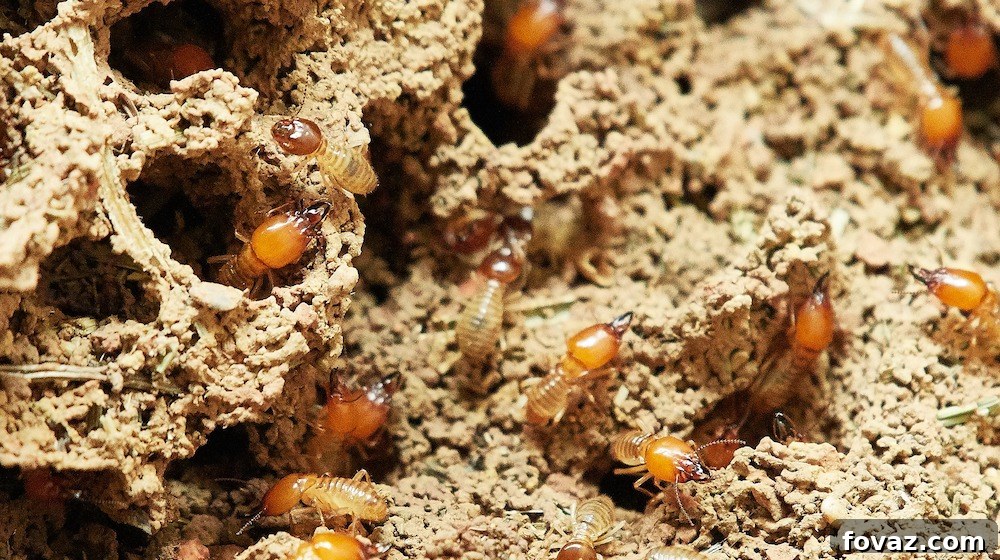
Termite infestations are every homeowner’s nightmare. These tiny, destructive pests can silently cause immense structural damage, leading to costly repairs and significant stress. If you’re on the hunt for effective DIY termite treatment methods to protect your home and keep these unwelcome guests at bay, you’ve come to the right place. This comprehensive guide will equip you with the knowledge and practical steps to identify, treat, and prevent termite problems using accessible, homeowner-friendly solutions.
Understanding the Termite Threat: Why Early Action Matters
Termites are social insects that live in large colonies and primarily feed on cellulose, a material found in wood, paper, and fabrics. While they play a vital role in nature by breaking down dead trees, their presence in your home can be devastating. They work relentlessly, often unnoticed, chewing through wooden foundations, support beams, flooring, and even furniture. The insidious nature of their damage means that by the time signs become obvious, the infestation may already be severe, making prompt identification and treatment crucial for safeguarding your property and your peace of mind.
Early Detection: Signs of a Termite Infestation
Before diving into treatment, it’s essential to confirm you have a termite problem and understand its extent. Different types of termites (subterranean, drywood, dampwood) leave varying clues. Keep an eye out for these tell-tale signs:
- Mud Tubes: Subterranean termites, which live underground, build distinctive mud tubes (about the width of a pencil) on foundations, walls, or floor joists to protect themselves as they travel from their colony to food sources.
- Discarded Wings: After swarming (their reproductive flight), termites shed their wings, often found near windowsills, doors, or other light sources. These wings typically look like small, translucent fish scales.
- Frass (Termite Droppings): Drywood termites create tiny, pellet-like droppings called frass. These often resemble sawdust or coffee grounds and can be found near infested wood.
- Hollow-Sounding Wood: Tap on wooden surfaces. If they sound hollow, it could indicate termites have eaten away the interior.
- Blistering or Darkening Wood: Termite activity can cause wood to look water damaged, with slight blistering or darkening.
- Stuck Windows or Doors: As termites tunnel through door or window frames, they can cause wood to swell, making these fixtures difficult to open or close.
- Visible Tunnels in Wood: In severe cases, you might see intricate galleries and tunnels within damaged wood.
If you observe any of these signs, it’s time to act swiftly with appropriate treatment strategies.
Your DIY Termite Treatment Arsenal
While some infestations require professional intervention, many smaller, localized termite problems can be addressed with effective DIY methods. Here are several popular approaches:
1. Orange Oil: A Natural Punch Against Termites
Orange oil, specifically its active ingredient d-Limonene, is a natural and effective solution for localized drywood termite infestations. Derived from orange peels, d-Limonene is lethal to termites upon contact, dissolving their exoskeletons and disrupting their nervous systems. It’s also a popular alternative to fumigation due to its non-toxic nature and pleasant citrus scent. To use orange oil, you’ll need to pinpoint the exact location of the infestation. Once identified, small holes are drilled into the infested wood, and the orange oil is injected directly into the termite galleries. This method is best for areas where the extent of the infestation is clearly visible and accessible. While potent against direct contact, its effectiveness is limited to the areas it can penetrate, making it less suitable for widespread, hidden colonies.
2. Borax (Boric Acid): The Versatile Solution
Borax, commonly known as boric acid, is a multi-purpose household cleaner that also serves as an effective termite killer and repellent. When termites ingest boric acid, it acts as a stomach poison, shutting down their nervous system and dehydrating them. It’s a slower-acting but potent method. You can use borax in several ways: create a diluted spray solution (one teaspoon of borax powder per cup of water) and apply it to exposed wood or areas where termites are suspected. For a more direct approach, create a borax paste and apply it to infested wood, or dust borax powder into cracks and crevices. Boric acid can also be incorporated into bait stations. Regular application and careful targeting are key to its success, and while it’s relatively safe for humans and pets in small amounts, it’s always wise to handle it with gloves and keep it out of reach of children.
3. Natural Termite-Repelling Plants
If you’re looking for a natural, preventive approach, certain plants are known to deter termites from your home’s perimeter. Incorporating these into your landscaping can create a natural barrier. Vetiver grass, for example, produces a strong, woody scent that repels termites and inhibits their tunneling. Catnip contains nepetalactone, a compound that termites find highly unpleasant. Other plants like garlic, mint, and even specific types of marigolds are believed to have repellent properties due to their strong aromas or chemical compounds. While these plants won’t eliminate an existing infestation, they can be a valuable part of a broader prevention strategy, making your home less attractive to termites in the first place, especially around foundations and garden beds.
4. The Cardboard Trap: A Simple Lure and Destroyer
Termites are highly attracted to cellulose, making cardboard an ideal material for a simple, yet effective trap. This method is particularly useful for detecting the presence of termites and for localized removal of small groups. To create a cardboard trap, simply wet several pieces of cardboard – the moisture makes it even more appealing – and stack them in an area where you suspect termite activity. The termites will be drawn to the cardboard and begin to feed on it. After a few days, carefully collect the infested cardboard (which will now contain many termites) and dispose of it by burning it or sealing it in a plastic bag and placing it in direct sunlight to kill the pests. This method is a great diagnostic tool and can help reduce termite populations in specific spots, but it’s unlikely to eradicate an entire colony on its own.
5. Advanced Perimeter Chemical Treatments (Consult a Professional)
When dealing with established subterranean termite colonies, a more robust solution involving chemical barriers is often necessary. While some professional-grade termiticides like fipronil (found in products like Termidor) are incredibly effective, their application typically requires expertise and specialized equipment. These treatments involve creating a continuous chemical barrier in the soil around your home’s foundation, which termites cannot detect. When they attempt to pass through this treated zone, they either die or carry the termiticide back to the colony, leading to its eventual collapse. While the concept of a chemical barrier is valuable for homeowners to understand, direct DIY application of these powerful chemicals can be dangerous and ineffective if not done correctly. For these advanced solutions, it is highly recommended to consult with or hire a licensed pest control professional who can apply these treatments safely and effectively, ensuring comprehensive coverage and compliance with local regulations. The link provided offers a guide on understanding these treatments, but always prioritize safety and professional advice for potent chemicals.
6. Subterranean Termite Treatment Guide: DIY Trenching for Deterrence
For subterranean termites, creating a trench around your home’s foundation can be a crucial step in both prevention and treatment. While applying professional-grade termiticides into these trenches is best left to experts, homeowners can still perform DIY trenching for other purposes, such as applying less toxic deterrents or preparing the area for professional treatment. The basic process involves digging a trench approximately six inches wide and six inches deep around the entire perimeter of your home. If you’re using a professional chemical, they would fill this trench with the termiticide. For DIY, you might consider filling it with a less toxic barrier like sand, gravel, or even borax solutions mixed into the soil, creating a physical or chemical deterrent. Ensure proper drainage to avoid moisture build-up, which can attract termites. This method is labor-intensive but can be highly effective when combined with other strategies or as a preparatory step for professional services. The guide at the provided link gives detailed steps on how to execute effective trenching.
Proactive Termite Prevention Strategies
Beyond active treatments, prevention is your best defense against termites. Incorporate these habits into your home maintenance routine:
- Reduce Moisture: Repair leaky pipes, faucets, and air conditioning units. Ensure proper drainage around your foundation and clean gutters regularly to prevent water accumulation.
- Eliminate Wood-to-Soil Contact: Keep all wood structures (decks, fences, firewood) away from direct contact with the soil. Create a barrier of at least six inches between wood and soil.
- Seal Entry Points: Seal cracks in your foundation, caulk around windows and doors, and repair any damaged screens to block potential entry points.
- Trim Vegetation: Keep shrubs, trees, and other plants trimmed away from your home’s foundation to reduce moisture and visibility for inspections.
- Regular Inspections: Periodically inspect your home’s foundation, crawl spaces, and attic for any signs of termite activity.
- Store Firewood Properly: Store firewood at least 20 feet away from your home and elevate it off the ground.
When to Call the Professionals: Knowing Your Limits
While DIY methods offer a cost-effective solution for minor issues, it’s crucial to recognize when professional help is indispensable. If you suspect a large-scale infestation, if the termites return after your DIY efforts, or if you’re dealing with subterranean termites (which are notoriously difficult to eradicate completely without specialized knowledge and tools), it’s time to call in the experts. Professional pest control services have the training, advanced equipment, and access to more potent, restricted-use termiticides to effectively eliminate termites and provide long-term protection for your home. Investing in professional treatment can save you thousands in future repair costs and provide the peace of mind that your home is truly termite-free.
Want to watch how to do your own subterranean termite trenching treatment around your home? Check this video tutorial out:
Join Our DIY Community!
Did you enjoy our comprehensive list of DIY termite treatments and prevention strategies? We’d love to hear your thoughts and experiences in the comments section below! Have you tried any of these methods, or do you have a secret weapon against termites you’d like to share? Your insights are invaluable to our community of DIY enthusiasts. We’re passionate about empowering people to tackle home projects, from craft creations and home decor ideas to upcycling tutorials and practical recipes. We believe in the power of doing it yourself and fostering a creative, supportive environment where every project is just a click away. Connect with us and stay inspired on Facebook, Twitter, Pinterest, and Instagram!