
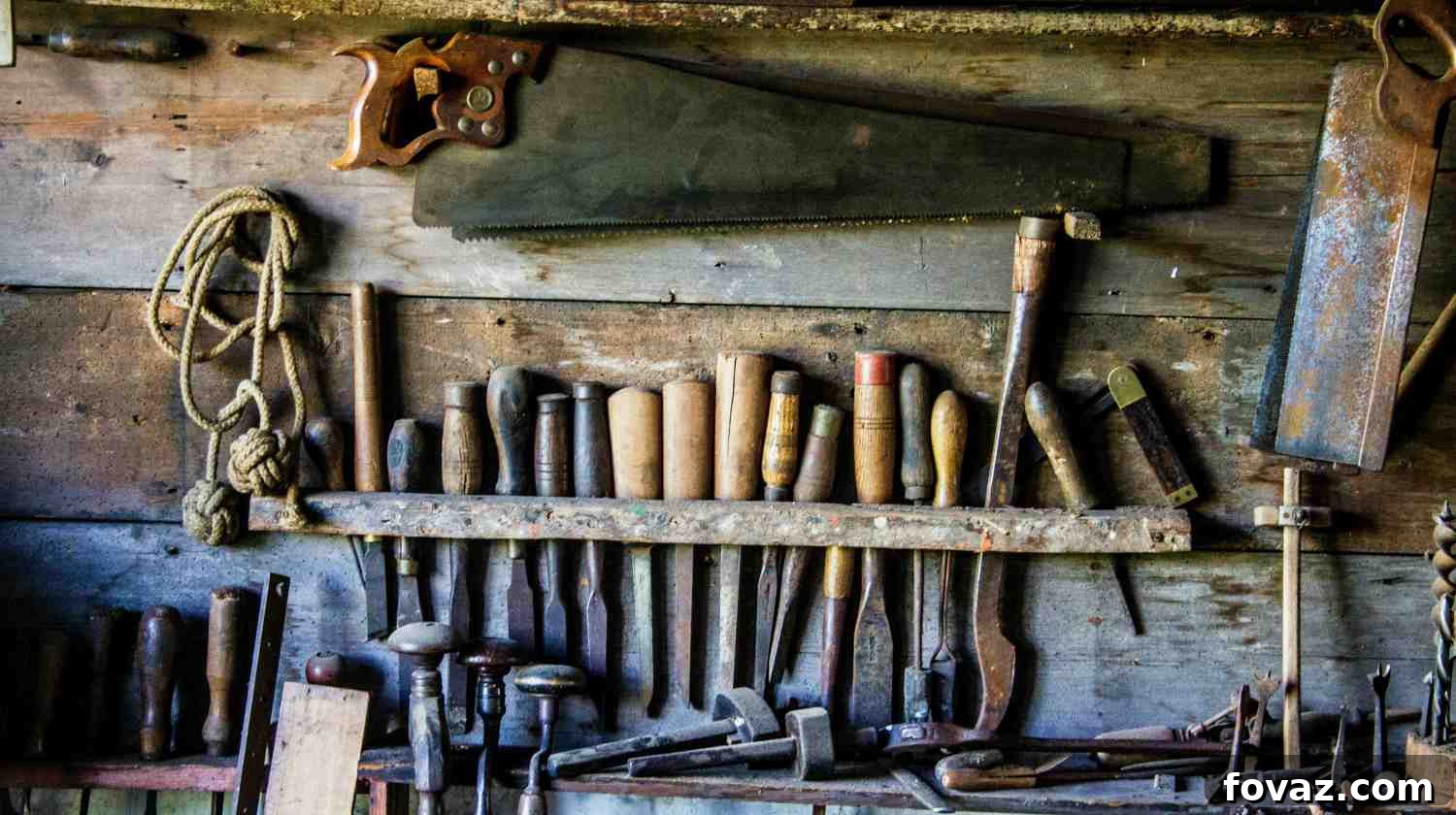
The Essential Guide to Woodworking Tools for Beginners
Woodworking is a deeply rewarding hobby, a journey of creativity, precision, and transforming raw materials into functional art. Many aspiring woodworkers, myself included, often begin with a simplified vision—perhaps just a hammer, nails, and a saw. However, the true craft unfolds as you delve into the vast world of specialized woodworking tools. Understanding these tools isn’t just about collecting equipment; it’s about mastering techniques, ensuring safety, and unlocking the full potential of your woodworking projects.
This comprehensive guide is designed to walk you through the fundamental tools every budding woodworker needs to know, from basic hand tools to essential power tools and crucial safety gear. We’ll explore their uses, what to consider when purchasing them, and how they can elevate your craftsmanship. Whether you’re dreaming of building your first bookshelf or crafting intricate pieces, a solid foundation in tool knowledge is your first step towards success. So, before you dive into your first project, let’s equip you with the knowledge that will build your confidence and skills.
I. Essential Hand Tools: The Foundation of Woodworking
Hand tools are the heart of traditional woodworking. They offer unparalleled control, precision, and an intimate connection with the material. Mastering them is key to understanding the craft.
Measuring and Marking Tools
- Tape Measure: An absolute necessity for any project, big or small. Opt for one with a durable casing, clear markings, and a strong lock. Accuracy starts here.
- Ruler or Straightedge: For shorter, precise measurements and drawing straight lines. A metal ruler is often preferred for durability and accuracy, especially when marking cut lines.
- Combination Square: More than just a square, this versatile tool allows you to mark 90-degree and 45-degree angles, measure depth, and check for squareness. It’s invaluable for layout and joinery.
- Marking Gauge: Used to draw a line parallel to an edge, perfect for marking cutting lines for joinery like dados or rabbets. It ensures consistent and precise lines.
- Pencils and Knives: A sharp pencil is good for general marking, but a marking knife offers hair-thin lines for critical cuts, ensuring greater precision than a pencil line.
Cutting and Shaping Tools
- Hand Saws: While power saws are fast, a good hand saw offers control.
- Crosscut Saw: Designed to cut across the grain of wood.
- Rip Saw: Ideal for cutting along the grain, usually for resizing lumber.
- Backsaw (e.g., Dovetail Saw): Features a stiffening rib along the top edge, allowing for thinner blades and precise cuts, especially for joinery.
- Chisel Set: Essential for cutting joints, paring away waste, and shaping wood. A basic set of four to six chisels (ranging from 1/4″ to 1″) will cover most beginner needs. Keep them razor-sharp for safe and effective use.
- Block Plane: A small, handheld plane perfect for trimming end grain, chamfering edges, and fitting joints. It’s a joy to use once you learn to sharpen and set it correctly.
Clamping and Fastening Tools
- Wood Clamps (Bar Clamps, F-Clamps, Spring Clamps): You can never have too many clamps! They are crucial for holding workpieces together during glue-ups, cutting, or drilling. Invest in various sizes and types to handle different project needs.
- Mallet: Used with chisels to provide controlled impact without damaging the chisel handle. A wooden or rubber mallet is gentle yet effective.
- Screwdrivers: Both manual and power drill bits are necessary. A good set of Phillips and flathead screwdrivers will always come in handy.
II. Core Power Tools: Boosting Efficiency and Capability
As your skills grow and projects become more ambitious, power tools can significantly increase efficiency and expand your capabilities. Prioritize quality and safety features.
Drilling and Driving
- Cordless Drill/Driver: Perhaps the most versatile power tool for beginners. It drills holes for screws and joinery, and drives fasteners quickly. Look for good battery life and variable speed control.
Sanding and Finishing
- Random Orbital Sander: A game-changer for finishing. This sander vibrates and spins, creating a swirl-free finish much faster than hand sanding. Essential for preparing wood for stain or finish.
Cutting Power Tools
- Jigsaw: Excellent for cutting curves, intricate shapes, and making plunge cuts. It’s a very forgiving tool for beginners, perfect for scrollwork or cutting out shapes from sheet goods.
- Circular Saw: A highly versatile saw for making straight cuts on larger pieces of wood or sheet goods like plywood. When paired with a guide, it can offer surprisingly accurate results for breaking down lumber.
- Miter Saw (Optional but Recommended): Once you’re comfortable with basic cuts, a miter saw makes precise crosscuts and angled cuts (miters and bevels) with ease and repeatability. It’s incredibly useful for framing and trim work.
III. Crucial Safety Gear: Prioritizing Your Well-being
Safety is paramount in any workshop. Never compromise on protecting yourself. These items are non-negotiable.
- Safety Glasses or Goggles: Always protect your eyes from flying debris, sawdust, and chemical splashes. This is the first piece of safety gear you should put on.
- Hearing Protection: Power tools can be very loud and cause permanent hearing damage over time. Earmuffs or earplugs are essential.
- Dust Mask/Respirator: Sawdust, especially from certain woods or when sanding, can be harmful to your respiratory system. A good dust mask or a more advanced respirator is a must.
- Gloves: While not always recommended when operating certain power tools (as they can get caught), gloves are great for handling rough lumber, applying finishes, or cleaning up.
- First Aid Kit: Accidents can happen. Have a well-stocked first aid kit readily accessible in your workspace.
IV. Adhesives, Fasteners, and Abrasives
These consumables are just as important as your tools.
- Wood Glue: High-quality wood glue creates incredibly strong joints, often stronger than the wood itself. Invest in a good waterproof wood glue for outdoor projects.
- Screws and Nails: Different projects require different fasteners. Start with a basic assortment of wood screws and finishing nails.
- Sandpaper (Various Grits): From coarse (60-80 grit) for rapid material removal to fine (180-220 grit) for final preparation, having a range of sandpaper is crucial for achieving a smooth finish.
V. Setting Up Your Beginner Workshop
You don’t need a huge space, but an organized one makes a big difference.
- Sturdy Workbench: A stable work surface is fundamental for accurate and safe work. It doesn’t have to be fancy, but it needs to be solid and flat.
- Good Lighting: Adequate lighting reduces eye strain and helps you see your marks and cuts clearly, minimizing errors.
- Storage Solutions: Keep your tools organized and accessible. Pegboards, shelves, and tool chests help maintain order and protect your investments.
VI. Tips for Aspiring Woodworkers
Starting a new hobby can be daunting, but these tips can help smooth your journey:
- Start Simple: Don’t try to build a complex cabinet on your first go. Begin with small, manageable projects like a cutting board, a simple box, or a picture frame. This builds confidence and reinforces basic skills.
- Prioritize Safety: Always wear your safety gear. Read manuals, understand how your tools work, and never rush a cut. A safe workshop is a happy workshop.
- Learn Proper Techniques: Watch tutorials, read books, and consider taking a local class. Proper technique not only yields better results but also makes woodworking safer and more enjoyable.
- Invest Wisely: You don’t need the most expensive tools to start, but avoid the cheapest, flimsy options. Good quality tools will perform better, last longer, and be more enjoyable to use. Buy what you need for your current project, then expand your collection as your skills and project complexity grow.
- Practice Patience: Woodworking is a skill that develops over time. Expect mistakes, learn from them, and enjoy the process. Every imperfect cut is a lesson learned.
- Maintain Your Tools: Keep your tools clean, sharp, and rust-free. Sharp tools are safer and more effective.
Conclusion: Your Woodworking Journey Begins Here
Embarking on the path of woodworking is a fulfilling adventure, offering endless opportunities for creativity and skill development. Understanding and acquiring the right tools, coupled with a steadfast commitment to safety and continuous learning, will set you up for success. This guide provides a solid starting point for building your essential toolkit and confidence. Remember, every master woodworker was once a beginner. Embrace the learning process, enjoy the transformation of wood, and soon you’ll be crafting pieces you’re truly proud of. Happy woodworking!