

At a Glance: Is the Junk Journal Market Saturated or Not?
- The junk journal market is not saturated; demand from buyers remains steady.
- Most Etsy junk journal shops are under-optimized rather than under-priced.
- Comparing prices is the most common mistake sellers make and creates the impression of a crowded market.
- A shop with 300 sales at $38 can out-earn a shop with 900 sales at $14.
- The fix starts with a simple calculation many sellers skip: your true cost per journal.
- Use a pricing worksheet to run the numbers before you list new items.
Is the Junk Journal Market Saturated?
You opened Etsy and scrolled for a while. You saw shops with thousands of sales and low-priced listings for items that clearly required hours to make. That’s discouraging, but it isn’t the same as research. It’s an emotional reaction amplified by search results.
The core question matters because it determines your next steps. Below is a clear, practical breakdown.
The Short Answer is…
No — the junk journal market is not saturated. Search data across major platforms shows steady interest in handmade junk journals over the past few years. The real issue is many sellers have not learned basic pricing, listing strategy, or search optimization. They learned the craft, but not the business.
What Does “Saturated” Actually Mean?
A saturated market means demand has flattened or fallen while supply has increased beyond what buyers will support: prices drop, margins vanish, and established shops decline. That is not the current state for junk journals.
What we see instead are many new makers entering the space, copying the cheapest listing, and creating a category full of underpriced products. From the outside it looks crowded; from the inside it’s a pricing and positioning problem, which is solvable.
A crowded category with weak competition is actually an opportunity for anyone who approaches it as a business.
Is There Still Demand for Junk Journals?
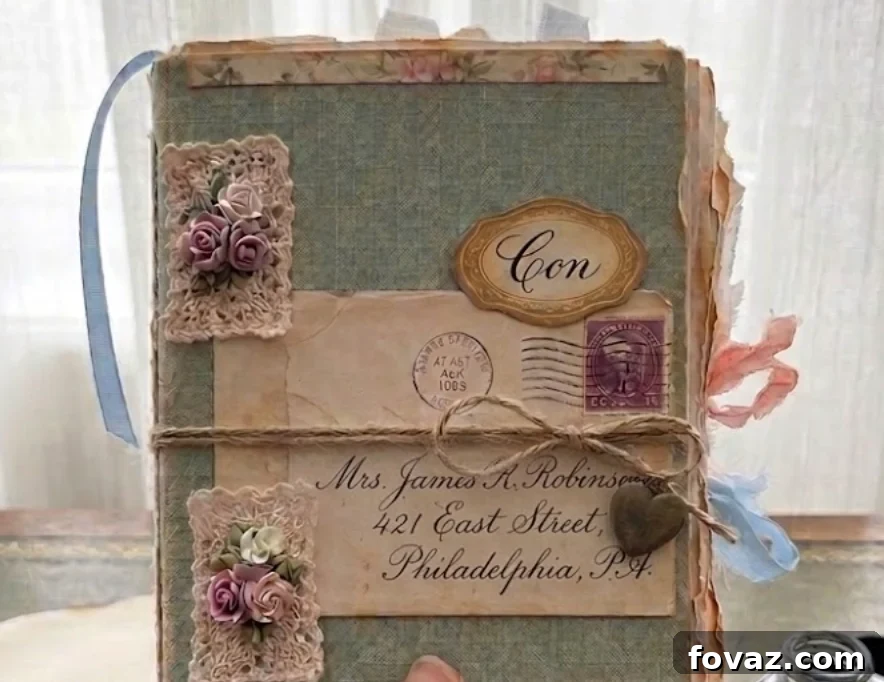
Yes. Interest in junk journaling has been consistent over the last three years, with growth in niche areas like vintage ephemera, nature-themed, and travel journals. Buyers are present on Etsy, Pinterest, and at in-person markets seeking handmade paper goods they can’t find in mainstream stores.
The problem lies on the supply side: many sellers priced by comparison and skipped fundamental business steps. That leaves room for sellers who price accurately, write clear listings, and present their work well.
Why Do So Many Junk Journal Shops Look the Same?
Because most makers start from the same sources—Pinterest and YouTube tutorials—then set up shops by undercutting the lowest-priced listing they find. Underpricing seems logical, but it’s harmful.
When you list below the cheapest competitor, you signal lower value to buyers and lock yourself into a race to the bottom. Many listings share similar photography, generic descriptions, and comparable low price points. That creates the appearance of saturation, but it’s actually a gap in business skills.
A single listing with clear photography, a targeted description for a specific buyer, and a price that reflects actual costs will often outperform multiple generic, bargain-priced listings.
Can You Still Make Money Selling Junk Journals on Etsy?
Yes — with realistic expectations and a proper setup. Sellers who apply business fundamentals report consistent earnings without large followings or paid ads.
For example, a shop that has been active for 12–18 months, uses intentional Etsy SEO, maintains consistent photography, and prices at or above the market midpoint can clear around $1,100 a month from physical journals alone.
Adding a passive digital product line, like printable ephemera packs priced from $4.50 to $9, can increase monthly income without additional production time. Two well-run local craft shows a year can add $1,000 or more per event when priced and displayed correctly.
Sellers who claim the market is dead are often the ones who set very low prices, made a handful of sales, and burned out. That’s a setup problem, not a market collapse.
How Do You Know If It Is a Pricing Problem, Not a Saturation Problem?
Answer these four questions honestly:
1. Did you set your price by copying competitors? If so, your price is a guess based on someone else’s guess.
2. Do you lower prices when sales slow? Frequent discounting usually masks issues like poor search visibility or seasonality and conditions buyers to wait for sales.
3. Do you feel frustration after a sale because of the time invested? If you think “I spent six hours on that,” your pricing likely doesn’t reflect your true cost.
4. Have you calculated your actual cost per journal? Include materials, realistic labor at an hourly rate, fees, packaging, and shipping supplies. Many sellers never do this basic math.
If you answered yes to two or more, the issue is your pricing and listing strategy, not a closed market. Calculating costs is the first step; the next is building listings that buyers find and trust enough to pay full price. Undervaluing your work trains the market to expect low prices and undermines long-term sustainability.
I wrote a practical guide for makers who are skilled at the craft but unsure about business basics. It covers pricing strategy, listing optimization, and adding passive digital products so your craft time converts into reliable income.
A step-by-step business guide for makers who already know the craft and are ready to stop undercharging for their work.
See What’s Inside
Frequently Asked Questions
Is junk journaling still popular? Yes. Search interest has remained stable for several years, with growth in sub-niches like vintage and nature-themed journals. Buyers are active on Etsy, Pinterest, and at in-person markets.
Is the junk journal market saturated? No. The category is crowded with many under-optimized shops, but demand is strong. Most sellers are pricing by comparison and missing revenue, which leaves opportunity for sellers who adopt better business practices.
How much do junk journals sell for on Etsy? Most listings fall between $12 and $48. Sellers who price between roughly $28 and $42 and combine that with strong photography and targeted descriptions tend to earn more per production hour than those clustered at the low end.
Is it too late to start selling junk journals? No. New shops regularly find success in established categories by implementing better photography, clearer pricing, and focused listing copy. These are learnable skills that make a measurable difference.
Why aren’t my junk journals selling? The most common causes are poor search visibility, weak pricing, and vague listing descriptions. A listing that simply says “handmade junk journal, mixed media” doesn’t explain who the journal is for or what makes it special. Specificity converts better.
How do I price a junk journal? Start by calculating your true costs: materials, realistic labor at an hourly rate, platform fees, packaging, and shipping supplies. That total is your floor. Then research the mid-to-premium price range for your specific niche rather than copying the cheapest listings. A pricing worksheet helps walk through these numbers step by step.