
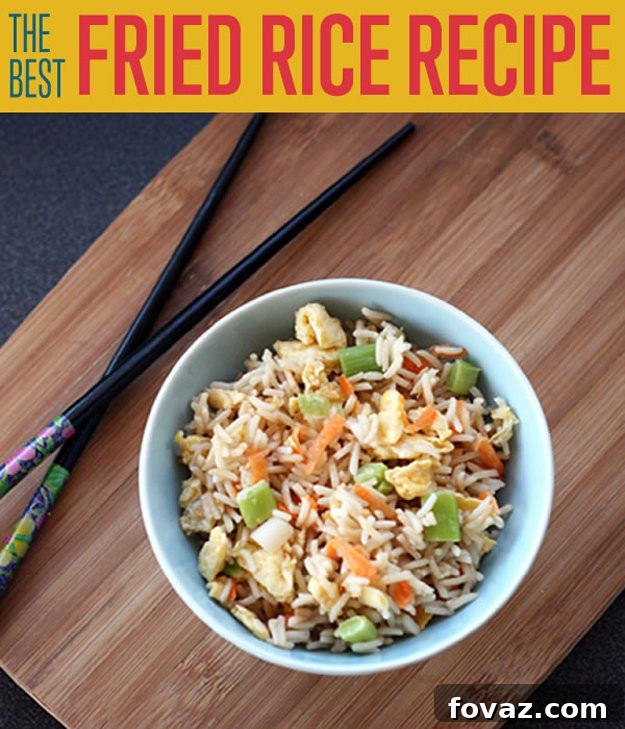
Fried rice is more than just a dish; it’s a culinary staple cherished across countless cultures and households worldwide. It consistently ranks high among family favorites, and for good reason. Its comforting blend of savory flavors, satisfying textures, and incredible versatility makes it an ideal choice for any meal. Whether you’re a seasoned home cook or just starting your culinary journey, mastering a delicious fried rice recipe is an invaluable skill that will impress your family and friends every time.
For many, including our household, fried rice is an absolute essential. My husband and son, avid fans of Asian cuisine, always look forward to a steaming plate of homemade fried rice accompanying our stir-fries or curries. There’s a special joy in watching even the pickiest eaters, like my toddler, eagerly devour every grain of this flavorful dish. Its universal appeal makes it a go-to option when you need a crowd-pleaser that’s both quick and satisfying.
Beyond being a perfect side dish, fried rice effortlessly transforms into a complete meal on its own. Simply incorporate your favorite protein, such as tender chicken, succulent shrimp, savory beef, or even plant-based options like tofu, and you have a wholesome and fulfilling dinner ready in minutes. This adaptability makes it an incredibly practical solution for busy weeknights when time is of the essence but quality and taste cannot be compromised.
The Ultimate Weeknight Hero: Why Fried Rice Reigns Supreme
We’ve all been there: staring into the refrigerator, wondering what to make for dinner. In those moments of indecision, fried rice often comes to the rescue. It’s a brilliant solution for using up ingredients you already have on hand, minimizing food waste and maximizing flavor. Leftover plain rice, an assortment of forgotten vegetables, or even small portions of cooked meat can all find a new, delicious purpose in a batch of fried rice. As someone with a few hens at home, I’m rarely short on fresh eggs, which are a cornerstone of any great fried rice recipe, adding richness and protein effortlessly.
This dish truly embodies the spirit of resourceful cooking. It encourages creativity and allows you to customize it based on your pantry and preferences. Don’t think of it as a rigid recipe, but rather a flexible framework that adapts to whatever ingredients you have available, making every batch a unique and delightful experience.
Secrets to Perfect Fried Rice: Tips for an Unforgettable Dish
While making fried rice is inherently simple, a few key techniques can elevate it from good to truly exceptional. These insights are crucial for achieving that authentic texture and flavor you crave, similar to what you’d find in your favorite Asian restaurant.
1. The Magic of Day-Old Rice
The cardinal rule of perfect fried rice begins with the rice itself. It is significantly easier and yields superior results when made with rice that has been cooked earlier and thoroughly chilled in the fridge. Day-old rice is drier and firmer, preventing it from clumping together and becoming mushy when stir-fried. This allows each grain to crisp up beautifully and absorb the flavors of the sauces and aromatics. If you find yourself needing to make fried rice last minute with freshly cooked rice, spread it out on a baking sheet to cool quickly and ideally refrigerate it for at least an hour to remove excess moisture. Using long-grain varieties like Jasmine rice typically works best due to their lower starch content.
2. High Heat is Your Best Friend
The best fried rice is cooked quickly over very high heat. This rapid cooking process, often referred to as “wok hei” in Cantonese cuisine, imparts a distinctive smoky flavor and creates those desirable slightly crispy bits of rice. It’s crucial to preheat your wok or skillet until it’s smoking hot before adding any ingredients. This ensures that ingredients cook evenly and don’t steam, preventing a soggy outcome.
3. Don’t Crowd the Pan
To maintain high heat and achieve proper stir-frying, cook ingredients in batches if necessary, especially if you’re making a large quantity. Overcrowding the pan will lower the temperature, causing ingredients to steam rather than fry, which compromises texture and flavor.
4. The Right Oil Matters
While sesame oil is essential for its distinctive flavor, it has a low smoke point. Use a neutral, high smoke point oil like vegetable, canola, or grapeseed oil for the initial stir-frying, and add sesame oil at the very end to preserve its delicate aroma and taste.
5. Prepare Everything in Advance (Mise en Place)
Fried rice comes together very quickly once you start cooking. Therefore, have all your ingredients chopped, measured, and ready to go before you even turn on the heat. This “mise en place” approach ensures a smooth and stress-free cooking process.
Customizing Your Fried Rice: Endless Possibilities
One of the most appealing aspects of fried rice is its incredible flexibility. This recipe serves as an excellent foundation, but don’t hesitate to adapt it to your family’s tastes or whatever ingredients you happen to have available. Experiment with different sauces, oils, proteins, and especially vegetables!
Vegetable Variations:
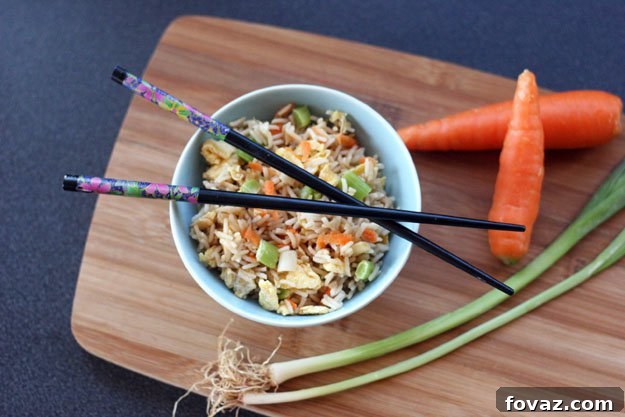
While peas and carrots are traditional choices, your options are vast. Both my son and I aren’t keen on peas, so I often substitute with vibrant green onions and finely shredded carrots. Other fantastic additions include:
- Diced bell peppers (red, yellow, or green) for color and sweetness.
- Chopped cabbage or bok choy for a crunchy texture.
- Mushrooms (shiitake or button) for an earthy flavor.
- Corn kernels, broccoli florets, or even chopped green beans.
I prefer to shred my carrots because they cook exceptionally fast, but you can roughly chop them or cut them into small cubes—it’s all about personal preference. The key is to cut vegetables into uniform, bite-sized pieces so they cook evenly.
Protein Power-Ups:
Feel free to get creative with your protein:
- Leftover roast chicken or rotisserie chicken, shredded or diced.
- Shrimp, cooked until just pink.
- Cubed pork or beef.
- Scrambled tofu or tempeh for a vegetarian option.
Flavor Boosters:
Beyond soy sauce, consider adding a dash of oyster sauce for a deeper umami flavor, or fish sauce for a savory kick. A touch of white pepper or a drizzle of chili garlic sauce can also elevate the taste profile. Fresh ginger, minced along with garlic, can add an extra layer of aromatic complexity.
With these guidelines and tips in mind, get ready to embark on a delicious culinary adventure. Use this recipe as your starting point, and most importantly, have fun with it!
The Best Homemade Fried Rice Recipe | A Step-by-Step Guide
Ingredients:
- 3 cups cooked rice (day-old, long-grain rice like Jasmine works best)
- 3 large eggs, lightly beaten
- 2-3 Tbsp. low-sodium soy sauce (or oyster sauce or fish sauce, adjusted to taste)
- 1-2 Tbsp. sesame oil (for finishing)
- 2-3 Tbsp. neutral cooking oil (like vegetable, canola, or grapeseed oil)
- ½ -1 cup mixed vegetables (traditional peas and carrots, or your choice like shredded carrots, green onions, bell peppers)
- ½ medium onion, finely chopped
- 1 clove garlic, minced (or 2 cloves for extra flavor)
- 1 cup of shredded or cubed cooked chicken, shrimp, or other meat (optional)
- Salt, to taste (optional, depending on soy sauce usage)
- White pepper, to taste (optional)
Procedure:
Step 1: Prepare Your Cooking Vessel
Preheat your wok or large skillet over high heat until it begins to lightly smoke. This high heat is paramount for achieving that desirable “wok hei” flavor and preventing the rice from sticking. Ensure your pan is hot enough before adding any oil.
Step 2: Sauté Aromatics and Vegetables
Add 1-2 tablespoons of neutral cooking oil to the hot pan. Once the oil shimmers, add the chopped onion and minced garlic. Sauté for about a minute until fragrant, being careful not to burn the garlic. Next, add your other vegetables (like carrots, bell peppers, or cabbage). Cook, stirring frequently, until they are tender-crisp – usually 2-3 minutes. If using frozen vegetables, ensure they are thawed and drained thoroughly to prevent excess moisture.
Step 3: Clear Space for Eggs
Once the vegetables are cooked to your liking, either push them to one side of the wok or skillet, creating an empty space in the center, or remove them entirely from the pan and set them aside. This allows you to cook the eggs separately without overcrowding the pan.
Step 4: Cook the Eggs
Pour the beaten eggs into the empty space in the pan (or directly into the pan if you removed the vegetables). Let them cook for a few seconds until they just begin to set into a thin sheet. Use your spatula to gently scramble and break the egg into small, fluffy pieces. Cook until they are just set but still moist, then mix them with the cooked vegetables.
Step 5: Incorporate Cooked Meat (Optional)
If you are adding cooked meat (chicken, shrimp, etc.), now is the time to add it to the pan. Stir it together with the eggs and vegetables, warming it through for about 1-2 minutes. Ensure all ingredients are well combined and heated evenly.
Step 6: Introduce the Rice
Finally, add your cold, day-old rice to the pan. If the rice has any clumps, use your spatula or the back of a spoon to break them apart thoroughly, ensuring each grain is separate. If the pan seems dry, you may add another tablespoon of neutral cooking oil at this point. If you removed the vegetables earlier, add them back into the pan now. Stir everything together constantly, making sure the rice is evenly distributed and heated through.
Step 7: Season and Finish
Once the rice is heated and well mixed, drizzle in the soy sauce (or your chosen sauce like oyster or fish sauce) to taste. Add a tablespoon of sesame oil for its distinct nutty aroma. Continue to stir-fry vigorously for another 2-3 minutes, ensuring that all the rice grains are thoroughly coated with the sauce and oil, and everything is heated through. The goal is to lightly toast the rice and allow the flavors to meld.
Step 8: Taste and Adjust
Before serving, always taste your fried rice. This is your chance to make any final adjustments. If you prefer a less salty dish, you might need to add a pinch of salt. If you used more soy sauce or fish sauce, you likely won’t need extra salt. A dash of white pepper can also enhance the flavor profile. Adjust seasonings until it perfectly suits your palate.
Step 9: Serve Immediately!
Fried rice is best enjoyed fresh off the wok. Serve it hot as a standalone meal or alongside your favorite Asian dishes. Garnish with extra green onions or a sprinkle of sesame seeds if desired.
And there you have it! A comprehensive guide to making the best fried rice right in your own kitchen. This easy fried rice recipe is incredibly versatile, allowing you to add virtually anything you desire. Now that you know how to cook fried rice, grab your skillet or wok and start creating your own delicious masterpiece. Enjoy the process and the fantastic flavors!
Share Your Culinary Creations!
Did you enjoy our detailed post on how to make fried rice? We’d love to hear your thoughts on this easy and adaptable fried rice recipe! What are your favorite additions or secret ingredients? Do you have any other recipe ideas you’d like to share with our community? We thrive on discovering new and exciting projects, whether they’re craft projects, home decor ideas, upcycling initiatives, delicious recipes, practical tutorials, or anything you can do yourself. That’s why we created this platform – to inspire creativity and empower everyone to explore their “do-it-yourself” potential.
We believe that cooking, like any DIY project, is an art form that brings immense satisfaction. Join our growing community of DIY enthusiasts where every project and every recipe is just a click away. We value your input and look forward to fostering a space where ideas and creations are shared freely. Stay connected with us and share your culinary adventures on Facebook, Twitter, Pinterest, and Instagram!
Looking for More Delicious Recipes to Try Today?
Expand your cooking repertoire with more of our delectable recipes. Here are a few to get you started: