
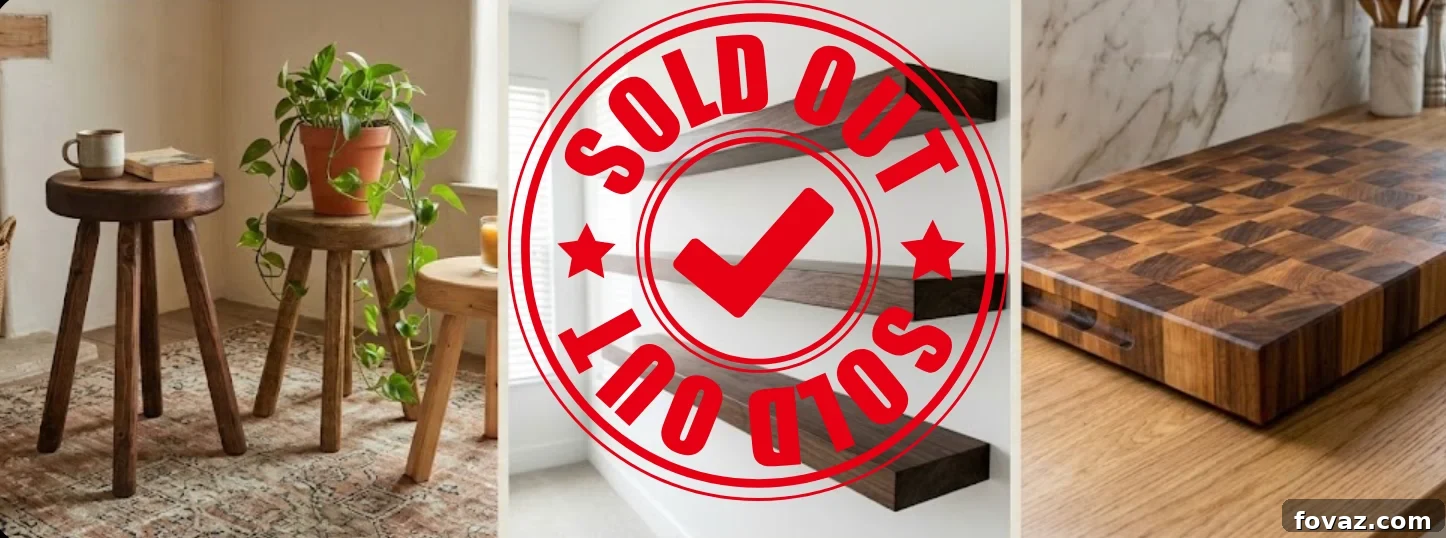
Want to transform your woodworking hobby into a thriving business in 2026? This comprehensive guide is your roadmap to success, focusing on small, functional home goods that consistently sell for excellent profit. We’ll explore popular items like cutting boards, floating shelves, plant stands, charcuterie boards, and coat racks, which command prices ranging from $35-$120 at craft fairs and on Etsy. These projects offer impressive profit margins, allowing skilled artisans to earn $18-$35 per hour of dedicated shop time.
The economic landscape in 2026, still shaped by inflation and stagnant wages, has shifted the side hustle economy. It’s no longer just about “following your passion”; it’s about strategic planning to recoup tool investments and build a sustainable venture. This challenge is entirely solvable, but it requires choosing projects that genuinely resonate with buyers at craft fairs and online, rather than just those that look impressive in your workshop.
Unlocking Profit in 2026: Your Guide to Selling Woodworking Projects
In today’s market, consumers are increasingly seeking unique, handmade items that tell a story and offer genuine craftsmanship. There’s a distinct move away from mass-produced goods towards acquiring pieces that feel “collected over time”—intentional, artisanal, and visibly crafted with care. This trend creates a significant opportunity for woodworkers who can produce high-quality, functional home decor.
This guide delves deep into the specifics, offering data-driven insights and practical advice to help you navigate the woodworking business landscape successfully. From project selection and efficient production techniques to pricing strategies and legal considerations, we cover everything you need to start generating income from your passion.
Which Woodworking Projects Thrive in the 2026 Market?
The woodworking projects that consistently sell best on Etsy and at craft fairs in 2026 are functional home goods characterized by visible handmade charm and practical utility. Buyers are actively seeking items that contribute to a warm, curated home aesthetic. They desire pieces that possess unique character, differentiating them from generic, store-bought alternatives, while still serving a clear purpose.
This “collected over time” aesthetic emphasizes authenticity and individuality. It’s about products that feel special, durable, and thoughtfully designed, rather than items that simply fill a space. Woodworkers who can deliver on this promise by creating pieces that are both beautiful and useful will find a highly receptive market.
Top Selling Categories for 2026: Data indicates that end-grain cutting boards ($45-120), floating shelves ($30-80), small planters ($25-60), coat racks ($35-75), and charcuterie boards ($40-90) consistently rank as top sellers. These items strike the perfect balance between artistic appeal, functionality, and affordability, making them ideal for a profitable woodworking business.
The 5 Best Woodworking Projects for Profit in 2026
This comprehensive guide delves into five highly profitable woodworking projects, validated by real-world sales data and insights from successful craft fair vendors and online marketplaces. Each project offers excellent margins and appeals to a broad customer base, making them ideal starting points for your woodworking venture.
1. End-Grain Cutting Boards
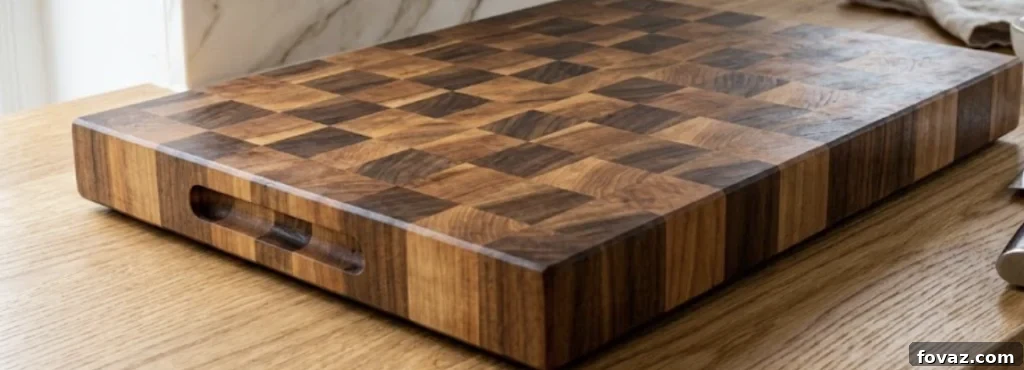
Profit Potential: End-grain cutting boards are often considered the workhorse of profitable woodworking. They offer a fantastic blend of functionality, durability, and artistic appeal, making them highly desirable. With build times typically ranging from 3 to 4 hours, and selling prices between $60 and $120, the profit margins are substantial. Material costs can vary from a minimum of $12 for maple to mid-$20 for a walnut mix, or up to $35 for exotic hardwoods, ensuring a healthy return on investment.
Market Appeal: These boards are not just utilitarian; they are often seen as pieces of art for the kitchen. Their robust construction, superior durability, and resistance to knife marks make them a favorite among home cooks and culinary enthusiasts. The visible end grain creates a unique, mosaic-like pattern that stands out, fulfilling the buyer’s desire for an “intentional but not mass-produced” aesthetic. Their longevity and aesthetic appeal make them excellent gifts and cherished household items.
How to Build for Efficiency and Quality: The key to maximizing profit with end-grain cutting boards lies in efficient batch production and meticulous finishing. Begin by ripping various hardwood species into consistent strips. The magic happens when these strips are rotated 90 degrees so the end grain faces up, then expertly glued into a panel. Clamping overnight is crucial for a strong, lasting bond. Flattening the glued panel with a drum sander or a router sled is a significant time-saver, preventing hours of tedious hand-sanding. For the finish, apply several generous coats of food-safe mineral oil, allowing each coat to soak in, followed by a mineral oil and beeswax blend, which not only protects the wood but also enhances its natural beauty and makes the grain pop vibrantly.
Smart Production Tips: To boost your output and profitability, aim to batch 4-6 boards per weekend. Investing in time-saving tools like a quality sanding drum set, attachable to a standard drill or drill press, can dramatically reduce your sanding time without the need for an expensive dedicated drum sander. Remember, less time sanding equals more finished boards, and more finished boards directly translate to higher profits. Always sand through at least 220-grit for a silky-smooth finish that buyers will immediately appreciate upon touch.
2. Floating Shelves
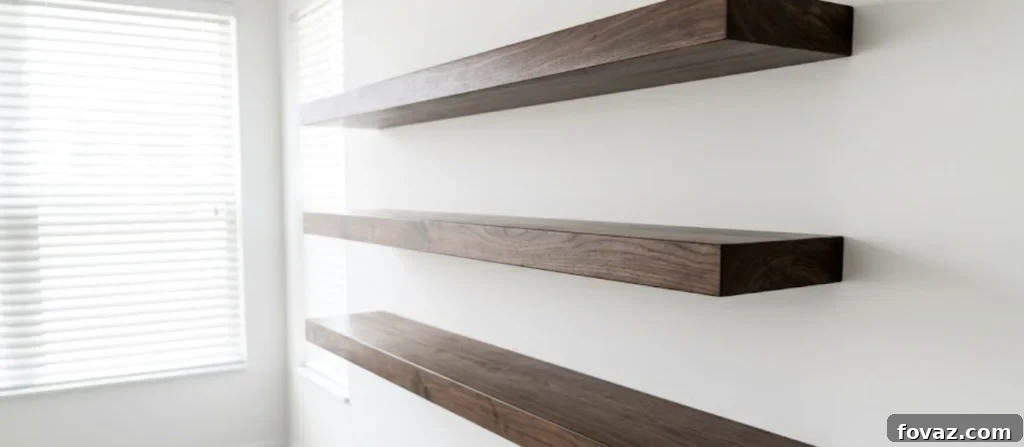
Profit Potential: Floating shelves are consistently popular due to their minimalist aesthetic and incredible versatility in home decor. Building these typically takes 2 to 3 hours, and they command selling prices from $50 to $80. Material costs are manageable, starting at $8 for pine, $15 for poplar, and around $25 for premium walnut, offering attractive profit margins for various market segments.
Design and Market Appeal: Their hidden mounting system creates a sleek, seamless look that complements modern, contemporary, and even rustic farmhouse styles. They are perfect for displaying books, plants, art, or everyday essentials, making them a functional and stylish addition to any room. Floating shelves are highly adaptable, allowing customers to customize their wall space. Repeat customers often order sets of 2-3 shelves, recognizing their utility and aesthetic impact, further increasing your sales potential and fostering customer loyalty.
How to Construct Sturdy Floating Shelves: The most effective method for building robust floating shelves involves hollow-box construction paired with a hidden bracket or French cleat mounting system. Begin by accurately cutting your shelf board to the desired length and depth. Routing a clean edge profile, such as a slight chamfer or round-over, adds a professional and refined touch. Construct the hollow box carefully, ensuring precise joinery for both strength and aesthetics. Integrate a secure French cleat slot or internal support system into the back panel, which will later attach to a corresponding wall cleat or internal brackets. Thoroughly sand and finish the shelves before mounting any hardware.
Installation Considerations and Customization: Providing clear installation instructions and necessary hardware is a valuable addition to your product. Advise buyers to locate wall studs using a reliable stud finder before drilling, ensuring a secure and stable installation that can hold significant weight. Offering different lengths, depths, and finishes (e.g., natural wood, stained, painted) allows for broader market appeal and customization, catering to individual customer needs and interior design schemes. Consider making a display model to showcase the mounting system.
3. Small Plant Stands
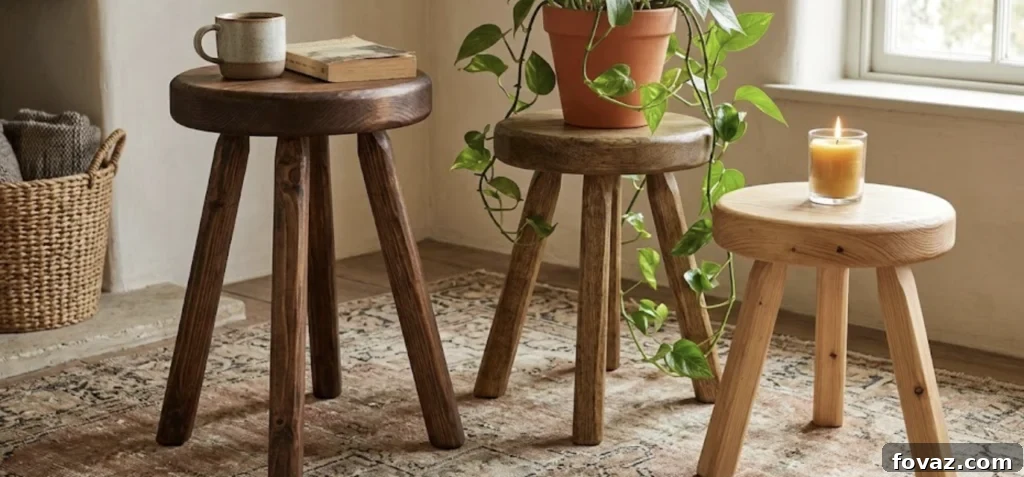
Profit Potential: The enduring indoor plant trend ensures a constant, robust demand for stylish plant stands. These small, functional pieces typically require just 2 to 3 hours to build and sell for $45 to $75. Material costs range from $10 for pine to $18 for hardwood, and up to $28 for high-quality walnut, allowing for flexible pricing strategies and healthy profits across various market tiers.
Trending Styles and Customer Appeal: Mid-century modern designs, characterized by tapered legs and clean lines, remain exceptionally popular and visually appealing. However, simple minimalist or bohemian-inspired stands also find a ready market, appealing to diverse customer preferences. Buyers actively seek attractive ways to elevate their plants, integrating greenery seamlessly into their home decor and adding vertical interest to their spaces. These stands are often appealing impulse buys at craft fairs or thoughtful gifts for plant enthusiasts.
Efficient Construction Techniques: Building plant stands efficiently involves precise cuts and strong, reliable joinery. Start by accurately cutting four tapered legs and two stretcher rails to create the base framework. Pocket-hole joinery is an excellent, quick, and strong method for assembling these components, particularly advantageous for batch production. This technique creates robust joints without requiring complex dados or mortise and tenon joints, speeding up the process. Once assembled, sand all surfaces smooth, moving through progressive grits from coarse to fine, and apply a finish that complements current interior styles, such as a natural oil, clear coat, or a painted finish for a pop of color that matches contemporary trends.
Batch Production Advantage and Customization: To maximize your productivity and profit, build plant stands in batches of four or more. This allows you to set up your tools for a particular cut or assembly step and complete it for multiple units before moving on, saving significant time and reducing setup waste. Offer different sizes to accommodate various pot dimensions (e.g., 6-inch, 8-inch, 10-inch diameter pots), expanding your product line without drastically altering your core production process. Custom height options can also be a unique selling proposition.
4. Charcuterie Boards
Profit Potential: Charcuterie boards are a faster-to-build alternative to end-grain cutting boards, making them excellent for maximizing hourly profit. With a typical build time of just 2 hours, these boards sell for $40 to $70. Material costs are low, starting at $8 for maple, $15 for walnut, and around $22 for distinctive live-edge pieces, ensuring impressive margins and a quick return on investment.
Entertainment and Gifting Appeal: These boards are incredibly popular for entertaining guests, holiday gatherings, and as personalized gifts for weddings, housewarmings, or anniversaries. They’re sought after for their versatility in presenting cheeses, cured meats, fruits, nuts, and other appetizers in an elegant and inviting manner. The trend for artisanal and custom home goods makes charcuterie boards a perennial favorite in the market, especially with options for personalization which adds significant value.
Crafting a Perfect Charcuterie Board: Begin by selecting your desired wood species and cutting it to your chosen shape. Popular options include rectangular, circular, or organic “paddle” shapes, some with handles for easy carrying. Many makers add a routed juice groove around the perimeter, which not only adds visual interest but also serves a practical purpose in containing liquids or crumbs. Sanding through 220-grit is essential for a smooth, luxurious feel that begs to be touched. For an outstanding finish that truly makes the wood grain pop and provides food-safe protection, use a high-quality, food-safe oil and wax blend. This finish is a significant selling point, often prompting buyers to inquire about the product you used and encouraging repeat business and referrals.
Adding Value Through Personalization: A key way to increase the perceived value and selling price of charcuterie boards is through personalization. Offering laser engraving or wood burning services for initials, dates, custom messages, or even company logos can add $15-20 to your sell price. This customization should be done before applying the final oil finish to ensure a clean, lasting engraving that becomes part of the board’s character.
5. Coat Racks
Profit Potential: Coat racks offer a quick build time and high utility, making them a profitable woodworking project that requires minimal investment. Requiring only 1.5 to 2 hours to build, they typically sell for $35 to $60. Material costs are minimal, ranging from $6 for pine plus hooks, to $12 for hardwood, or $18 for unique reclaimed wood, ensuring excellent returns, especially when hooks are sourced economically.
Versatile Design and Market Trends: Coat racks are essential for organizing entryways, mudrooms, bedrooms, or even bathrooms for towels. Their appeal lies in their practicality and the ability to complement various interior design styles. Successful designs tend to lean into clear aesthetics like rustic farmhouse or modern minimalist; avoid ambiguous styles that don’t fit a specific niche. The farmhouse aesthetic, in particular, remains incredibly strong in 2026, with buyers actively seeking out items that fit this popular trend and offer both charm and utility.
Building a Functional and Stylish Coat Rack: Start by ripping your chosen board to the desired width and length, typically around 24 inches for 4-5 hooks, though longer or shorter versions can be offered. Carefully mark even spacing for your hooks and drill pilot holes to prevent splitting the wood. Mount the selected hooks securely with appropriate hardware. For easy and secure wall mounting, attach a French cleat to the back of the board; this provides a robust and flush mounting solution. Pre-finish the wood with your chosen stain or protective coat before attaching the hooks and other hardware for a cleaner, more professional look and easier application. Always sand through a minimum of 220-grit, as buyers frequently run their hands over coat racks, and a smooth, splinter-free finish is crucial for perceived quality and safety.
The Importance of Hardware: The choice of hooks can significantly impact the overall aesthetic and appeal of your coat rack. Rustic cast iron hooks, for example, pair perfectly with farmhouse-style racks and are often a key selling point, making the product “sell itself.” Similarly, sleek, minimalist metal hooks are ideal for modern minimalist designs. Curating hooks that precisely match your chosen style and target demographic is crucial for market success and can be the differentiator that makes your product stand out.
How Much Can You Earn Selling Woodworking Projects at Craft Fairs?
Selling your handcrafted woodworking projects at local craft fairs offers a direct, engaging, and often lucrative path for artisans. In your first year, with a thoughtfully stocked and visually appealing booth, you can realistically expect to earn between $200 and $600 per craft fair weekend. This initial success depends on strategic preparation, understanding your local market, and engaging effectively with potential customers.
Initial Investment & Strategic Booth Setup: Before your first event, it’s wise to budget for an investment of $150-$300. This covers essential costs such as booth fees (typically ranging from $50-$100 per fair, depending on location and size), crucial display materials (including attractive tablecloths, sturdy shelving, clear signage, and perhaps some simple lighting to highlight your craftsmanship), and a diverse initial inventory of your best-selling items. A well-designed, inviting booth not only attracts customers but also elevates the perceived value of your handmade items, signaling professionalism and quality.
The Profitability Equation: To ensure strong sales, aim to bring a selection of 15-20 small to medium-sized, high-demand items, such as cutting boards, floating shelves, or plant stands, priced effectively between $40 and $80 each. A conservative sales estimate of 8-12 pieces sold per weekend translates to gross sales of $320-$960. After subtracting average material costs (approximately $120-$180 for 8-12 units) and booth fees ($50-$100), your net profit can comfortably range from $150 to a highly encouraging $680 per weekend. This demonstrates the significant earning potential for dedicated artisans who prioritize efficient production and smart sales strategies.
A Strategic Growth Path for Your Woodworking Business:
- Months 1-2: Market Validation & Feedback: Start by testing 1-2 project types at 2-3 local craft fairs. Pay close attention to customer feedback, which items garner the most interest, which ones sell best, and at what price points. This invaluable data is crucial for refining your product offerings and understanding your target audience’s preferences.
- Months 3-4: Scale Production & Efficiency: Based on your market testing, identify your best-selling items and focus on batch-producing them. Develop efficient workflows and potentially invest in tools that speed up repetitive tasks. Efficiency in production is key to increasing your output and, consequently, your profit margins.
- Months 5-6: Expand Online Presence & Marketing: Complement your craft fair sales by launching an Etsy shop or a dedicated e-commerce website. This allows you to capture a broader online audience and diversify your sales channels. Invest time in learning high-quality product photography and crafting compelling product descriptions that tell your brand’s story. Utilize social media to showcase your work and engage with potential customers.
- Month 12 and Beyond: Sustained Growth & Brand Building: Successful side hustlers who consistently dedicate 15-20 hours of weekend shop time report achieving $800-$1,500 per month in profit by their first anniversary. This sustained growth is a testament to persistent effort, deep market understanding, continuous improvement in craftsmanship, and effective brand building. Consider expanding your product line with related items or offering custom commissions.
Selecting the Best Wood for Profitable Woodworking Projects
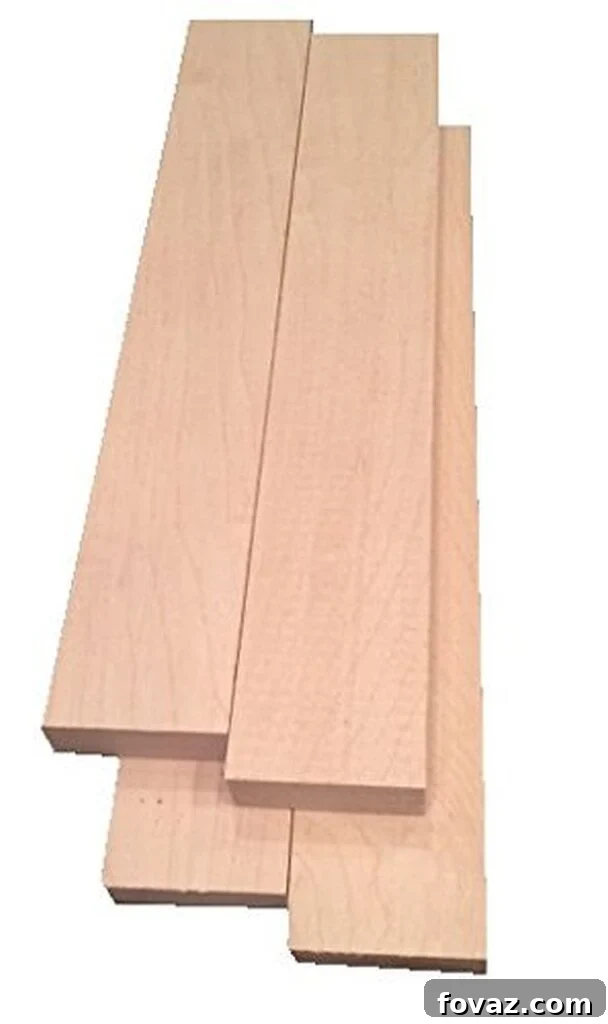
The choice of wood significantly impacts both the final product’s appeal, its durability, and ultimately, your profit margins. For profitable woodworking projects, maple, walnut, pine, and cherry are your go-to options, each serving distinct price tiers and project requirements. Understanding their characteristics is crucial for smart material sourcing and product development.
Maple: The Versatile Workhorse
Maple is an exceptional value for cutting boards, serving trays, and other light-colored projects. Priced typically between $4-$6 per board foot, it’s widely available, relatively easy to work with, and takes finishes beautifully. Its tight, uniform grain and hardness make it highly durable and naturally food-safe, making it a prime choice for kitchenware where hygiene and longevity are paramount. Maple’s light, creamy color also provides a stunning contrast when paired with darker woods like walnut, creating visually striking patterns in end-grain boards.
Walnut: The Premium Choice
Walnut instantly elevates a project, allowing you to justify significantly higher selling prices. Ranging from $8-$12 per board foot, its rich, dark brown color, often with purple or reddish undertones, and elegant, flowing grain patterns make it a highly sought-after premium option. It works wonderfully for charcuterie boards, decorative accents, and high-end furniture pieces. Walnut is also a joy to work with, machines well, and its natural oils contribute to its luxurious feel and resilience. When combined with maple in cutting boards, it creates a striking visual appeal that customers are willing to pay more for.
Pine: The Budget-Friendly Beginner
Pine is your most economical option, priced at an accessible $2-$3 per board foot. It’s best reserved for budget-friendly projects where high durability is not the primary concern, such as floating shelves, small plant stands, and rustic coat racks. Its softness makes it incredibly easy to cut, shape, and finish, making it an ideal choice for beginners to practice techniques without significant material cost. However, due to its low density and susceptibility to dents, scratches, and dings, pine is generally unsuitable for high-wear items like cutting boards or fine furniture that demand long-term resilience and a pristine surface.
Cherry: The Elegant Mid-Tier
Cherry offers a beautiful mid-tier option, typically costing $6-$9 per board foot. Renowned for its smooth texture, fine grain, and rich reddish-brown hue that deepens wonderfully over time with exposure to light, it’s perfect for charcuterie boards, serving trays, and elegant decorative pieces. Cherry is a joy to work with, machines and sands to a silky finish, and accepts various stains and oils gracefully. Its distinct color development makes it a favorite for those looking for a sophisticated aesthetic and a wood that will develop character over time, without the top-tier cost of walnut.
Strategic Material Sourcing: For beginners, it is highly advisable to avoid exotic hardwoods for your initial 20 projects or until you have mastered fundamental techniques. Their high cost can quickly erode your profit margins, and the learning curve involved in working with unfamiliar or difficult-to-machine wood species can lead to expensive waste. Focus on mastering techniques with more forgiving and affordable options first. As you scale, explore local sawmills or specialty wood suppliers for better pricing and selection compared to big-box stores, as they often offer higher quality lumber at more competitive prices for bulk purchases.
Navigating Business and Legal Requirements for Woodworking for Profit
Transitioning your woodworking hobby into a profitable side hustle or a full-time business means understanding and complying with various legal and administrative requirements. Most sellers will need a business license once their annual sales cross the $500-$1,000 threshold, even if the income is initially considered “hobby income.” Requirements are highly localized, varying significantly by city, county, and state, making thorough research crucial for legal compliance and peace of mind.
Key Requirements to Investigate:
- Local Business License: This is often the first and most fundamental step. Check with your city or county clerk’s office or local business registration department. The cost typically ranges from $25-$150 annually, and it legitimizes your operation within your local jurisdiction. It’s essential for operating legally and can sometimes be a prerequisite for obtaining other necessary permits.
- Sales Tax Permit: If you are selling physical goods, especially at craft fairs, through online platforms like Etsy, or directly to customers within your state, a sales tax permit is almost certainly required. This permit allows you to legally collect sales tax from your customers at the point of sale and subsequently remit it to your state’s tax authority. Registration is often free but requires diligent record-keeping of all sales and timely filing of tax returns, usually quarterly or annually.
- Home Occupation Permit: If you operate your woodworking shop from your garage, basement, or a dedicated space within your home, some cities or counties may require a home occupation permit. This permit ensures your home-based business complies with local zoning laws, maintains residential character, and does not negatively impact your neighborhood through excessive noise, traffic, or signage. Costs can range from $50-$200 per year, and specific regulations regarding hours of operation or employee numbers may apply.
- Liability Insurance: While not always legally mandated for very small businesses, liability insurance (typically $1 million in coverage) is frequently a requirement for participation in professional craft fairs, markets, and vendor events. It provides crucial protection from claims related to injury or property damage that might occur as a result of your products or business operations. For small makers, annual costs usually fall between $200-$400, offering invaluable peace of mind against unforeseen circumstances.
Understanding Tax Realities: The IRS in the United States considers all side hustle income taxable from the very first dollar earned, regardless of whether you view it as a hobby or a business. It’s imperative to meticulously track all income generated from your woodworking sales and, just as importantly, all related expenses. Materials, tools, shop supplies (e.g., sandpaper, finishes, glue), utility costs related to your shop, booth fees, marketing expenses, shipping costs, and even mileage for business-related travel are all potentially deductible against your woodworking income. Maintaining detailed records throughout the year simplifies tax season and ensures you’re maximizing deductions while fulfilling all your tax obligations, preventing future complications. Consulting with a tax professional experienced with small businesses can be a wise investment.
Common Pitfalls to Avoid When Selling Woodworking Projects for Profit
Many aspiring woodworking entrepreneurs stumble over avoidable mistakes that can significantly impact their profitability, brand reputation, and overall market success. Being aware of these common pitfalls and actively working to circumvent them is vital for building a thriving, sustainable business.
- Neglecting Finish Sanding: This is arguably the most critical mistake. Buyers invariably run their hands over handmade items before purchasing. A rough or inadequately sanded surface immediately conveys a lack of craftsmanship, poor attention to detail, and significantly reduces perceived value, regardless of the design or wood choice. Always sand through a minimum of 220-grit. To truly differentiate your products: 150-grit feels rough to discerning buyers, 180-grit feels merely acceptable, but 220-grit and beyond achieve a truly professional, silky-smooth finished feel that customers will respond positively to and associate with high quality.
- Overcomplicating Wood Species Selection: While variety can be appealing, using too many different wood species in a single project, especially cutting boards, can look chaotic and unintentional rather than artful. Stick to a maximum of three complementary species for a cohesive and aesthetically pleasing design. Simple, elegant contrasts often sell better and appear more sophisticated than busy, multi-wood patterns. Furthermore, limiting your wood palette simplifies your material inventory management and streamlines your purchasing process.
- Building Inventory Before Market Testing: A common and costly error for new sellers is batch-producing dozens of items without first validating market demand for that specific product or design. Instead, adopt a “minimum viable product” (MVP) approach: create 3-5 pieces of a new project type, test them at a local craft fair, list them online with good photography, and gather direct customer feedback. Only batch-produce the items that demonstrate strong sales and consistent positive customer response. This strategic approach prevents wasted time, expensive materials, and storage space on unsold, untested inventory.
- Underestimating Pricing Strategy: Many new sellers undervalue their work significantly, failing to account adequately for material costs, labor (your hourly rate, which should reflect your skill), overhead (tools, consumables like sandpaper and finishes, shop utilities), marketing efforts, and market demand. Research comparable items from other successful artisans, factor in your unique selling points and brand value, and don’t be afraid to price your work appropriately for its quality, craftsmanship, and the time invested. Remember, perceived value often correlates with price; too low a price can sometimes make an item seem less valuable.
- Poor Photography for Online Sales: In the digital marketplace, your product photos are your storefront and often the first, and only, impression potential buyers get. Dark, blurry, poorly lit, or poorly composed images will instantly deter online buyers, regardless of how beautiful the physical product is. Invest time in learning basic product photography principles: use natural light whenever possible, a clean and uncluttered background, multiple angles, and lifestyle shots that show the product in use. High-quality, professional-looking photos are non-negotiable for success on platforms like Etsy and your own website.
- Neglecting Marketing and Storytelling: Your exceptional craftsmanship is only part of the equation. In today’s market, buyers connect deeply with stories. Share your passion for woodworking, explain your meticulous process, highlight the unique aspects of your designs, and emphasize the sustainability or local sourcing of your materials. Utilize social media, build an email list, and engage authentically with your audience. A compelling brand story can significantly enhance customer loyalty, create a deeper connection, and drive sales beyond just the tangible product itself.
Woodworking projects: real skill or just denial that IKEA exists?
Whether it’s the meticulous craft of an end-grain cutting board or the elegant simplicity of a floating shelf, handmade woodworking projects embody a unique blend of skill, artistry, and personal touch that mass-produced items often lack. In a world increasingly dominated by disposable goods, the longevity and inherent beauty of a handcrafted wooden item resonate deeply with buyers seeking quality, authenticity, and sustainability. While IKEA certainly serves a valuable purpose in providing accessible home furnishings, the satisfaction of creating and owning something truly unique, made with passion and precision, remains an enduring appeal for both makers and customers alike.
Ready to turn your woodworking passion into profit? Start with these proven projects and build your legacy, one beautiful piece at a time, fulfilling the demand for genuine craftsmanship in the 2026 market and beyond.