
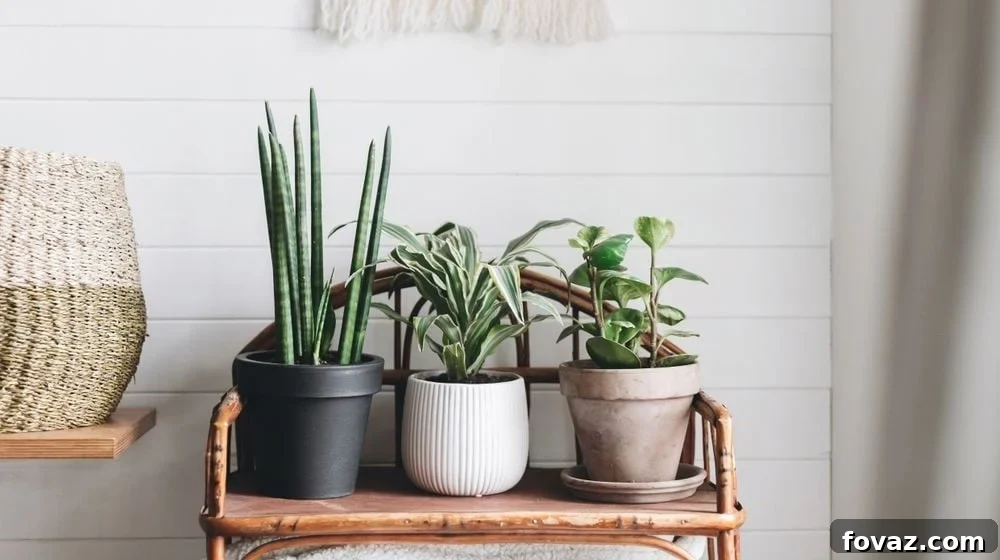
The Ultimate Guide to 11 Creative DIY Plant Stand Ideas for Every Home
As dedicated plant parents, we all share a common desire: to provide our beloved green companions with the perfect perch to thrive and truly shine. A well-chosen plant stand not only elevates your plants, literally and figuratively, but also transforms them into stunning decorative elements that enhance any space. While store-bought options are plentiful, there’s a unique satisfaction and charm that comes from a do-it-yourself plant stand. DIY projects offer unparalleled opportunities for personalization, cost-effectiveness, and sustainable upcycling, allowing you to craft a piece that perfectly complements your home’s aesthetic and your plant’s specific needs.
Whether you’re looking to create a cozy plant corner indoors or a vibrant display in your outdoor sanctuary, finding the right plant stand can make all the difference. This comprehensive guide is designed to inspire you with 11 ingenious DIY plant stand ideas, ranging from simple repurposing projects to more involved builds, catering to every skill level and style preference. Get ready to unleash your creativity, breathe new life into forgotten items, and showcase your cherished flora in ways you never imagined.
RELATED: 17 Creative DIY Pallet Planter Ideas For Spring
Discover Your Next Project: 11 Inspiring DIY Plant Stand Ideas
1. Book Stack Plant Stand: A Literary Lift for Your Greens
Unleash the charm of a vintage library by repurposing old books into a surprisingly stylish and incredibly simple plant stand. This fuss-free idea allows you to create a unique display with minimal effort. Simply stack a few sturdy hardcovers to achieve your desired height. For a cohesive look, choose books with covers that align with your existing decor, or embrace an eclectic mix for a bohemian vibe. If you prefer a fresh, customized aesthetic, consider painting the book covers with chalk paint or spray paint in cute, coordinating colors before stacking. To ensure maximum stability and prevent your botanical masterpiece from toppling over, apply a strong adhesive like wood glue between each book layer. This project is ideal for smaller potted plants, succulents, or air plants, adding a touch of intellectual elegance to any tabletop or shelf.
2. Upcycled Trash Can Stand: From Waste to Whimsy
Who knew a humble metal mesh trash can could be transformed into a chic and functional plant stand? This clever upcycling project takes an everyday item and gives it a brand new purpose as a work of art for your plants. The process is straightforward: simply flip the can upside down to form the base. Then, get creative with fabric trim, ribbon, or even natural twine. Wrap your chosen material around the entire exterior of the inverted trash can, securing it with hot glue, until the mesh is completely covered. The result is a surprisingly elegant and stable stand, perfect for displaying a medium-sized plant in a corner or as a focal point. You can experiment with different textures and colors of fabric to match various interior design themes, from rustic to modern, making it a versatile addition to your plant decor.
3. Elegant Tiered Plant Stand: Maximize Space with Scrap Wood
For those with a growing collection of smaller plants or a workshop full of scrap wood, a tiered plant stand is an absolute game-changer. This design is not only incredibly practical for showcasing multiple plants in a compact footprint but also a fantastic way to utilize leftover materials, making it an eco-friendly choice. Imagine a cascading display of succulents, herbs, or small flowering plants, each on its own level, receiving ample light and attention. The beauty of this project lies in its simplicity; even a beginner DIYer can tackle it with confidence. With basic woodworking tools like a saw, drill, and screws, you can assemble a charming multi-level stand. This design is highly customizable in terms of height, width, and the number of tiers, allowing you to tailor it perfectly to your space and plant arrangement. It’s an ideal solution for adding vertical interest to a tight corner or creating an impressive botanical statement.
4. Practical Rolling Plant Caddy: Effortless Mobility for Large Plants
Anyone who has ever struggled to move a heavy, potted plant knows the value of a rolling plant caddy. This ingenious DIY solution is a lifesaver for large, cumbersome plants, transforming the chore of relocation into an absolute breeze. Whether you need to move a plant for better light, cleaning, or simply to redecorate, a rolling caddy provides unmatched convenience. The construction is incredibly simple: start with a sturdy slab of wood, ensuring it’s strong enough to support the weight of your plant and its pot. Then, securely attach four high-quality caster wheels to the bottom corners of the wood slab. Choose wheels that can handle the weight and roll smoothly across your desired surfaces. You can also paint or stain the wood to match your decor. Once complete, moving even your giant plants will be effortless, protecting your floors and your back. This caddy is perfect for both indoor and outdoor use, offering flexibility and functionality.
5. Charming DIY Drawer Plant Stand: Repurpose with Personality
Don’t discard those old dresser drawers; they hold incredible potential for becoming ridiculously cute and unique plant holders! Repurposing an old drawer not only gives it a new lease on life but also injects a healthy dose of personality and vintage charm into your plant display. Begin by selecting a drawer that’s structurally sound. You can paint it any color you desire to match your interior scheme—think vibrant hues for a playful touch, or soft pastels for a shabby chic look. The key to turning it into a stand is to provide a sturdy base. A folding tray table, when mounted upside down at the bottom of the drawer, creates the perfect legs. Secure the tray table to the drawer with strong wood glue and a few screws for added stability. Fill the drawer with your favorite potted plants, perhaps adding a liner for protection, and admire your charming, one-of-a-kind creation. This stand is excellent for creating a little garden scene within your home.
6. Sunny Window Plant Shelf: Bathe Your Plants in Natural Light
Harnessing the power of natural light is crucial for many indoor plants, and a window plant shelf offers an aesthetically pleasing and highly practical solution. This DIY project ensures your plants receive a healthy dose of sunlight while creating a beautiful, airy display right in front of your window. When choosing materials, we highly recommend using acrylic over traditional glass. Acrylic is significantly lighter, making installation easier and safer, especially if you’re drilling into window frames. It’s also more durable and much simpler to clean, resisting smudges and water spots more effectively than glass. Installation typically involves small brackets or suction cups, depending on your window type and the weight of your plants. This shelf is perfect for herbs, succulents, or any plant that craves bright, indirect light, transforming a bare window into a lush, living picture. Imagine rows of vibrant greens soaking up the sun, enhancing both your plants’ health and your home’s ambiance.
RELATED: 15 DIY Vertical Gardening Projects For Small Space Gardening
7. Artistic Macrame Plant Shelf: Bohemian Style with No Drills
If drilling holes into your walls isn’t an option—perhaps you’re renting, or prefer a less permanent solution—a macrame plant shelf is an exquisite and surprisingly simple alternative. This project taps into the timeless appeal of macrame, allowing you to create a beautiful, bohemian-inspired display that brings warmth and texture to your space. With just a few basic macrame knots (which are surprisingly easy to learn!), you can craft a sturdy and stylish hanging shelf. You’ll need macrame cord and a piece of wood or acrylic for the shelf base. The beauty of macrame lies in its versatility; you can customize the length, design, and even incorporate beads or tassels to match your personal style. This type of shelf is perfect for showcasing an array of tiny pots, succulents, or small trailing plants, creating a stunning vertical garden effect without damaging your walls. It’s an artistic statement that delivers both functionality and effortless charm.
8. Modern Copper Pipe Plant Stand: Industrial Elegance
For those who appreciate a touch of industrial chic and a sleek, mid-century modern aesthetic, a DIY copper pipe plant stand is an absolute must-try. The warm metallic sheen of copper piping instantly elevates any space, providing a sophisticated and contemporary look that complements a wide variety of home decor styles. This project involves assembling a structure using copper pipes and various connectors (such as elbows and tees), which are then typically secured with strong adhesive specifically designed for metal or by soldering for a more permanent bond. After gluing, allow the joints to sit overnight to ensure they are fully cured and stable before placing any weight on the stand. This type of stand offers immense design flexibility, allowing you to create geometric shapes, multi-level platforms, or minimalist single-plant displays. A crucial note: be extremely careful and precise when measuring the diameter and lengths of your desired piping, as mistakes can quickly add up in material costs. The finished stand will be a striking piece of functional art, perfect for showcasing your prized plants in a truly distinctive manner.
9. Robust DIY Concrete Plant Stand: Minimalist and Durable
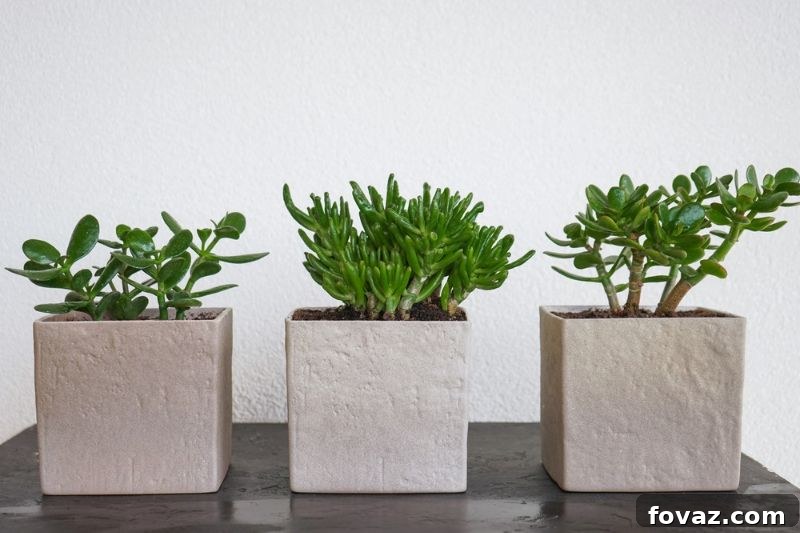
Poured concrete might sound intimidating, but it can actually add a surprisingly elegant and minimalist touch to your plant decor. A DIY concrete plant stand brings a raw, industrial sophistication that complements both modern and rustic interiors. The process involves creating a mold – you can use anything from plastic containers to custom-built wooden forms – that fits the pot you intend to place on top of the stand. Once your mold is ready, mix your concrete according to the package directions, pour it carefully into the mold, and allow it to fully harden and cure. This curing process can take several days, so patience is key. Once cured, remove the concrete from the mold, and you’ll have a beautifully sturdy and heavy stand. For a personalized touch, you can then paint it with your desired color, leave it as natural grey, or seal it for a polished finish. Concrete stands are incredibly durable, weather-resistant, and versatile, making them ideal for both indoor and outdoor use, providing a strong foundation for even your heaviest potted plants.
10. Space-Saving Corner Shelf Stand: Optimizing Unused Spaces
Corners are often overlooked and underutilized spaces, but a DIY corner shelf plant stand transforms them into charming and functional botanical displays. This design is a brilliant space-saver compared to other options, making it ideal for smaller rooms or apartments where every square inch counts. It adds a delightful touch of warmth and life to an otherwise bare or awkward corner, filling it with greenery. The construction of a corner shelf is remarkably simple and often requires only a few basic tools that many DIY enthusiasts likely already have lying around the house, such as a saw, drill, and screws. You can craft shelves from wood, plywood, or even repurposed planks, cutting them into triangular or quarter-circle shapes to fit snugly into the corner. Stack multiple shelves vertically to create a tiered display, allowing you to showcase several plants at different heights. This project is a fantastic way to maximize vertical space and bring a sense of natural beauty and intentional design to forgotten areas of your home.
11. Rustic Wash Tub Stand: Vintage Charm Reimagined
Embrace the allure of vintage charm by repurposing an old wash tub into a truly distinctive and functional plant stand. These classic galvanized tubs, often found at flea markets or antique shops, possess an inherent rustic appeal that can instantly add character to your indoor or outdoor decor. The beauty of this project lies in its simplicity and the flexibility it offers in terms of aesthetic. For an authentic rustic look, you can simply clean the tub and use it as-is, letting its weathered patina shine through. Alternatively, if your decor leans towards a more vibrant or coordinated style, paint the tub a cute color that matches your existing scheme. You can add wooden legs or a simple wooden base to elevate the tub, transforming it into a charming planter stand. This sturdy and spacious stand is perfect for housing larger plants, a collection of smaller pots, or even creating a mini herb garden. It’s a wonderful way to bring a touch of farmhouse chic or industrial vintage flair to your living room, patio, or front porch, becoming a guaranteed conversation starter.
Essential Tips for Crafting Your Perfect DIY Plant Stand
Embarking on a DIY plant stand project is an exciting endeavor, and with a few key considerations, you can ensure your creation is not only beautiful but also practical and durable.
Choosing the Right Materials: Durability and Aesthetics
The success of your DIY plant stand begins with material selection. Consider where the stand will be placed. For outdoor use, opt for weather-resistant materials like treated wood, galvanized metal, concrete, or specific plastics. Indoors, almost any material can work, but consider humidity levels if you have many plants. Aesthetically, match materials to your home’s decor—natural wood for a Scandinavian look, copper for modern industrial, or painted items for a pop of color. Always ensure the material is sturdy enough to bear the weight of your plant and its pot, especially after watering.
Ensuring Stability and Safety for Your Green Friends
Stability is paramount for any plant stand. Wobbly stands are a hazard to both your plants and your home. When constructing, pay close attention to the joints and connections, using appropriate fasteners like screws, strong wood glue, or specific metal adhesives. For taller stands, consider a wider base for better balance. If you have pets or small children, ensure your stand is extra sturdy and that heavy plants are securely placed, preventing accidental topples. A little extra effort in construction means peace of mind later.
Drainage and Plant Health Considerations
While plant stands elevate your plants, it’s crucial not to overlook plant health. Ensure that the design of your stand allows for proper drainage from your plant pots. If water accumulates, it can lead to root rot. If the stand has a solid surface, consider placing a tray beneath the pot to catch excess water, protecting your stand and your floors. For stands with slatted designs, ensure sufficient spacing for air circulation and water runoff. Good air circulation around pots is also vital for preventing mold and mildew.
Customization: Making It Uniquely Yours
The beauty of DIY is the ability to customize. Don’t be afraid to add your personal touch. This could involve painting your stand a vibrant color, applying a unique stain, adding decorative elements like stenciling, mosaic tiles, or intricate carvings. Consider adding wheels for mobility, or adjust the height and width to perfectly fit your space and plant collection. Your DIY plant stand should reflect your personality and enhance your living environment, making it a true extension of your creativity.
Why Every Plant Parent Needs a DIY Stand: Benefits Beyond Beauty
Beyond simply providing a place for your plants, DIY plant stands offer a myriad of advantages that contribute to both plant well-being and home aesthetics.
Enhanced Air Circulation and Pest Prevention
Elevating your plants off the floor or crowded surfaces significantly improves air circulation around the foliage and soil. This enhanced airflow is crucial for preventing common plant issues like fungal diseases, mildew, and certain pest infestations that thrive in stagnant, humid environments. When plants are allowed to breathe, their overall health and vigor improve, leading to happier, more robust growth.
Maximizing Space and Light Exposure
DIY plant stands are fantastic tools for optimizing space, especially in smaller homes or apartments. Vertical stands, tiered designs, and window shelves allow you to display more plants without cluttering floor space. Moreover, elevating plants can help them reach better light sources, ensuring they receive the necessary sunlight for photosynthesis. This is particularly beneficial for light-hungry plants that might struggle on lower, darker surfaces.
Elevating Your Home Decor Style
A well-chosen plant stand isn’t just functional; it’s a powerful decor element. DIY stands offer a unique opportunity to create a piece that perfectly aligns with your interior design aesthetic, whether it’s modern, rustic, bohemian, or minimalist. By thoughtfully selecting materials, colors, and designs, your plant stand can become a focal point, adding texture, height, and visual interest that ties your entire room together, transforming ordinary plants into captivating displays.
The Joy of Sustainable Upcycling
One of the most rewarding aspects of creating a DIY plant stand is the element of sustainable upcycling. Giving new life to old books, drawers, trash cans, or scrap wood reduces waste and promotes eco-friendly practices. This approach not only saves you money but also contributes to a more mindful and environmentally conscious lifestyle. There’s a special pride in knowing that your beautiful plant display was created from repurposed materials, making it a story-rich addition to your home.
You can never go wrong with any of these one-of-a-kind DIY plant stand ideas. Each project offers a unique blend of creativity, functionality, and personal expression, ensuring that your plants are displayed beautifully and practically. Whether it’s that little corner in your living room, a sun-drenched window, or right by the front porch, any of these handcrafted stands will surely be a conversation starter and a testament to your green thumb and DIY spirit. Embrace the process, enjoy the transformation, and let your plants flourish in their new, personalized homes.
Have you made a DIY plant stand? We’d love to hear about your creations and experiences! Share your thoughts and photos in the comments section below!
Up Next:
- DIY Minimalist Wooden Plant Stand Project
- 7 Ways to Turn Your Garden into a Winter Wonderland
- 11 Creative DIY Lampshade Ideas For Your Room
Calling all crafting DIYhards, DIY Projects needs YOU! Click here if you want to write for us.Don’t forget to stay connected with us on Facebook, Twitter, Pinterest, and Instagram!