
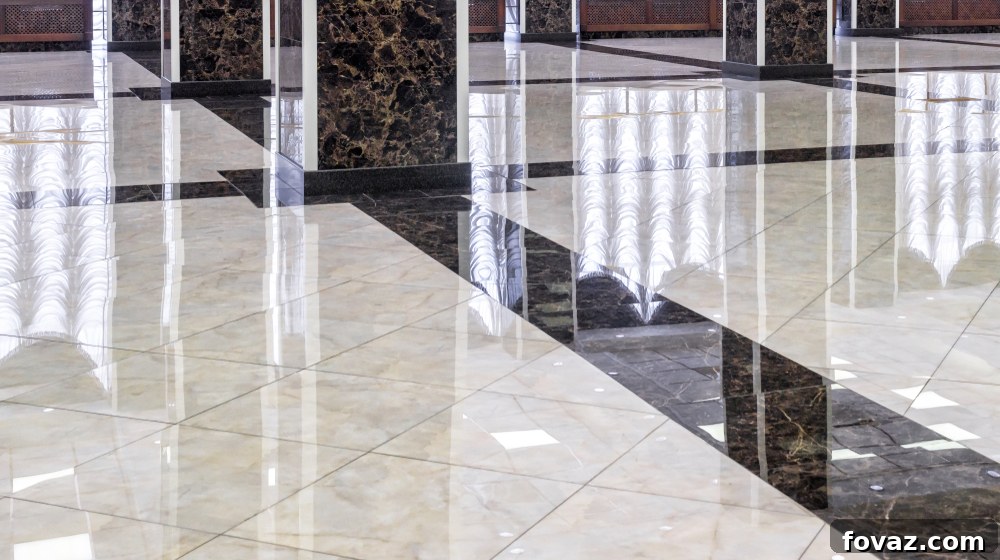
The Ultimate Guide to Cleaning and Maintaining Your Marble Floors for Lasting Shine
Marble flooring is synonymous with luxury, timeless elegance, and a sophisticated aesthetic. Its distinctive veining and polished surface can transform any space into a grand statement. However, to truly preserve its eye-catching character and class, marble requires diligent and proper maintenance. Neglecting your marble can lead to dullness, stubborn dirt, and grime buildup, diminishing its inherent beauty. This comprehensive guide will walk you through the essential steps and expert tips to rejuvenate your marble floors, making them glimmer as they were intended to.
Understanding the unique nature of marble is the first step toward effective care. Unlike ceramic or porcelain tiles, marble is a natural, porous stone. It’s susceptible to etching from acidic substances, scratching from abrasive particles, and staining from various liquids. Therefore, a gentle, consistent, and specialized approach is crucial for its long-term preservation. Follow our detailed advice to ensure your marble floors remain a source of pride and elegance for years to come.
Why Marble Floors Demand Special Care
Before diving into the cleaning process, it’s important to understand why marble requires such specific attention. Marble is primarily composed of calcium carbonate, making it sensitive to acidic materials. Even common household items like vinegar, lemon juice, or certain bathroom cleaners can cause irreversible etching – a dull spot or mark on the surface where the stone has been chemically damaged. Additionally, its porous nature means it can absorb spills and stains if not properly sealed and promptly cleaned.
Proper care not only preserves the aesthetic appeal but also the value of your investment. A well-maintained marble floor enhances the overall ambiance of your home, contributing to a clean and sophisticated environment. Let’s gather the necessary tools and delve into the effective cleaning techniques.
Essential Tools and Materials for Pristine Marble Cleaning
Having the right supplies on hand makes the cleaning process more efficient and effective, ultimately saving you time and ensuring your marble receives the best treatment. Here’s what you’ll need for a successful marble cleaning session:
- Warm Water: A natural solvent, warm water helps loosen dirt and grime without harsh chemicals.
- Two Buckets: One for your cleaning solution, one for clean rinse water. This prevents transferring dirty water back onto your floor.
- Soft-Bristle Mop or Microfiber Mop: A crucial tool. Avoid abrasive sponges or mops that can scratch the delicate surface. A soft microfiber mop is ideal for both cleaning and drying.
- Neutral pH Cleaner: This is non-negotiable for marble. Look for cleaners specifically labeled for natural stone or marble. These cleaners are formulated to be gentle and will not etch the surface.
- Soft Cloths or Microfiber Towels: Essential for drying the floor and spot cleaning. Microfiber is highly absorbent and streak-free.
- Marble Cleaner and/or Polish: For deeper cleaning, stain removal, or to restore gloss and provide a protective layer. Ensure it’s suitable for your type of marble finish (honed vs. polished).
- Ammonia (Use with Extreme Caution and Only When Necessary): As a last resort for specific organic stains, heavily diluted. We’ll discuss its use later, but generally, a neutral pH cleaner is preferred.
- Dust Mop or Soft Broom/Vacuum: For daily dry sweeping before wet cleaning.
Dave’s Step-by-Step Guide: How To Clean Marble Floors for a Brilliant Shine
Achieving a sparkling marble floor is a methodical process that prioritizes gentleness and thoroughness. Follow these steps for optimal results:
Step 1 – Pre-Clean: Sweep or Vacuum Thoroughly
Before any wet cleaning begins, it’s crucial to remove all loose dirt, dust, and abrasive particles from your marble floor. These particles, if left on the surface, can act like sandpaper when a mop is dragged across them, leading to hairline scratches and dulling the marble over time. Use a clean, dry dust mop with a microfiber head or a vacuum cleaner with a soft brush attachment. Avoid using beater bars on vacuums directly on marble, as they can cause damage.
Step 2 – Prepare Your Gentle Cleaning Solution
Fill one of your buckets with warm water. This warmth helps to dissolve dirt more effectively than cold water. Add your chosen neutral pH cleaner according to the manufacturer’s instructions. Typically, a small amount is sufficient for a bucket of water. It is vital to use a cleaner specifically designed for marble or natural stone to avoid any chemical reactions that could damage the surface.
Remember, less is often more with marble cleaners. Over-concentrating the solution won’t necessarily make it cleaner and might leave a residue.
Step 3 – Mop the Floor with Care
Dip your soft-bristle or microfiber mop into the cleaning solution, wring it out thoroughly so it’s damp, not dripping wet. Excess water can penetrate grout lines and potentially cause issues. Mop the floor in small sections, using gentle, overlapping strokes. You can use a figure-eight pattern, ensuring you cover the entire surface evenly. Rinse your mop frequently in the cleaning solution bucket and re-wring it to prevent spreading dirt around. For larger areas, consider changing your cleaning solution if it becomes visibly dirty to maintain effectiveness.
Step 4 – Address Stubborn Dirt and Stains (Cautiously)
If your floor has persistent dirt or grime that the initial mopping didn’t remove, you may need a slightly more targeted approach. For general stubborn spots, gently scrub the area again with a more concentrated (but still diluted per instructions) neutral pH cleaner on a soft cloth. Avoid abrasive scrub brushes or scouring pads at all costs.
Regarding Ammonia: The original text mentioned ammonia. Use ammonia only as a very last resort for specific organic stains (like food spills or mildew), and always heavily dilute it (e.g., a tablespoon in a gallon of water). Ammonia is alkaline and can be harsh. Apply it only to the stained area with a soft cloth, let it sit for a very brief moment, and rinse immediately and thoroughly. Never mix ammonia with bleach, as this creates dangerous fumes. For most general cleaning, a good neutral pH cleaner is sufficient.
Step 5 – Thoroughly Rinse the Floor
This is a critical step often overlooked. After cleaning, you must completely remove any cleaner residue from the marble surface. Fill your second bucket with clean, warm water. Dip your clean mop (or a second clean mop head) into the fresh water, wring it out well, and mop the entire floor again. You might need to rinse the floor multiple times, changing the rinse water frequently, until all traces of the cleaning solution are gone. Any leftover residue can dull the marble’s shine, attract more dirt, or even become sticky.
Step 6 – Dry and Polish the Floor Immediately
Allowing water to air dry on marble can lead to unsightly water spots, streaks, or mineral deposits, especially in areas with hard water. Immediately after rinsing, dry the floor thoroughly using clean, soft cloths or highly absorbent microfiber towels. You can wrap a clean cloth around your mop head to effectively soak up excess water from larger areas. Buff the floor lightly as you dry to prevent streaks and enhance the natural sheen.
Once the floor is completely dry, you can apply a marble polish to restore its true grandeur and add an extra layer of protection. Follow the specific instructions on your chosen marble polish product for the best results. Regular polishing can help maintain the luster and provide a slight barrier against future spills.
For a visual guide on advanced marble cleaning and maintenance, watch this video:
Important Dos and Don’ts for Long-Lasting Marble Beauty
Maintaining the luxurious appearance of your marble floors goes beyond regular cleaning. Adhering to these simple rules will significantly extend their life and beauty:
The “DOs” of Marble Floor Care:
- DO Clean Spills Immediately: Marble is porous, and many substances can cause stains or etching if left to sit. Blot spills gently; don’t wipe, as this can spread the substance.
- DO Use Doormats and Area Rugs: Place mats at all entrances to trap dirt and grit. Use area rugs in high-traffic zones, but ensure they have a non-slip backing and allow the floor to breathe to prevent moisture trapping.
- DO Use Furniture Pads: Apply felt pads under the legs of all furniture to prevent scratches and gouges when items are moved.
- DO Dust Mop or Sweep Daily: Regular dry cleaning removes abrasive particles that can dull or scratch the surface over time.
- DO Use Neutral pH Cleaners: Always opt for cleaners specifically formulated for natural stone.
- DO Seal Your Marble Regularly: Sealing helps reduce the stone’s porosity, making it more resistant to stains. The frequency depends on the sealer type and traffic, typically every 6 months to a few years.
The “DON’Ts” of Marble Floor Care:
- DON’T Use Acidic Cleaners: Absolutely avoid vinegar, lemon juice, ammonia, bleach, or any cleaners containing acids. These will etch the marble, causing dull, permanent spots.
- DON’T Use Abrasive Cleaners or Tools: Stay away from scouring powders, steel wool, or stiff-bristled brushes. They will scratch and damage the polished surface.
- DON’T Let Spills Sit: Even water can cause etching or mineral deposits if allowed to dry on the surface, especially hard water.
- DON’T Drag Heavy Furniture: Always lift and carry furniture to prevent scratching or cracking the marble.
- DON’T Use Generic Floor Cleaners: Many all-purpose cleaners contain harsh chemicals or acidic components that are detrimental to marble.
- DON’T Over-Wet the Floor: Excess water can seep into grout lines and beneath the tiles, potentially causing issues like mold or damage to the subfloor.
Beyond Cleaning: Preventative Maintenance for Enduring Marble Elegance
While proper cleaning is vital, a proactive approach to maintenance ensures your marble floors retain their magnificent allure for generations. Consider these preventative measures:
- Regular Sealing: Professional sealing creates an invisible barrier that minimizes the absorption of spills, making your marble significantly more stain-resistant. This doesn’t make it stain-proof, but it buys you crucial time to clean up spills before they penetrate.
- Climate Control: Extreme temperature fluctuations and humidity can affect natural stone over time. Maintaining a stable indoor environment contributes to its longevity.
- Professional Maintenance: Periodically, consider having your marble floors professionally cleaned, honed, or polished. Experts can address deeper stains, repair minor etching, and restore the original finish, breathing new life into older floors.
- Educate Your Household: Ensure everyone living in or visiting your home understands the basic dos and don’ts of walking on and cleaning marble floors. Prevention is always better than cure.
The Enduring Benefits of Well-Maintained Marble Floors
Beyond its undeniable aesthetic appeal, a properly maintained marble floor offers several practical benefits:
- Hypoallergenic Properties: Unlike carpets that can trap dust mites, pet dander, and allergens, marble floors are inherently hypoallergenic. This makes them an excellent choice for individuals with asthma or allergies, promoting a healthier indoor environment.
- Increased Property Value: Marble flooring is a premium feature that significantly enhances a home’s market value and appeal. Its timeless beauty never goes out of style.
- Durability (with Proper Care): When cared for correctly, marble is an incredibly durable material that can last for decades, even centuries, as evidenced by ancient structures.
- Cooling Effect: Marble naturally stays cooler than ambient air temperature, providing a pleasant cooling effect, especially in warmer climates.
Marble floors truly signify elegance and an investment in timeless beauty. Maintaining them meticulously is a commitment, but one that richly rewards you with enduring splendor. By following these simple yet crucial steps and adopting a routine of care, you can ensure your marble continues to gleam with its inherent luxurious shine, reflecting your meticulous taste and attention to detail. Just as a real gentleman appreciates class and distinction, so too should we cherish and preserve the grandeur of our magnificent marble floors.
Click Here For More DIY Tips!
You Might Also Like…
DIY Flooring | Different Types Of Home Gym Flooring
These DIY Concrete Stepping Stones Will Lighten Up The Entire Yard
10 DIY Home Project Ideas For Your Cement Floors
Featured Image Via In My Interior