

House Restoration Projects: Your Ultimate Guide to Bringing Old Homes Back to Life
Are you captivated by the charm of historic architecture, or perhaps disheartened by the sight of neglected old buildings yearning for a new lease on life? If so, you might be the visionary needed to transform a decrepit structure into a breathtaking dream home. Embarking on a house restoration project is more than just a renovation; it’s a journey into history, a sustainable choice, and a chance to infuse your unique personality into a truly one-of-a-kind living space. This comprehensive guide will walk you through the exciting process of restoring disused homes, revamping their condition from bleak to beautiful, and creating a residence that stands the test of time.
Restoring an old house offers numerous advantages beyond simply having a place to live. It allows you to preserve architectural heritage, contribute to sustainable living by reusing existing structures, and often results in a home with character and craftsmanship rarely found in modern builds. While the journey can be challenging, the rewards – a unique, personalized home brimming with history and charm – are immeasurably satisfying. Whether you’re a seasoned DIY enthusiast or contemplating your first major project, understanding the fundamental steps, potential pitfalls, and expert advice is crucial for a successful restoration.
The Cornerstone of Success: Meticulous Budgeting and Financial Planning
One of the most critical aspects of any house restoration project is the budget. It’s often where dreams meet reality, and a well-planned financial strategy can make or break your project. Experts universally advise working out a detailed budget for all anticipated costs and then adding a significant contingency fund, typically 20-30%. This extra cushion is vital because restoration projects are notorious for uncovering unexpected issues – from hidden structural damage to outdated wiring or plumbing systems – which can quickly inflate costs.
Your budget should encompass a wide range of expenditures. Beyond the initial purchase price of the property, consider the costs associated with professional inspections (structural engineers, electricians, plumbers), architectural drawings, permits and fees (which can vary widely depending on local regulations and historical district requirements), demolition, structural repairs (foundation, roofing, framing), rough-ins (new electrical, plumbing, HVAC systems), insulation, drywall, flooring, windows, doors, exterior finishes, interior fittings (kitchens, bathrooms), painting, landscaping, and of course, labor. Obtaining multiple quotes from licensed and insured contractors for each phase of work is highly recommended to ensure competitive pricing and a realistic cost estimate. Furthermore, explore various financing options available for renovations, such as renovation loans, home equity lines of credit, or specific historical preservation grants if applicable to your property. Understanding every financial facet will empower you to make informed decisions and maintain control throughout the project.
Phase 1: Pre-Restoration – Laying the Groundwork for Your Dream Home
Before any demolition begins, the pre-restoration phase is dedicated to thorough research, planning, and due diligence. This groundwork is paramount for a smooth and efficient project.
Research and Vision Casting
- Property History and Style: Delve into the history of the house. Understanding its original architectural style, period-appropriate materials, and past alterations can inform your restoration choices. Decide whether you aim for historical accuracy, a sympathetic modernization, or a blend of both.
- Personal Preferences: Define your aesthetic, functional needs, and lifestyle requirements. What kind of spaces do you envision? How will the home serve your family?
Professional Assessments and Inspections
- Comprehensive Structural Survey: This is non-negotiable. Hire a structural engineer to inspect the foundation, framing, roof, and any visible signs of subsidence, rot, or insect damage.
- Systems Check: Engage licensed professionals for electrical, plumbing, and HVAC inspections. Old homes often have outdated systems that require complete replacement for safety and efficiency.
- Hazardous Materials: Test for lead paint, asbestos, and mold, especially in homes built before the 1980s. Remediation can be a significant cost.
Legalities, Permits, and Regulations
- Zoning and Building Codes: Familiarize yourself with local zoning laws, building codes, and setback requirements. These will dictate what you can and cannot do with the property.
- Historical District Regulations: If your home is in a historical district or is a designated landmark, there will be strict guidelines regarding exterior alterations, materials, and even interior changes. Obtaining approval from historical review boards can be a lengthy process.
- Permits: Secure all necessary permits before starting any work. Ignorance of permit requirements can lead to costly fines, delays, or even forced demolition of unapproved work.
Design and Architectural Planning
- Architectural Drawings: For major renovations, an architect can help translate your vision into detailed plans, ensuring structural integrity and functional flow. They can also navigate permit processes.
- Interior Design: Plan the layout, material choices, color schemes, and lighting design. Visualize how each room will function and feel.
Assembling Your Project Team
- General Contractor: A reputable general contractor will oversee the entire project, coordinate subcontractors, manage schedules, and ensure quality control.
- Specialists: Depending on the scope, you might need plumbers, electricians, roofers, HVAC technicians, carpenters, masons, and even specific restoration specialists. Always check references, licenses, and insurance.
Phase 2: During Restoration – The Transformative Journey Unfolds
With planning complete and permits in hand, the hands-on work begins. This phase is typically the longest and most intensive.
Demolition and Site Preparation
- Controlled Demolition: Carefully remove non-load-bearing walls, outdated fixtures, and damaged elements. Safety is paramount.
- Waste Management: Plan for efficient disposal of debris, especially if hazardous materials are involved.
Structural Repairs and Reinforcement
- Foundation Work: Address any issues with the foundation, including waterproofing, crack repair, or underpinning.
- Roofing: Repair or replace the roof, ensuring it’s watertight and structurally sound.
- Framing: Repair or reinforce compromised structural elements like floor joists, wall studs, and ceiling beams.
Rough-Ins: The Hidden Infrastructure
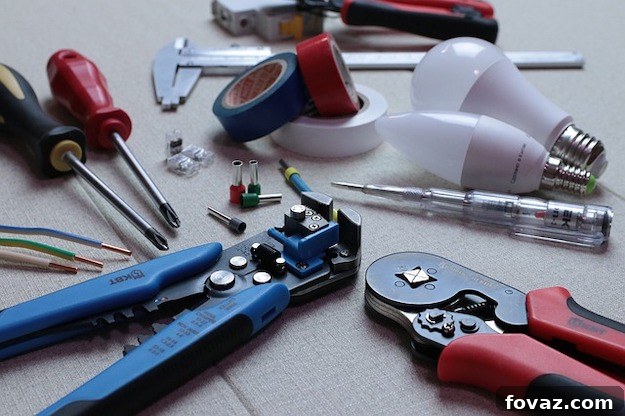
- Electrical System: Install new wiring, circuit breakers, outlets, and lighting fixtures to meet modern safety standards and your power needs.
- Plumbing System: Replace old pipes, install new supply and drainage lines, and set up fixtures for bathrooms and kitchen.
- HVAC System: Install or upgrade heating, ventilation, and air conditioning systems for comfort and energy efficiency.
Insulation and Drywall
- Insulation: Improve energy efficiency by installing modern insulation in walls, ceilings, and floors.
- Drywall/Plaster: Install new drywall or repair existing plaster, preparing surfaces for paint or wallpaper.
Exterior Work
- Windows and Doors: Repair or replace windows and doors for improved energy efficiency, security, and aesthetic appeal, often adhering to historical guidelines.
- Siding/Cladding: Restore or replace exterior finishes like siding, brickwork, stucco, or stone.
- Basic Landscaping: Address grading, drainage, and foundational landscaping around the house to prevent water damage.
Interior Finishes
- Flooring: Install new flooring (hardwood, tile, carpet) or refinish existing floors.
- Cabinetry and Built-ins: Install kitchen cabinets, bathroom vanities, and any custom built-in shelving or storage.
- Painting and Trim: Apply paint or wallpaper, install baseboards, crown molding, and other decorative trim.
- Fixtures: Install light fixtures, faucets, showerheads, and other plumbing fixtures.
Phase 3: Post-Restoration – The Grand Reveal and Ongoing Care
The final phase brings your vision to life and sets the stage for years of enjoyment.
Final Inspections and Punch List
- Building Code Compliance: Arrange for final inspections by local authorities to ensure all work meets building codes.
- Punch List: Conduct a thorough walkthrough with your contractor, noting any remaining issues or imperfections that need to be addressed before final payment.
Professional Cleaning
Once all construction work is complete and the punch list is tackled, a professional deep clean will remove dust, debris, and construction residue, revealing the true beauty of your restored home.
Landscaping and Exterior Enhancements
While basic landscaping may have occurred during the restoration, now is the time for more detailed garden design, planting, pathways, and outdoor living spaces to enhance curb appeal and functionality.
Furnishing and Decorating
This is where you truly make the house your home, adding furniture, artwork, textiles, and personal touches that reflect your style and complement the newly restored spaces.
Long-Term Maintenance Plan
Establish a regular maintenance schedule for your restored home, addressing things like roof inspections, gutter cleaning, paint upkeep, and system checks to preserve its condition and value for decades to come.
Documentation
Keep meticulous records of all work done, including permits, plans, invoices, warranties, and before-and-after photos. This documentation is valuable for future maintenance, insurance purposes, and potential resale.
SEE ALSO: How to Restore Furniture
 Did you enjoy this comprehensive guide to house restoration projects? We believe that with careful planning, a clear vision, and a little expert advice, anyone can embark on this rewarding journey. Let us know your thoughts, experiences, or any questions you have in the comments section below!
The Rewards of House Restoration: Beyond Bricks and Mortar
The journey of house restoration, while demanding, offers unparalleled rewards. You gain a uniquely customized home that reflects your taste and lifestyle, often at a lower cost than building new. You contribute to environmental sustainability by preventing demolition and reducing waste. Most importantly, you become a steward of history, preserving the architectural integrity and story of a building for future generations. The sense of accomplishment and pride in transforming a dilapidated structure into a vibrant, cherished home is truly immense.
We are passionate about empowering individuals to tap into their creative side through DIY projects, whether it’s crafting unique decor, upcycling forgotten treasures, or undertaking major home transformations. Our mission is to foster a vibrant community of DIY enthusiasts, providing inspiration, tutorials, and practical advice to make any project just a click away. Stay connected with us for more exciting DIY ideas and become part of our growing community on Facebook, Twitter, Pinterest, and Instagram! Let’s build, create, and inspire together!