

DIY Baby Wipes: An Eco-Friendly, Natural & Affordable Alternative for Your Little One
Are you tired of spending a small fortune on store-bought baby wipes that often contain harsh chemicals, synthetic fragrances, and ingredients you can’t even pronounce? Many parents are actively seeking gentler, more natural, and budget-friendly alternatives for their baby’s delicate skin. The good news is, creating your own homemade baby wipes is incredibly simple, takes just minutes, and offers you complete control over every single ingredient. Say goodbye to unnecessary additives and hello to soft, effective, and eco-conscious DIY baby wipes that truly nourish your baby’s skin.
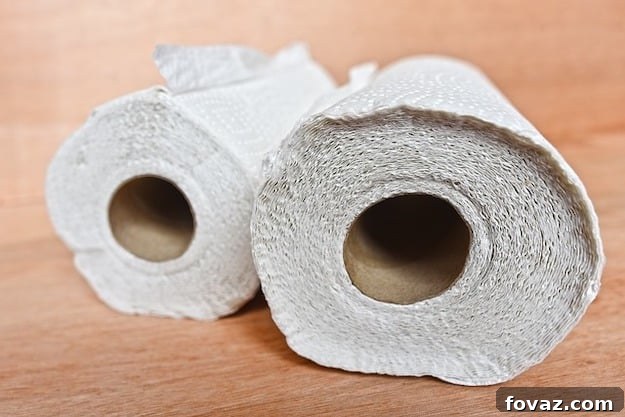
With just five simple “ingredients” and about five minutes of your time, you can create a significant supply of high-quality, natural baby wipes right in your own kitchen. This no-fuss, no-mess approach to DIY is truly at its best, empowering you to make healthier choices for your family while simultaneously saving a considerable amount of money. Imagine the peace of mind knowing exactly what is touching your baby’s skin, free from questionable chemicals. Ready to get started on this rewarding project? Our detailed guide below, accompanied by an insightful instructional video, will walk you through each step, ensuring you master the art of making your own baby wipes with utmost ease and confidence.
ALSO CHECK OUT: 30 Homemade Household Product Hacks | Never Buy These Products Again!
Why Choose Homemade Baby Wipes? Unveiling the Benefits
The decision to make your own DIY baby wipes comes with a host of compelling advantages that benefit both your family’s budget and your baby’s overall well-being. Let’s explore in detail why more and more parents are embracing this natural, safe, and cost-effective solution for their little ones.
Significant Cost Savings Over Time
One of the most immediate and tangible benefits of making your own baby wipes is the substantial reduction in expenditure. Store-bought wipes, particularly those marketed as “natural,” “organic,” or “sensitive skin” varieties, can be surprisingly expensive. These costs accumulate rapidly over months and years, becoming a significant line item in your baby budget. By utilizing readily available and inexpensive ingredients such as sturdy paper towels, pure coconut oil, and a gentle natural body wash, you will drastically cut down your monthly spending on essential baby care items. These savings can then be redirected towards other family needs or simply enjoyed as extra disposable income – a truly smart financial move for any parent.
Complete Control Over Natural Ingredients
This is arguably the most significant draw for health-conscious parents. Commercial baby wipes frequently contain a lengthy list of chemicals, preservatives, artificial fragrances, dyes, and alcohol, many of which can irritate a baby’s incredibly delicate skin. Such ingredients can lead to uncomfortable rashes, excessive dryness, and allergic reactions. With homemade baby wipes, you gain absolute control over what goes into your baby’s daily care routine. You personally select each ingredient, ensuring they are gentle, pure, and free from anything you deem potentially harmful or irritating. This level of transparency and peace of mind is invaluable, especially for babies who suffer from sensitive skin, eczema, or known allergies.
Gentle and Nourishing for Delicate Skin
The core ingredients in our DIY baby wipe recipe are meticulously chosen for their exceptional moisturizing and soothing properties. Coconut oil, for instance, is a natural powerhouse renowned for its inherent antibacterial, antifungal, and antiviral qualities, in addition to its remarkable ability to hydrate and protect the skin’s natural barrier. A carefully selected mild, natural body wash ensures effective yet gentle cleansing without stripping the skin of its essential natural oils. The combined result is a homemade wipe that not only cleanses effectively but also actively cares for and deeply nourishes your baby’s skin, leaving it feeling remarkably soft, smooth, and healthy after every use.
An Eco-Friendly and Sustainable Choice
Beyond the personal benefits for your baby and your wallet, opting to make homemade baby wipes is also a positive step towards embracing a more sustainable and environmentally conscious lifestyle. Commercial disposable wipes contribute significantly to landfill waste, not only from the wipes themselves (many are not biodegradable) but also from their often bulky plastic packaging. While our featured recipe utilizes paper towels, which are single-use, it inherently reduces the overall plastic packaging waste associated with store-bought options. For those seeking an even greater commitment to environmental responsibility, this recipe can be easily adapted to use reusable cloth wipes (a topic we’ll explore in more detail later!). Every small change we make contributes positively to reducing our collective environmental footprint.
Gathering Your Essential Supplies for Homemade Baby Wipes
Ready to embark on your DIY baby wipe journey? The true beauty of this project lies in its remarkable simplicity, requiring just a handful of easily accessible and affordable items. Here’s a detailed look at what you’ll need to gather to create your own gentle, nourishing, and cost-effective baby wipes.
All you need is:
- Sturdy Paper Towels: These form the essential foundation of your wipes! When selecting, prioritize strong, highly absorbent, and preferably dye-free and unscented paper towel brands. Those known for their superior durability and wet strength work best, as they need to withstand moisture and gentle scrubbing without tearing or pilling. A single, standard-sized roll can yield a surprisingly large batch of ready-to-use wipes.
- 2 Plastic Containers (approx. 1.125 L or larger): You’ll need at least one, but ideally two, airtight containers to store your finished wipes. Having two allows you to prepare a larger batch in advance or to have one container conveniently placed at your changing station and another readily available for your diaper bag or travel. Choose containers with tightly fitting lids to prevent your wipes from drying out prematurely and to maintain their crucial freshness. Rectangular containers that snugly fit a half-roll of paper towels are often the most efficient choice for space and ease of use.
- 1 Big Scoop of Coconut Oil: For optimal benefits, opt for virgin, unrefined coconut oil. This natural wonder is an exceptional moisturizer, richly packed with beneficial medium-chain fatty acids, and it naturally possesses antibacterial and antifungal properties. It plays a vital role in soothing, protecting, and conditioning delicate baby skin. The “big scoop” can be roughly equivalent to 1 to 2 tablespoons, allowing you to adjust based on your preference for added moisture and skin conditioning.
- 2 Squirts of Natural Body Wash: It is paramount to select a mild, unscented, and tear-free natural baby wash. Scrutinize ingredient labels and actively look for products that are explicitly free from parabens, sulfates, phthalates, and artificial fragrances. This gentle cleansing agent helps to effectively cleanse the skin and also acts as an emulsifier, assisting in the even distribution of the coconut oil throughout the water solution and ultimately onto the wipes.
- 1 Cup Boiling Hot Water: Hot water is absolutely crucial for two primary reasons: firstly, it helps to thoroughly and completely dissolve the coconut oil, ensuring a smooth, uniform distribution throughout the solution and onto the wipes. Secondly, the heat from the boiling water aids in initially sanitizing the solution and the paper towels, providing a clean foundation for your homemade wipes.
Step-by-Step Guide: Crafting Your Own DIY Baby Wipes
Now that you have meticulously gathered all your ingredients and supplies, let’s dive into the remarkably simple yet highly rewarding process of making your own baby wipes. Follow these clear, concise steps, and you’ll have a fresh, gentle batch ready for use in no time at all!
Step 1: Prepare Your Paper Towels
Begin by taking your chosen roll of sturdy paper towels. Using a sharp serrated knife, carefully and steadily cut the entire roll cleanly in half. This precise cut will yield two shorter rolls, each perfectly sized to comfortably fit into your plastic containers. If your chosen container is exceptionally wide, you might alternatively consider using the full roll and simply tearing off the cardboard center before proceeding with the soaking. Once cut, carefully remove the cardboard core from the center of each half-roll. This creates a hollow cylindrical space, which is essential as it allows the liquid solution to soak through the paper towels much more easily and evenly from the inside out.
Step 2: Mix the Liquid Solution
In a separate, clean mixing bowl or a large measuring cup (preferably one with a pouring spout), combine your precisely measured cup of boiling hot water, the generous scoop of coconut oil, and the two gentle squirts of natural body wash. Stir the mixture vigorously and continuously until the coconut oil is completely melted and the entire solution appears thoroughly combined and uniform. The boiling hot water is an absolutely essential component in this step, as it ensures that the coconut oil fully integrates with both the water and the body wash, thereby preventing it from prematurely solidifying or clumping unevenly on your precious wipes.
Step 3: Saturate the Wipes
Carefully place one half-roll of your prepared paper towels (remember, with the cardboard core already removed) into one of your selected plastic containers. Slowly and deliberately pour the warm liquid solution evenly over the paper towels. It’s often best to begin by pouring a significant portion of the solution into the hollow center of the roll, allowing it to wick outwards. Then, gently pour the remaining solution over the top surface of the roll. Ensure that the entire roll becomes thoroughly saturated. You might find it helpful to gently press down on the roll or even flip it over after a few minutes to guarantee optimal and even absorption throughout. The key is for the wipes to be adequately damp but certainly not dripping wet.
Step 4: Store and Use
Once the paper towels have fully absorbed the entire solution (this absorption process might take a few minutes to complete), firmly secure the lid tightly onto the container. This airtight seal is critically important for two reasons: it prevents your homemade baby wipes from drying out prematurely, and it helps to maintain their crucial freshness and hygiene. To use, simply pull a single wipe from the center of the roll (mimicking the convenient pop-up action of commercial wipes!) or peel one off from the top of the stack. Store your second prepared batch in the other container, ensuring you always have a fresh supply ready to go when the first one runs out.
Watch the video for the full tutorial:
Tips for Success, Customization, and Extending the Life of Your DIY Baby Wipes
While the basic recipe for homemade baby wipes is wonderfully straightforward, incorporating these additional tips will help you perfect your batches and ensure they consistently meet all your specific needs and preferences.
Storage and Shelf Life Best Practices
For optimal freshness, efficacy, and most importantly, to prevent any undesirable bacterial or mold growth, always store your natural baby wipes in a truly airtight container. Keep these containers in a cool, dry place, vigilantly away from direct sunlight or any sources of excessive heat, as warmth can significantly encourage microbial growth. It’s crucial to remember that unlike commercial wipes, homemade versions do not contain strong synthetic preservatives. This inherently means they possess a shorter shelf life. It is highly recommended to make smaller batches more frequently and aim to use them within 1 to 2 weeks. If you ever notice any discoloration, an unusual or off-putting smell, or a slimy texture, it is imperative to discard the entire batch immediately for your baby’s safety. When in doubt, always err on the side of caution and throw it out!
Customizing with Essential Oils (Use with Extreme Caution!)
For parents who are interested in imparting a mild, pleasant, natural scent or potentially adding additional skin benefits, a single drop or two of high-quality, explicitly baby-safe essential oil can be added to your liquid solution. However, it is absolutely critical to exercise extreme caution and always consult with your pediatrician or a qualified aromatherapist before considering the use of any essential oils on infants, especially newborns or those with sensitive skin. If approved, choose only the gentlest essential oils such as true lavender or Roman chamomile, ensuring they are therapeutic grade and are very heavily diluted (e.g., no more than 1-2 drops per full cup of solution). Never, under any circumstances, apply undiluted essential oils directly to your baby’s delicate skin.
Troubleshooting Common Issues with Your Wipes
- Wipes too Dry? If your wipes feel insufficiently damp, you can gently pour a little more warm water (or a small amount of freshly made solution) over the top of the roll and allow it ample time to thoroughly absorb.
- Wipes too Wet? If your wipes are excessively saturated and dripping, you can carefully squeeze out some of the excess liquid from the roll. For future batches, consider slightly reducing the initial amount of water used in the solution.
- Coconut Oil Solidifies? In cooler ambient temperatures, the coconut oil within your wipes may naturally solidify. This is a normal phenomenon and completely harmless. You can either gently warm the container slightly (for instance, by placing it in a bowl of warm water for a few minutes) to re-liquefy the oil, or simply use them as they are; the warmth of your hands during use will help melt the oil.
Consider Reusable Cloth Wipes for Ultimate Eco-Friendliness
While this recipe primarily focuses on DIY baby wipes made with absorbent paper towels, for an even more profoundly sustainable and eco-friendly approach, you can very easily adapt this exact solution for use with reusable cloth wipes. Simply cut soft, absorbent materials such as flannel, cotton fabric scraps, or even old, clean t-shirts into convenient square wipes (approximately 8×8 inches is a good starting size). Stack these cloth wipes neatly into your container and pour the homemade solution over them. Once used, these cloth wipes can be easily laundered and subsequently reused countless times, dramatically reducing your household’s waste generation. While this option requires a small upfront investment in cloth materials, it offers immense long-term benefits for both your budget and the health of our planet.
Safety and Hygiene Considerations for Homemade Baby Wipes
When crafting any products for your precious baby, safety and hygiene are of absolute paramount importance. Here are critical considerations to ensure your DIY baby wipes are consistently safe, clean, and healthy for your little one.
The Importance of Quality Ingredients
Always commit to using only high-quality, pure, and genuinely natural ingredients. Ensure that your chosen coconut oil is food-grade and that your baby wash is specifically formulated for infants, meaning it is explicitly free from harsh chemicals, irritating dyes, and strong, artificial fragrances that could potentially provoke irritation on sensitive skin. Investing in good quality ingredients is an investment in your baby’s skin health.
Preventing Mold and Bacterial Growth
It’s crucial to understand that, unlike their commercial counterparts, homemade wipes do not incorporate strong synthetic preservatives designed to inhibit microbial growth. This fundamental difference means they inherently possess a shorter shelf life and demand meticulous handling to actively prevent the growth of potentially harmful mold or bacteria.
- Airtight Containers: The use of truly airtight containers is not optional; it is essential for keeping your wipes consistently moist and for preventing any environmental contamination.
- Rigorous Cleanliness: Before each batch, ensure that all containers, mixing bowls, and any utensils used are thoroughly cleaned, meticulously washed, and properly sanitized to eliminate existing bacteria.
- Small Batches Are Best: It is always advisable to prepare only the quantity of wipes you realistically anticipate using within a short timeframe, ideally within 1 to 2 weeks. This minimizes the risk of spoilage.
- Vigilant Observation: Develop a habit of regularly inspecting your wipes. If you ever notice any unusual or uncharacteristic smells, any visible discoloration, or detect a slimy or unusual texture, discard the entire batch immediately without hesitation. When in doubt about freshness or safety, always err on the side of caution and dispose of them.
Always Perform a Patch Test
Before extensively using a brand new batch of homemade baby wipes on your baby, particularly if you have altered the recipe in any way or introduced new ingredients such as essential oils, it is a non-negotiable safety step to perform a small patch test. Apply a single wipe to a small, inconspicuous area of your baby’s skin (for example, a tiny spot on the inner thigh or arm) and wait for a full 24 hours. During this period, carefully observe the area for any signs of redness, irritation, swelling, or any other allergic reaction. Remember, every baby’s skin is uniquely individual, and what proves suitable for one may not necessarily be suitable for another.
Beyond Baby Wipes: Creative Uses for Your Versatile Homemade Solution
The gentle and versatile solution you’ve so thoughtfully created for your DIY baby wipes can actually be repurposed for a delightful multitude of other practical uses around your home and for personal care, making it an even more valuable and multi-functional concoction!
- Gentle Makeup Remover Wipes: For adults, these homemade wipes are absolutely fantastic for effectively removing makeup, even stubborn mascara and long-wear foundations, while simultaneously leaving your skin feeling wonderfully moisturized and refreshed.
- Quick Household Cleaning Wipes: Utilize them for swift and easy clean-ups around the house – they’re perfect for wiping down sticky kitchen counters, dusting surfaces, or even as gentle screen cleaners for electronics (always test on an inconspicuous area first!).
- Hand & Face Refreshing Wipes: Keep a small, conveniently sized container of these wipes in your car, handbag, or desk drawer for instantly refreshing your hands and face when you’re on the go, especially after enjoying snacks or engaging in outdoor activities.
- Pet Paw Wipes: The solution is gentle enough to safely wipe your furry friend’s paws after a walk, effectively removing dirt, mud, and potential allergens before they track them indoors.
Embrace the Simplicity and Benefits of Homemade Baby Wipes Today!
Embracing the rewarding world of DIY baby wipes is undoubtedly a smart and compassionate choice for any parent who is dedicated to saving money, proactively avoiding harsh and unnecessary chemicals, and adopting a more natural, gentle, and profoundly eco-friendly approach to their baby’s care. With minimal effort, a tiny investment of time, and easily accessible, natural ingredients, you can confidently provide your little one with exceptionally gentle, incredibly nourishing, and perfectly effective wipes that you can truly trust. We wholeheartedly encourage you to give this simple yet impactful recipe a try and personally experience the invaluable peace of mind that comes with knowing exactly what touches your baby’s delicate and precious skin.
Did you enjoy this DIY tutorial on making your own baby wipes? Then you should also check out…
23 Amazing DIY Uses of Baby Food Jars
12 Adorable DIY Diaper Cake Ideas Anyone Can Make
17 DIY Bath Salts | Bath Salt Recipe
And don’t forget to stay connected with us on Facebook, Twitter, Pinterestand Instagram!