
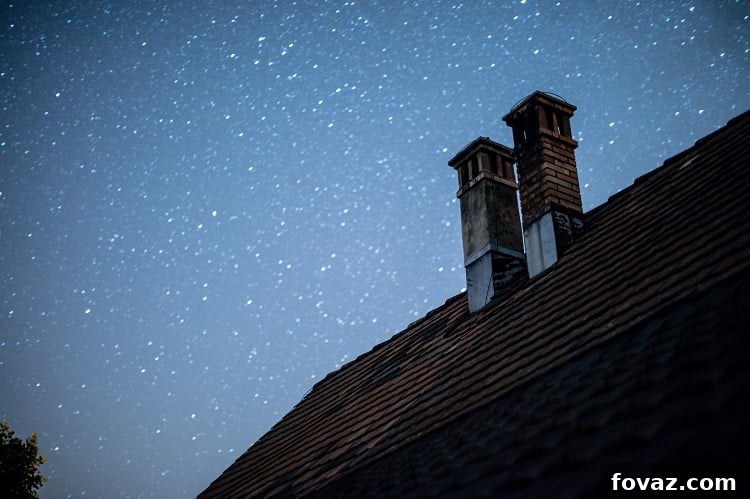
Your chimney is more than just a decorative feature; it’s a vital component of your home’s heating system and structural integrity. Often overlooked until a problem arises, proper chimney care is paramount for safety, efficiency, and maintaining your property’s value. While some minor maintenance tasks can be handled by a diligent homeowner, understanding when to call in a professional is key. In this comprehensive guide, expert James Dulley shares invaluable insights on identifying, repairing, and preventing common chimney issues, focusing specifically on how to address cracks and ensure your chimney remains in optimal condition.
Essential Guide to Chimney Crack Repair and Proactive Maintenance
Dear James,
After a busy winter season of enjoying our wood-burning fireplace, I’ve noticed some alarming long cracks running through the brick and mortar on the exterior of my chimney. Should I be concerned, and does this require immediate attention? — MaryAnn L.
Dear MaryAnn,
Your concern is absolutely valid, and you’ve hit upon a critical issue that demands prompt attention. While it’s true that minor, hairline cracks in chimney mortar joints can be a common occurrence over time due to weathering and natural settling, the presence of “long cracks” that extend through both the mortar and the bricks themselves is a significant red flag. This type of cracking typically indicates a more profound structural problem rather than just surface wear. Neglecting such issues can lead to severe consequences, making immediate investigation and remediation crucial for the safety and longevity of your home.
- Ideal for indoor/outdoor use to repair concrete cracks and holes in concrete
- Two-part, industrial-strength epoxy permanently bonds concrete without shrinking or cracking
- Fast curing product contains no unpleasant orders and allows concrete to be painted or coated in 8 hours
- Creates an extremely hard surface that is stronger than concrete
- Universal product works with any concrete coating
Buy on Amazon
The Grave Dangers of Neglecting Chimney Problems
Chimneys are exceptionally heavy structures, often weighing many tons. A typical masonry chimney is designed to stand vertically, relying on a solid foundation and the immense compressive strength of its brick and mortar components. When these structures develop significant cracks, especially those extending through bricks, it’s a clear sign that the chimney’s structural integrity is compromised. History is replete with examples of neglected chimneys collapsing, leading to extensive damage to the house, surrounding property, and posing a severe risk of injury or fatality. Moreover, since you frequently use your fireplace, a faulty chimney presents a grave fire hazard. Cracks can allow hot gases, sparks, and even flames to escape into combustible areas of your home, and they can compromise the proper venting of smoke, leading to creosote buildup which is highly flammable. Indeed, fireplace and chimney problems are among the leading causes of devastating house fires each year.
The Importance of Professional Chimney Inspection
Given the potential severity of the issues you’re observing, MaryAnn, it would be exceptionally wise to have your chimney professionally inspected without delay. Your first and most logical step should be to contact a certified chimney sweep. While a chimney sweep’s primary role is cleaning, an experienced professional will perform a thorough visual inspection and often use specialized cameras to examine the interior of the flue. They are adept at identifying various chimney problems, from blockages and creosote buildup to liner damage and signs of structural distress. Although they are not licensed structural engineers, their vast experience with countless chimneys makes them excellent first responders. If they identify significant structural concerns, as your description suggests, they will almost certainly recommend that you engage a licensed structural engineer for a more in-depth evaluation.
A structural engineer possesses the expertise to assess the entire chimney system, including its foundation, masonry, and how it interacts with your home’s overall structure. They can determine the root cause of the cracking, evaluate the extent of the damage, and provide a detailed report with recommendations for appropriate repairs, which could range from minor repointing to partial or complete rebuilding.
Understanding Masonry Strength: Compression vs. Tension
To grasp why these cracks are so problematic, it’s helpful to understand the mechanics of masonry. Bricks and mortar, when properly constructed, create an incredibly strong structure due to their tremendous compressive strength. They can withstand thousands of pounds per square inch when pressure is applied from above. However, these same materials are relatively weak when subjected to tension – that is, when they are stretched or pulled apart. A chimney is designed to be under compression, with its immense weight pressing down evenly. If the chimney begins to tilt, shift, or settle unevenly, certain sections of the brick and mortar will be put into a state of tension rather than compression. This “stretching” is what causes the material to crack and ultimately fail, signaling a fundamental flaw in the chimney’s support or construction.
Common Causes of Chimney Cracking and Structural Failure
Several factors can contribute to the type of serious chimney cracking you are experiencing:
1. Inadequate or Failing Chimney Footer
A chimney, due to its extreme weight, requires a robust concrete footer beneath it to provide stable support. Building codes typically mandate that a chimney footer be at least one foot thick and extend a foot or more beyond the chimney’s dimensions on all sides. It’s crucial to check your original building plans to verify the size and specifications of your chimney’s footer. Even if the footer appears adequately sized, issues can still arise. The footer should have been reinforced with steel rods, known as rebar, during its pouring. If the concrete was not sufficiently reinforced, or if there were problems with the concrete mixture’s strength (e.g., too much water, poor aggregate), the footer itself may be disintegrating or cracking under the immense weight of the chimney, leading to uneven settlement and subsequent cracks in the masonry above.
- TWO-PART FORMULA chemically bonds with surface to adhere permanently
- QUICK, DURABLE REPAIRS to damaged and rotted wood
- USE ON MOST WOOD-BASED interior or exterior surfaces
- Permanent, non-shrinking repairs
- Sandable in 15 minutes
Buy on Amazon
2. Ground Settlement Beneath the Footer
Even if your chimney footer was perfectly sized and reinforced, ground settlement is another common culprit. If your house was constructed on “fill” soil that was not adequately compacted, or if there are issues with shifting clay soils or water erosion, the ground beneath the footer can settle unevenly. This can cause the footer to rock, tilt, or sink deeper on one side, even by a small amount. As discussed, even minor movements in the foundation can induce tremendous stresses in the heavy masonry chimney above, leading to extensive cracking.
3. Faulty Bricks or Mortar
While less common as a primary cause, faulty materials can exacerbate or directly lead to cracking. If a batch of weak, improperly fired bricks or a poorly mixed, low-quality mortar was used during construction, these materials might not withstand the normal stresses of weather, temperature fluctuations, and the chimney’s own weight. If several weak bricks were inadvertently stacked, they could fail, creating unusual stress points that propagate cracks to surrounding, otherwise sound, masonry. A structural engineer will be able to perform tests to assess the quality of your existing brick and mortar.
4. Thermal Expansion and Contraction
Chimneys are subjected to extreme temperature fluctuations – intense heat from fires inside and varying ambient temperatures outside. This constant heating and cooling causes materials to expand and contract. While masonry is designed to handle some degree of this, persistent, severe thermal stress, especially when combined with other weaknesses, can contribute to cracking over time.
5. Water Damage and Freeze-Thaw Cycles
Water is a chimney’s worst enemy. Unprotected chimneys are susceptible to water penetration through cracks in the crown, missing or deteriorated mortar joints, or even directly through porous bricks. Once water seeps into the masonry, it expands when it freezes (the freeze-thaw cycle), exerting immense pressure that can spall (flake off) bricks and widen existing cracks. This process significantly accelerates the deterioration of the chimney structure.
- RESTORE DAMAGED WALLS AND CEILINGS: Make invisible, permanent repairs to cracked ceilings with this repair kit. Use on drywall, plaster, stucco, wood, concrete, and cement.
- SPECIALLY FORMULATED: The all-in-one drywall repair kit contains an acrylic emulsion, an easy-to-use spreader, and 20 feet of polyester mesh to bridge cracks.
- EASY TO USE: This wall repair kit takes less than an hour to work. No sanding is required, and once the second coat dries, it’s ready to paint without primer. It’s easily cleaned up with soap and water.
- NO SHRINKING OR CRACKING: This lightweight wall repair kit retains flexibility as it dries without shrinking, allowing the repair to shift as the wall shifts for a seamless, durable repair.
- ABATRON: We specialize in providing high-quality, easy-to-use, permanent building restoration products. Our items do not contain solvents and have virtually no VOCs. We are committed to offering safe products that deliver professional results.
Buy on Amazon
Essential Upgrades and Preventative Maintenance
Regardless of whether your chimney requires extensive structural repair or a complete rebuild, there are two crucial upgrades you should strongly consider as part of any maintenance plan:
1. Installing a Chimney Cap
A high-quality chimney cap is an often-underestimated but incredibly effective preventative measure. It acts as a protective shield for the top of your chimney, preventing a host of common problems. Firstly, it keeps rain, snow, and ice from entering the flue, which is vital for preventing water damage and deterioration of the internal masonry and flue liner. Secondly, it acts as a barrier against debris such as leaves, branches, and other organic matter that can fall into the flue and create blockages. Lastly, a sturdy cap prevents animals like birds, squirrels, and raccoons from nesting in your chimney, which can lead to dangerous blockages, unpleasant odors, and the risk of animals entering your home. Some caps even feature spark arrestors, adding an extra layer of fire safety.
2. Installing a Metal Flue Liner
If your chimney either lacks a flue liner or has an older, deteriorating clay tile liner, installing a new stainless steel or other approved metal flue liner is a critical safety upgrade. Flue liners serve several vital functions:
- Safety: A continuous, intact liner contains combustion byproducts, preventing hot gases and sparks from escaping through cracks in the masonry into combustible areas of your home, drastically reducing the risk of chimney fires.
- Efficiency: A properly sized liner ensures a consistent draft, which helps your fireplace operate more efficiently, burning fuel more completely and reducing smoke spillage into your living space.
- Creosote Buildup: A smooth metal liner provides fewer surfaces for creosote (a highly flammable byproduct of wood burning) to accumulate, minimizing the possibility of future chimney fires and making routine cleaning much easier for your chimney sweep.
- Structural Integrity: In older chimneys, a new liner can help stabilize the existing masonry, offering an additional layer of protection against the elements.
Beyond these upgrades, regular annual inspections and cleanings by a certified chimney sweep are non-negotiable for anyone using a fireplace or wood stove. Early detection of minor issues can prevent them from escalating into costly and dangerous structural problems. Additionally, consider waterproofing your chimney with a permeable sealant to protect the exterior masonry from moisture intrusion, further extending its lifespan.
In summary, MaryAnn, do not delay in addressing these cracks. Your proactive inquiry is the first step towards ensuring your chimney’s safety and your home’s long-term integrity. Investing in professional assessment and necessary repairs is not just about aesthetics; it’s an investment in the safety and value of your entire home.
Send your questions to Here’s How, 6906 Royalgreen Dr., Cincinnati, OH 45244 or visit www.dulley.com.
To find out more about James Dulley and read features by other Creators Syndicate writers and cartoonists, visit the Creators Syndicate website at www.creators.com. COPYRIGHT 2017 CREATORS.COM