
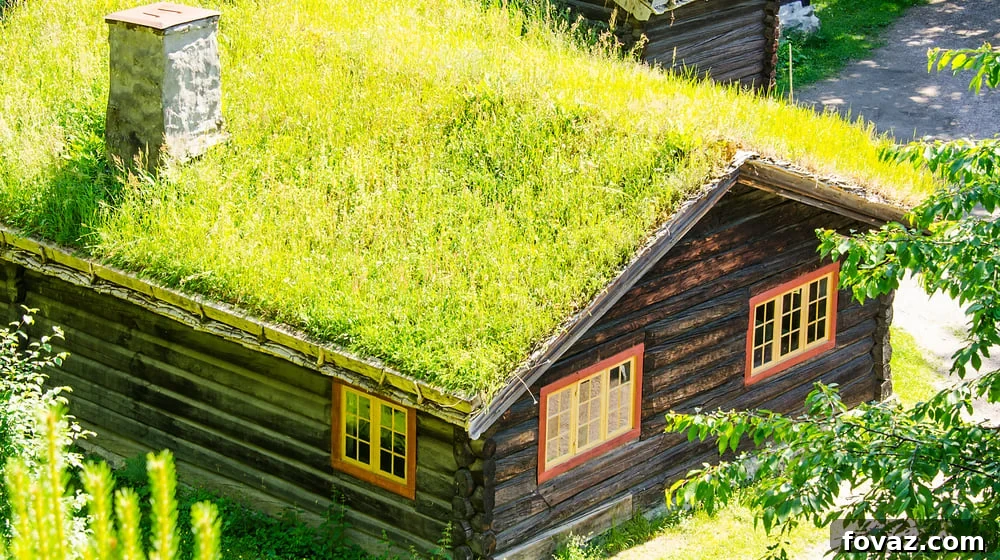
Transforming your roof into a vibrant, living ecosystem is more than just a trend – it’s a commitment to a sustainable future. Green roofs, also known as living roofs, offer a remarkable blend of ecological benefits, aesthetic appeal, and practical advantages for homeowners. Imagine a cap of lush greenery insulating your home, deterring urban pollution, and providing a haven for local biodiversity, all while enhancing your property’s visual charm. This isn’t just a fantasy; it’s a tangible reality that more and more homeowners are embracing. However, transitioning from a conventional roof to a thriving rooftop garden requires careful planning, thorough preparation, and a deep understanding of the unique considerations involved. It’s a journey that goes beyond simply placing plants on your roof; it demands a strategic approach to ensure success and longevity. For those dreaming of a verdant canopy atop their abode, this comprehensive guide will illuminate the essential steps and considerations for installing a green roof at home, ensuring your project blossoms into a sustainable success story.
Embarking on Your Green Roof Journey: Essential Pre-Installation Steps
For centuries, the concept of a living garden atop a building seemed confined to the pages of fantasy novels or futuristic cinematic landscapes. Yet, in our increasingly environmentally conscious world, green roofs have emerged from the realm of imagination into a tangible, practical solution for modern living. People are no longer content with merely cultivating gardens in their backyards; they are reaching skyward, transforming their rooftops into verdant oases. This innovative approach to landscaping offers a multitude of benefits, from enhanced insulation to improved air quality and stormwater management. However, the installation of a green roof is a sophisticated endeavor that transcends simple gardening. It necessitates a robust framework, meticulous planning, and a careful assessment of various factors. To guide you through this exciting yet complex undertaking, we have compiled a detailed list of critical considerations that you absolutely must address before you even think about laying the first seed for your very own rooftop sanctuary.
1. Navigating the Financial Landscape: Understanding Green Roof Costs
The allure of a green roof is undeniable, but it’s crucial to approach the project with a clear understanding of the financial investment involved. While not always prohibitively expensive, green roofs do represent a significant initial outlay, with costs typically ranging from $10 to $40 per square foot, or even higher for more complex designs. This wide price range is primarily influenced by several key factors: the type of green roof you choose (extensive or intensive), the specific materials selected, the complexity of your roof’s structure, your geographical location, and whether you opt for professional installation or tackle a DIY approach. Extensive green roofs, characterized by a shallower growing medium (2-6 inches) and low-maintenance plants like sedums, tend to be on the lower end of the cost spectrum due to lighter loads and simpler installation. Intensive green roofs, on the other hand, can support a wider variety of plants, including shrubs and small trees, requiring a deeper growing medium (6 inches to several feet) and more robust structural support, thus incurring higher costs. Beyond the initial installation, factor in potential costs for structural engineering assessments, specialized waterproofing membranes, drainage layers, irrigation systems, and the plants themselves. While the upfront investment may seem substantial, it’s vital to consider the long-term savings. Green roofs can significantly reduce energy bills by providing superior insulation, extending the lifespan of your roof membrane by protecting it from UV radiation and extreme temperatures, and potentially increasing your property value. Additionally, some regions offer grants, rebates, or tax incentives for green roof installations, which can help offset the initial expense. Researching these opportunities in your area is a wise first step in making your green roof dream financially feasible.
2. The Time Commitment: Planning Your Green Roof Project Timeline
Installing a green roof is not a weekend project; it’s an undertaking that demands a considerable time investment, spanning from the initial planning stages to the final establishment of your verdant canopy. The overall duration will largely depend on the size and complexity of your roof, your chosen green roof system, and whether you engage professional installers or embark on a DIY journey. The planning phase alone can take weeks or even months, involving structural assessments, material sourcing, design finalization, and securing any necessary permits. The actual installation, particularly for a larger roof or an intensive system, can range from a few days to well over a week for the physical construction, including waterproofing, drainage layer placement, and the installation of the growing medium. Following the construction, there’s a crucial establishment period for the plants, which can take several weeks or even months for them to fully root and thrive. One of the most critical aspects of timing is seasonality. To maximize your chances of success and witness faster results, it is highly recommended to schedule your planting during the optimal growing season in your region. Spring, with its moderate temperatures and consistent rainfall, is often considered ideal, as it provides the perfect conditions for new plants to establish themselves without the stress of extreme heat or cold. Starting in the fall can also be viable in some climates, allowing plants to root before winter dormancy and burst forth with vigor in the spring. Avoiding peak summer heat or harsh winter conditions for planting is essential to prevent transplant shock and ensure healthy growth. Thoughtful planning of your timeline will mitigate delays and contribute significantly to the long-term success of your green roof.
3. Location, Location, Location: Assessing Your Roof’s Suitability
Not all roofs are created equal when it comes to hosting a thriving green roof. The physical characteristics and environmental conditions of your specific roof play a pivotal role in determining the feasibility and success of your project. Foremost among these considerations is the structural integrity of your existing roof. A green roof, even an extensive one, adds significant weight, especially when the growing medium is saturated with water. Engaging a qualified structural engineer to assess your roof’s load-bearing capacity is not merely recommended; it is an absolute necessity to prevent potential structural damage or collapse. Beyond strength, consider the slope of your roof. Flat roofs or those with a very gentle pitch (typically up to 5-10 degrees) are generally the easiest and most suitable candidates for green roofs, as they simplify installation and minimize erosion. Steeper slopes can be accommodated with specialized systems but will inevitably increase complexity and cost. Sunlight exposure is another critical factor. Will your chosen plants receive adequate sunlight throughout the day? Analyze the sun path across your roof at different times of the year, taking into account any surrounding buildings or trees that might cast shadows. Different plants have different light requirements, so matching your plant palette to your roof’s sun exposure is key to their survival. Wind exposure should also be assessed, as strong winds can lead to desiccation and erosion. Lastly, do not overlook local regulations and permit requirements. Many municipalities have specific building codes or zoning ordinances that govern green roof installations. Failing to secure the necessary permits before commencing work can lead to fines, project delays, or even forced removal. A thorough site analysis will inform your design choices and ensure your green roof is built on a solid foundation, both literally and figuratively.
4. The Long-Term Commitment: Understanding Green Roof Maintenance
While often touted for their ecological benefits, green roofs are living systems that, like any garden, require a degree of ongoing care and attention to flourish. The level of maintenance needed will largely depend on the type of green roof you choose. Extensive green roofs, characterized by their shallow growing medium and hardy, drought-tolerant plants such such as sedums, woolly thyme, or specific succulents, are specifically designed to be low-maintenance. These resilient species can often thrive with minimal intervention, enduring periods of drought and extreme temperatures. However, even low-maintenance roofs will require some occasional care, particularly during the initial establishment phase. This typically includes periodic weeding to prevent invasive species from competing with your chosen plants, especially in the first year, and checking the irrigation system (if installed) to ensure even water distribution. Intensive green roofs, with their deeper soil layers and diverse plant palettes that can include grasses, perennials, shrubs, and even small trees, demand a level of maintenance akin to a traditional garden. This could involve more frequent watering, especially during dry spells, regular weeding, pruning, fertilization, and potentially pest and disease management. Regardless of the type, it’s crucial to routinely inspect the drainage system to ensure it’s free from debris and functioning correctly, preventing waterlogging or structural issues. Regular checks of the roof membrane for any signs of damage or root penetration are also vital. Selecting plants that are well-suited to your local climate and the specific conditions on your rooftop (sun exposure, wind) will significantly reduce long-term maintenance efforts. Investing a little time in understanding and planning for ongoing care will ensure your green roof remains a beautiful and beneficial feature for decades to come, continuing to contribute to your home’s sustainability and aesthetic appeal.
Low-maintenance plants and dwarf shrubs, perfectly adapted to shallow growing mediums and challenging rooftop environments, are often the best choices for extensive green roofs. Plants such as woolly thymes or various species of dwarf spruces are excellent selections when it comes to maximizing resilience and minimizing upkeep. Opting for these hardy varieties will ensure your green roof remains vibrant and continues to thrive, even without your daily hands-on attention.
5. The Art of Construction: Demystifying the Green Roof Installation Process
The successful installation of a green roof is a multi-layered process that demands precision and adherence to best practices. Understanding each component and its role is crucial for both functionality and longevity. The foundational element is your existing roof deck, which must be structurally sound and properly prepared. Directly above this lies the waterproofing membrane, arguably the most critical layer, designed to prevent water ingress into your building. This membrane must be robust, durable, and resistant to root penetration. Following the waterproofing, a root barrier is often installed as an additional safeguard, further protecting the membrane from aggressive plant roots. Next comes a protection layer, which shields the waterproofing and root barrier from mechanical damage during installation and from the weight of subsequent layers. Above this, the drainage layer is paramount. Proper drainage is absolutely essential to prevent waterlogging, which can harm plants and add excessive weight to the roof structure. This layer, often composed of manufactured drainage mats or a granular material, allows excess water to escape efficiently while retaining a minimal amount for plant uptake. A filter fabric is then placed on top of the drainage layer to prevent fine soil particles from washing down and clogging the drainage system. Finally, the growing medium, specially formulated for green roofs (lighter than regular soil, yet rich in nutrients), is spread, followed by the careful planting of your chosen vegetation. Throughout this entire process, mind the weight you are adding to your roof. If you haven’t already, hire a structural engineer to perform a thorough load assessment. Discuss with them the specific types of growing media, drainage materials, and plant selections you intend to use to ensure the combined weight remains within your roof’s capacity. Professional expertise in waterproofing and structural considerations cannot be overstated, as these are the cornerstones of a safe and successful green roof installation.
For a detailed visual guide on installing a green roof, check out this informative video from Sterling Home Inspections. It offers practical insights into the process.
Unlocking the Advantages: The Multifaceted Benefits of Green Roofs
Beyond their captivating aesthetics, green roofs offer a compelling array of environmental, economic, and social benefits that contribute significantly to sustainable urban living and homeowner well-being. One of the most immediate advantages is their exceptional ability to improve energy efficiency. The layers of vegetation and growing medium act as a natural insulation blanket, keeping buildings cooler in the summer by reducing heat absorption and warmer in the winter by minimizing heat loss. This translates directly into reduced reliance on heating and air conditioning, leading to substantial savings on utility bills. Furthermore, green roofs play a crucial role in managing stormwater runoff. They absorb significant amounts of rainfall, slowing down and reducing the volume of water entering urban drainage systems. This helps to mitigate flash floods, reduce the load on wastewater treatment plants, and filter pollutants from the water before it reaches natural bodies. Environmentally, living roofs actively combat the urban heat island effect, where cities are significantly warmer than surrounding rural areas due to heat-absorbing surfaces. By replacing impervious surfaces with vegetation, green roofs cool the ambient air through evapotranspiration, making urban environments more comfortable and reducing smog formation. They also enhance air quality by filtering airborne pollutants and producing oxygen. Moreover, green roofs create vital habitats for local biodiversity, attracting beneficial insects, birds, and pollinators, which is increasingly important in urbanized areas. From an economic perspective, green roofs can extend the lifespan of your roof membrane by protecting it from harmful UV radiation and extreme temperature fluctuations, effectively doubling or even tripling its longevity. Property values can also see an uplift, as green roofs are considered a desirable, eco-friendly feature. Socially, these rooftop oases provide serene green spaces in dense urban environments, offering opportunities for relaxation, recreation, and even urban agriculture, fostering a stronger connection to nature for residents. In essence, a green roof is not just an architectural feature; it’s a living investment that pays dividends in comfort, cost savings, and environmental stewardship.
Understanding the Diversity: Extensive vs. Intensive Green Roofs
When planning your green roof, it’s essential to understand the two primary categories: extensive and intensive. Each offers distinct characteristics, benefits, and requirements. **Extensive green roofs** are designed to be lightweight and require minimal maintenance, making them ideal for existing buildings or structures with limited load-bearing capacity. They feature a shallow growing medium, typically between 2 to 6 inches (5-15 cm) deep, and are planted with hardy, drought-tolerant vegetation such as sedums, succulents, mosses, and specific grasses. These plants are chosen for their ability to thrive in harsh conditions, requiring little to no irrigation once established. Extensive roofs prioritize ecological benefits like stormwater retention, insulation, and habitat creation, often without direct human access beyond occasional maintenance. They are generally more cost-effective to install and maintain. In contrast, **intensive green roofs** are essentially rooftop parks or gardens. They feature a much deeper growing medium, ranging from 6 inches (15 cm) to several feet, allowing for a broader diversity of plant life, including perennials, shrubs, and even small trees. Intensive roofs require significant structural support due to their weight and demand more active maintenance, similar to a traditional ground-level garden, including regular watering, weeding, and fertilization. These roofs are often designed for human access and recreation, providing valuable amenity spaces in urban areas, complete with pathways, seating, and varied landscaping. While more complex and expensive to install and maintain, intensive roofs offer greater aesthetic versatility, biodiversity potential, and recreational opportunities. Your choice between extensive and intensive will depend on your roof’s structural capacity, budget, maintenance commitment, and desired functionality and appearance.
Do you have more innovative green roofing installation tips or experiences to share? We’d love to hear them! Please tell us in the comment section below.
For even more visual guidance and creative ideas for your green roofing project, make sure to check out this insightful video by QLawns!
You Might Also Be Interested In…
DIY Maintenance | Essential Roofing Tips And Tricks For Flat Roofs
Build Your Own: An Awesome DIY Storage Shed Any Enthusiast Can Tackle
Cultivating Success: 5 Crucial Lawn and Garden Tips for First-Time Homeowners
Featured image via Houzz.