
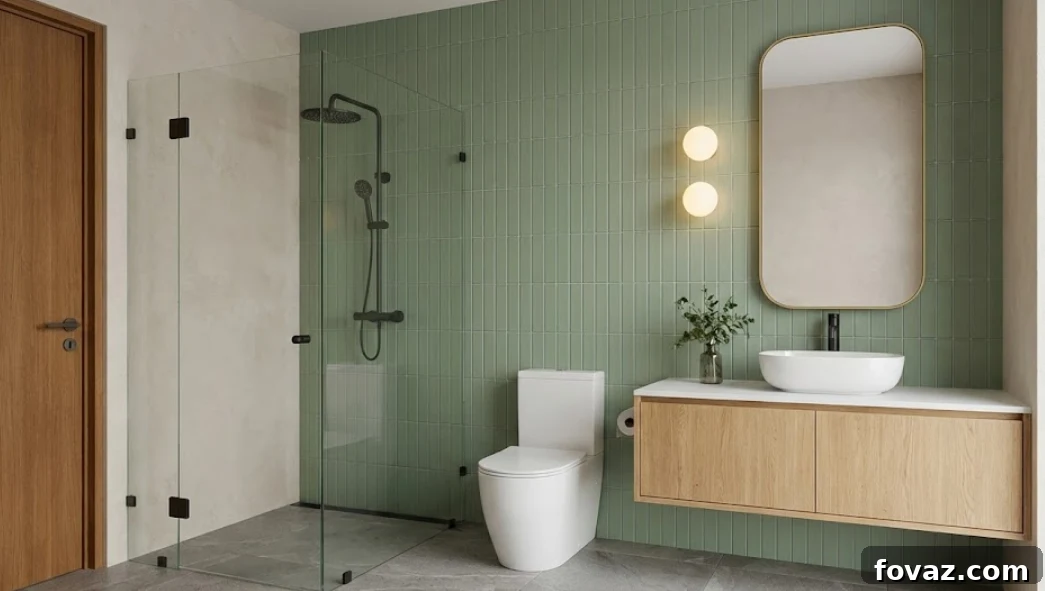
Understanding Bathroom Remodel Costs in 2026: A Comprehensive Guide
Embarking on a bathroom remodel is an exciting venture, offering the chance to revitalize one of your home’s most essential spaces. However, before diving into design choices and material selections, understanding the potential costs is paramount. In 2026, bathroom renovation expenses can vary dramatically based on the project’s scope, the materials chosen, labor rates, and your geographic location. This comprehensive guide breaks down everything you need to know to budget effectively for your dream bathroom.
How Much Does a Bathroom Remodel Cost in 2026?
For most homeowners planning a bathroom upgrade in 2026, the financial investment can range from a few thousand dollars for a basic refresh to well over $100,000 for a luxurious new addition. Here’s a quick overview of typical cost ranges based on the project’s complexity:
- Bathroom Refresh: Expect to spend between $3,000 and $10,000. This involves cosmetic updates without altering plumbing layouts.
- Pull-and-Replace Remodel: A more extensive overhaul, typically costing $10,000 to $25,000, focusing on updating fixtures and finishes while maintaining the existing plumbing footprint.
- Full-Gut Renovation: For a complete transformation involving demolition, layout changes, and new systems, budgets typically range from $25,000 to $80,000+.
- Building a New Bathroom: Creating a brand-new bathroom space, whether through an addition or conversion, can cost anywhere from $12,000 to $100,000+.
Final expenses are significantly influenced by factors such as local labor rates, the quality and type of materials selected, necessary permits, and the extent of plumbing and electrical work required.
Key Bathroom Remodel Cost Factors for 2026
Before delving into specific pricing tiers by state, it’s crucial to grasp the overarching cost patterns that influence nearly every bathroom renovation project. These fundamental factors dictate why remodel prices fluctuate, irrespective of your specific location:
- Labor Dominates Costs: Skilled labor typically accounts for a significant portion, roughly 40% to 60%, of the total bathroom remodel expenses. This includes plumbers, electricians, tile setters, carpenters, and general contractors. The complexity of the work, the duration, and local wage rates all contribute to this percentage.
- Geographic Disparities: Homeowners in high-cost states or major metropolitan areas can anticipate paying 20% to 40% above national averages. This is largely due to higher costs of living, increased demand for skilled trades, and elevated material transportation expenses.
- Plumbing and Electrical Changes: Any alteration to the existing plumbing or electrical layout—such as moving a toilet, shower, or vanity, or adding new outlets or lighting circuits—will cause the most substantial cost increases. These changes require specialized labor, adherence to strict building codes, and often necessitate additional permitting.
- The Importance of a Contingency Fund: Unexpected issues are common in renovation projects. A 15% to 20% contingency fund is highly recommended to cover unforeseen problems like mold discovery, outdated wiring, or hidden plumbing leaks, preventing budget overruns and project delays.
- Permits are Non-Negotiable: Most projects involving plumbing, electrical, or structural changes will require permits from your local municipality. These ensure work complies with safety standards and building codes, protecting both your investment and your family’s safety.
Why You Can Trust These Bathroom Cost Estimates
Reliable cost guides are built on transparent assumptions and robust data sources. The estimates provided in this guide are meticulously compiled using nationally recognized construction data and rigorously reviewed to ensure real-world accuracy, offering homeowners a trustworthy resource for planning their 2026 bathroom remodel.
Our Comprehensive Methodology
The editorial team at DIYProjects.com developed this guide by integrating multiple authoritative data points. We synthesize national construction cost indices, government labor statistics, and independent remodel benchmarks. Baseline prices are then carefully adjusted to reflect regional variations in labor and material costs and cross-referenced against pricing models validated by experienced contractors. This multi-layered approach ensures our estimates are as precise and actionable as possible for homeowners across the country.
Primary data sources informing our estimates include:
- RSMeans City Cost Index for precise regional adjustments to construction expenses.
- U.S. Bureau of Labor Statistics wage data, providing up-to-date information on rates for plumbing, electrical, and general construction trades.
- Leading national bathroom remodel and home addition cost studies, including valuable insights fromAngi’s bathroom remodel cost guide andAngi’s add-a-bathroom cost guide.
- Remodeling Magazine Cost vs Value Report, which offers critical benchmarks for remodel ROI and resale value context.
These prices reflect typical labor and retail market conditions as of January 2026 and are primarily intended for preliminary planning. Actual project costs are subject to variation based on the exact scope of work, the quality of finishes selected, local market demand, and specific permitting requirements in your area.
Differentiating Bathroom Remodel Scopes
The most significant driver of bathroom remodel costs is the project’s scope. As the work becomes more intrusive, requiring changes to structural elements or utility lines, the labor hours, the need for trade coordination, and permit requirements all escalate. Understanding these distinct scopes will help you define your project and budget accurately.
What Defines a Bathroom Refresh?
A bathroom refresh is the least invasive and most budget-friendly option, typically costing between $3,000 and $10,000. This scope focuses exclusively on cosmetic enhancements without disturbing the existing plumbing layout. It’s ideal for homeowners looking to update the look and feel of their bathroom without undertaking a major overhaul. Common tasks include repainting walls, upgrading lighting fixtures, replacing mirrors, installing a new exhaust fan, changing out faucets and showerheads, adding new accessories, and in some cases, replacing an outdated vanity or toilet. This type of project can often be completed in a few days to a week, offering a quick and impactful transformation. For inspiration, check out our DIY bathroom decor ideas.
What is a Pull-and-Replace Bathroom Remodel?
A pull-and-replace remodel, priced from $10,000 to $25,000, involves a more comprehensive update where fixtures and finishes are removed and replaced. Crucially, the layout of the bathroom, including the location of plumbing hookups, remains unchanged. This is often considered the most common type of full bathroom remodel, as it allows for significant aesthetic improvements without the added expense and complexity of relocating plumbing lines. Projects typically include replacing the bathtub or shower, toilet, vanity, flooring, wall tile, and often updating lighting and ventilation. This scope is perfect for bringing an older bathroom up to modern standards in termsities, style, and functionality, usually taking 2-3 weeks to complete.
What Constitutes a Full-Gut Bathroom Remodel?
A full-gut remodel represents a complete transformation of the bathroom space, with costs ranging from $25,000 to $80,000+. This intensive project begins with demolition, stripping the room down to its studs. It involves extensive waterproofing, potential changes to the bathroom’s layout, relocation of plumbing lines, significant electrical upgrades (such as adding new circuits or outlets), and the installation of all-new finishes. A full-gut renovation allows for maximum customization, enabling homeowners to completely reimagine their bathroom’s functionality and aesthetic. Due to its complexity, involving multiple trades and inspections, this scope can take 4-8 weeks or longer.
What Counts as Building a New Bathroom?
Building a new bathroom is the most extensive and expensive option, with costs ranging from $12,000 to $100,000+. This category encompasses creating a bathroom where one didn’t exist before. The final cost largely depends on the amount of structural work required, the distance new plumbing and electrical lines need to be run, the necessity of obtaining permits for new construction, and the quality of finishes. New bathrooms built as part of an addition or in a basement typically incur higher costs due to the need for new foundations, framing, roofing, and extensive utility extensions. Converting an existing closet or spare room into a bathroom can be less costly but still requires significant plumbing and electrical work. This complex undertaking can easily stretch to 6-12 weeks or more.
Bathroom Remodel Cost by State in 2026
The cost of a bathroom remodel varies considerably across the United States. These variations are primarily due to differences in local labor rates, material pricing, and regional construction demand. To facilitate an easier comparison and clearer budgeting, states have been categorized into four distinct pricing tiers.
State Cost Tier Table
Consult the table below to identify the pricing tier applicable to your state. This tier will then guide you in referencing the appropriate cost ranges and estimates detailed in the following sections of this guide.
| State | Tier | State | Tier |
| AL | 1 | MT | 3 |
| AK | 4 | NE | 1 |
| AZ | 2 | NV | 2 |
| AR | 1 | NH | 3 |
| CA | 4 | NJ | 4 |
| CO | 3 | NM | 2 |
| CT | 4 | NY | 4 |
| DE | 2 | NC | 2 |
| DC | 4 | ND | 1 |
| FL | 1 | OH | 2 |
| GA | 2 | OK | 1 |
| HI | 4 | OR | 4 |
| ID | 1 | PA | 3 |
| IL | 3 | RI | 3 |
| IN | 1 | SC | 2 |
| IA | 1 | SD | 1 |
| KS | 1 | TN | 2 |
| KY | 1 | TX | 2 |
| LA | 1 | UT | 2 |
| ME | 2 | VT | 3 |
| MD | 4 | VA | 3 |
| MA | 4 | WA | 4 |
| MI | 2 | WI | 3 |
| MN | 3 | WV | 1 |
| MO | 2 | WY | 1 |
| MS | 1 |
Bathroom Remodel Cost Ranges by State Tier
Once you’ve identified your state’s pricing tier, the table below provides realistic cost ranges for each remodel scope. These ranges account for the typical variations in labor and material costs within each tier, offering a practical framework for your budgeting.
| Scope | Tier 1 | Tier 2 | Tier 3 | Tier 4 |
| Refresh | $3k–$9k | $3.5k–$10k | $4k–$12k | $5k–$14k |
| Pull-and-replace | $9k–$23k | $10k–$25k | $12k–$28k | $14k–$32k |
| Full-gut remodel | $23k–$70k | $25k–$80k | $28k–$90k | $32k–$100k+ |
| New bathroom | $12k–$80k | $20k–$90k | $25k–$110k | $30k–$130k |
Fast Bathroom Cost Estimates by Tier: Budgeting Made Simple
For those needing a quick reference for preliminary planning, the estimates below provide pre-calculated scenarios across budget, midpoint, and premium options. These figures are derived using a consistent set of assumptions, offering a generalized yet insightful look at potential project costs.
The assumptions used to generate these estimates include:
- Midpoint: This figure is calculated as the exact middle of each scope’s stated cost range.
- Budget Option: Represents a 15% reduction from the midpoint, reflecting cost-saving material choices and simpler installations.
- Premium Option: Indicates a 20% increase over the midpoint, accommodating higher-end finishes and more complex design elements.
- Permits: An additional 2% is added to cover typical permitting fees.
- Contingency: A crucial 15% is included for unexpected issues or minor scope adjustments.
Tier 2 Example Totals
Let’s use a Tier 2 state as an example to illustrate these calculated estimates:
| Scope | Budget | Midpoint | Premium |
| Refresh | $6,725 | $7,925 | $9,500 |
| Pull-and-replace | $17,450 | $20,525 | $24,625 |
| Full-gut remodel | $52,350 | $61,575 | $73,900 |
| New bathroom | $54,825 | $64,525 | $77,425 |
As an illustration, consider Ohio, which falls into Tier 2. A typical pull-and-replace remodel in Ohio would usually range between $17,450 and $24,625. This range provides a realistic expectation, allowing homeowners to plan based on their chosen finishes and the specific labor costs in their region.
Common Bathroom Items and Typical Prices in 2026
The selection of materials and fixtures is a primary determinant of where your remodel falls within its potential cost range. Opting for budget-friendly items can keep costs down, while premium selections will naturally increase your total spend. The pricing bands below reflect common retail pricing for key bathroom components and are designed to help you set realistic expectations before you begin shopping.
Bathroom Fixture and Finish Price Ranges
| Item | Budget | Mid-range | Premium |
| Sink faucet | $60–$120 | $130–$280 | $300–$500+ |
| Toilet, standard height | $150–$260 | $270–$450 | $500–$900 |
| Vanity, 24–36 inch | $200–$450 | $500–$900 | $1,000–$1,800 |
| Vanity, 48–60 inch | $500–$900 | $950–$1,800 | $1,900–$3,500+ |
| Bathtub, alcove | $300–$600 | $650–$1,000 | $1,100–$1,800 |
| Shower door, frameless | $600–$1,100 | $1,200–$1,800 | $1,900–$3,000+ |
| Exhaust fan | $80–$150 | $160–$250 | $260–$400 |
Beyond these primary fixtures, remember to budget for other essential items like flooring (tile, vinyl, wood), wall tile (for showers and backsplashes), countertops (laminate, quartz, granite), and installation costs for all these components. The cost of installation can sometimes exceed the cost of the materials themselves, particularly for intricate tile work or custom cabinetry.
How Bathroom Remodel Costs Break Down
Understanding the typical distribution of costs within a bathroom remodel is vital for effective budgeting and prioritizing upgrades. This insight empowers homeowners to make informed decisions and maintain better control over their spending.
Generally, materials account for 40% to 60% of total bathroom remodel costs, with labor making up the remaining percentage. It’s important to note that plumbing and electrical labor often create the largest cost swings due to their specialized nature and the potential for unforeseen complications.
A typical cost breakdown often includes:
- Tile and Waterproofing: 10–25%
This category includes the cost of floor and wall tiles (ceramic, porcelain, natural stone), grout, thin-set mortar, and essential waterproofing membranes for showers and wet areas. Complex patterns, high-end materials, and intricate installation can significantly push costs towards the higher end of this range. - Fixtures and Vanities: 15–30%
This covers the primary elements you see and use daily: the toilet, sink, faucet, vanity cabinet and countertop, bathtub or shower pan, and shower door. The range reflects the choice between standard, off-the-shelf items and custom-designed, premium quality selections. - Plumbing Labor: 15–25%
A licensed plumber’s expertise is crucial for installing and connecting all fixtures, ensuring proper water supply, drainage, and venting. This percentage can increase dramatically if the layout is changed, requiring new pipe runs through walls and floors. - Electrical Labor: 8–15%
Electricians are responsible for installing lighting fixtures, exhaust fans, GFI outlets, and ensuring all wiring meets code. Similar to plumbing, relocating existing elements or adding new ones (like heated floors or specialized lighting) will increase this cost. - Demolition and Prep: 5–10%
This initial phase includes tearing out old fixtures, flooring, and wall coverings, as well as preparing the space for new installations. This also covers debris removal and waste disposal, which can be a significant logistical and cost factor.
What Permits Are Required for Bathroom Remodels?
Permitting requirements are determined by local jurisdictions and can vary widely, but most bathroom projects will involve regulated trades. Ignoring these requirements can lead to fines, rework, and difficulties when selling your home.
Most bathroom remodels, particularly those involving modifications to plumbing or electrical systems, necessitate obtaining specific permits. Furthermore, any project that involves building a new bathroom or making structural alterations to your home typically requires a full building permit, which entails multiple inspections throughout the construction process. These permits ensure that all work adheres to local building codes, promoting safety and structural integrity.
Permit fees usually add a modest 1% to 3% to the total project cost. While seemingly small, these fees are a critical investment in ensuring your remodel is safe, up to code, and properly documented, protecting you from future legal or structural issues.
How to Adjust Bathroom Costs for Your City or ZIP Code
While state-level estimates offer a valuable starting point, they are averages and may not perfectly capture the specific economic conditions of your city or even your particular ZIP code. To achieve a more precise estimate for your bathroom remodel:
- High-Cost Metropolitan Areas: If you reside in a bustling urban center or a particularly affluent area, consider adding an additional 10% to 20% to the state-level estimates. These regions typically have higher costs of living, which translates to elevated labor rates and sometimes higher material prices due to increased demand and logistical complexities.
- Lower-Cost Rural or Suburban Areas: Conversely, for those in more rural or lower-cost suburban locales, you might be able to subtract 5% to 10% from the state averages. Reduced demand and lower overhead for contractors can result in more competitive pricing.
- Gather Multiple Local Contractor Quotes: The most accurate way to gauge local pricing is to obtain at least three detailed quotes from reputable contractors in your immediate area. This will give you a clear understanding of current labor rates, material availability, and competitive pricing for your specific project scope. Always ensure quotes are itemized and include all potential costs.
How Much Does It Cost to Build a New Bathroom?
Building a new bathroom goes beyond just installing fixtures and finishes; it often introduces significant structural work and utility extensions. This makes it a more complex and typically more expensive undertaking than remodeling an existing space.
In 2026, new bathroom construction commonly costs between $400 and $550 per square foot. This per-square-foot cost includes framing, insulation, drywall, flooring, electrical and plumbing rough-ins, and all finishing materials and fixtures.
Projects involving additions—where a new structure is built onto your home—will generally incur higher costs. This is due to the need for new foundations, exterior walls, roofing, and the considerable extension of plumbing, electrical, and HVAC lines from the main house. Conversions, such as turning a spare room or closet into a bathroom, can sometimes be less expensive if structural changes are minimal, but they still require substantial work to bring in water, waste, and power lines.
Bathroom Remodel FAQs
How much does a small bathroom remodel cost in 2026?
For most small bathrooms, a pull-and-replace remodel will typically cost between $5,000 and $15,000 in 2026. The final price depends heavily on the quality of finishes chosen (e.g., standard tile versus custom glass mosaic), the extent of the work, and local labor rates. A simple cosmetic refresh could be closer to $3,000-$7,000.
What is the most expensive part of a bathroom remodel?
The most expensive components of a bathroom remodel are typically plumbing labor and waterproofing. This is especially true if the bathroom layout is changed, necessitating the relocation of drains and water supply lines, which involves breaking into walls and floors. Waterproofing, crucial for preventing leaks and mold, also requires skilled labor and specialized materials.
Can I remodel a bathroom for under $10,000?
Yes, absolutely. Achieving a bathroom remodel for under $10,000 is feasible, particularly with a “refresh” project focusing on cosmetic upgrades. Even some “pull-and-replace” remodels in lower-cost states can fall within this budget. Key strategies include making careful material choices (e.g., choosing readily available tiles, standard fixtures), doing some DIY work where possible (like painting), and avoiding any changes to the plumbing or electrical layout.
Is it cheaper to remodel or add a bathroom?
Remodeling an existing bathroom is almost always significantly cheaper than adding a brand-new one. Adding a bathroom introduces costs for structural changes (framing, foundation, roofing if an addition), extensive new plumbing runs, and new electrical circuits, all of which are far more expensive than simply updating existing components.
Do bathroom remodels increase home value?
Yes, bathroom remodels consistently rank among the home improvements with the highest return on investment (ROI). Especially mid-range updates, which strike a balance between quality and cost, are highly attractive to potential buyers and can significantly boost your home’s resale value. A modern, functional, and aesthetically pleasing bathroom is a major selling point.
How long does a typical bathroom remodel take?
The timeline for a bathroom remodel varies based on its scope. Most standard bathroom remodels, such as a pull-and-replace, take approximately 2 to 4 weeks from start to finish. However, more extensive projects like full-gut remodels or building a new bathroom can require 6 to 10 weeks or even longer, depending on the complexity, material availability, contractor scheduling, and inspection timelines.