
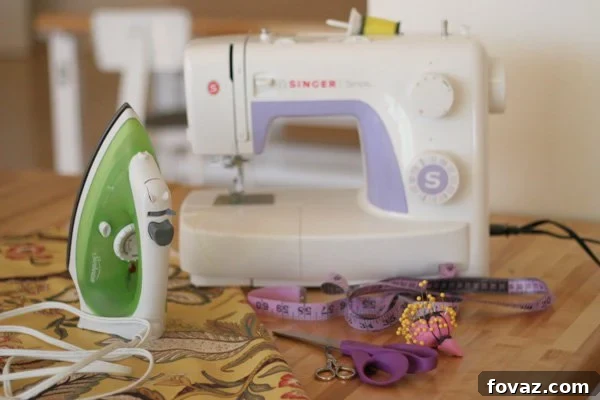
How to Make Curtains | Home Makeover Tutorial
Lesson 2: Mastering Curtain Styles – Your Essential Guide to DIY Window Treatments
Welcome to Lesson 2 of our comprehensive “How to Make Curtains” online course! In this essential guide, we dive deep into the fascinating world of curtain styles. Curtains are far more than just fabric panels; they are transformative elements that define the ambiance, control light, and enhance the privacy of any room. Understanding the vast array of styles available is the first crucial step towards creating custom window treatments that perfectly complement your home décor and meet your functional needs.
From luxurious drapes to minimalist sheers, each curtain style tells a story and serves a unique purpose. Whether you’re aiming for a cozy bedroom retreat, a vibrant living space, or a practical kitchen, the right curtain choice can dramatically elevate your home makeover project. Let’s explore the diverse characteristics that distinguish one curtain style from another, empowering you to make informed decisions for your DIY sewing journey.
Curtains vs. Drapes: Understanding the Distinction
While often used interchangeably in modern conversation, “curtains” and “drapes” traditionally refer to different types of window coverings. Grasping this distinction can help you better articulate your vision and choose appropriate materials for your DIY project, ensuring your handmade creations perfectly match your desired aesthetic and functionality.
- Curtains: Generally describe lighter-weight fabric panels designed to filter light, add decorative flair, or provide a degree of privacy. They are typically made from materials like cotton, linen, voile, or synthetic blends and are often unlined. Curtains tend to be more casual, versatile, and suitable for a wider range of settings, from bright kitchens to relaxed living rooms, where a gentle light diffusion and soft aesthetic are desired.
- Drapes: Characterized by their heavier, often lined or interlined fabrics, drapes are designed for significant light control, insulation, and a more formal, opulent aesthetic. Materials like velvet, silk, damask, or heavy brocade are common. Drapes are typically floor-length or even “puddled” on the floor, adding a sense of grandeur and luxury. Their substantial weight and construction make them ideal for bedrooms, formal dining rooms, or living areas where warmth, maximum privacy, and a grand statement are paramount.
Both serve as practical and decorative elements for the home, offering myriad possibilities for personalization. Your choice between curtains and drapes will heavily influence the room’s overall feel and functionality, so consider your goals carefully before you begin sewing.
Exploring Popular Curtain Header Styles for Your DIY Project
The way a curtain attaches to the rod—its “header style”—significantly impacts its appearance, how it hangs, how easily it operates, and the amount of fabric needed. Mastering different header styles is key to achieving various looks, from casual to formal. Here are some of the most popular header types you’ll encounter and learn to create in our series:
- Rod Pocket Curtains: Also known as casing curtains, these feature a sewn channel at the top through which the curtain rod slides. They offer a gathered, soft, and somewhat traditional look. Rod pocket curtains are relatively easy to make, making them a popular choice for beginners or for windows where the curtains aren’t opened and closed frequently. Their gathered appearance adds fullness and warmth to a room.
- Grommet Curtains: These feature metal rings (grommets) punched into the top edge of the fabric. The rod threads through these rings, creating deep, even, wave-like folds that glide smoothly. Grommet curtains offer a contemporary, crisp, and streamlined look. They are very easy to operate, making them ideal for windows that are opened and closed often, and their modern aesthetic suits many contemporary interior designs.
- Tab Top Curtains: Characterized by loops of fabric (tabs) sewn to the top edge, through which the curtain rod passes. Tab tops provide a casual, relaxed, and often bohemian or rustic aesthetic. They are relatively easy to sew and create soft, flowing pleats, making them a charming choice for less formal spaces like sunrooms, bedrooms, or children’s rooms.
- Back Tab Curtains: Similar to tab tops, but the tabs are sewn to the back of the curtain header. This clever design hides the rod from the front view, creating a clean, tailored look with soft, continuous folds. Back tab curtains offer the elegance of pleated styles without the need for complex hardware, providing a sophisticated yet understated finish.
- Pinch Pleat Curtains: A classic, elegant, and highly structured header style, pinch pleats involve fabric gathered and stitched together at intervals along the top, creating permanent, decorative pleats. These can be two-finger, three-finger, or even four-finger pleats, offering a tailored, formal, and luxurious appearance. They require special hardware (hooks and rings) but provide excellent drape and operate smoothly, making them perfect for grand living areas or formal dining rooms.
- Goblet Pleat Curtains: A refined variation of pinch pleats, goblet pleats feature an open, goblet-shaped fold at the top, which can be lightly stuffed for a fuller, more pronounced look. They are highly formal and sophisticated, often seen in luxurious or traditional settings, lending an air of classic grandeur to any room.
- Pencil Pleat Curtains: Created using a special pleating tape sewn to the back of the curtain, which is then pulled to create tight, uniform, pencil-like folds. These are incredibly versatile and can suit both traditional and contemporary interiors, offering a neat and structured finish. They are a popular choice for their adaptability and the elegant drape they create.
- Ring Top Curtains (Using Clip Rings or Sewn Rings): While not a specific header style in terms of how the fabric itself is sewn, curtains can be hung effectively using clip-on rings or rings sewn directly onto the top edge. This method allows for easy opening and closing and can give a traditional, industrial, or even minimalist feel depending on the style and material of the rings chosen. It offers flexibility in hanging existing panels or custom creations.
Choosing the Ideal Curtain Length for Your Space
The length of your curtains significantly impacts both their aesthetic appeal and practical function. Making the right choice requires considering the window’s position, the room’s purpose, and your desired style. Consider these common lengths:
- Café Curtains: These shorter curtains typically cover only the lower half of a window, providing essential privacy while allowing maximum natural light into the upper half. They are ideal for kitchens, bathrooms, or basements where full coverage isn’t needed, and light is a priority. They add a charming, quaint touch.
- Sill Length: Curtains that just touch or float slightly above the windowsill offer a clean, crisp, and practical look. This style is often preferred for windows above radiators, kitchen sinks, or in areas where you don’t want fabric dragging or interfering with furniture placement. They provide a tidy, uncluttered appearance.
- Apron Length: Extending approximately 4 inches below the windowsill, apron length offers a slightly more generous and softer look than sill length, without touching the floor. It bridges the gap between sill length and floor length, providing a refined finish that still avoids floor contact, making it suitable for many casual to semi-formal spaces.
- Floor Length: This is arguably the most popular and versatile length, where curtains just skim the floor or hover about half an inch above it. This creates a clean, tailored, and elegant look suitable for almost any room, from living rooms to bedrooms. It elongates the window and provides a classic, timeless aesthetic that works with most décor styles.
- Puddle Length: Curtains that extend beyond floor length, pooling luxuriously on the floor (typically an extra 6-12 inches). This style adds a romantic, opulent, and relaxed feel, often seen with heavier drapes in formal, bohemian, or very traditional settings. While it requires more fabric and can accumulate dust more easily, it makes a grand, dramatic statement and creates a soft, flowing silhouette.
Fabric Matters: Impact on Style, Function, and Durability
The choice of fabric is paramount in defining your curtain’s style, its ability to control light, its insulation properties, and its overall durability. Understanding how different fabric types behave will guide you in creating the perfect window treatments for your home:
- Sheer Fabrics (Voile, Lace, Organza): Lightweight and translucent, sheers offer minimal privacy but excellent light diffusion, creating a soft, ethereal glow. They are perfect for layering under heavier drapes to add texture and depth, or for rooms where natural light and an airy feel are prioritized, such as living rooms or sunrooms.
- Lightweight Fabrics (Cotton, Linen, Poplin): Versatile and breathable, these natural fabrics offer a balance of light filtration and privacy. They drape beautifully and are ideal for casual, airy, and contemporary interiors. Cotton and linen are easy to sew, maintain, and come in a vast array of colors and patterns, making them excellent choices for everyday curtains.
- Medium Weight Fabrics (Satin, Brocade, Damask): Offering more body and structure, these fabrics are excellent for creating more formal or traditional drapes. They provide better insulation and light blocking than lighter fabrics, adding a touch of sophistication. Their richer textures and patterns make them suitable for statement windows.
- Heavyweight Fabrics (Velvet, Wool, Faux Suede): Best for drapes, these robust fabrics are excellent for insulation, sound dampening, and maximum light blockage. They exude luxury and warmth, perfect for bedrooms, formal living spaces, or rooms that require superior energy efficiency and privacy. They create a grand, substantial look.
- Blackout Fabrics: Specifically designed with a dense weave or special lining to completely block out light. These are essential for bedrooms, nurseries, or media rooms to ensure total darkness for optimal sleep or viewing experiences. Blackout properties can be integrated into almost any curtain style.
- Thermal Fabrics: Often featuring multiple layers or a special backing, thermal curtains help insulate a room, keeping heat in during winter and out during summer. This leads to significant energy savings and enhanced comfort, making them a practical choice for any climate, especially in bedrooms or living areas.
Considering Functionality and Room Type for Optimal Design
Beyond aesthetics, it’s crucial to consider the primary function of your curtains for each specific room. Tailoring your curtain choice to the room’s purpose ensures maximum practicality and comfort:
- Living Rooms & Dining Rooms: These communal spaces often benefit from decorative styles that complement the existing décor and enhance the welcoming atmosphere. Formal drapes, elegant pleats, or layered sheers and panels can create a sophisticated or relaxed ambiance, depending on your design goals.
- Bedrooms & Nurseries: Privacy and light control are paramount here. Blackout fabrics, heavy drapes, or lined curtains are highly recommended to ensure restful sleep and to block out unwanted light, especially during early mornings or nap times.
- Kitchens & Bathrooms: Practicality is key. Café curtains, sill-length options, or moisture-resistant fabrics are often preferred. Easy-to-clean materials are a bonus, and styles that allow for ample light while offering necessary privacy are ideal.
- Home Offices: A balance between abundant natural light and glare reduction on screens is important. Adjustable styles like Roman blinds (though not a curtain, often grouped) or sheer-over-drape combinations can offer flexibility throughout the day.
Why Choose DIY Curtains? The Power of Customization and Personal Touch
Embarking on a DIY curtain project with our “How to Make Curtains” series offers unparalleled advantages over purchasing ready-made window treatments. While store-bought options are plentiful, they often come with compromises in terms of size, style, fabric, or cost. Creating your own curtains allows for:
- Perfect Fit: Tailor your curtains to the exact dimensions of your windows, ensuring a flawless, bespoke, and professional finish that custom-fits your unique space. No more ill-fitting panels!
- Unrestricted Style & Fabric Choice: Unleash your creativity! Choose any fabric, pattern, texture, and style imaginable to perfectly match your unique taste and existing décor. The possibilities are truly endless, allowing you to create something truly one-of-a-kind.
- Cost Savings: Custom curtains from retailers can be incredibly expensive. DIY often allows you to achieve a high-end, designer look at a fraction of the cost, making stylish home decor more accessible.
- Personal Touch & Accomplishment: There’s immense satisfaction in knowing you’ve created something beautiful and functional for your home with your own hands. It adds character, a unique story, and a tangible sense of accomplishment to your living space.
- Skill Development: Each DIY project enhances your sewing skills, building confidence and expertise for future home décor endeavors and creative pursuits. You’ll learn valuable techniques that extend beyond curtain making.
Our goal at DIY Projects is to empower you to transform your living space with amazing handmade crafts. Imagine stepping into a home adorned with personalized, stylish window treatments, crafted exactly to your liking and reflecting your unique personality. The sense of accomplishment and the joy of a beautifully decorated home, made by you, is truly unparalleled. It’s about creating a space that feels uniquely yours, a sanctuary of comfort and style.
There are more great tutorials in our “How to Make Curtains” series coming your way, designed to guide you step-by-step through every aspect of curtain creation. From selecting patterns and measuring accurately to mastering intricate sewing techniques, we’re here to inspire and equip you with the knowledge and confidence to create stunning window treatments.
Continue to Lesson 3: Measuring & Fabric Calculations for Curtains >>
<< Return to the Table of Contents for the “How to Make Curtains” Series
This is just Lesson 2 of our free Home Makeover Tutorials package! We are passionate about inspiring dreams and encouraging craftiness in all aspects of life. Don’t miss out on future projects, fresh ideas, and endless inspiration. Be sure to subscribe to our social media channels to stay connected on all things made by hand! Join our vibrant community on Facebook, discover visual inspiration and project ideas on Pinterest, see behind-the-scenes and daily inspiration on Instagram, and get quick tips and updates on Twitter. Let’s create something beautiful together!