
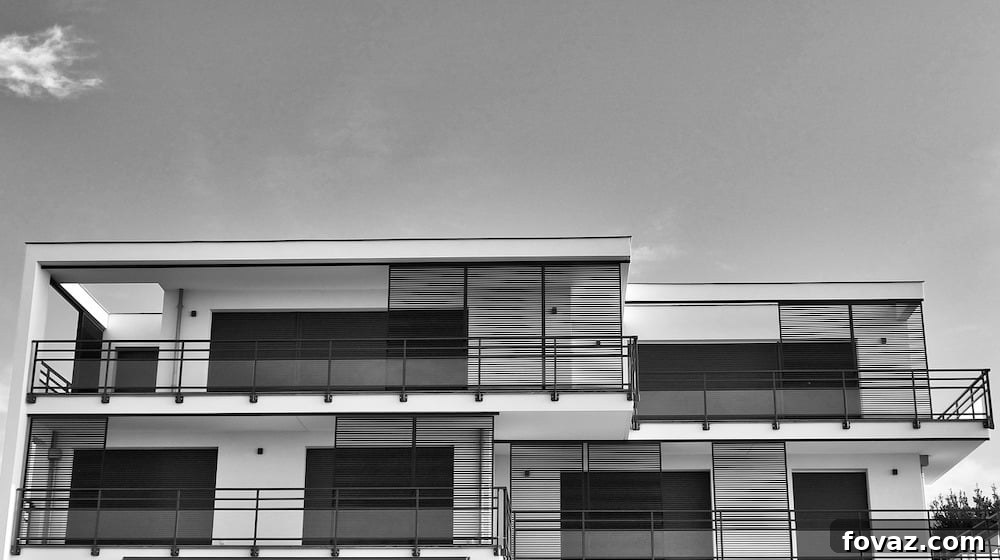
Flat roofs are a distinctive and increasingly popular choice for a wide range of residential properties, celebrated for their modern aesthetic appeal and practical advantages. Unlike traditional pitched roofs, flat roofs offer versatile outdoor spaces, can be more economical to install, and often boast an extended lifespan when meticulously cared for. However, these unique roofing systems demand specific attention, particularly concerning water management and regular upkeep. To ensure your flat roof remains impeccably functional, completely leak-free, and consistently attractive for many years to come, proactive and informed maintenance is absolutely crucial. This in-depth guide is designed to furnish you with indispensable flat roof tips and expert tricks, covering everything from effective minor repairs to innovative drainage solutions, ultimately helping you safeguard your valuable investment and preserve the structural integrity of your home.
Comprehensive Flat Roof Maintenance Tips and Repair Strategies for Longevity
The term “flat roof” can be somewhat misleading, as these roofs are rarely perfectly horizontal. Instead, they are engineered with a subtle, intentional pitch designed to efficiently channel water towards designated drainage points. This minimal slope is not merely a design feature but a critical component, as stagnant water—commonly referred to as “ponding”—represents the most formidable adversary to any flat roofing system. While flat roofs offer undeniable benefits, such as easier access for routine maintenance, and the exciting potential for rooftop gardens, solar panel installations, or inviting deck areas, neglecting their specific requirements can lead to extensive and expensive damage. The following roofing tips are meticulously curated to assist you in proactively managing your flat roof’s performance and appearance, ensuring it robustly withstands the test of time and the elements.
1. Promptly Seal Roof Leaks with a Compatible Waterproof Sealant
A leak in your flat roof, no matter how minor it initially appears, has the potential to rapidly escalate from a simple inconvenience into a significant structural concern if not addressed with immediate action. Therefore, early detection combined with swift and effective repair is of paramount importance. The foundational step in this process is always to precisely pinpoint the origin of the leak. This task can sometimes prove challenging, as water often travels laterally across the roof deck or within the roof assembly before becoming visible inside your home. Diligently inspect for unmistakable indicators such as visible cracks, punctures, areas where flashing has deteriorated, or any regions exhibiting persistent ponding water.
Once the exact leakage point has been successfully identified, thorough preparation of the affected area becomes absolutely vital. Meticulously clean the surface, ensuring the complete removal of any accumulated dirt, loose debris, or flaking material. For localized minor cracks or small punctures, a high-quality acrylic or silicone-based waterproof sealant can offer an immediate and often long-lasting protective solution. It is absolutely crucial to select a sealant that exhibits specific compatibility with your particular flat roofing material. Whether your roof is constructed from EPDM, TPO, PVC, modified bitumen, or a built-up roof (BUR) system, using the correct product ensures optimal adhesion and effectiveness. Apply the sealant diligently according to the manufacturer’s detailed instructions, typically involving an ample, uniform layer applied over the compromised area, thereby creating an impervious barrier against moisture infiltration. Always allocate sufficient curing time for the sealant to properly set before exposing the repaired section to heavy rainfall, ensuring the repair holds firm.
2. Optimize Roof Drainage by Enhancing the Edge and Overall Slope
One of the most critical, if not *the* most critical, aspects of flat roof maintenance revolves around guaranteeing exceptionally efficient water drainage. Despite their name, true “flatness” is a myth in effective flat roof design; they are engineered with a precise, albeit minimal, slope—typically recommended at a quarter-inch per foot—specifically to guide rainwater and snowmelt systematically away from the roof surface. Without this meticulously engineered and sufficient slope, water will inevitably accumulate, leading to severe ponding. This prolonged standing water significantly accelerates the degradation of roofing membranes, fosters the unwelcome growth of algae, moss, and mildew, and ultimately paves the way for insidious leaks and severe structural damage to the roof deck and underlying components.
If your existing flat roof consistently experiences problematic ponding, it may be a clear indicator that the current pitch is inadequate and requires adjustment. This modification could involve strategically lowering the roof edges or, more extensively, creating a more pronounced and effective slope across the entire roof surface. Before undertaking such structural changes, it is highly advisable to consult with your local building department to understand and adhere to specific regulations, codes, and recommended minimum slopes pertinent to your geographical area. Common and effective techniques to achieve superior drainage include the installation of tapered insulation boards directly beneath the roofing membrane, utilizing furring strips to create a desired pitch, or applying a sloped overlay system. The overarching objective is to ensure that rainwater flows continuously and unimpeded towards drains or scuppers, thereby eliminating any persistent standing water that could severely compromise your roof’s long-term integrity. Furthermore, proper sloping intelligently directs water away, preventing it from cascading directly onto your front yard or back yard, which can cause soil erosion, damage to landscaping, and create undesirable puddles around your home’s foundation.
3. Meticulously Inspect and Maintain Flashing and Siding Connections
It is a common scenario: perplexing roof leaks that prove stubbornly difficult to pinpoint often originate not from a breach in the main roof membrane itself, but rather from issues with the flashing or adjacent siding. Flashing refers to the critical, thin pieces of impervious material, most commonly made of metal (like aluminum, copper, or steel), meticulously installed to prevent water penetration at vulnerable junctions across the roofscape. These critical areas include where the roof meets vertical walls, around skylights, chimneys, ventilation pipes, and other penetrations through the roof surface. Siding, conversely, comprises the exterior material cladding your home’s walls, and its intersection with the roofline represents another frequently overlooked point of potential vulnerability to water intrusion.
Over time, flashing components are relentlessly exposed to harsh environmental elements, leading to potential corrosion, cracking, lifting, or a breakdown of sealant due to prolonged weather exposure or even initial improper installation. Similarly, any developing gaps, cracks, or damage in the siding where it abuts the roof can create pathways for water to seep into the underlying structure. Regular, detailed inspections must encompass a thorough examination of all flashing points – including counter-flashing and base flashing – and an assessment of the overall condition of your home’s siding. Look specifically for tell-tale signs such as rust stains, bent or deformed metal, missing or deteriorated sealant, or any loose siding panels. Addressing these issues with promptness and precision, whether through re-sealing compromised areas, repairing minor damage, or completely replacing severely damaged flashing or siding components, is absolutely critical. This proactive approach prevents leaks that could otherwise be erroneously attributed to the main roof surface, saving time, effort, and potential misdiagnosis in repair efforts.
4. Install and Maintain an Effective Flat Roof Drainage System
Even when a flat roof boasts an impeccable slope, the integration of a robust and well-maintained drainage system remains an absolutely indispensable element for effective water management. Water accumulation, often manifested as ponding, stands as one of the most significant and destructive threats to a flat roof’s longevity, performance, and structural integrity. Prolonged exposure to standing water can lead to premature aging of sophisticated roofing materials, saturate and compromise underlying insulation layers, and inevitably result in membrane deterioration and eventual, costly leaks. Consequently, the strategic integration of an efficient and reliable drainage system is not merely an optional enhancement but an essential requirement for any durable flat roof.
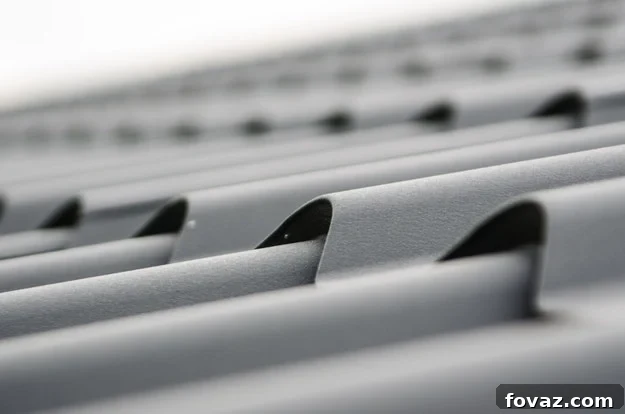
The marketplace offers several distinct types of drainage systems optimally suited for flat roofs, each with its specific advantages: internal drains, external scuppers, and gutter systems. Internal drains are typically strategically positioned at the lowest points on the roof surface and are seamlessly connected to a subsurface plumbing network designed to swiftly carry water away. Scuppers, by contrast, are deliberately designed openings integrated into a parapet wall or directly along the roof edge, allowing water to flow freely off the roof, often directing it into an external gutter system. Gutters, while more commonly associated with pitched roofs, can be effectively adapted for flat roofs, especially when working in conjunction with scuppers to manage runoff. The installation of protective filters or robust grates over all drain openings, similar to the exemplary system pictured above, is highly recommended. These filters are instrumental in preventing common debris such as fallen leaves, small branches, and accumulated sediment from clogging the drainage pathways. Regular, meticulous cleaning of these filters and consistently ensuring clear, unobstructed pathways for water flow are critical maintenance tasks that will not only significantly extend your flat roof’s operational life but also proactively avert expensive water-related damage.
5. Implement Regular Cleaning and Debris Removal for Optimal Performance
Beyond the targeted repairs and specialized drainage solutions, consistent and comprehensive general maintenance is absolutely fundamental for the sustained health and performance of any flat roof. Due to their inherently low-slope design, flat roofs are naturally predisposed to accumulating a variety of debris, including fallen leaves, small twigs, accumulated dirt, and other airborne particulates, often more readily than their sloped counterparts. This unchecked accumulation of debris poses multiple threats: it can severely obstruct crucial drainage paths, directly leading to problematic water ponding, and can even trap moisture against the roof surface. This trapped moisture then creates an ideal breeding ground for the undesirable growth of moss, algae, and various fungi, all of which are detrimental and can significantly accelerate the degradation of the roofing materials over time.
It is highly advisable to establish a routine practice of regularly clearing your flat roof of any accumulated debris. This task becomes particularly critical after severe weather events, such as strong winds or heavy rainfall, and especially during seasons when surrounding trees are actively shedding their leaves. For effective debris removal, a soft-bristled broom is an excellent tool for sweeping, or a leaf blower can be utilized for quicker clearance over larger areas. While performing this essential cleaning, seize the opportunity to conduct a thorough visual inspection of the entire roof surface. Scrutinize for any nascent cracks, emerging blisters, potential punctures, or any other visible signs of wear and tear or damage. Pay especially close attention to the integrity of all seams and edges, as these are notoriously common areas where issues are most likely to originate and develop. Consistently removing debris not only guarantees optimal drainage efficiency but also affords an unobstructed view of the roof’s true condition, thereby enabling the early detection of potential problems well before they have the chance to escalate into more significant and costly repairs.
6. Conduct Annual Professional Flat Roof Inspections
While engaging in proactive DIY maintenance is undeniably valuable and highly encouraged for homeowners, it is equally important to acknowledge that there are inherent limitations to what one can, or indeed should, undertake independently. An annual professional inspection conducted by a qualified and experienced roofing contractor represents a strategic investment that consistently yields substantial dividends in the long run. Professional contractors possess the specialized experience, the necessary tools, and the comprehensive expertise required to accurately identify subtle issues that might easily be overlooked by an untrained eye. They are adept at spotting the early, often inconspicuous, signs of membrane deterioration, meticulously assessing the structural integrity of flashing and critical seams, evaluating the overall efficiency and function of your existing drainage system, and detecting any potential underlying structural problems that could compromise the roof’s stability.
Furthermore, a professional inspection provides invaluable insights into the overall health and estimated remaining lifespan of your flat roof, empowering you to effectively plan for future necessary repairs or the eventual, inevitable replacement. Crucially, these experts can offer informed advice on the most appropriate materials and advanced techniques for any identified repairs, thereby ensuring that all work is executed with precision, in compliance with industry standards, and most importantly, safely. Scheduling these comprehensive inspections annually, ideally during milder seasons such as spring or fall, ensures that your roof is optimally prepared to endure the challenges of extreme weather conditions and often helps maintain the validity of existing manufacturer warranties.
7. Understand Common Flat Roof Materials and Their Specific Needs
Flat roofs are constructed using a diverse array of material types, each possessing distinct characteristics, advantages, and, crucially, specific maintenance requirements. Developing a foundational understanding of the particular type of flat roof system installed on your home can significantly aid in tailoring your care and maintenance routine for maximum effectiveness. Common flat roof systems prevalent in residential and commercial applications include:
- Built-Up Roof (BUR): This traditional system consists of multiple alternating layers of asphalt or tar and robust roofing felts, typically capped with a protective layer of gravel. BUR systems can be prone to cracking and blistering if not regularly maintained and protected from UV exposure.
- Modified Bitumen (Mod-Bit): An advanced asphalt-based system, Mod-Bit is reinforced with either polyester or fiberglass for enhanced durability and strength. It is often applied in factory-produced rolls. While durable, it can be susceptible to punctures and tears, necessitating careful patching and regular seam inspection.
- EPDM (Ethylene Propylene Diene Monomer): A highly durable synthetic rubber membrane, EPDM is renowned for its exceptional longevity and resistance to weathering. However, it can be vulnerable to punctures from sharp objects and potential seam separation if adhesives fail over time.
- TPO (Thermoplastic Polyolefin): A single-ply, highly reflective membrane, TPO is increasingly popular due to its excellent energy efficiency and resistance to UV radiation. Its seams are heat-welded, making them very strong, but proper installation is critical for long-term performance.
- PVC (Polyvinyl Chloride): Similar in application to TPO, PVC is another single-ply membrane offering superior durability, robust chemical resistance, and excellent fire resistance. Like TPO, it also relies on carefully executed heat-welded seams for its waterproof integrity.
By thoroughly familiarizing yourself with the specifics of your roofing material, you can confidently select and apply compatible repair products, implement appropriate cleaning methods, and adopt precise maintenance techniques, thereby significantly maximizing its lifespan, ensuring optimal performance, and preserving its aesthetic appeal for years to come.
These comprehensive roofing tips for flat roofs, ranging from proactive leak sealing and advanced drainage solutions to meticulous regular cleaning and strategic professional inspections, are meticulously designed to ensure your roof performs optimally and efficiently for many years into the future. A well-maintained flat roof not only serves as an impermeable shield, rigorously protecting your home from the relentless assault of the elements, but it also significantly enhances its overall value and contributes positively to its curb appeal and aesthetic beauty. By adopting a diligent approach and addressing any issues with promptness and precision, you can substantially extend the operational lifespan of your flat roof and proactively avert the inconvenience and significant financial burden of costly major repairs down the line, securing your peace of mind and preserving your investment.
Watch this insightful video tutorial from Verdigris TV on how to effectively replace a flat roof:
Implementing these practical strategies will empower you to manage your flat roof with confidence and effectiveness, ensuring it remains fully functional, robust, and aesthetically pleasing for many decades to come.
Explore more useful tips and DIY guides to enhance your home management and improvement projects:
Mastering Bathroom Wall Tiling for a Flawless Finish
Discover More Engaging DIY Home Improvement Ideas:
Build Your Own Dream Home: A Comprehensive Guide to Self-Construction
10 Unique DIY Fire Pit Ideas To Amaze Your Guests and Elevate Your Backyard
A Simple Backyard DIY Pond Project For Beginners: Create Your Own Water Feature
Featured image proudly provided by GP Home Inc