
Quick Summary: Trending Resin Jewelry Techniques
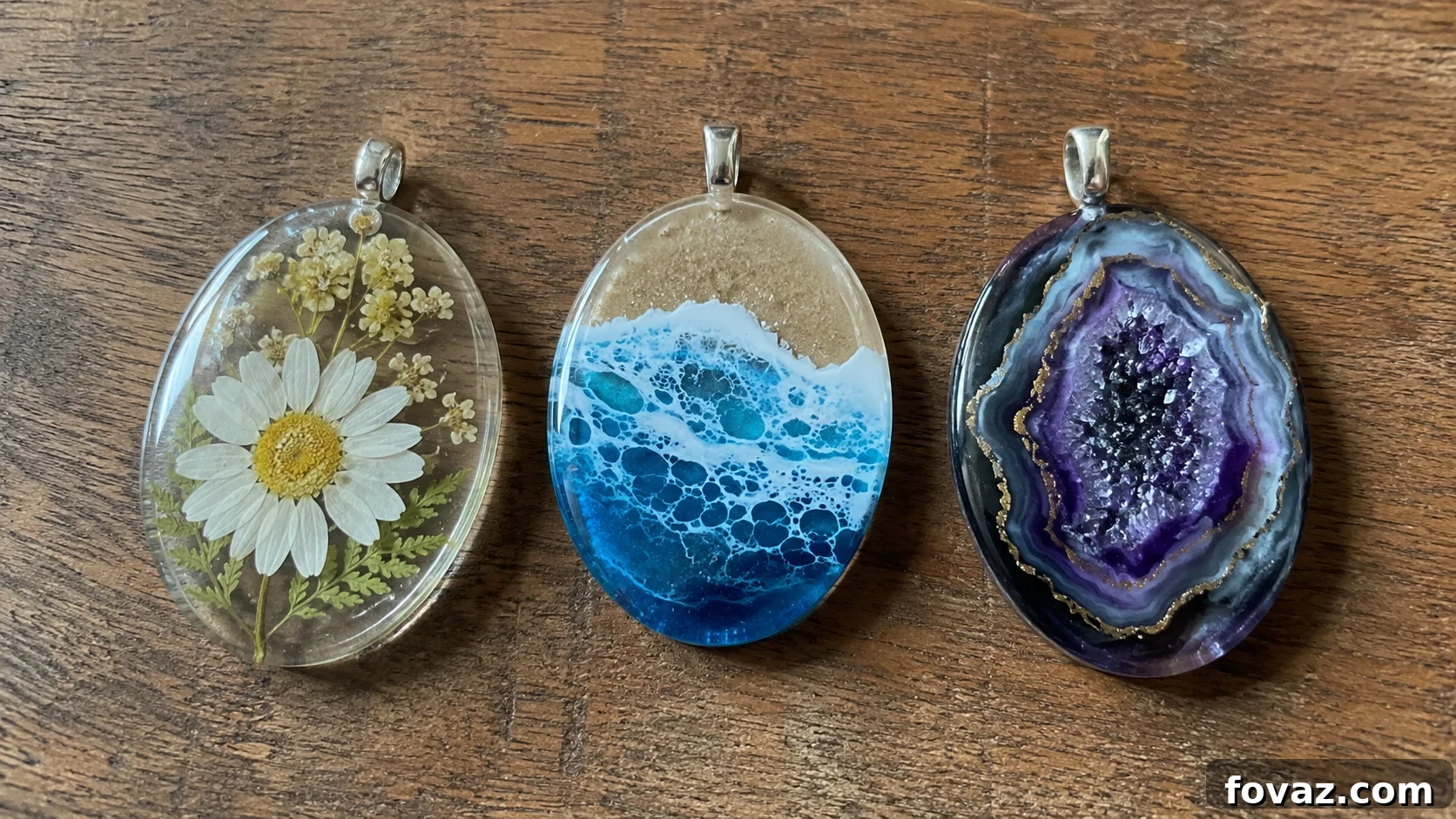
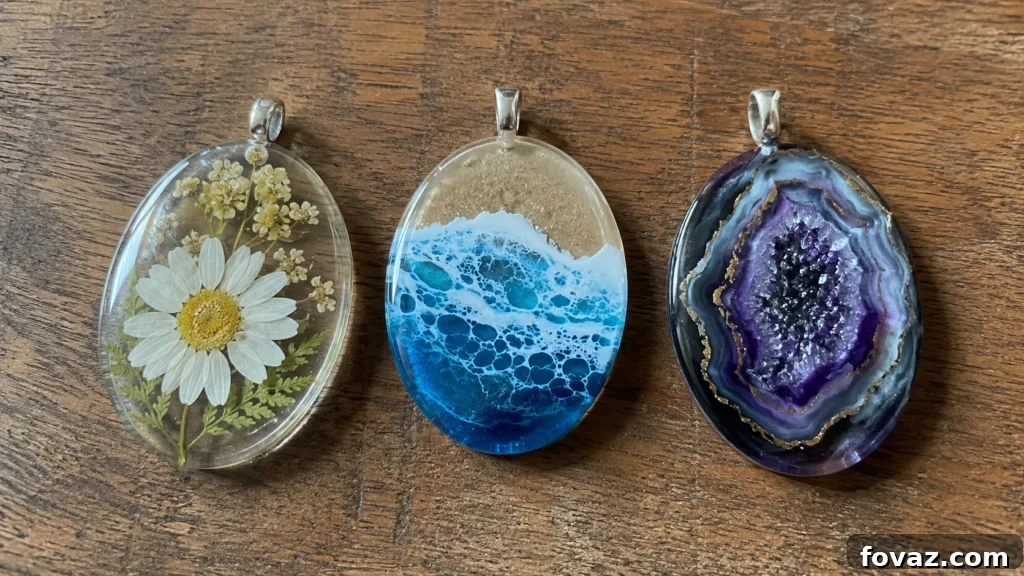
- Pressed flower resin remains one of the most requested styles for personalized pieces.
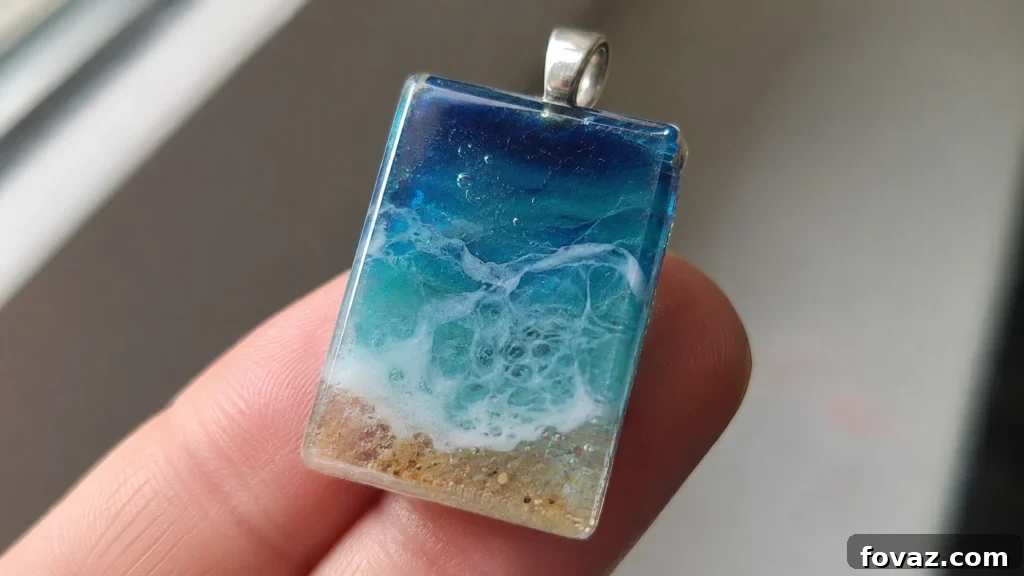
- Ocean pour techniques layer blues and whites to mimic waves and shorelines.
- Geode-style pours layer colored resin to resemble a cut crystal or geode.
- New techniques help only when they give buyers a clear reason to choose your shop.
- Top-selling techniques usually connect to a consistent niche or color palette.
- Test a small batch and factor in extra time when pricing before adding a technique full-time.
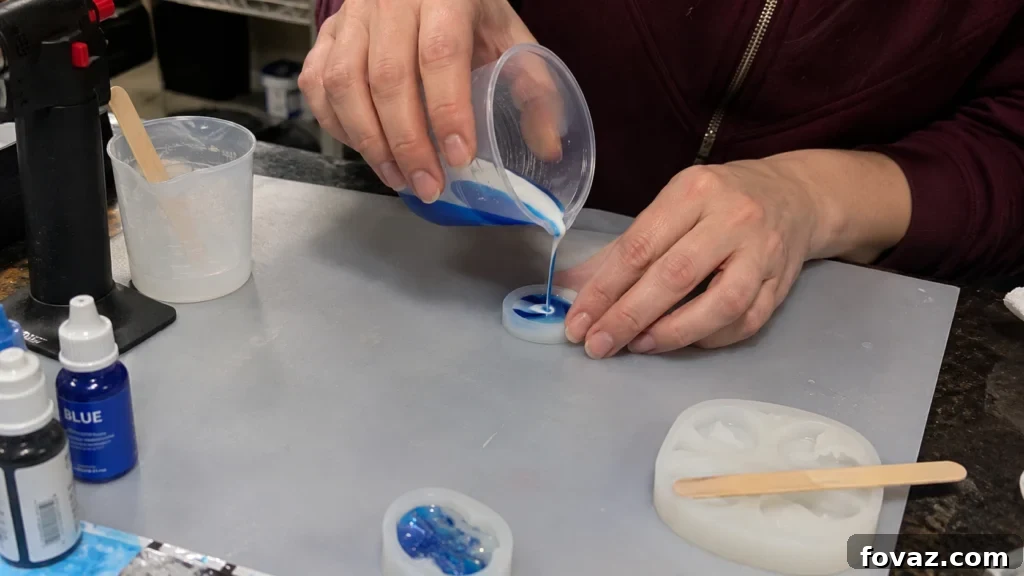
New resin trends appear in feeds constantly—ocean pours one month, geode pours the next. It’s tempting to try every popular technique, but success in a resin jewelry shop comes from clarity, not copying every trend. A new method is only valuable if it strengthens your brand or appeals directly to your target buyer.
Attention and sales are not the same. A style that gets a lot of social attention isn’t automatically the best-selling item in your shop. Conversely, a technique that’s not yet viral can still perform well if it fits your niche and is presented with purpose.
Below are three trending resin techniques that are worth considering, with practical reasons why each one can help a shop stand out.
Pressed Flower Resin: A Timeless, Personal Favorite
Pressed flower resin pieces sell because they carry personal meaning. Customers choose them to preserve a wedding bloom, a garden flower, or a token from a special date. Those emotional connections often make pressed-flower jewelry popular gifts and keepsakes.
Why it sells:
- It preserves a memory, not just an aesthetic.
- It works well for both gifts and personal wear.
- Personalization often outweighs the technical method in perceived value.
If you plan to offer pressed-flower pieces, pay attention to drying and moisture control to avoid cloudy pours and ensure long-term clarity. Proper mold preparation and drying time are essential to a reliable finished product.
Ocean Pour Resin: Visual Complexity Commands Higher Prices
Ocean pours use layered blues and whites, sometimes with sand or tiny shells, to recreate a shoreline or breaking waves. The technique requires careful layering to achieve clean separation and convincing wave details, and customers can often detect the extra craftsmanship even if they don’t understand the process.
Why it sells:
- The visible complexity justifies a higher price point than a simple pour.
- It naturally suits coastal or beach-themed stores.
- Ocean pieces tend to be statement items rather than everyday jewelry.
If your existing brand already leans toward coastal themes, ocean pours will strengthen that identity. If not, a single ocean piece is unlikely to change customer perception—consistency matters.
Geode-Style Pours: Create a Recognizable Color Signature
Geode-style pours layer colored resin—often using mica powders or dyes—to mimic the layered veins of a geode or cut crystal. Each pour develops unique veins and patterns, so pieces from the same palette still look individual.
Why it sells:
- A distinctive color combination becomes associated with your work.
- It is more difficult to replicate than a plain single-color piece.
- Memorable colors and textures help customers remember your shop.
A consistent signature palette—such as deep teal with gold accents or blush with silver—improves search recognition and gives listings a stronger presence than generic clear pendants.
Only Add Techniques That Answer a Specific Question
Before you invest in a new technique, ask whether it deepens your shop’s identity or simply increases inventory. A coastal shop adopting ocean pours makes sense; a pressed-flower shop adding unrelated geode pieces can appear unfocused. Techniques change the product but don’t automatically change buyer choice without a clear story and appropriate pricing.
How to Test a New Technique Without Overcommitting
Follow these steps before committing to a full line:
- Make a small batch first. Create three to five pieces to learn how the technique behaves and whether you enjoy the process.
- Observe buyer response. Track favorites, inquiries, and sales rather than relying on your own enjoyment of the new method.
- Price for actual time and materials. If a new technique takes twice as long, price it to reflect the extra labor and curing time so your hourly earnings stay realistic.
Should You Offer Multiple Techniques?
Both approaches can work: some shops thrive by perfecting a single technique, while others succeed with a curated mix—such as a signature geode palette plus a few pressed-flower keepsakes. The key is coherence. If you offer multiple styles, maintain a connecting thread—consistent color story, shared audience, or a unifying brand message—so your shop reads as intentional, not scattered.
Where This Fits
Trying a new technique can be rewarding and inspiring. Enjoyment is a valid reason to experiment, but technique alone won’t fix issues like poor pricing or unclear positioning. Make sure your costs and pricing are in order before investing heavily in a new method, and consider learning from fellow makers who are testing similar styles.
Conclusion
Pressed flowers, ocean pours, and geode-style pours are all viable options when they align with the shop you’re building. None are required, and none will single-handedly fix slow sales. Choose techniques that match your existing identity, test them on a small scale, and set prices that reflect the real time and skill involved.
FAQ
What resin jewelry technique is trending right now?
Geode-style layered pours and ocean pour designs are currently attracting attention, while pressed flower pieces continue to be a steady favorite.
Do I need multiple resin techniques to run a successful shop?
No. A shop that masters a single technique and prices it correctly often outperforms one that offers many inconsistent styles.
Is geode resin jewelry difficult to make?
Geode pours require practice to control color flow and layering, but they use similar tools to other layered resin techniques.
Will a new resin technique improve my sales?
Only if the technique fits your brand identity and is priced to reflect extra time. A new technique without a clear connection to your niche rarely moves the needle.
How can I tell if a new technique is worth adding?
Test a small batch, measure buyer response, and confirm the price covers added time and materials before scaling up.
Should my shop offer multiple techniques or stick to one?
Either approach can work. The important part is that all techniques support a single, clear shop identity rather than creating confusion.