
Are tiny, buzzing nuisances making your home feel less inviting? If you’ve been battling a persistent fruit fly problem both indoors and outdoors, you’re not alone. These tiny pests can quickly multiply, turning fresh produce into a breeding ground and making any gathering a challenge. Fortunately, you don’t need harsh chemicals to reclaim your space. This comprehensive guide will equip you with effective, natural, and homemade solutions to eliminate fruit flies and keep them from coming back, ensuring your home remains a peaceful, fly-free sanctuary.
Say Goodbye to Fruit Flies: Natural Solutions for a Pest-Free Home
Fruit flies, often attracted to ripening fruits, vegetables, and fermenting liquids, can be a major annoyance. Beyond their irritating presence, they can also potentially spread bacteria, making their eradication a priority for household hygiene. While many commercial insecticides exist, they often come with concerns about chemical residues and their impact on family and pets. Our focus here is on empowering you with safe, natural, and highly effective methods that leverage common household items to create formidable fruit fly traps and repellents. Prepare to transform your approach to pest control and enjoy a home free from these unwelcome guests.
1. The Aromatic Charm of Clove Apples: A Natural Repellent
Harnessing the power of nature’s own repellents is a clever way to deter fruit flies without any toxic chemicals. One incredibly simple yet effective method involves the humble apple and a handful of cloves. Cloves contain eugenol, a potent aromatic compound that many insects, including fruit flies, find highly offensive. When cloves are embedded into an apple, their scent is slowly released into the air, creating a natural barrier that fruit flies instinctively avoid.
To create your own clove apple repellent, simply take a fresh, firm apple and stud its entire surface with whole cloves. The more cloves you use, the stronger the repellent effect will be. You can arrange the cloves in decorative patterns, making this solution not only practical but also aesthetically pleasing. Place these aromatic apples in areas where fruit flies are prevalent, such as near your fruit bowl, in the kitchen, or on dining tables. Beyond their effectiveness as a repellent, clove apples also emit a pleasant, autumnal scent that can enhance the ambiance of your home. Replace the apple every few days, or when it starts to soften, to maintain peak efficacy. This method offers a gentle, continuous defense against fruit flies, making it perfect for ongoing prevention and mild infestations. Discover more about using cloves for fly control.
2. Apple Cider Vinegar: The Irresistible Trap
Apple cider vinegar (ACV) is a versatile household staple, known for its culinary and health benefits, but it also shines as one of the most effective natural fruit fly traps. Fruit flies are irresistibly drawn to the fermenting scent of ACV, which mimics overripe fruit and other decaying organic matter, their primary food source and breeding ground. This attraction can be cleverly exploited to lure them into a trap from which there is no escape.
To construct an apple cider vinegar trap, you will need a small jar or bowl, apple cider vinegar, a few drops of dish soap, and a piece of plastic wrap or paper funnel. Pour about an inch of apple cider vinegar into the jar. Add 2-3 drops of liquid dish soap; this is crucial because the soap breaks the surface tension of the vinegar, ensuring that once the fruit flies land, they sink and cannot escape. Cover the jar tightly with plastic wrap and poke several small holes in it with a toothpick or fork. Alternatively, you can roll a piece of paper into a funnel shape, place the narrow end into the jar (without touching the vinegar), and tape it in place. The flies will be drawn in by the scent, enter through the holes or funnel, but struggle to find their way back out, especially with the reduced surface tension from the soap.
Place these traps in areas with high fruit fly activity, such as near fruit bowls, sinks, trash cans, or compost bins. For severe infestations, multiple traps strategically placed can significantly reduce the population. Empty and refresh the traps daily or as needed, depending on the number of captured flies. This method is incredibly cost-effective, non-toxic, and highly efficient, making it a go-to solution for many homeowners battling fruit flies. Learn more about crafting effective ACV traps.
3. Outdoor Fly Management: Beyond the Chicken Coop
While the original tip focuses on chicken coops, the principles of outdoor fly control can be applied to a wider range of settings, including patios, gardens, and other animal enclosures. Outdoor spaces, with their abundance of organic matter, animal waste, and moisture, often become prime breeding grounds for various types of flies, including fruit flies and larger house flies. Implementing effective outdoor fly catchers is essential for maintaining hygiene and comfort.
For large-scale outdoor fly control, especially in areas like chicken coops, stables, or composting sites, a robust fly catcher is invaluable. Many commercial options exist, but you can also construct effective DIY versions. These often rely on strong attractants like fermented fruit, sugar water, molasses, or even specific fly baits that release pheromones. A common design involves a large plastic bottle with the top inverted to create a funnel. The attractant liquid is placed at the bottom, luring flies in, but making escape difficult. Adding a few drops of dish soap here also helps break surface tension, ensuring flies drown.
For fruit flies specifically in outdoor areas, consider traps similar to the ACV trap but on a larger scale or using different baits. Overripe bananas, wine, or beer can be highly attractive to them. Place these traps strategically away from your main gathering areas but close to potential breeding sites. Regular cleaning and sanitation of animal enclosures, prompt removal of animal waste, and proper management of compost piles are foundational to reducing fly populations. By combining good sanitation practices with well-placed, effective outdoor fly catchers, you can significantly diminish the nuisance of flies and create a more pleasant outdoor environment for both humans and animals. Explore specialized chicken coop fly solutions.
4. Dish Soap and Water Spray: An Instant Knockdown Solution
When you need immediate action against a swarm of fruit flies, a simple mixture of dish soap and water can be your fastest and safest ally. This method works by disrupting the flies’ ability to fly and breathe, providing a quick knockdown without harmful chemicals. The secret lies in the surfactant properties of dish soap.
To prepare this effective spray, fill a spray bottle with water and add a generous amount of liquid dish soap – about two tablespoons per cup of water. Gently shake the bottle to mix, but avoid creating too many suds. When you spot a cluster of fruit flies, or even individual ones hovering around your fruit bowl or sink, spray them directly with this solution. The soap molecules break down the surface tension of the water, allowing the mixture to effectively coat the flies’ delicate bodies and wings. This coating suffocates them and renders their wings useless, causing them to fall to the ground. You can then wipe them up with a damp cloth and dispose of them.
This dish soap and water spray is particularly useful for tackling visible infestations on surfaces or in the air. It’s safe to use around food preparation areas (just be sure to rinse surfaces afterward) and is non-toxic to pets and children, unlike many commercial insecticides. Keep a bottle handy in your kitchen for those unexpected swarms. While it’s an excellent immediate solution, remember to combine it with other preventative measures and traps to address the root cause of the infestation. Discover more creative uses for dish soap.
5. Cultivating Repellent Herbs: Nature’s Green Shield
Integrating certain herbs into your home and garden can provide a beautiful and fragrant way to naturally deter fruit flies and other pests. Many herbs contain essential oils that, while pleasant to humans, are highly unappealing to insects. This method offers a dual benefit: fresh herbs for your culinary delights and a living, breathing fly repellent system.
Consider planting a variety of these repellent herbs:
- Basil: The strong aroma of basil, particularly varieties like lemon basil or cinnamon basil, is known to repel flies. Plant basil near entryways or in pots on your kitchen windowsill.
- Mint: Peppermint and spearmint are excellent fly repellents. Their potent scent can keep flies away. Mint is vigorous, so it’s often best grown in pots to prevent it from taking over your garden.
- Lavender: While beloved by humans for its calming scent, lavender contains compounds that flies and mosquitoes dislike. Place sachets of dried lavender or live lavender plants in sunny spots.
- Rosemary: The woody, pungent scent of rosemary is another deterrent. It can be planted in garden beds or kept in containers on patios and balconies.
- Marigolds: These cheerful flowers release pyrethrum, a natural insecticide. Planting marigolds around your garden perimeter or near vulnerable plants can help deter various pests.
- Bay Laurel: Bay leaves are commonly used in cooking, but the live plant or dried leaves can also repel flies. Place dried bay leaves in pantries or near fruit bowls.
- Citronella Grass: Famous for its mosquito-repelling properties, citronella grass (Cymbopogon nardus) can also deter flies due to its strong citrusy scent.
Planting these herbs in containers around your kitchen, near windows, or on your patio creates a natural barrier against fruit flies. For indoor use, a pot of basil or mint on your windowsill can be surprisingly effective. You can also harvest sprigs of these herbs and strategically place them in areas where fruit flies gather, such as on countertops or near fruit bowls. Regularly pinching back the herbs encourages growth and releases more of their repellent essential oils. This organic approach not only helps manage fruit fly populations but also adds beauty, fragrance, and culinary utility to your living spaces. Get a comprehensive list of fly-repelling herbs and their uses.
6. The DIY Sticky Fly Swatter: Active Eradication
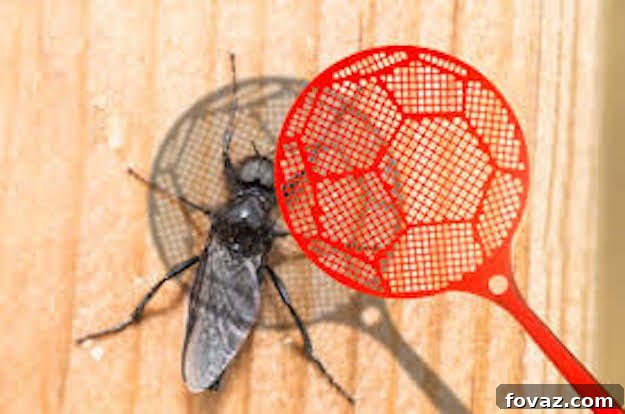
Sometimes, a direct and active approach is the most satisfying way to deal with persistent fruit flies. While traditional fly swatters are effective, a homemade sticky fly swatter takes this method to the next level by ensuring capture upon impact. This DIY tool is incredibly simple to make, cost-effective, and provides a hands-on way to quickly reduce the number of flies in your immediate vicinity.
To create your own sticky fly swatter, you’ll need a lightweight, flat surface like a paper plate or a sturdy piece of Styrofoam. The key ingredient is cooking spray, or any non-toxic adhesive like a thin layer of petroleum jelly or even honey. Liberally coat one side of your chosen plate or Styrofoam piece with the cooking spray, ensuring an even, tacky layer. The oil in the cooking spray creates a sticky surface that fruit flies will adhere to upon contact.
Once your sticky swatter is ready, simply use it as you would a regular fly swatter. When you spot fruit flies, aim and swat. The stickiness ensures that even if you don’t hit them with crushing force, they will likely stick to the surface, preventing their escape. This method offers immediate gratification and is particularly useful for clearing out a visible cluster of flies quickly. It’s a great way to incorporate a little arm exercise into your pest control routine and provides a non-toxic alternative to chemical sprays. Dispose of the plate once it’s covered with flies or loses its stickiness, then simply make a new one. This active eradication method, combined with passive traps and repellents, forms a robust strategy for keeping your home blissfully free of fruit flies.
Essential Prevention Tips for Long-Term Fruit Fly Control
While the solutions above are excellent for tackling existing fruit fly problems, true victory lies in prevention. By understanding what attracts fruit flies and taking proactive steps, you can significantly reduce the chances of an infestation taking hold. Here are some crucial prevention tips:
- Store Produce Properly: The primary attractant for fruit flies is ripening or decaying produce. Store ripe fruits and vegetables in the refrigerator whenever possible. For items that need to ripen at room temperature (like bananas or tomatoes), keep them in sealed containers or cover them with a mesh dome.
- Promptly Clean Spills and Crumbs: Any food residue, no matter how small, can attract fruit flies. Wipe down kitchen counters and tables immediately after use. Clean up spills, especially sugary drinks, thoroughly.
- Empty Trash Cans Regularly: Food scraps and fermentation inside your trash can provide an ideal breeding ground. Empty kitchen trash cans daily, or at least every other day, and use bags that seal well. Rinse out the inside of your trash can regularly with hot, soapy water.
- Rinse Recyclables: Cans and bottles that contained sugary beverages (soda, beer, wine) can still attract fruit flies even when empty. Rinse them thoroughly before placing them in the recycling bin.
- Clean Drains: Fruit flies can breed in the organic film that accumulates in sink drains. Pour boiling water down your drains periodically, or use a mixture of baking soda and vinegar, followed by hot water, to clean them out.
- Manage Compost Bins: If you have an indoor compost bin, ensure it’s tightly sealed. For outdoor compost, keep it away from entryways and turn it regularly to speed up decomposition, which reduces attraction.
- Check for Hidden Food Sources: Look under appliances, behind pantries, and in forgotten corners for spilled pet food, forgotten onions, or rotting potatoes that could be attracting flies.
- Seal Entry Points: While fruit flies often come in on produce, they can also enter through small cracks or gaps. Ensure windows and doors have tight-fitting screens and seal any visible entry points.
By diligently implementing these preventative measures alongside the natural traps and repellents, you’ll create an environment that is highly inhospitable to fruit flies, ensuring your home remains clean, fresh, and free from these annoying pests. Consistency is key, so make these practices a regular part of your household routine, and you’ll enjoy a noticeable difference in fruit fly activity.
With these natural and effective strategies, you now have a powerful arsenal against fruit flies. From simple traps to preventative measures, you can create a pest-free environment in your home and outdoors without resorting to harsh chemicals. Say goodbye to buzzing nuisances and hello to a cleaner, more enjoyable living space.