
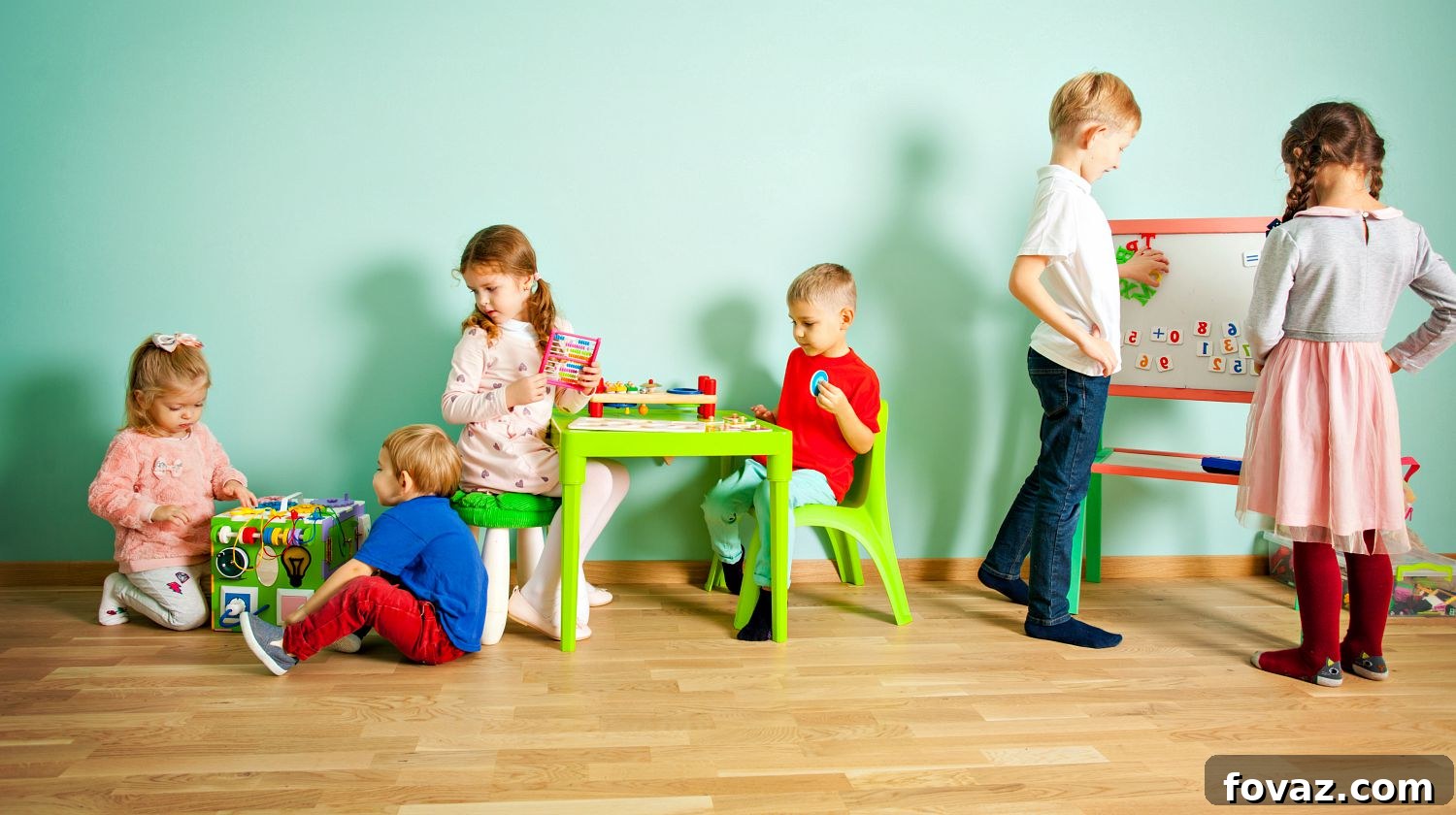
Welcome to the ultimate guide for enhancing your homeschooling journey with exciting, hands-on DIY projects! If you’re searching for engaging activities that combine fun with fundamental learning, you’ve come to the right place. Homeschooling offers a unique opportunity to tailor education to your child’s interests and learning style, and incorporating DIY projects is a fantastic way to bring lessons to life. This curated collection of easy-to-implement crafts and experiments is designed to spark curiosity, foster creativity, and build essential skills in children of all ages.
From captivating science experiments that reveal the wonders of the natural world to creative art projects that encourage self-expression, these activities are not only educational but also incredibly enjoyable. They utilize common household items, making them budget-friendly and accessible, proving that impactful learning doesn’t require elaborate setups or expensive materials. Dive in and discover how simple projects can transform your homeschool environment into a dynamic laboratory, art studio, and workshop, all from the comfort of your home.
RELATED: 20 Fun And Fascinating Science Projects For Kids Of All Ages
In this article:
- Pipe Cleaner Crafts
- Lava Lamp for Kids
- DIY Snowflakes
- Making Handmade Paper
- DIY Felt Activity Board
- Light-up Cave of Wonders
- Solar Oven
- DIY Thermometer
- Crystal Eggshell Geodes
- DIY Robots
- How Plants Absorb Water
- Backyard Geyser
- DIY Art Journal
- DIY Soda Rockets
- Self Inflating Balloon
- DIY Wormery
- Tabletop Dinosaur Fossil Dig
- Bubbling Quicksand
- Edible Slime
- DIY Silly Putty
Engaging & Educational DIY Projects for Homeschoolers
Homeschooling is an incredible journey that allows for personalized learning experiences. To keep young minds stimulated and engaged, integrating hands-on DIY projects is key. This collection offers a variety of creative and educational activities that are not only budget-friendly but also foster crucial developmental skills, from scientific inquiry to artistic expression.
1. Pipe Cleaner Crafts: Unleash Creativity and Fine Motor Skills
Pipe cleaner crafts are an absolute staple for any homeschooling environment, offering endless possibilities for creative expression and skill development. These fuzzy, bendable wires are perfect for encouraging imaginative play while simultaneously honing fine motor skills, hand-eye coordination, and dexterity. Children can twist, bend, and shape them into animals, flowers, geometric figures, or abstract sculptures, providing a tactile experience that traditional lessons often lack. This accessible material allows kids to bring their wildest ideas to life, transforming simple pipe cleaners into delightful decorations for their rooms or personalized gifts for loved ones. It’s an ideal way to keep learning engaging and hands-on, ensuring that children remain captivated while developing essential practical abilities.
2. DIY Lava Lamp for Kids: Exploring Density and Chemical Reactions
Bring the groovy science of the 70s into your home with a DIY lava lamp, a captivating experiment that beautifully illustrates the principles of density and immiscibility. Using simple household items like oil, water, food coloring, and an effervescent tablet, children can observe firsthand how oil and water naturally separate, creating mesmerizing bubbles that rise and fall. This project provides a fantastic visual demonstration of why liquids with different densities don’t mix and how gas production can create movement within them. It’s an easy yet profound science lesson, perfect for sparking discussions about states of matter, chemical reactions, and the physical properties of liquids. Beyond the scientific learning, the sheer visual appeal of a homemade lava lamp is sure to delight and entertain kids of all ages.
3. DIY Snowflakes: A Crystal-Growing Science Experiment
Even if you live in a climate where snow is a rare sight, you can bring the magic of winter into your homeschool with DIY crystal snowflakes. This beautiful project combines art with basic chemistry, allowing children to grow stunning crystal formations on pipe cleaner shapes. By creating a supersaturated solution of borax and hot water, kids can observe the fascinating process of crystallization as the solution cools and the borax molecules bond together, forming intricate ice-like structures. This experiment offers a tangible lesson in solubility, crystal formation, and patience, as the best results often require several hours or even overnight. The reward is a sparkling, unique snowflake that serves as a charming decoration and a memorable scientific achievement.
4. Making Handmade Paper: An Eco-Friendly Recycling Lesson
Teach your children about sustainability and the lifecycle of materials by making handmade recycled paper. This highly rewarding project transforms old newspaper, scraps of paper, or even junk mail into beautiful, textured sheets ready for drawing, writing, or crafting. The process involves tearing, blending, and pressing pulp, giving kids a practical understanding of recycling and resource conservation. It’s an excellent way to introduce concepts of environmental responsibility, reduce waste, and appreciate the effort that goes into producing everyday items. Crafting their own paper instills a deeper respect for resources and provides a unique medium for future creative endeavors, making every piece they create truly special.
5. DIY Felt Activity Board: Interactive Learning for Toddlers
For homeschooling families with toddlers or preschoolers, a DIY felt activity board is an invaluable educational tool. This versatile board can be used to teach a multitude of concepts, from shapes, colors, and numbers to storytelling and basic pattern recognition. By cutting various shapes, letters, or figures from felt, children can stick them onto the board, rearrange them, and create countless scenes without any mess or adhesives. It’s a wonderful way to develop fine motor skills, cognitive abilities, and imaginative play in a gentle, interactive manner. With minimal cost and effort, you can create a dynamic learning environment that grows with your child, encouraging independent exploration and hands-on discovery.
6. Light-Up Cave of Wonders: Imaginative Play and Engineering
Transform ordinary cardboard boxes into an extraordinary Light-Up Cave of Wonders, a project that promises hours of imaginative play and a dash of engineering ingenuity. Far more exciting than a simple sheet fort, this DIY cave allows children to design and build their own magical hideaway, complete with twinkling lights. This activity encourages problem-solving as kids figure out how to assemble the structure, cut openings, and safely incorporate battery-operated string lights. It’s a fantastic opportunity for collaborative work, fostering communication and teamwork. Once complete, the cave becomes a unique space for reading, quiet play, or further imaginative adventures, demonstrating how recycled materials can spark incredible creativity and learning.
7. Solar Oven: Harnessing Renewable Energy
Introduce your homeschoolers to the power of renewable energy with a DIY solar oven. This ingenious project, often constructed from a cardboard box, aluminum foil, and plastic wrap, demonstrates how sunlight can be harnessed to generate heat and cook food. It’s an ideal summer science experiment, perfect for making s’mores or warming up small snacks while observing the principles of thermal energy and insulation. Children will learn about heat absorption, reflection, and the environmental benefits of solar power in a tangible and delicious way. The excitement of cooking with the sun’s energy makes this a memorable and impactful lesson in physics and environmental science.
8. DIY Thermometer: Understanding Temperature and Expansion
Delve into the fascinating world of physics by creating your own DIY thermometer. This simple yet effective experiment uses an empty glass bottle, a clear straw, and colored water to illustrate how temperature affects the volume of liquids. As the liquid inside the bottle heats up, it expands and rises through the straw, providing a visual representation of temperature changes. This project is an excellent introduction to concepts like thermal expansion, measurement, and the scientific method. It allows kids to see physics in action, making abstract ideas more concrete and understandable, fostering a deeper appreciation for how instruments work to measure our environment.
9. Crystal Eggshell Geodes: Exploring Geology and Crystallography
Embark on a captivating journey into geology and crystallography with the creation of crystal eggshell geodes. This project allows children to transform ordinary eggshells into dazzling, crystal-lined treasures, mimicking the natural formation of geodes found in sedimentary and volcanic rocks. By filling cleaned eggshell halves with a borax or salt solution, kids can observe crystal growth over time, learning about supersaturated solutions, mineral formation, and the wonders of geology. It’s a beautiful way to introduce complex scientific concepts in an accessible and visually stunning manner. The resulting geodes are not only educational models but also unique, sparkling keepsakes that highlight the beauty of natural processes.
10. DIY Robots: Introduction to Engineering and Design Thinking
Ignite an early passion for engineering and technology by constructing DIY robots from recycled materials. This project taps into children’s natural fascination with robots, encouraging them to think creatively about mechanics, circuits, and design. Using items like cardboard boxes, bottle caps, motors, and wires, kids can assemble simple robots that move, light up, or perform basic actions. It’s an excellent way to introduce fundamental concepts of circuitry, cause and effect, and problem-solving through hands-on construction. Whether they’re building a wobbly bot or a functional drawing machine, this activity promotes critical thinking and provides a tangible outcome that reinforces their understanding of engineering principles.
RELATED: 30 Easy Craft Projects For Kids | Fun DIY Projects
11. How Plants Absorb Water: A Colorful Botany Experiment
Bring botany to life with a vibrant experiment demonstrating how plants absorb water. This colorful DIY project, often involving white flowers or celery stalks placed in colored water, visually illustrates the process of capillary action and transpiration. As the plants draw water up their stems, the dye travels to their petals or leaves, creating rainbow flowers or multicolored celery. This hands-on activity provides a clear and unforgettable lesson in plant biology, showing kids how plants transport nutrients and hydrate themselves. Encourage your young scientists to wear lab coats and use scientific terminology to fully immerse themselves in the role of botanists, making the learning experience even more engaging.
12. Backyard Geyser: An Explosive Chemical Reaction Demonstration
Prepare for an exciting outdoor science spectacle with a DIY backyard geyser, a dramatic demonstration of chemical reactions in action. The classic Mentos and soda experiment provides an instant thrill, creating a magnificent fountain of fizz that captivates onlookers. This project explores the physical reaction between the rough surface of the Mentos candies and the carbon dioxide dissolved in the soda, resulting in a rapid release of gas. It’s a powerful visual lesson in nucleation, gas expansion, and pressure, making complex scientific principles understandable through a fun and memorable experience. Just be sure to conduct this experiment outdoors, as it can be quite messy but undeniably spectacular!
13. DIY Art Journal: Fostering Self-Expression and Creative Habit
Nurture your child’s artistic side and encourage consistent self-expression with a DIY art journal. More than just a sketchbook, an art journal is a personal space for creativity, experimentation, and emotional reflection. Homeschoolers can personalize their journals using various art techniques like collaging, painting, drawing, or even mixed media. This project encourages kids to explore different artistic styles, document their thoughts, feelings, and observations, and develop a regular creative practice. It’s a wonderful tool for fostering mindfulness, boosting confidence, and providing an outlet for imagination, allowing children to develop their unique artistic voice.
14. DIY Soda Rockets: Introduction to Propulsion and Aerodynamics
Launch into the exciting world of engineering and physics with DIY soda rockets. Using empty soda bottles, corks, and a bicycle pump, children can design and construct rockets that demonstrate the principles of propulsion and aerodynamics. This project provides a thrilling introduction to Newton’s laws of motion, particularly action and reaction, as the pressurized water expels from the bottle, propelling it into the air. Kids will learn about force, trajectory, and stability while experimenting with different rocket designs and launch angles. The satisfaction of launching their own creation high into the sky is an incredibly motivating experience, sparking an early interest in science, technology, engineering, and mathematics (STEM) fields.
15. Self-Inflating Balloon: A Simple Chemistry Lesson
Witness a captivating chemical reaction with the self-inflating balloon experiment, a project that demonstrates how gases can be produced from simple household ingredients. By combining baking soda and vinegar, children can observe an acid-base reaction that generates carbon dioxide gas, which then inflates a balloon without the need for manual blowing. This activity is a fantastic way to teach about chemical changes, gas production, and the scientific method in a safe and engaging manner. It’s a classic experiment that never fails to impress and educate, showing kids that science can be both fun and magical, revealing the invisible forces at play around us.
16. DIY Wormery: Exploring Ecology and Soil Science
Get down and dirty with a DIY wormery, a fascinating project that offers an intimate look into the hidden world beneath our feet. By creating a layered habitat in a clear container, children can observe earthworms tunneling, mixing soil, and breaking down organic matter. This hands-on activity provides invaluable lessons in ecology, decomposition, soil science, and the vital role worms play in maintaining healthy ecosystems. Kids will learn about biodiversity, nutrient cycling, and the delicate balance of nature. While some might initially be grossed out, most will become utterly fascinated by these tiny engineers, unearthing a wealth of knowledge and a newfound appreciation for the natural world.
17. Tabletop Dinosaur Fossil Dig: A Journey into Paleontology
Transform your tabletop into an archaeological dig site with a DIY Dinosaur Fossil Dig. This exciting project allows children to step into the shoes of a paleontologist, carefully excavating “fossils” (toy dinosaurs or bones) from a hardened mixture of plaster, sand, or coffee grounds. It’s an immersive activity that teaches patience, careful observation, and the scientific process of discovery. Kids will learn about dinosaurs, ancient life, and how paleontologists work to uncover clues about the past. With a few simple supplies, this project can inspire a lifelong love for history and natural science, proving that learning can be an adventurous expedition right at home.
18. Bubbling Quicksand: Non-Newtonian Fluids and Sensory Play
Dive into a fascinating sensory experience with DIY bubbling quicksand, a project that explores the intriguing properties of non-Newtonian fluids. By mixing cornstarch and water, children can create a substance that behaves like both a solid and a liquid, known as oobleck. Adding baking soda and vinegar then creates a bubbling, effervescent effect, simulating treacherous, active quicksand. This activity provides a playful way to introduce complex scientific concepts suchres as viscosity and fluid dynamics, while also offering a unique tactile experience for sensory exploration. Prepare for delightful messiness, as the hands-on fun and scientific discovery are well worth the post-experiment cleanup.
19. Edible Slime: Sensory Play with a Delicious Twist
Break the rules and encourage playing with food (just this once!) by making edible slime. Unlike traditional slime recipes that often contain borax or other chemicals, this version is made from kitchen-safe ingredients like marshmallows, cornstarch, and food coloring, ensuring it’s completely safe for curious young mouths. This project offers a fantastic sensory experience, allowing kids to stretch, squish, and play with a delightful concoction without any worries. It’s a wonderful way to explore textures, colors, and the properties of different food items, providing a unique blend of scientific experimentation and culinary fun. Who knew learning could be this deliciously messy?
20. DIY Silly Putty: Exploring Polymers and Viscoelasticity
Delight your homeschoolers with the magic of DIY silly putty, a classic toy that provides an engaging lesson in material science. By combining ingredients like liquid starch and glue, children can create their own viscoelastic polymer that stretches, bounces, and snaps, just like the store-bought version. This project introduces kids to the fascinating world of polymers and their unique properties, explaining how different ingredients can combine to create new materials with distinct characteristics. While this version isn’t edible, the hands-on process of mixing and observing the transformation is incredibly captivating. Adult supervision is recommended for the preparation, but the hours of creative play and scientific exploration that follow make it a truly worthwhile endeavor.
This video from Angela Braniff will show you some DIY organization tips for five homeschooled kids:
Transform Your Homeschooling with Hands-On Learning
Homeschooling is a monumental task, but it doesn’t have to be overwhelming. By integrating these simple, budget-friendly DIY projects, you can transform everyday learning into extraordinary adventures. From fostering a love for science with bubbling geysers and solar ovens to nurturing artistic talents with art journals and pipe cleaner creations, these activities provide invaluable opportunities for skill development and discovery. They encourage critical thinking, problem-solving, creativity, and a deeper understanding of the world around us.
We’ve had an absolute blast compiling this list of easy and engaging DIY projects, and we’re confident that you and your homeschoolers will find immense joy and educational value in working through them. Remember, the goal is not perfection, but exploration, experimentation, and the priceless bond formed through shared learning experiences. Embrace the mess, celebrate the discoveries, and watch your children thrive as they become active participants in their own education. Happy crafting and experimenting!
Did you enjoy our list of DIY projects for homeschoolers? Let us know in the comments section below what your thoughts are on these cool DIY projects for kids! We love hearing about your experiences and any unique twists you add to these projects!
Up Next:
- Best Kids Party Ideas
- Kids Crafts | 30 Easy Craft Projects for Kids
- 36 DIY Projects For Teenagers | Cool Crafts for Teens
Stay connected with us on Facebook, Twitter, Pinterest, and Instagram!
Editor’s Note: This post was originally published 0n July 23, 2015, and has been updated for quality and relevancy.