
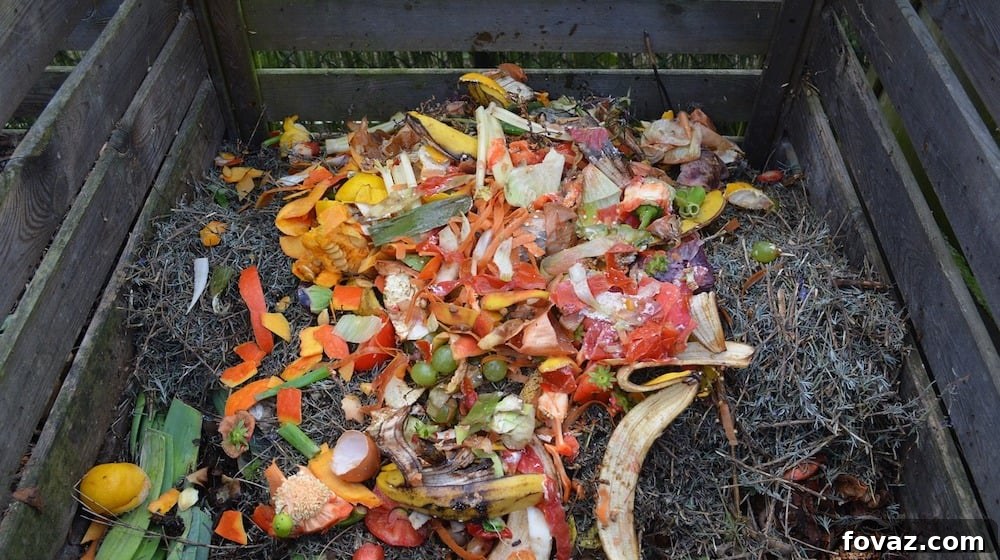
Welcome to the world of composting, a revolutionary gardening technique that has transformed into a global Go-Green movement! Far from being a chore reserved for sprawling farms, composting is now a highly accessible, cost-effective, and profoundly eco-friendly practice embraced by urban dwellers and rural residents alike. It’s one of the simplest yet most impactful contributions we can make to Mother Nature, turning everyday waste into a valuable resource.
Unlock the Secrets of DIY Composting: Your Ultimate Guide to ‘Black Gold’
If you’re passionate about reducing your environmental footprint, recycling, and reusing materials, then embracing a DIY compost pile is your next logical step. This comprehensive guide will furnish you with all the essential tidbits and practical advice needed to start your very own composting journey, transforming your kitchen and yard waste into nutrient-rich soil.

What Exactly is Compost? Decoding Nature’s Recycling Process
Often hailed as ‘Gardener’s Gold’ or ‘Black Gold,’ compost is essentially decomposed organic material used as a powerful, natural plant fertilizer and soil conditioner. It’s the end product of a controlled biological process where various organic substances break down, eventually transforming into a dark, crumbly, earthy-smelling material. This transformation isn’t just about waste disposal; it’s about waste recycling, converting what would otherwise be discarded into a vital, life-giving amendment for your garden. This rich, dark humus improves soil structure, enhances water retention, and provides essential nutrients for robust plant growth, all without relying on synthetic chemicals.

How Does Composting Work? The Science Behind the Magic
The magic of composting is primarily driven by a microscopic army: bacteria. These diligent microorganisms are the workhorses of your compost pile, tirelessly breaking down organic materials. As they consume the compostable matter, they generate carbon dioxide (CO2) and heat. This microbial activity causes the internal temperature of your compost pile to rise significantly, often reaching an impressive 100 to 140 degrees Fahrenheit. This “hot composting” phase is crucial for rapidly decomposing materials and killing off most weed seeds and pathogens.
But bacteria aren’t alone in this endeavor. A diverse community of macroscopic critters, including worms, slugs, and various insects, also play a vital role. As these organisms munch their way through the decomposing matter, they further break it down and excrete what is essentially pre-finished compost. Their secretions and movement significantly improve the compost’s texture, binding small particles into larger, more stable crumbly bits, thereby enhancing aeration and overall soil structure. This intricate dance between microorganisms and larger decomposers is what makes composting such an efficient and natural recycling system.

For more in-depth information on the scientific aspects of composting, you can explore resources like Live Science.
The Undeniable Benefits of Composting: Why Every Home Should Embrace It
Composting offers a multitude of advantages that extend far beyond simply dealing with waste. It’s a cornerstone of sustainable living and smart gardening:
- Enriches Soil Naturally: Compost significantly improves soil structure, aeration, and drainage in heavy clay soils, while enhancing water retention in sandy soils. It provides a slow-release source of essential nutrients, promoting healthier, more vigorous plant growth without the need for synthetic fertilizers.
- Reduces Waste & Landfill Burden: Diverting organic waste from landfills reduces the volume of garbage sent to these sites. Organic materials in landfills decompose anaerobically (without oxygen), producing methane, a potent greenhouse gas that contributes to climate change. Composting mitigates this by allowing aerobic decomposition.
- Saves Money: By creating your own nutrient-rich soil amendment, you reduce or eliminate the need to purchase costly fertilizers, soil conditioners, and even some potting mixes.
- Suppresses Plant Diseases & Pests: Healthy, compost-rich soil fosters beneficial microbes that can outcompete and suppress disease-causing organisms. Stronger plants grown in fertile soil are also inherently more resistant to pests.
- Boosts Water Retention: Compost acts like a sponge, helping soil hold more moisture. This means your plants need less frequent watering, conserving precious water resources.
- Supports Local Ecosystems: A thriving compost pile attracts beneficial insects and microorganisms, contributing to a healthier local ecosystem in your garden and surrounding area.
What Can Be Composted? An Extensive List for Your Home and Garden
You’ll be delighted to discover that the list of compostable items is incredibly long, turning much of your household “waste” into valuable garden input. Here’s an expanded look at what you can confidently add to your compost pile:

Kitchen Scraps (Green Materials – Nitrogen-rich)
- Fruit and Vegetable Scraps: Peels, cores, spoiled produce, even avocado pits (chopped to prevent sprouting).
- Coffee Grounds and Filters: Excellent nitrogen source.
- Tea Bags and Loose Leaf Tea: Biodegradable bags are fine.
- Eggshells: Crushed for faster decomposition and calcium.
- Stale/Expired Food Items: Bread crumbs, old breakfast cereal, bran (wheat or oat), stale chips, crackers, pickles, expired jam/jelly, cooked rice, cooked pasta, oatmeal, tofu, tempeh, seaweed, nori, kelp.
- Nut Shells: Most types are fine, but avoid black walnut shells as they contain juglone, which can be toxic to some plants.
- Seeds: Pumpkin, sunflower, sesame seeds. Chop them up to ensure they don’t sprout in your garden.
- Plant-based Milks: Soy, rice, almond milk, and other dairy substitutes (if moldy or expired).
- Old Herbs and Spices: Give your compost an aromatic boost.
- Booze: Small amounts of beer and wine can add moisture and some nutrients.
Yard Waste (Brown Materials – Carbon-rich, generally)
- Fallen Leaves: Shredded leaves decompose much faster.
- Grass Clippings: Use in moderation, as large clumps can become slimy and odorous.
- Small Twigs and Branches: Shredded or chopped into small pieces.
- Pine Needles: Can be acidic; use in moderation or mix well.
- Dead Plants and Flowers: From houseplants to garden annuals (ensure they are disease-free).
- Sawdust and Wood Shavings: From untreated wood.
- Fireplace Ash: From untreated wood only, fully extinguished and cooled. Use sparingly as it can raise pH.
Household Items (Mixed Green/Brown)
- Paper Products: Newspaper (shredded), junk mail (shredded, non-glossy), old business cards (non-glossy), paper towels, paper napkins, paper tablecloths, non-coated paper plates, crepe paper streamers, pizza boxes and cereal boxes (shredded), toilet paper and paper towel rolls (shredded), paper muffin/cupcake cups.
- Fabric and Fibers: Dryer lint, “dust bunnies,” cotton balls, old cotton or wool clothes (cut into strips), burlap sacks, raffia fibers, excelsior (wood wool), old loofahs (real, not synthetic), old rope (natural fibers).
- Hair and Fur: Human hair (from haircuts), toenail clippings, trimmings from an electric razor, pet hair (from grooming).
- Natural Miscellaneous: Matches, pencil shavings, wine corks, toothpicks, bamboo skewers, Q-tips (cardboard/cotton only, no plastic), natural sponges.
- Specific Animal Products (Vegetarian/Herbivore): Domestic bird and bunny droppings, feathers, fish food, aquatic plants (from aquariums), dog food (small amounts), rawhide dog chews.
- Old Decor/Holiday Items: Holiday wreaths (natural materials), dried flowers, fresh flowers, old potpourri, latex balloons, condoms (latex only).
- Other: The insides of a vacuum bag, contents of your dustpan (use discretion to avoid non-organic materials), Kleenex (even used), tampon applicators (cardboard only) and tampons (even used).
What NOT to Compost: A Crucial Exclusion List
While the list of compostable items is vast, some materials should never go into your pile as they can attract pests, introduce pathogens, or simply not break down effectively:
- Meat, Fish, Bones, & Dairy Products: Attract pests (rodents, flies), create foul odors, and can harbor harmful pathogens.
- Oils, Fats, & Grease: Attract pests, slow down decomposition, and create anaerobic conditions.
- Diseased or Insect-Infested Plants: Can spread diseases or pests back into your garden.
- Pet Waste (from carnivorous animals): Dog and cat feces can contain harmful pathogens (e.g., E. coli, parasites) that may not be killed during the composting process, making the compost unsafe for food gardens.
- Chemically Treated Wood: Lumber treated with preservatives contains harmful chemicals that will leach into your compost and soil.
- Weeds with Seeds: Unless your pile consistently reaches high temperatures, weed seeds might survive and sprout in your garden.
- Synthetic Materials: Plastics, synthetic fabrics, metals, glass, and anything that isn’t organic.
- Glossy Paper & Magazines: Often contain heavy metals and non-biodegradable coatings.
Your Essential Composting Checklist: How to Build a Successful DIY Pile
Embarking on your DIY composting journey is simpler than you might imagine, especially with these proven tips for cultivating a thriving and efficient compost pile:
- Choose the Right Foundation: Start on Bare Earth.
Starting your compost pile directly on bare soil is critical. This direct contact allows essential organisms like earthworms, beneficial bacteria, and fungi from the ground to easily access your pile. These natural decomposers are indispensable, kickstarting the decomposition process and ensuring a robust, active compost heap. It also helps with drainage and aeration. - Optimal Material Preparation: Shred Your Greens and Browns.
While not strictly mandatory, shredding or chopping your organic materials—especially leaves, twigs, and larger kitchen scraps—will dramatically accelerate the composting process. Smaller pieces offer a greater surface area for microbial activity, leading to faster decomposition. Shredded leaves, for instance, not only break down quicker but also create a lighter, fluffier texture that’s easier to turn and transport, resulting in premium mulch. If you notice your heap is sluggish, shredding can often remedy the problem by improving aeration. - Balance Your Recipe: The “Greens” and “Browns” Ratio.
A successful compost pile relies on a balanced mix of “greens” (nitrogen-rich materials) and “browns” (carbon-rich materials).- Greens (e.g., kitchen scraps, fresh grass clippings, coffee grounds, manure) provide nitrogen, which helps the microorganisms grow and reproduce.
- Browns (e.g., dry leaves, straw, wood chips, shredded paper) provide carbon, serving as an energy source for microbes and creating the bulk and structure of the pile.
Aim for a ratio of roughly two parts brown to one part green by volume. Layering these materials is key; think of it like building a lasagna. Manure is one of the best natural nitrogen sources, but kitchen scraps and fresh plant matter also work wonderfully.
- Maintain Proper Moisture Levels: Keep it Damp, Not Soggy.
Your compost pile needs moisture, much like a wrung-out sponge, for microorganisms to thrive. Too dry, and decomposition will halt; too wet, and the pile will become anaerobic, leading to foul odors. Periodically check the moisture content and water your pile during dry spells. Covering your pile can help retain moisture and prevent it from becoming waterlogged in heavy rain. - Aeration is Key: Turn Your Heap Regularly.
Composting is an aerobic process, meaning it requires oxygen. Turning your compost pile introduces air, preventing compaction and ensuring oxygen reaches all parts of the heap. While some recommend turning every few weeks, aiming for every three to four days will significantly speed up decomposition and guarantee composting success. With shredded, lighter materials, turning becomes a much less strenuous task. Regular turning also helps distribute moisture and heat evenly throughout the pile. - Consider a Compost Bin or Tumbler for Convenience.
While a simple heap works perfectly fine, a compost bin or tumbler can be a great investment, especially for smaller yards or if you prefer a neater, more contained system. Bins come in various designs, from simple open structures to enclosed units, while tumblers offer easy turning with minimal effort. Remember, the fundamental principles of composting (bare earth start, material prep, greens/browns balance, moisture, aeration) still apply regardless of your container choice.
For more detailed insights on maintaining a successful compost pile, resources such as Compact Power Equipment Rental offer valuable tips.
Compost Bin DIY: Quick Pallet Project
5 DIY Life Hacks With Plastic Bottles
Troubleshooting Common Composting Problems: Keeping Your Pile Healthy
Even the most dedicated composters might encounter a snag or two. Knowing how to troubleshoot common issues ensures your pile remains active and efficient:
- Foul Odors: A bad smell usually indicates a lack of oxygen or too much nitrogen (too many “greens”).
- Solution: Turn the pile thoroughly to introduce air. Add more “brown” materials like dry leaves, straw, or shredded paper to balance the nitrogen.
- Slow Decomposition: If your pile isn’t heating up or breaking down quickly, it could be due to insufficient moisture, lack of nitrogen, or poor aeration.
- Solution: Check moisture levels and add water if too dry. Incorporate more “green” materials or a nitrogen source like manure. Turn the pile more frequently. Ensure materials are shredded into smaller pieces.
- Pests (Rodents, Flies): Pests are typically attracted by certain food scraps or uncovered piles.
- Solution: Avoid adding meat, dairy, oily foods, and cooked leftovers (except cooked grains/pasta in small amounts, buried deep). Bury fresh kitchen scraps deep within the pile. Consider using a pest-proof compost bin with a lid.
Embracing a Sustainable Lifestyle with Composting
Composting is more than just a garden practice; it’s a mindful act of environmental stewardship. By transforming organic waste into precious ‘black gold,’ you’re not only enriching your garden soil but also actively participating in a cycle of sustainability. You reduce landfill waste, minimize greenhouse gas emissions, conserve water, and lessen your reliance on chemical fertilizers. It’s a simple, rewarding, and deeply impactful way to connect with nature and contribute positively to our planet. Start your DIY compost pile today and watch your garden (and the Earth) thrive!
Read more: http://www.care2.com/greenliving/80-items-you-can-compost.html#ixzz2wRa3p0x6