
Unlock Savings & Sustainability: Your Ultimate Guide to Homemade Laundry Detergent
Are you tired of standing in the laundry aisle, overwhelmed by pricey soap bottles filled with synthetic chemicals? The frustration of watching your budget dwindle with every wash cycle is a common one. But what if there was a simpler, more affordable, and eco-friendlier way to achieve sparkling clean, odor-free clothes? Look no further than homemade laundry detergent. This comprehensive guide will walk you through creating your own powerful, natural cleaning agent that revolutionizes your laundry routine.
Making your own laundry detergent is not just a DIY project; it’s a lifestyle upgrade that promises significant savings and a healthier home. By harnessing the power of a few common ingredients, you can craft a cleaning solution that outperforms many commercial brands, all while being gentle on your fabrics, your skin, and the planet.
Why Choose Homemade Laundry Detergent? The Unbeatable Benefits
Embracing the DIY approach to laundry care offers a multitude of compelling advantages that extend beyond mere cost-cutting. It’s about making a conscious choice for a more sustainable, healthier, and financially savvy lifestyle.
- Dramatic Cost Savings: Prepare to slash your laundry expenses by up to 90% per load! While typical commercial detergents can set you back anywhere from $0.25 to $0.45 per cycle, your homemade formula costs a mere $0.02 to $0.05. Imagine the savings accumulating over months and years – money that can be reallocated to other essential household needs or even a much-deserved treat.
- Eco-Friendly & Healthier Choice: Say goodbye to the array of synthetic fragrances, harsh endocrine disruptors, optical brighteners, and potential microplastics often found in store-bought detergents. Many commercial formulations contain chemicals that can irritate sensitive skin, trigger allergies, and even contribute to environmental pollution. Our DIY approach prioritizes natural, biodegradable ingredients, making it a win for your family’s well-being and the planet.
- Simplified Ingredients, Powerful Clean: You don’t need a chemistry degree to understand what goes into your homemade detergent. It’s typically composed of just three core ingredients: washing soda, borax, and grated bar soap. These humble components work synergistically to tackle dirt, grime, and odors effectively, leaving your clothes genuinely fresh and clean without any chemical residue.
- Empowering & Satisfying DIY Project: This isn’t a complex, time-consuming chore. Whipping up a batch of homemade laundry detergent is a simple, satisfying project you can complete in under an hour on a relaxed afternoon. The sense of accomplishment that comes from creating your own effective cleaning solution is incredibly rewarding.
- Customization at Your Fingertips: Unlike mass-produced detergents, your homemade version offers unparalleled opportunities for customization. Want a specific natural scent? Add essential oils. Need extra odor-fighting power? A pinch of baking soda can be incorporated. This allows you to tailor the detergent precisely to your preferences and needs.
The Science Behind the Suds: Understanding Your Ingredients
Effective DIY laundry soap relies on a synergistic blend of three core components, each playing a crucial role in lifting dirt, softening water, and removing stains. While the recipe is straightforward, the science behind it is fascinating. Here’s a deeper look into the three pillars of your homemade laundry detergent:
1. Grated Bar Soap: The Surfactant Powerhouse
The humble bar of soap is your primary source of surfactants – the active cleaning agents that do the heavy lifting. Surfactants work by reducing the surface tension of water, allowing it to penetrate fabrics more effectively. They then encapsulate dirt, grease, and oil particles, preventing them from redepositing onto clothes and allowing them to be rinsed away with the wash water.
For optimal results, we recommend using tried-and-true brands like Fels Naptha or Ivory soap. Fels Naptha is renowned for its powerful stain-fighting capabilities, particularly effective on grease and oil. Ivory soap, on the other hand, is widely available and known for its mildness and purity, making it an excellent choice for sensitive skin. You can also consider Zote soap, another popular laundry bar known for its effectiveness. The key is to select a pure, basic laundry soap without added moisturizers or harsh dyes that could potentially interfere with the cleaning process or leave residue.
2. Washing Soda (Sodium Carbonate): The Alkaline Builder & Water Softener
Washing soda, also known as sodium carbonate, is a powerful alkaline builder and water softener. Its primary function is to increase the pH of the wash water, creating a more alkaline environment. This alkalinity is crucial because it helps the soap perform more efficiently, especially in breaking down grease, oils, and organic soils. Additionally, washing soda binds with minerals present in hard water (like calcium and magnesium), effectively softening the water. Soft water allows detergents to lather better and clean more thoroughly, preventing soap scum and mineral deposits on your clothes and washing machine.
3. Borax (Sodium Borate): The Natural Booster & Deodorizer
Borax, or sodium borate, is a versatile mineral compound that acts as a natural whitener, deodorizer, and cleaning booster. It helps to lift stains, particularly those caused by protein and enzymes, and enhances the cleaning power of the soap. Borax also plays a vital role in neutralizing odors, leaving your clothes smelling genuinely fresh rather than masked by artificial fragrances. Furthermore, it has mild antiseptic properties, contributing to a truly clean wash. Together, these three ingredients form a formidable trio, tackling a wide spectrum of laundry challenges effectively and naturally.
Crafting Your Own: The Homemade Laundry Detergent Practitioner’s Method
Making your own powdered laundry detergent is an incredibly simple process, requiring minimal time and effort. Follow these straightforward steps to create your custom, effective cleaning solution.
- Step 1: The Prep – Grating Your Soap Bar
Your first task is to finely grate one bar of your chosen soap (Fels Naptha or Ivory are excellent options). The finer the grate, the better it will dissolve in your wash water. You can use a standard cheese grater for this, which doubles as a mini workout. Aim for a consistency similar to fine shredded cheese or coarse powder.
- The 30-Second Hack: For those who want to skip the manual grating or achieve an even finer consistency, a food processor is your best friend. Simply chop the soap bar into smaller chunks, add them to the food processor with about half a cup of your washing soda (this helps prevent clumping), and pulse for approximately 30 seconds until a fine powder is formed. Ensure your food processor is clean and dedicated solely to non-food items, or clean it thoroughly afterward.
- Step 2: The Mix – Combining Your Ingredients
Once your soap is finely grated or powdered, transfer it to a large mixing bowl. Now, it’s time to combine the powerful trio. Add one cup of Borax and one cup of Washing Soda to the bowl with your soap dust. Using a whisk or a large spoon, thoroughly combine all the ingredients. Mix until the powder is uniform in color and texture, ensuring there are no clumps and all components are evenly distributed. This ensures consistent cleaning power with every scoop.
- Step 3: The Storage – Preserving Freshness & Enhancing Aesthetics
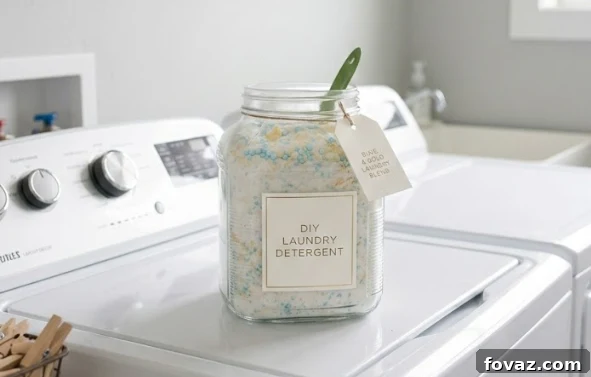
Transfer your freshly made laundry detergent powder to an airtight container. A large glass apothecary jar with a sealed lid is ideal, not only for keeping the powder dry and free from moisture but also for adding a touch of rustic elegance to your laundry room. Label your jar clearly to avoid confusion with other household powders. Proper storage ensures the longevity and effectiveness of your homemade detergent.
- Step 4: The Usage – How Much to Use Per Load
When it comes to actual washing, less is often more with homemade detergent. For a standard load of laundry, use 1 to 2 tablespoons of your powdered mixture. For larger or heavily soiled loads, you might increase it to 3 tablespoons. Always add the detergent directly to the drum of your washing machine before adding clothes, especially if you have a top-loader. For front-loaders, you can typically add it to the dispenser drawer, but direct drum placement is often preferred for best dissolution.
There you have it – a simple, effective, and economical way to keep your clothes fresh and clean. The entire process, barring the initial soap grating, is remarkably quick and straightforward.
Optimizing Your Laundry Routine: Tips & Considerations
Appliance Safety and HE Machine Compatibility
One of the most common questions about homemade laundry detergent concerns its compatibility with High-Efficiency (HE) washing machines. The good news is that your DIY detergent is perfectly suited for HE machines because it is naturally low-sudsing. Unlike commercial brands that often contain synthetic foaming agents designed to create abundant suds (which can actually hinder cleaning and damage HE machines), homemade soap produces minimal foam. This makes it a functional and safe fit for your HE appliance.
However, it’s important to note a trade-off: homemade detergents typically lack the modern enzymes (such as protease, amylase, and lipase) found in many store-bought jugs. These enzymes are specifically formulated to break down complex stains like grass, blood, and certain food residues. For tough, enzyme-specific stains, you will still want to use a dedicated pre-treater or stain remover before washing with your homemade detergent to achieve the best results. Simply apply the pre-treatment, let it sit for a few minutes, then proceed with your normal wash cycle.
Addressing Hard Water Challenges
If you reside in an area with hard water, it’s wise to monitor your laundry loads and machine components for potential soap scum buildup. Natural soap can react with the minerals in hard water, creating insoluble deposits that might accumulate on your clothes or within your washing machine. To mitigate this, consider adding half a cup of white vinegar to your rinse cycle periodically. Vinegar acts as a natural fabric softener and helps to dissolve any mineral or soap residue, keeping your clothes soft and your machine clean. Running an empty hot water cycle with a cup of vinegar every few months can also help prevent internal buildup.
Bespoke Aromas and the Jar Aesthetic: Elevating Your Laundry Space
One of the most delightful aspects of homemade laundry detergent is the ability to customize its aroma profile. Unlike the often overpowering, artificial, and factory-like scents of store-bought detergents, you can achieve a non-toxic, biodegradable aroma using pure essential oils. Add 15-20 drops of your favorite essential oils to your finished detergent powder, mixing them in thoroughly. Popular choices include:
- Lavender: Calming and fresh.
- Lemon or Grapefruit: Uplifting and naturally antibacterial.
- Tea Tree: Powerful deodorizer with antiseptic qualities.
- Cedarwood or Pine: Earthy and grounding.
- Eucalyptus or Peppermint: Invigorating and great for stuffy noses.
Experiment with blends to create a signature scent that transforms your laundry chore into a luxurious, aromatherapy experience. Furthermore, for an extra boost in deodorizing power, especially for gym clothes or towels, you can add half a cup of baking soda to your detergent mix.
Beyond the functional benefits, the visual appeal of a large, beautiful glass jar filled with your homemade powder, perhaps accompanied by a charming wooden scoop, instantly elevates the aesthetic of your laundry room. It’s a subtle touch that transforms a utilitarian space into something more refined and personal. You haven’t just saved 90% in costs; you’ve upgraded your home’s entire vibe and embraced a more mindful approach to household management.
For those interested in diving even deeper into the comprehensive world of sustainable living and homesteading, exploring resources like Homesteading.com can provide a wealth of knowledge and inspiration.
Try Making Your Own Laundry Detergent Today!
It’s time to liberate yourself from the cycle of expensive, chemical-laden grocery store detergents. Embrace an effective, eco-friendly formula that’s genuinely safe for your family and the environment. By dedicating just a few minutes of your weekend, you can whip up a batch of homemade laundry detergent that addresses your budget-fueled frustrations and completely bypasses the synthetic chemicals prevalent in commercial brands.
Start with a small batch to familiarize yourself with the process and see how it performs with your specific laundry needs. Feel free to adjust the recipe slightly or experiment with essential oils to find your perfect blend. Simple, conscious changes like this can make a profoundly meaningful difference in your everyday routine, fostering a healthier home and a more sustainable lifestyle.
We are confident you’ll enjoy this super-easy tutorial on creating your own powerful powder laundry soap. We’d love to hear about your experience! Share your journey and results in the comments section below – your feedback is invaluable and helps our community grow.
Frequently Asked Questions About Homemade Laundry Detergent
Will making homemade laundry detergent actually save me money?
Absolutely! If you’re tired of that budget-fueled frustration every time you buy laundry soap, this DIY method is a game-changer. While there’s an initial upfront cost for ingredients, you’ll witness a massive 90% reduction in cost per load over time. Commercial brands can average $0.25 to $0.45 per cycle, but with this homemade formula, you’re looking at just $0.02 to $0.05 per load. This thrifty approach ensures you stop wasting money on overpriced detergents and keep more cash in your wallet in the long run.
Does homemade detergent really get tough stains and odors out?
Yes, it does! It’s completely natural to worry about DIY projects falling short, but this recipe is designed for brilliant cleaning. You’re not sacrificing cleaning power; instead, you’re skipping the synthetic “black box” chemicals, optical brighteners, and artificial fragrances of commercial brands, while retaining the powerful, active cleaning agents like surfactants from the soap and the boosting capabilities of washing soda and borax. Your clothes will emerge genuinely fresh-clean and odor-free, leaving you feeling accomplished and skilled with your natural cleaning solution.
I have limited free time. How long does it actually take to whip this up?
We understand that you’re balancing creativity with a busy schedule! This isn’t a complex, all-day chore that will leave you feeling overwhelmed. Once you have your basic supplies prepped and ready (which are easy to find), you can easily whip up a full batch of homemade laundry detergent in under 15 minutes during a spare evening or a relaxed weekend afternoon. It’s a quick, efficient project with lasting benefits.
Is this DIY recipe safe for my High-Efficiency (HE) washing machine?
Definitely! We don’t want you worrying about tool misuse or damaging your appliances. Because homemade powdered detergents naturally produce very few suds compared to standard commercial detergents, they are generally very safe and highly effective for HE machines. Excessive suds can actually harm HE washers, so the low-foaming nature of this DIY recipe makes it an ideal choice for modern appliances.
Where do I find the ingredients? Are they hard to track down?
Not at all! There’s nothing more frustrating than missing supplies or hard-to-follow guides that require obscure ingredients. The basic components for this homemade laundry detergent – washing soda, borax, and a solid laundry soap bar (like Fels Naptha or Ivory) – can usually be found readily available in the laundry aisle of your local grocery store, supermarket, or large big-box retailers. This makes the project highly accessible and easy to start right away.