
In our increasingly busy lives, the thought of spending countless hours on yard work can feel overwhelming. If you resonate with a more relaxed approach to outdoor living, then embracing low-maintenance landscaping is a game-changer! Imagine a stunning outdoor space that not only looks incredible but also demands minimal effort from you. This isn’t just a pipe dream; it’s an achievable reality through smart design choices, selecting the right plants, and implementing time-saving techniques. A truly beautiful yard doesn’t have to monopolize your precious weekends. With a few strategic adjustments, you can significantly reduce the need for mowing, weeding, and watering, leaving you more time to simply enjoy your beautifully kept outdoor sanctuary.
Choose the Right Plants for Less Work
The plants you select are perhaps the single most impactful decision in determining whether your landscape design simplifies your life or turns into a never-ending chore. The secret lies in opting for varieties that naturally thrive on minimal attention, adapting well to their environment without constant intervention. Fortunately, the world of horticulture offers an abundance of hardy, resilient plants that perfectly fit this description, making easy yard care a joyful endeavor.
- Native Plants: These horticultural superstars are intrinsically suited to your local climate and soil conditions, meaning they require far less water, fertilizer, and pest control than non-native species. By choosing native flowers, shrubs, and grasses, you’re not only simplifying your gardening tasks but also supporting local ecosystems and biodiversity. Excellent choices include vibrant coneflowers (Echinacea), cheerful black-eyed Susans (Rudbeckia hirta), and elegant ornamental grasses such like switchgrass or little bluestem. They provide year-round interest with minimal fuss.
- Perennials Over Annuals: While annuals offer a burst of seasonal color, they demand replanting every single year, adding a repetitive task to your spring schedule. Perennials, on the other hand, are the gift that keeps on giving, returning year after year with robust growth and stunning displays. Focus on low-maintenance perennial choices such as fragrant lavender (Lavandula), resilient daylilies (Hemerocallis), and architectural sedum (Hylotelephium). These plants establish strong root systems, often becoming more vigorous with age and demanding less care over time.
- Drought-Resistant Plants (Xeriscaping Principles): If the thought of frequent watering makes you sigh, embrace the principles of xeriscaping. Drought-resistant plants are specially adapted to thrive with little to no supplemental irrigation once established, making them ideal for water-conscious and time-poor gardeners. Succulents, with their fascinating forms and low water needs, are an obvious choice. Other fantastic alternatives include the feathery yarrow (Achillea millefolium), the aromatic Russian sage (Perovskia atriplicifolia), and various types of ornamental grasses that add texture without thirst. These choices not only save water but also drastically cut down on your watering schedule.
- Disease and Pest Resistant Varieties: Beyond water and sun, another significant time-saver is choosing plants bred or naturally resistant to common diseases and pests in your region. This minimizes the need for spraying, pruning out infected parts, or constantly monitoring for infestations. Research local nurseries or extension services for recommendations on resistant plant varieties.
By making informed decisions about your plant palette, you lay the foundation for a vibrant, thriving yard that practically takes care of itself. If you’re looking for more inspiration and guidance on selecting the perfect long-lasting, low-upkeep flora for your region, this guide to low-maintenance perennials is an excellent starting point, offering a wealth of ideas to get your easy-care garden flourishing.
Reduce Lawn Care with Smart Alternatives
For many homeowners, the traditional grass lawn represents the most demanding aspect of yard maintenance. The relentless cycle of mowing, watering, fertilizing, and treating for weeds can be an exhausting endeavor, consuming precious weekend hours. Fortunately, a growing trend towards lawn alternatives offers fantastic solutions for those seeking a more hands-off approach to their outdoor space. By rethinking the role of expansive turf, you can create a more diverse, interesting, and undeniably easier-to-manage landscape.
- Ground Covers: Replacing large expanses of thirsty, high-maintenance grass with resilient ground covers is a transformative step towards minimal upkeep. These low-growing plants spread to form a dense mat, effectively suppressing weeds and reducing erosion. Many ground covers require little to no mowing and are far less demanding in terms of watering. Consider options like fragrant creeping thyme, lush clover (which also enriches the soil with nitrogen), or serene moss. These alternatives often stay green year-round, provide unique texture, and add a distinctive charm to your garden beds and pathways with very little intervention.
- Artificial Turf: If you adore the pristine, uniform look of a manicured lawn but detest the endless work required to maintain it, artificial turf presents a compelling solution. Modern artificial turf products are incredibly realistic, mimicking the appearance and feel of natural grass without any of the associated hassles. This option eliminates mowing, watering, fertilizing, and pest control entirely, offering a perpetually green and perfectly manicured surface. While the initial investment might be higher, the long-term savings in time, water, and maintenance costs can be substantial, making it a truly zero-maintenance alternative.
- Mulched Areas: Strategically integrating mulched areas into your landscape design is a simple yet profoundly effective way to reduce maintenance. A generous layer of mulch—be it organic materials like wood chips, pine straw, or shredded bark, or inorganic options like gravel or decorative stone—delivers multiple benefits. Mulch acts as a powerful weed barrier by blocking sunlight, significantly reducing the time you spend on weeding. Furthermore, organic mulches help retain soil moisture, reducing the need for frequent watering, and slowly decompose to enrich the soil. Spreading mulch over bare soil areas or around plants gives your yard a tidy, professional, and well-maintained appearance without constant effort.
- Alternative Lawn Grasses: If you’re not ready to completely ditch the idea of a lawn but still want less maintenance, explore alternative grass species. Fescue mixes, especially fine fescues, often require less water and mowing than traditional Kentucky bluegrass. Clover lawns, whether as a full lawn or mixed with traditional grass, are another excellent option, requiring minimal mowing and naturally fertilizing the soil.
Embracing a lawn alternative doesn’t mean compromising on beauty or functionality. On the contrary, these creative solutions can make your yard look more unique, sophisticated, and cohesive. By reducing your reliance on traditional turf, you’re not just saving time and effort; you’re also making your landscape more sustainable and resilient. For more innovative and drought-friendly landscaping ideas that can transform your outdoor space into a low-maintenance oasis, this resource from Better Homes & Gardens offers a wealth of inspiration and practical tips.
Simplify Watering with Low-Maintenance Solutions
Consistent and adequate watering is crucial for plant health, yet it’s often one of the most time-consuming and tedious aspects of garden maintenance. However, modern technology and clever techniques offer numerous ways to keep your plants perfectly hydrated with minimal manual effort, transforming your watering routine from a chore into a seamless, automated process. Implementing smart watering solutions not only saves you time but also conserves water, leading to a more sustainable and efficient garden.
- Drip Irrigation Systems: Arguably the gold standard for efficient watering, drip irrigation systems deliver water slowly and precisely directly to the root zone of your plants. This targeted approach dramatically reduces water waste due to evaporation or runoff, common with overhead sprinklers. By providing a consistent, measured supply of water, drip systems ensure your plants receive exactly what they need, promoting healthier growth while saving you considerable time and effort. These systems can be easily automated with a timer, making daily watering a set-it-and-forget-it task for garden beds, vegetable patches, and even containers.
- Rain Barrels: Harnessing nature’s bounty through rain barrels is an eco-friendly and incredibly cost-effective way to water your plants. By collecting rainwater runoff from your roof, you store a free, naturally soft water source that is ideal for gardens. Installing rain barrels is a straightforward process, and connecting them to a soaker hose or using a watering can filled from the spigot provides a sustainable solution that reduces reliance on municipal water, lowering your water bill and your environmental footprint. It’s a simple yet powerful step towards water conservation in your garden.
- Soaker Hoses: For linear planting areas like flower beds, hedgerows, or vegetable gardens, soaker hoses are a fantastic low-effort watering solution. These porous hoses “weep” water along their entire length, providing a slow, even, and thorough soaking directly to the soil, similar to drip irrigation but often easier to install and move. This method saturates the root zone effectively without wetting foliage, which can help prevent fungal diseases. Just connect to your garden spigot, lay them out, and let them do the work, reducing manual watering time significantly.
- Smart Irrigation Controllers: Take automation to the next level with smart irrigation controllers. These devices connect to your Wi-Fi and use local weather data, soil moisture sensors, and plant-specific needs to optimize watering schedules. They can automatically adjust watering based on rainfall, temperature, and humidity, ensuring your plants get just the right amount of water without any manual input from you.
- Self-Watering Planters: For container gardens or patio plants, self-watering planters are a brilliant invention. They feature a reservoir at the bottom that provides a steady supply of water to the plant roots, extending the time between manual waterings significantly.
By integrating these smart watering techniques, you can ensure your plants remain healthy and vibrant while drastically cutting down on the time and effort you spend with a hose in hand. These adjustments lead to a more efficient, water-wise, and enjoyable gardening experience.
Limit Weeding with Smart Ground Management
Weeds are a universal nemesis for gardeners, capable of quickly turning a beautiful landscape into an overgrown mess and consuming countless hours of frustrating labor. The key to successful, low-maintenance gardening lies in proactive weed prevention rather than constant reactive weeding. By implementing smart ground management strategies, you can stop weeds before they even have a chance to sprout, allowing you to spend less time on your knees and more time appreciating your garden.
- Mulch Everything: This is perhaps the most effective and versatile weed control strategy. A thick, uniform layer of mulch (ideally 2-4 inches deep) acts as a physical barrier, blocking sunlight from reaching weed seeds in the soil. Without light, these seeds cannot germinate and grow. Organic mulches like wood chips, shredded bark, or pine straw not only suppress weeds but also help retain soil moisture, regulate soil temperature, and slowly add nutrients back to the soil as they decompose. Inorganic mulches like gravel or decorative stones are also effective weed barriers, particularly in drier landscapes or pathways. Regularly refreshing your mulch layer ensures ongoing protection.
- Dense Planting: Embrace the “no bare soil” philosophy. When plants are spaced closely together, their foliage quickly spreads to shade the soil surface. This dense canopy mimics the conditions in natural ecosystems, leaving little room or sunlight for weed seeds to germinate and establish themselves. This strategy not only suppresses weeds but also creates a lush, full, and visually appealing garden that outcompetes unwanted growth. Before planting densely, ensure your chosen plants are suitable for close spacing and won’t suffer from overcrowding.
- Landscape Fabric (Weed Barrier): For longer-term weed prevention, particularly under pathways, patios, or areas where you plan to use gravel or stone mulch, landscape fabric provides an excellent solution. This permeable fabric is laid directly over prepared soil, acting as a robust barrier against weeds while still allowing water and air to penetrate to the soil below. When covered with a layer of mulch, it offers years of protection against stubborn weeds, significantly reducing maintenance in those areas. Ensure proper installation by overlapping edges and securing with pins to prevent gaps where weeds could emerge.
- Edging: Installing physical borders or edging around your garden beds and pathways can also help prevent lawn grasses and spreading weeds from encroaching into your cultivated areas. Materials like metal, plastic, brick, or stone can create a clean line and an effective barrier.
- Pre-Emergent Herbicides (Use with Caution): For an extra layer of defense, especially in challenging areas, a pre-emergent herbicide can be applied in early spring. These products create a chemical barrier that prevents weed seeds from germinating. However, they should be used judiciously and according to instructions, as they can also inhibit the germination of desired seeds.
By diligently covering exposed soil, creating dense planting arrangements, and utilizing physical barriers, you’ll dramatically reduce the amount of time you spend pulling weeds and reclaim more moments to simply relax and enjoy the beauty of your meticulously maintained, yet effortlessly appealing, yard.
Design Principles for a Low-Maintenance Yard
Achieving a truly low-maintenance landscape goes beyond just plant selection and watering techniques; it starts with smart design. Thoughtful planning can drastically reduce future effort, creating a garden that looks fantastic with minimal intervention.
- Zone Your Garden: Group plants with similar needs (sunlight, water, soil type) together. This allows for efficient watering (e.g., drip irrigation for one zone, less water for another) and makes overall care much simpler.
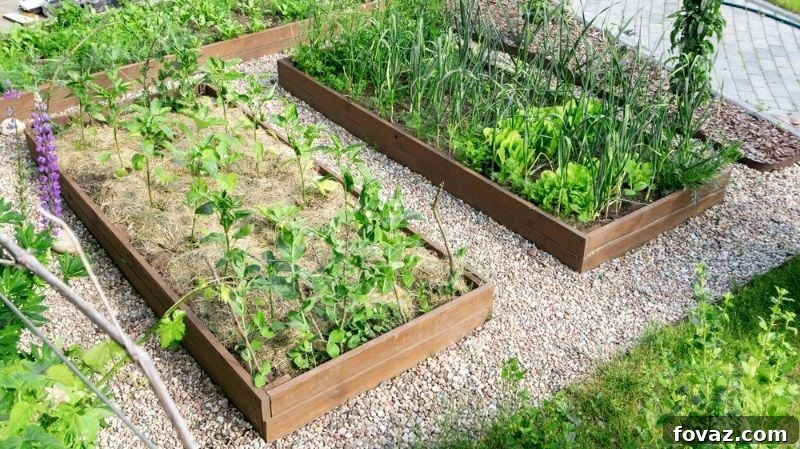
- Incorporate Hardscaping: Patios, decks, gravel pathways, and rock gardens require virtually no maintenance once installed. Integrating these elements reduces the amount of planting area that needs constant attention and adds structure and beauty to your space.
- Consider Raised Beds: For vegetable gardens or specific flower displays, raised beds can simplify planting, weeding, and soil management. They allow for better drainage and easier access, reducing back strain.
- Strategic Tree and Shrub Placement: Deciduous trees can provide shade in summer, reducing cooling costs and protecting plants from harsh sun. Evergreen shrubs offer year-round structure and privacy with minimal pruning. Choose varieties that grow to their mature size without needing constant trimming.
Enjoy a Beautiful Yard with Less Work
Transforming your yard into a space that looks consistently great year-round without demanding endless hours of your time is entirely within reach. By adopting just a few strategic low-maintenance landscaping strategies, you can dramatically shift your outdoor experience. The conscious decision to choose hardy, resilient plants, coupled with a reduction in expansive, thirsty lawn areas, and the implementation of smart, efficient watering solutions, collectively work to significantly diminish the need for backbreaking labor.
Ultimately, these intelligent and thoughtful changes empower you to redirect your time and energy. Instead of being perpetually tied to yard work, you’ll discover the freedom to simply relax, entertain, and truly savor your beautiful outdoor environment. Imagine reclaiming your weekends, not for chores, but for enjoying the serene beauty and tranquility of a garden that practically cares for itself. Embrace the ease, embrace the beauty, and embrace the joy of a truly low-maintenance landscape.
Do you have a favorite lazy gardening tip or an ingenious solution for keeping your yard looking great with minimal effort? Share your insights and experiences in the comments below—I’d love to hear how you manage to maintain a stunning outdoor space with less work!
FAQs about Low-Maintenance Landscaping
1. What is the easiest type of landscaping to maintain?
The easiest type of landscaping often combines native plants, drought-resistant flowers, and extensive ground covers. These plant choices thrive in local conditions with minimal intervention, requiring less watering, fertilizing, and pest control.
2. How can I significantly reduce the time spent on lawn care?
To drastically cut down on lawn care, consider replacing large sections of traditional grass with ground covers like clover or creeping thyme, installing artificial turf, or creating mulched garden beds and pathways. These alternatives minimize or eliminate the need for mowing, frequent watering, and fertilization.
3. What are the best low-maintenance plants for a yard?
Excellent low-maintenance plants include perennials such as lavender, sedum, hostas, and ornamental grasses. Native shrubs and trees are also great choices as they are adapted to your local climate. Drought-tolerant options like succulents and yarrow are also highly recommended.
4. How can I keep my yard looking good without a lot of watering?
Implement xeriscaping principles by using drought-tolerant plants. Install a drip irrigation system for efficient, targeted watering, and apply a thick layer of mulch to retain soil moisture. Collecting rainwater in rain barrels can also supplement your watering needs without increasing your water bill.
5. What’s the most effective way to prevent weeds in my garden?
The best way to prevent weeds is by covering exposed soil with a thick layer of mulch. Other effective methods include dense planting to shade the soil, using landscape fabric under pathways, and installing garden edging to prevent unwanted growth from creeping in.
6. Are there good alternatives to grass for a low-maintenance lawn?
Absolutely! Popular grass alternatives for low-maintenance lawns include clover, creeping thyme, moss, and various ornamental ground covers. Artificial turf is also a fantastic option for a perpetually green lawn with zero upkeep.
7. How do I make my yard look nice year-round with little effort?
To maintain year-round appeal with minimal effort, choose a mix of evergreen shrubs, ornamental grasses that offer winter interest, and drought-resistant perennials that provide continuous color. Incorporate hardscaping elements like rocks and pathways for enduring structure and beauty.
8. What’s an easy way to water my plants automatically?
Automate your plant watering with a drip irrigation system or soaker hoses connected to a timer. Smart irrigation controllers can also adjust watering schedules based on local weather conditions, providing hands-free hydration.
9. How can I create a low-maintenance garden on a budget?
Start with native plants, which are often more affordable and require less care. Utilize free or low-cost mulch from local sources (like wood chips from arborists). Repurpose materials such as old bricks or stones for pathways and borders. Propagate plants from cuttings or seeds to expand your garden affordably.
10. Can I have a beautiful yard without hiring a professional landscaper?
Yes, definitely! By making informed choices about plant selection, reducing lawn areas, incorporating efficient watering systems, and implementing effective weed prevention strategies, you can design and maintain a stunning, low-maintenance yard entirely on your own without professional help.