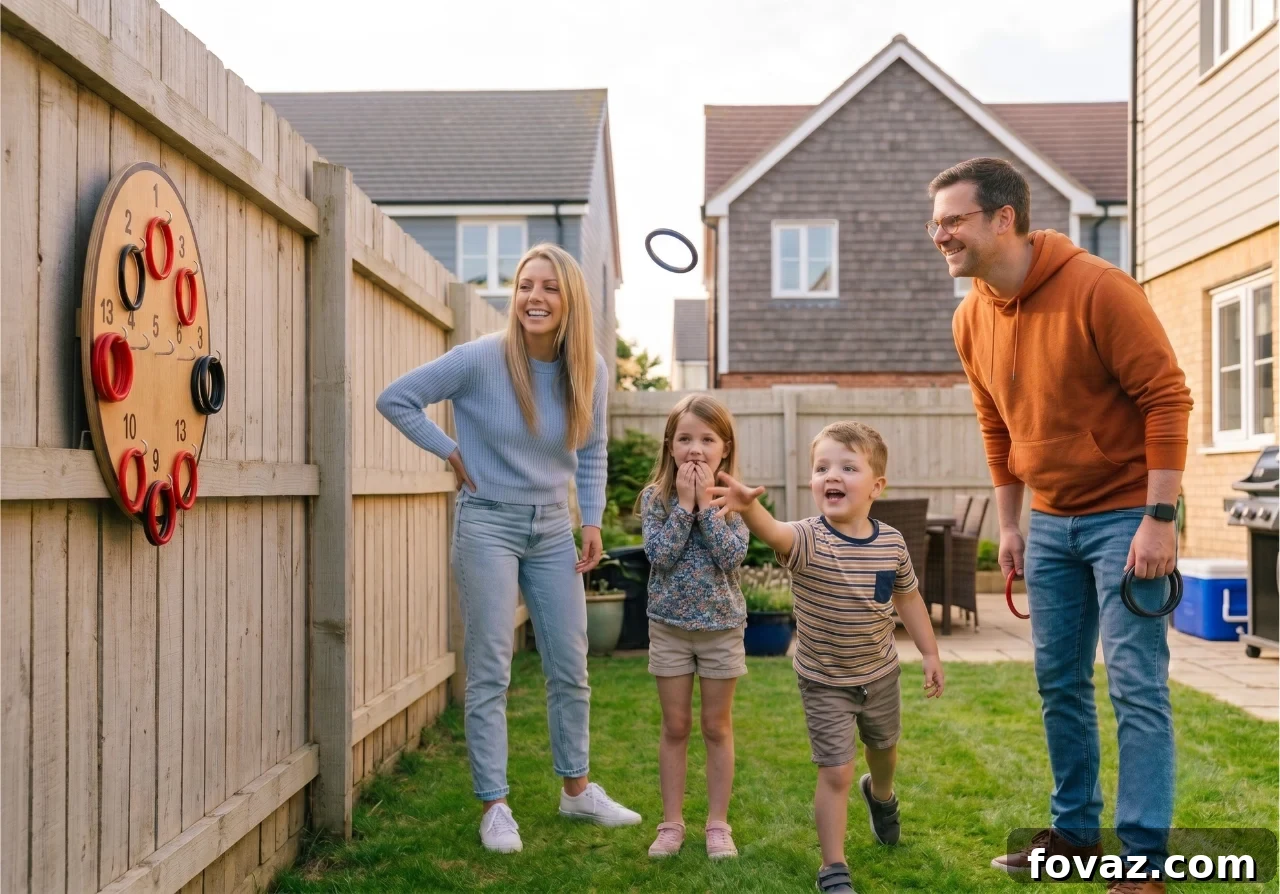
Let’s be honest: left to their own devices, kids will often spend summer vacation in a sluggish, screen-focused haze. Instead of playing outside, many drift into endless doomscrolling—flicking through short videos until attention fades—or collapse into bedrotting, where they become one with the mattress and stare at a phone for hours on end.
Watching family members waste the best months of the year glued to a screen is frustrating, but you don’t have to accept it. One of the most effective ways to break the screen habit is simple: get everyone into the garage or workshop and build something together. Shared projects create quality time, teach practical skills, and deliver toys and games you can enjoy all season long.
Below are five well-rounded woodworking projects suitable for families. They range from vigorous backyard gear to quick, addictive tabletop games. Each project is designed to be approachable for most skill levels and to maximize fun, learning, and memorable moments with your kids.
Quick Project Breakdown
| Game / Toy | Location | Primary Focus | Skill Level |
| Sports Goal | Backyard | Gross Motor / Athletics | Beginner to Intermediate |
| Wooden Sword | Anywhere | Imaginative Play | Beginner to Intermediate |
| Ring Toss | Lawn / Indoor | Hand-Eye Coordination | Easy / Family-Friendly |
| Pucket Board | Tabletop | Fast-paced Dexterity | Beginner (Great for Kids) |
| Balance Rocker | Playroom | Core Strength & Balance | Intermediate |
5 Fun DIY Board Games and Toys Kids Will Enjoy
Whether you want to upgrade backyard play or introduce a fast, tabletop challenge for rainy days, these five woodworking builds offer something for every family. Each project favors durable materials and clear steps so you can focus on building together rather than troubleshooting fragile parts.
1. DIY Sports Goal for Kids: Heavy-Duty Backyard Build
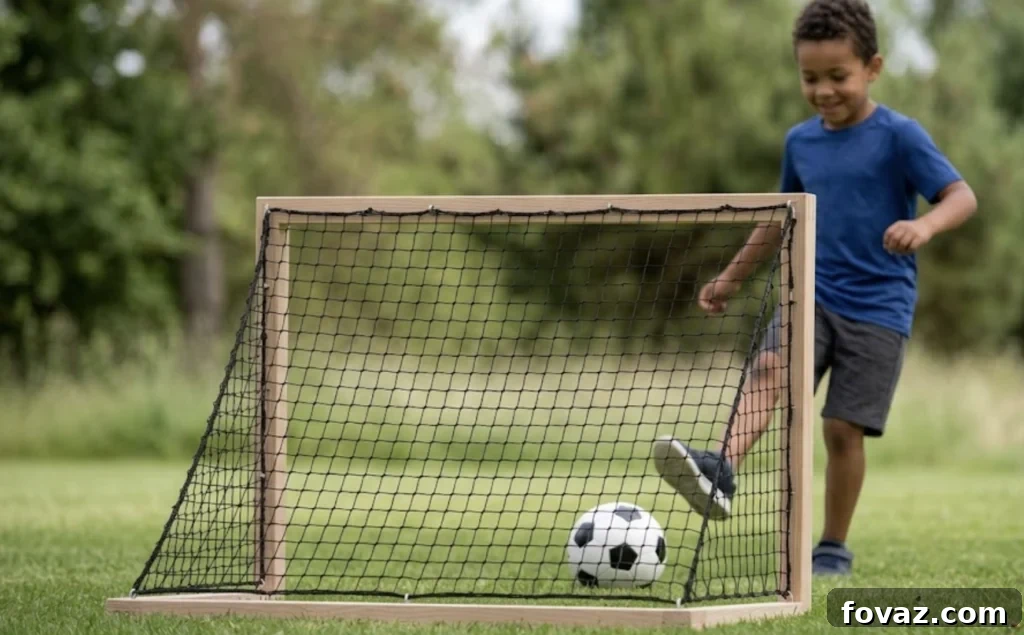
Store-bought plastic goals often fail quickly under real play. A robust, wooden sports goal built from 2×4 lumber holds up to power shots and rough use, and it’s easy to repair or reinforce as kids grow. This build teaches basic cutting and joinery while delivering hours of outdoor activity.
- Preview Step (Diagonal Miter Cuts): Set a miter saw to about 23°. Make a 23° cut on one end of your third 2×4, measure 39-1/8 inches from the long point, and make a parallel 23° cut on the opposite end to create the angled side brace. Accurate layout here ensures a square, sturdy frame.
This build is great for practicing measuring, cutting, and fastening while producing a durable backyard staple the whole family can use.
2. How to Build a Wooden Sword Toy for Kids | Woodworking Projects
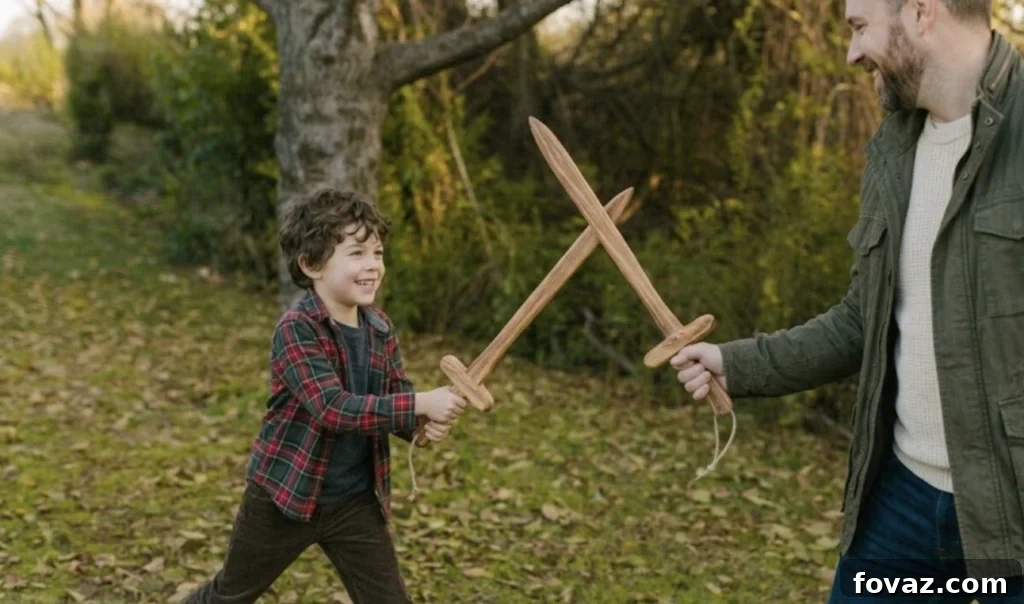
A wooden sword is a classic imaginative-play item that lasts longer and looks better than cheap plastic. Use Baltic Birch plywood or a dense hardwood for a smooth, durable blade. This project is forgiving, ideal for beginners, and perfect for using scrap wood from other builds.
- Preview Step (Pre-Drilling Decorative Notches): Clamp the guard pieces and use a 15 mm Forstner or 5/8-inch spade bit to drill clean, centered notches for decorative details rather than trying to cut tiny half-circles with a jigsaw.
Finish with sanded edges and a child-safe oil or wax to keep the sword both safe and attractive.
3. DIY Ring Toss Game Your Family Will Enjoy | Woodworking Projects
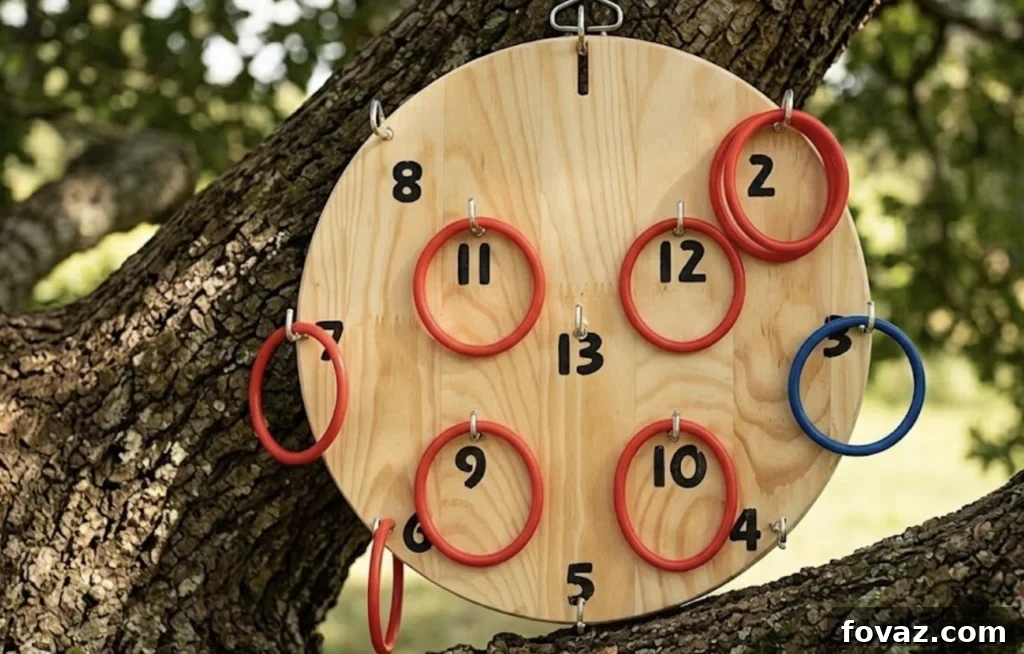
Ring Toss (Hookey) is a simple, social game that’s a hit at barbecues and family gatherings. Building a wooden board for ring toss is an easy woodworking exercise and gives you a reliable, attractive game board that can be customized with paint or stain.
- Preview Step (Precision Layout Mapping): Find the center of the board and mark concentric circles—an inner circle at 2.5-inch radius and an outer one at 5.0 inches—to position hooks precisely so rings land consistently.
This project is ideal for teaching layout, drilling, and finishing techniques while producing a fun family classic.
4. DIY Pucket Game for the Whole Family | Woodworking Projects
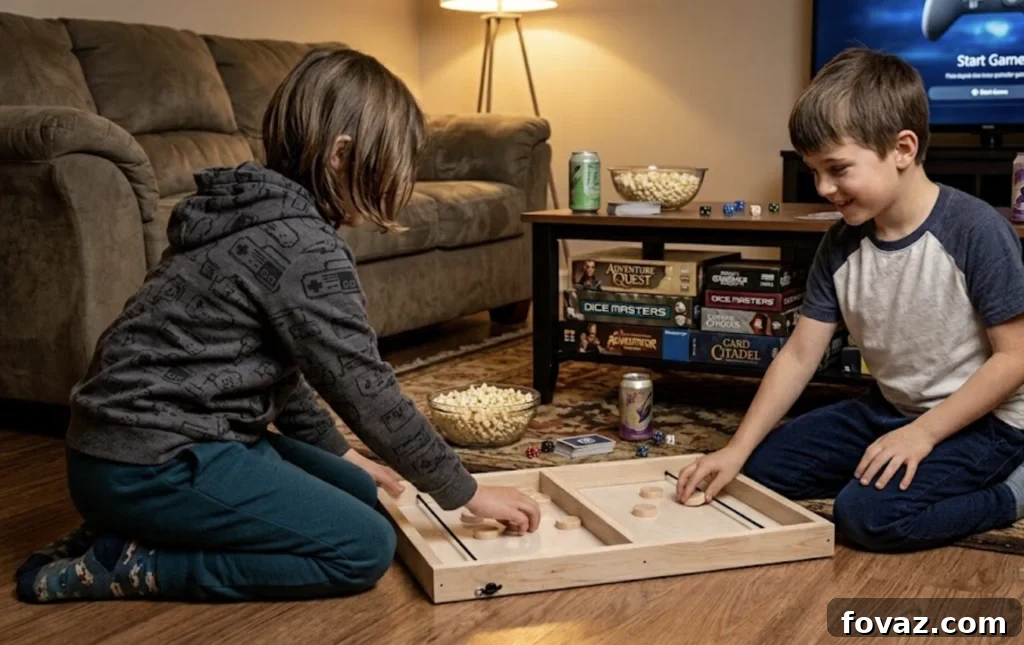
Pucket, also known as Sling Puck, is a frantic, competitive tabletop game that tests speed and coordination. It’s compact, portable, and simple to build. The core challenge is cutting a clean center gate and ensuring smooth puck movement.
- Preview Step (Preparing the Center Gate): Measure and mark precisely where the gate will be. Notch a 3/4-inch deep slot using a jigsaw or router to allow pucks to pass smoothly—accuracy here keeps play fair and fast.
Pucket teaches fine motor control and offers fast, replayable fun for kids and adults alike.
5. How to Build a DIY Balance Rocker
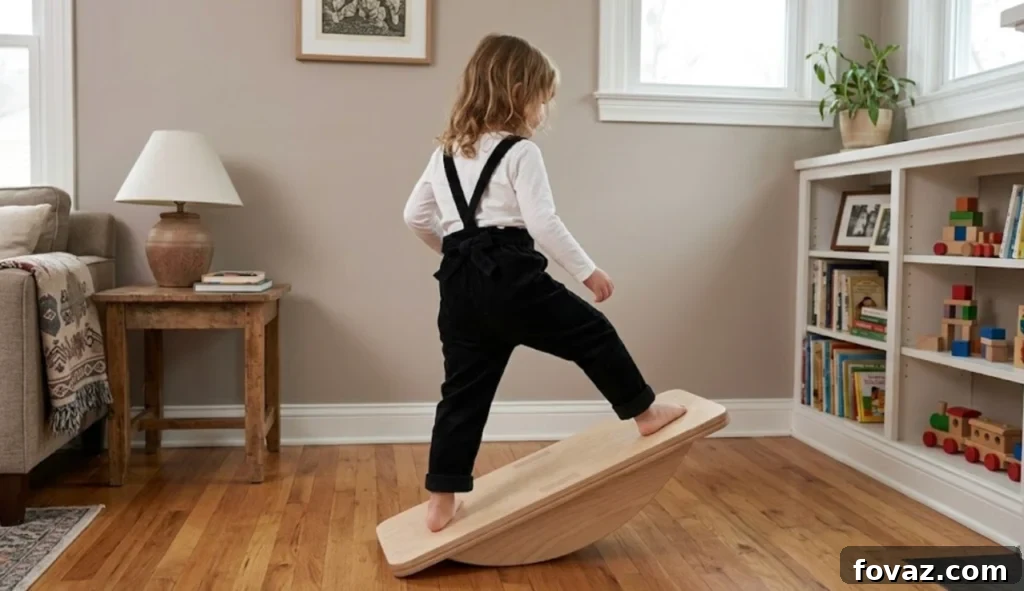
A wooden balance rocker is a versatile, open-ended toy that develops balance, coordination, and core strength. Designed with a staggered runner layout, this rocker encourages multi-directional movement and imaginative play.
- Preview Step (Underside Staggered Layout): Flip the top deck and mark runner centers carefully—position the front runner center 30.0 cm from the left edge and the rear runner center 30.0 cm from the right edge for a dynamic, balanced configuration.
This build teaches careful measurement, sanding, and finishing while producing a toy that supports physical development.
Workshop Essentials
Before you start cutting, make sure you have these basics on hand. Running out of a critical item mid-build wastes time and momentum.
- Sandpaper in a range of grits for smoothing edges and surfaces
- Heavy-duty wood clamps to hold glue-ups tight and square
- Premium wood glue (exterior grade if you plan to use pieces outdoors)
- A precision combination square for accurate layout and squaring
- A multi-purpose drill and driver bit set to handle common fasteners
- Basic safety gear: eye protection, hearing protection, and dust mask
Quick Poll
Help us pick what family-friendly woodworking project to write about next
Which topic would you like to see next? Vote for one of these ideas and leave a comment with suggestions:
- Wooden board games for family game night
- Kid projects that teach woodworking skills
- Little builds for the room, desk, or backpack
Did you try any of these plans? Share your build stories and suggestions in the comments below—your feedback helps shape future projects.