
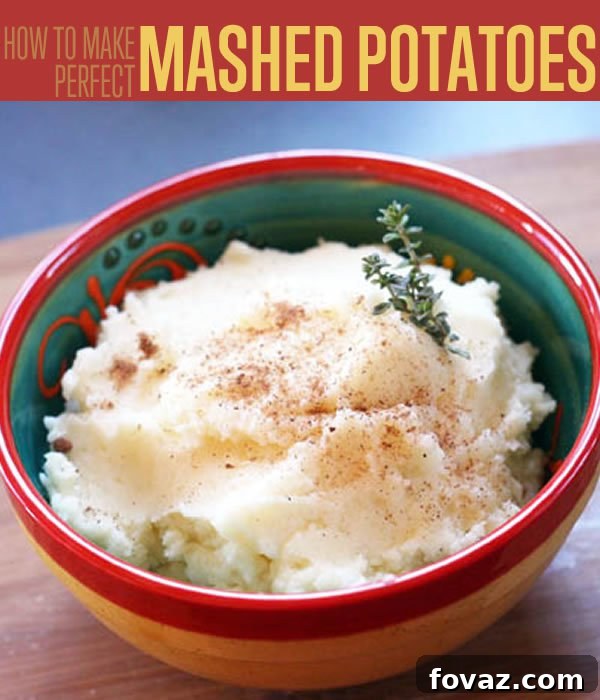
There are few dishes as universally beloved and comforting as a generous serving of mashed potatoes. This culinary classic evokes warmth, nostalgia, and the joyous spirit of togetherness. For many, including myself, it’s a quintessential holiday staple, gracing Thanksgiving tables and family gatherings with its creamy, rich presence. Smothered in homemade gravy, perfectly fluffy mashed potatoes are often the first dish to disappear, a testament to their irresistible appeal. Yet, beyond their elegance for special occasions, they are remarkably versatile and simple enough to elevate almost any everyday meal.
The charm of mashed potatoes transcends age. I’ve witnessed firsthand how even the pickiest eaters, like my toddler, find immense comfort in them. On a recent cruise, amidst a bewildering array of new and unfamiliar dishes, his quest for a taste of home led him directly to the familiar embrace of mashed potatoes. It’s a dish that reassures, reminding us of home-cooked goodness and cherished memories. This enduring popularity is no accident; it’s a reflection of their simple perfection.
While convenience might tempt you to reach for a box of instant flakes, there’s an undeniable truth: homemade mashed potatoes are infinitely superior. The depth of flavor, the velvety texture, and the sheer satisfaction of creating something so delicious from scratch simply cannot be replicated by a dehydrated substitute. And the best part? Making them yourself is surprisingly easy, requiring just a handful of ingredients and a straightforward process. Once you experience the difference, you’ll wonder why you ever considered the boxed version.
Another fantastic advantage of this humble dish is its make-ahead potential. If your busy schedule leaves little room for last-minute meal prep, you can prepare your creamy mashed potatoes in advance. Simply cover them tightly and store them in the refrigerator, ready to be reheated in the oven or on the stovetop when needed. A splash of extra milk or cream during reheating will restore their luscious consistency, making them perfectly fresh for your meal. So, whether you’re planning a grand feast or a simple weeknight dinner, homemade mashed potatoes fit seamlessly into your culinary repertoire.
The Undeniable Superiority of Homemade Mashed Potatoes
What makes homemade mashed potatoes so exceptional? It all boils down to control, freshness, and the pure, unadulterated flavor. When you make them yourself, you dictate the quality of each ingredient. You choose fresh, wholesome potatoes, rich butter, and fresh cream, avoiding the additives, preservatives, and artificial flavors often found in boxed varieties. This meticulous selection results in a dish that isn’t just sustenance, but an experience – a creamy, comforting, and utterly delicious creation that nourishes both body and soul. The texture alone is a game-changer; homemade potatoes offer a fluffy, airy consistency or a rich, creamy blend, depending on your preference, something instant flakes simply can’t achieve. This commitment to quality transforms a simple side dish into a culinary highlight.
Crafting Perfection: Essential Ingredients for the Best Mashed Potatoes
Creating truly spectacular homemade mashed potatoes begins with selecting the right ingredients. Each component plays a vital role in achieving that sought-after creamy texture and rich flavor profile. Here’s what you’ll need, along with some insights into why each ingredient is key:
- 1.5 – 2 lbs. Potatoes: The foundation of your dish. While the original recipe suggests 1 lb, for a more generous serving or to ensure ample leftovers, 1.5 to 2 lbs is ideal. For the ultimate fluffy and creamy mash, starchy potatoes like Russets (also known as Idaho potatoes) are excellent due to their low moisture content and crumbly texture when cooked. Yukon Golds are another fantastic choice, offering a naturally buttery flavor and a slightly denser, creamier texture. Avoid waxy potatoes like red new potatoes for mashing, as they tend to become gluey.
- ⅓ to ½ cup Unsalted Butter: Butter is crucial for richness and flavor. Starting with ⅓ cup and adjusting to ½ cup depending on your preference will yield a truly decadent mash. Using unsalted butter allows you to control the overall saltiness of the dish more precisely. Cut it into small pieces for easier melting and incorporation.
- ¼ to ½ cup Heavy Cream or Half-and-Half: This adds luxurious creaminess and richness. Heavy cream will give you the most decadent results, while half-and-half offers a slightly lighter, yet still creamy, alternative. Like butter, having a range allows you to customize the richness.
- Whole Milk (to desired texture): Used to adjust the final consistency. Have extra on hand to gradually add until your mashed potatoes reach your ideal level of creaminess – from thick and fluffy to smooth and flowing. Warm milk incorporates more smoothly than cold.
- Sea Salt (to taste): Essential for seasoning. Don’t be shy with salt; potatoes absorb a lot of it. Season throughout the cooking process for best results.
- Freshly Ground Black Pepper and Ground Nutmeg (optional, but highly recommended): These spices elevate the flavor profile. Black pepper adds a subtle kick, while a small pinch of nutmeg introduces a warm, earthy note that complements the potatoes beautifully, a secret many chefs use to enhance their mashed potatoes.
- Optional Flavor Enhancers: Consider a clove or two of garlic boiled with the potatoes for a subtle garlic infusion, or some fresh chives or parsley for a burst of freshness when serving.
Mastering the Mash: A Step-by-Step Guide to Fluffy and Creamy Mashed Potatoes
Follow these detailed steps to create mashed potatoes that are consistently perfect, rich, and utterly delicious.
Step 1: Prepare Your Potatoes for Optimal Cooking
Begin by selecting your chosen potatoes. Peel them meticulously, removing all skin and any blemishes. Once peeled, cut the potatoes into roughly 1-inch to 1.5-inch pieces. The key here is consistency in size; uniform pieces will ensure that all potatoes cook evenly at the same rate, preventing some from becoming overcooked and waterlogged while others remain undercooked and firm. After cutting, rinse the potato pieces under cold water to remove excess surface starch. This crucial step helps prevent the final mash from becoming gluey or pasty.
Step 2: The Cold Start for Even Cooking
Place your uniformly cut potato pieces into a large saucepan. Cover them completely with cold water, ensuring the water level is about an inch above the potatoes. Starting with cold water is vital because it allows the potatoes to heat up gradually with the water, promoting even cooking from the outside in. If you were to add potatoes to boiling water, the outside would cook much faster than the inside, leading to uneven texture. Add a generous pinch of salt to the water at this stage; this seasons the potatoes from within as they cook, enhancing their flavor. Bring the saucepan to a rolling boil over high heat.
Step 3: Achieving Perfect Tenderness
Once the water is boiling, reduce the heat to a simmer, cover the saucepan partially to prevent boil-overs, and continue cooking. The simmering time will typically range from 15 to 30 minutes, depending on the size and type of your potato pieces. To test for doneness, gently poke a potato piece with a fork or the tip of a paring knife. It should slide in and out with very little resistance, indicating the potatoes are fork-tender. You should be able to easily pull a piece apart if you try. If there’s any significant resistance, they’re not quite ready and need a few more minutes. Avoid overcooking, which can lead to waterlogged potatoes that result in a bland, watery mash, or undercooking, which will leave you with lumpy, firm potatoes.
Step 4: Drain and Dry Thoroughly
Once the potatoes are perfectly tender, carefully strain all the water out using a colander. This step is more critical than you might think. For the fluffiest, non-watery mashed potatoes, it’s essential to remove as much moisture as possible. After draining, return the hot, drained potatoes to the empty saucepan over low heat for about 1-2 minutes. Shake the pan gently or stir them lightly. This “drying” step allows any residual surface moisture to evaporate, concentrating the potato flavor and preventing a soggy mash. Transfer the hot, dry potatoes to a large bowl, ready for mashing.
Step 5: Mashing for Ideal Texture
Now comes the moment of truth: mashing. For the ultimate fluffy, lump-free mashed potatoes, I highly recommend using a potato ricer. Pressing the potatoes through a ricer creates a light, airy texture with no effort, ensuring a consistently smooth result. If you don’t have a ricer, a traditional handheld potato masher works perfectly well. Mash the potatoes by pressing down firmly and working them until they are broken down to your desired consistency. Be careful not to overwork the potatoes, especially if using an electric mixer or beaters, as over-mashing can break down the starch cells too much, leading to a gluey, unappealing texture. Work quickly while the potatoes are still hot for the best results.
Step 6: Enriching with Butter and Cream
With your potatoes mashed, it’s time to add the luxurious elements. Cut your butter into small pieces (if not already softened, warm butter incorporates best) and add them directly to the hot mashed potatoes in the bowl. Follow with the measured heavy cream or half-and-half. The residual heat from the potatoes will quickly melt the butter and warm the cream. Gently blend all of these rich ingredients together using a sturdy spatula or the potato masher. The goal is to incorporate everything thoroughly without over-mixing, ensuring the butter and cream are evenly distributed throughout the potatoes.
Step 7: Adjusting to Your Perfect Consistency
Once the butter and cream are incorporated, begin adding small amounts of warm whole milk, a tablespoon or two at a time. After each addition, gently mix the potatoes until the milk is fully absorbed. Continue this process until your mashed potatoes reach your desired consistency. Some prefer a thicker, fluffier mash, while others enjoy a smoother, creamier, almost pourable texture. This gradual addition allows you to have complete control over the final product, ensuring it’s exactly to your liking.
Step 8: Seasoning to Perfection
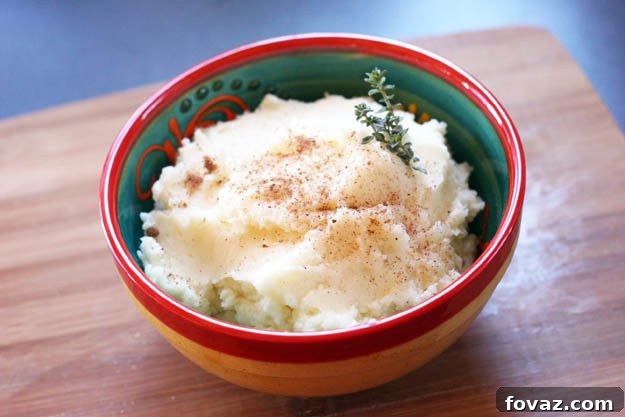
The final, and perhaps most crucial, step is seasoning. Taste your mashed potatoes and add sea salt and freshly ground black pepper to taste. Potatoes are quite bland without sufficient seasoning, so don’t be afraid to adjust until the flavors truly pop. If using, now is the time to sprinkle a little freshly ground nutmeg on top of your finished potatoes. This subtle, warm spice adds a delightful complexity that many find irresistible, reminiscent of the perfectly seasoned mash served at high-end restaurants. Serve immediately and enjoy the fruits of your labor!
Expert Tips for Mashed Potato Perfection
Achieving consistently amazing mashed potatoes is easier with a few insider tricks:
- Choose the Right Potatoes: Always opt for starchy varieties like Russets or Yukon Golds for the best texture.
- Start Cold: Place potatoes in cold water and bring to a boil; this ensures even cooking.
- Salt the Water: Seasoning the water as potatoes boil imparts flavor from the inside out.
- Don’t Overcook: Overcooked potatoes absorb too much water, leading to a watery, bland mash.
- Dry Them Out: After draining, return potatoes to the hot pot for a minute to evaporate excess moisture. This is key for a fluffy, non-soggy result.
- Warm Your Dairy: Warm milk and butter incorporate more smoothly and keep the potatoes hot.
- Don’t Over-Mash: Overworking potatoes, especially with electric mixers, can release too much starch, resulting in a gluey, pasty texture. Mash just enough until smooth.
- Taste and Adjust: Always taste your mashed potatoes before serving and adjust salt, pepper, and other seasonings as needed.
Creative Mashed Potato Variations and Flavor Boosters
While the classic recipe is sublime, mashed potatoes are a fantastic canvas for culinary creativity. Here are a few ideas to spice things up:
- Garlic Mashed Potatoes: Add 2-3 cloves of peeled garlic to the pot with the potatoes as they boil. Mash them together for a subtle garlic infusion, or roast garlic separately and mix in for a deeper, sweeter flavor.
- Herby Mashed Potatoes: Stir in a handful of freshly chopped herbs like chives, parsley, rosemary, or thyme just before serving for a burst of fresh flavor.
- Cheesy Mashed Potatoes: Fold in shredded cheddar, Parmesan, gruyere, or cream cheese when adding butter and cream for an extra layer of richness and flavor.
- Loaded Mashed Potatoes: Incorporate crispy bacon bits, sour cream, and extra chives for a hearty, indulgent side dish.
- Caramelized Onion Mashed Potatoes: Sauté onions until deeply caramelized and stir them into your finished mash for a sweet and savory twist.
- Spicy Mashed Potatoes: Add a pinch of cayenne pepper or a dash of hot sauce for those who enjoy a little heat.
- Vegan Mashed Potatoes: Substitute dairy milk with unsweetened plant-based milk (like oat or almond milk) and use a high-quality vegan butter for a delicious plant-based alternative.
Make-Ahead and Storage Solutions for Effortless Entertaining
Preparing mashed potatoes in advance can be a lifesaver, especially when hosting. Here’s how to do it and keep them tasting fresh:
Making Ahead:
1. Prepare the mashed potatoes entirely, up to the point of seasoning.
2. Allow them to cool slightly, then transfer them to an oven-safe dish.
3. Pour a thin layer of milk or cream over the top to prevent a skin from forming, or dot with small pieces of butter.
4. Cover the dish tightly with plastic wrap, then aluminum foil, to prevent air exposure.
5. Store in the refrigerator for up to 2-3 days.
Reheating Methods:
- Oven: Preheat oven to 350°F (175°C). Remove foil and plastic wrap, add a splash of milk or cream, stir gently, and recover loosely with foil. Bake for 20-30 minutes, or until heated through, stirring halfway. Add more liquid if needed.
- Stovetop: Transfer cold mashed potatoes to a large saucepan over low heat. Add a generous splash of milk or cream. Stir constantly and gently, breaking up any lumps, until heated through and smooth.
- Slow Cooker: For larger batches, place the cold mashed potatoes in a slow cooker, add a little milk or cream, and cook on low for 1-2 hours, stirring occasionally, until hot. This is excellent for keeping them warm during parties.
Freezing: While fresh is always best, mashed potatoes can be frozen. For optimal results, ensure they are rich in butter and cream, as these fats help maintain texture. Freeze in airtight containers for up to 2 months. Thaw overnight in the refrigerator and reheat using one of the methods above, adding extra liquid as needed.
Serving Suggestions: The Perfect Accompaniment to Any Meal
Mashed potatoes are incredibly versatile and pair beautifully with a wide array of dishes:
- Classic Roasts: Indispensable with roasted turkey, chicken, beef, or pork. They are the ideal vehicle for soaking up delicious pan gravies.
- Stews and Casseroles: A hearty side for beef stew, pot roast, or shepherd’s pie (often used as the topping itself!).
- Sausages and Meatloaf: A comforting accompaniment to classic comfort foods like savory sausages or a flavorful meatloaf.
- Fish and Seafood: Surprisingly, a lighter mash can complement baked or grilled fish, particularly salmon.
- Vegetarian Mains: Serve alongside roasted vegetables, lentil loaf, or mushroom Wellington.
- Creative Uses: Repurpose leftovers into crispy potato croquettes, savory potato pancakes, or even as a thickener for soups.
From holiday feasts to weeknight dinners, homemade mashed potatoes offer unparalleled comfort and flavor. Their simplicity belies their profound ability to bring joy to the table and evoke cherished memories. By following these steps and tips, you can consistently achieve fluffy, creamy, and perfectly seasoned mashed potatoes that will impress everyone at your table. So, roll up your sleeves, gather your ingredients, and embark on the delightful journey of crafting your own perfect batch of this timeless classic.