
Quick Summary: Cricut Projects To Sell
- Top Cricut products to sell include custom tumblers, vinyl decals, HTV apparel, personalized home items, and event pieces.
- Not every Cricut-made item is a smart business choice. Prioritize products with repeat buyers, clear margins, and straightforward production for a one-person operation.
- Choosing what to sell depends on your existing materials, your network, and whether the unit economics work before you invest in new equipment or inventory.
- Successful Cricut business ideas share one trait: a clear customer with a specific reason to buy, not just a visually appealing product.
- Product choice is the primary business decision. Pricing, Etsy SEO, and customer-retention systems follow from that choice.
- Sellers earning consistent revenue often master one or two products before expanding.
- Test a single product for four weeks with a real listing and real market feedback before buying additional equipment or stocking new blanks.
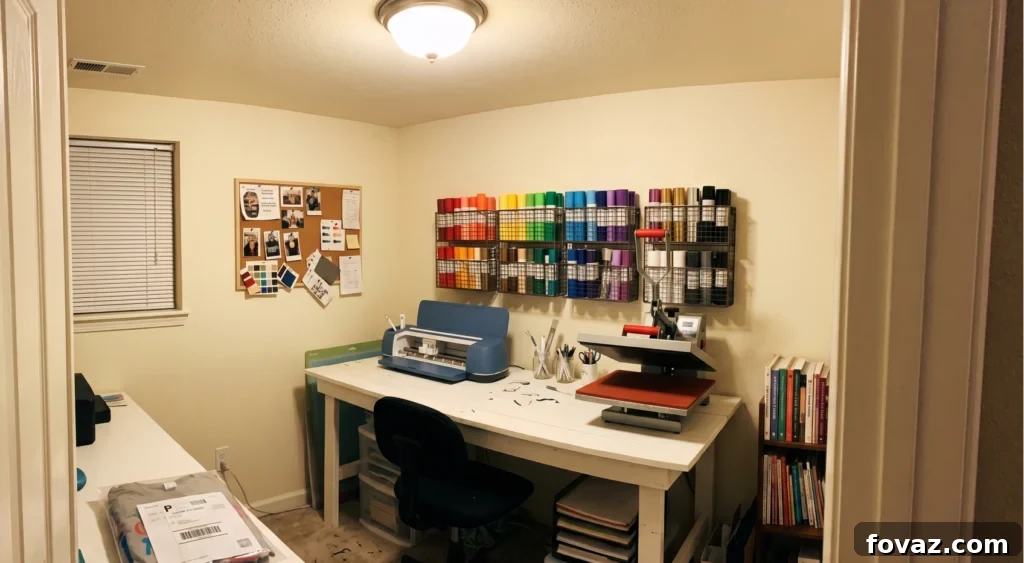
Search “Cricut projects to sell” and you’ll find very long lists: keychains, bookmarks, tote bags, pet tags, ornaments, baby onesies, door hangers, cake toppers, car decals, wine glasses, phone cases. Those lists answer the question “what can a Cricut make?” rather than the question you actually need to ask: which Cricut products sell repeatedly at a price that covers materials and time for a solo maker working from home?
This article narrows that focus. It highlights five product types that reliably convert buyers and explains why they work, who buys them, where to find those buyers, and what to consider before you commit. Read all five and then pick one to test. Trying several at once dilutes your learning and delays real progress.
Why Product Selection Is the First Business Decision, Not the Last
Many sellers start with what they enjoy making. Enjoyment matters, but it doesn’t replace the business case. A product can be fun to create and still lose money if the customer and price aren’t aligned. A practical Cricut product to sell should meet three criteria: buyers who have a clear reason to purchase, a price that covers materials and labor with a modest profit, and repeat or seasonal demand.
A Cricut can produce a huge variety of items. That flexibility is both its strength and a trap — you can waste time making products that won’t sell. Planning what to sell before you buy blanks or expensive equipment shortens the learning curve and helps you find revenue sooner.
The Five Products
1. Custom Tumblers and Drinkware Wraps
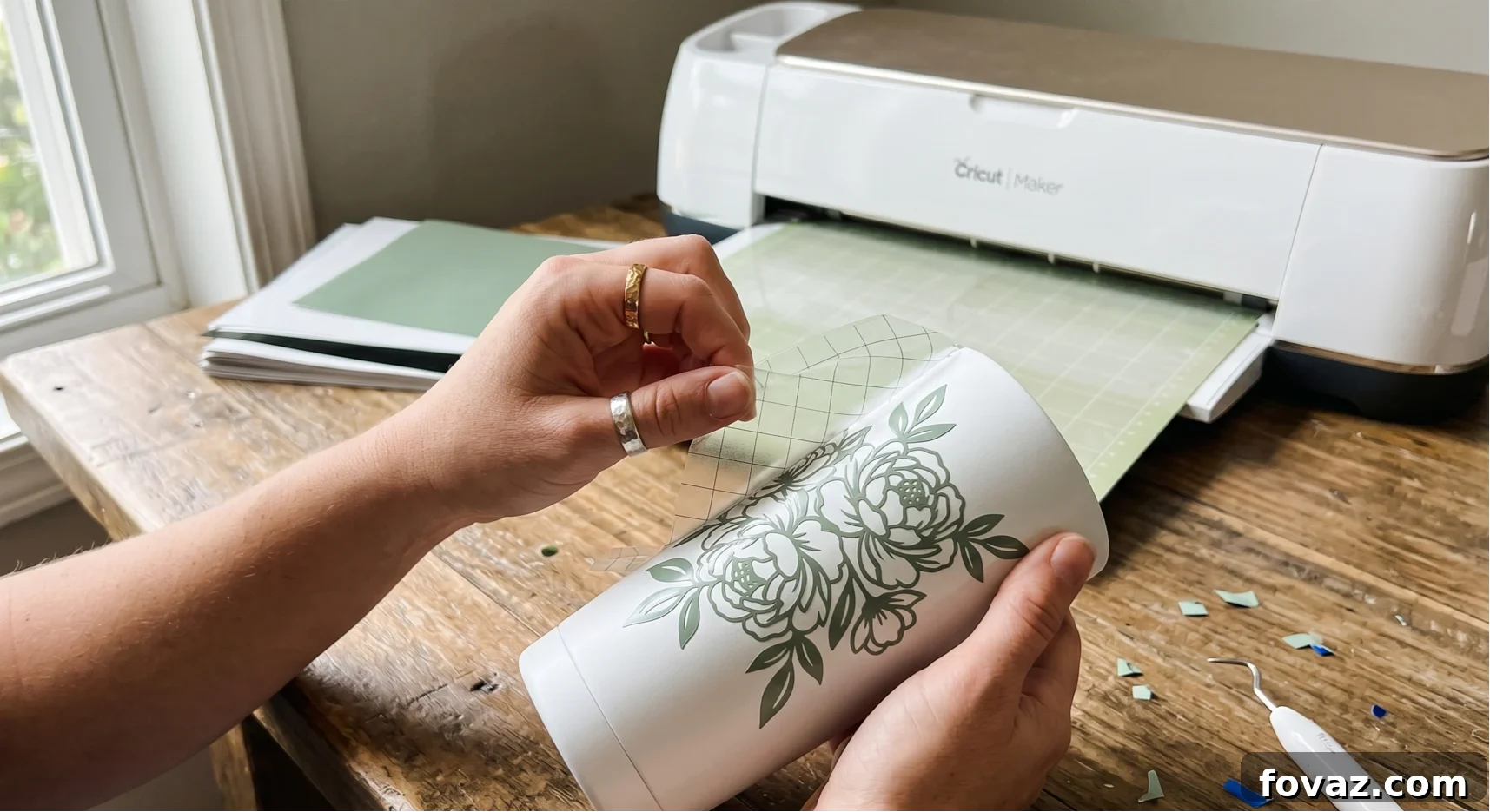
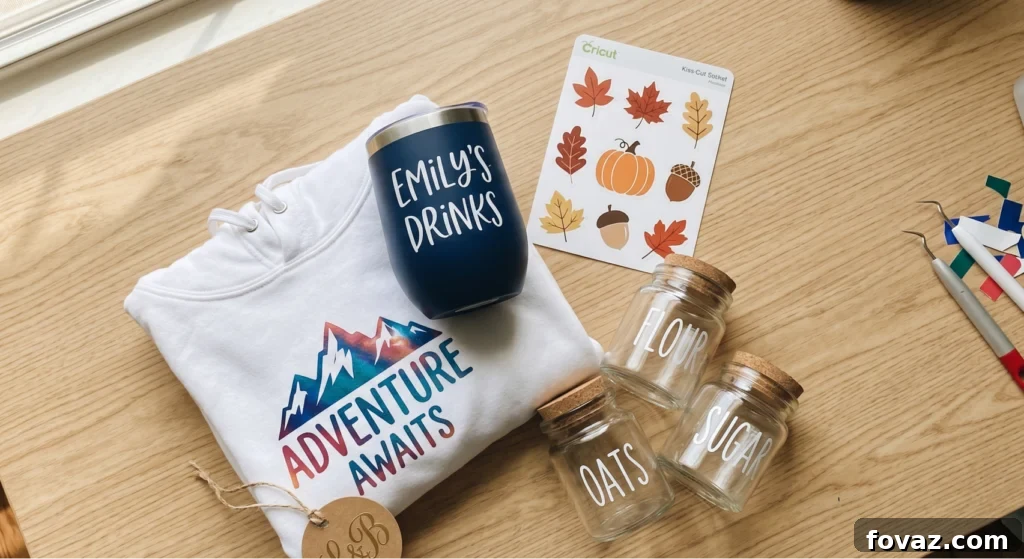
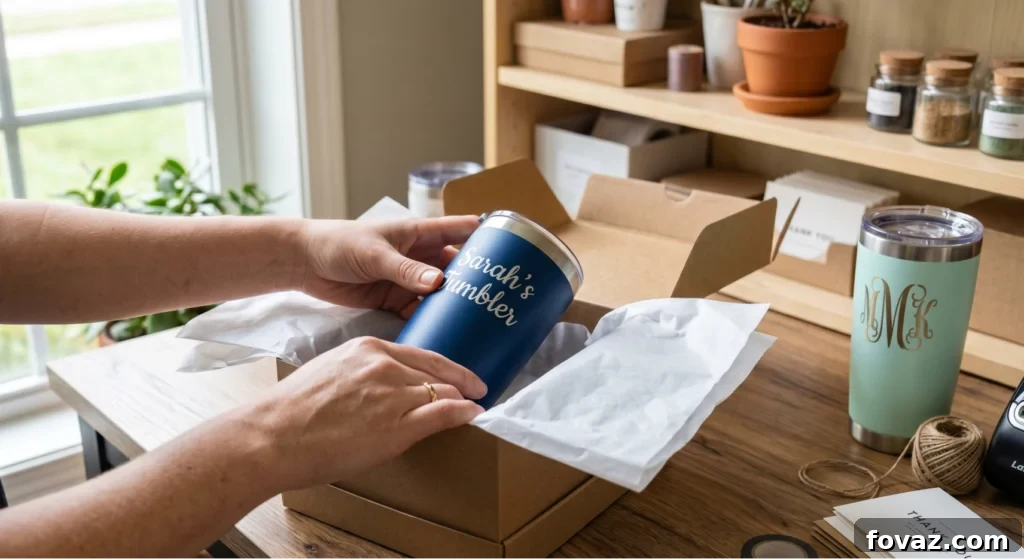
What it is: Vinyl decals or HTV designs applied to tumblers, water bottles, and similar drinkware. Personalization usually includes names, monograms, occupations, sports, or phrases.
Why it sells: Personalized drinkware is an accessible, tangible gift buyers understand immediately. A named tumbler isn’t directly comparable to mass-produced items, giving small makers a pricing advantage over bulk retailers.
Who buys it: Mostly women aged 25–55 buying gifts for birthdays, bridesmaid gifts, baby showers, teacher appreciation, and graduations. Coaches and small businesses also buy in batches. Real estate agents and other repeat corporate buyers can provide consistent, higher-margin orders.
Where to sell it: Etsy for individual buyers and direct local relationships for larger, higher-margin orders.
Before you start: Calculate margins carefully. Blank costs vary by pack size, and transfer tape, packaging, and production time affect profitability. Know your per-unit time cost before launching.
2. Vinyl Decal Sets and Custom Sticker Sheets
What it is: Cut vinyl decals or sticker sheets, either personalized (names, monograms) or themed (seasonal, hobby, branded).
Why it sells: Low production costs, durable materials like Oracle 651, and flat shipping make decals efficient to produce and ship. Themed sheets can be produced ahead of demand, reducing lead time for buyers.
Who buys it: Individuals personalizing possessions, small businesses for branding, teachers organizing classrooms, and parents buying seasonal school labels.
Where to sell it: Etsy for retail buyers; local B2B customers such as bakeries, boutiques, and salons for steady orders outside the Etsy search competition.
Before you start: Decals are competitive on Etsy. Strong photography and accurate keyworded titles are essential. Learn basic Etsy SEO before listing many products.
3. Heat Transfer Vinyl Apparel
What it is: Heat transfer vinyl designs applied to shirts, hoodies, aprons, hats, and other fabric items using a heat press.
Why it sells: Personalized and group apparel sell for predictable occasions—bachelorettes, reunions, team events—and often in quantities, raising average order value. A heat press is an investment but unlocks higher-volume, higher-price work.
Who buys it: Bachelorette parties, family reunions, sports parents, small businesses ordering branded apparel, and schools or nonprofits.
Where to sell it: Etsy for individual buyers and direct referrals or local outreach for group orders and recurring clients.
Before you start: HTV requires testing across fabric types. Stretchy fabrics respond differently than cotton. Validate every blank type to avoid ruined orders and negative reviews.
4. Personalized Home and Organizational Items
What it is: Vinyl applied to home goods for personalization or organization—address signs, kids’ name signs, pantry and spice jar labels, laundry room labels, and similar items.
Why it sells: New homeowners and parents often buy for immediate functional needs instead of waiting for a gifting occasion. Organizational products also encourage repeat purchases over time.
Who buys it: New homeowners, parents of young children, people renovating kitchens, and professional organizers buying in bulk for clients.
Where to sell it: Etsy for individual shoppers and local interior decorators or organizing services for B2B relationships.
Before you start: Be mindful of design trends. Functional labeling sells longer than trend-driven decor, so plan for refresh cycles if you follow aesthetic trends.
5. Custom Event Items
What it is: Event-specific items produced in quantity for a single occasion—wedding welcome signs, table numbers, favor tags, custom koozies, wine glass decals, and branded signage for corporate events.
Why it sells: Events come with deadlines and quantity needs, reducing price sensitivity and encouraging faster purchasing decisions. Volume orders shift the profit math in your favor compared to one-off retail sales.
Who buys it: Brides and wedding planners, party hosts, corporate event coordinators, and venue owners. Relationships with planners and venues drive repeated referrals.
Where to sell it: Etsy for research-driven brides and a strong portfolio; local planner and venue relationships for the most efficient, repeat business.
Before you start: Treat event work as high-stakes: build quality checks into your process, set conservative turnaround times, and prioritize meeting deadlines—errors on event orders are costly and hard to fix.
How to Choose the Right Starting Product
That initial pull toward one or two categories is useful, but also testable. Before committing, answer four questions:
- What materials do you already have? Start with what you own to keep costs low and feedback fast.
- Who in your network fits the buyer profile? Your fastest first sales often come from people you already know—local agents, friends planning events, or small businesses.
- How much time do you actually have? Be honest. Event work and apparel take more time than decal sheets.
- What does the math say? Cost a unit now (not future bulk pricing), add 30–45 minutes of your time at a reasonable hourly rate, and compare to what similar items with reviews are selling for on Etsy.
Common Mistakes When Selecting Cricut Products to Sell
Choosing enjoyment over buyers. You need a product you can make repeatedly and customers willing to pay for it.
Offering too many unrelated products. Spread focus prevents mastery. Start narrow and expand later.
Underpricing to get the first sale. Unsustainable pricing trains customers to expect low rates. Price correctly from the beginning.
Ignoring repeat purchase potential. Shops that earn consistent revenue prioritize products with natural reorder triggers or B2B relationships.
Buying equipment before testing demand. Validate demand first with what you own or can borrow; buy equipment when it becomes a capacity bottleneck.
How to Test One Product Idea Before You Invest Further
Pick one product. Cost out a single unit using materials you can buy today. Price to cover materials, 30–45 minutes of your time at a fair hourly rate, and packaging. Make two or three units, photograph them well, write a single Etsy listing using buyer-focused keywords, and promote the listing to three or four people in your network who match the buyer profile. Give it four weeks. One or two sales with minimal traction is a meaningful signal. If you get no sales, review your photos and listing title before assuming the product has no market.
Conclusion
Choosing the right Cricut product transforms everything that follows—pricing, SEO, customer retention, and B2B outreach. Successful sellers are those who pick one product, price it properly, and build a customer base before purchasing extra equipment or adding new lines.
Your first step: choose one product from this list, run the numbers, make three units, and list them. That focused test will tell you more than weeks of indecision.
FAQ
1. What are the most profitable Cricut projects to sell for beginners?
Custom tumblers and vinyl decal sets are among the most accessible. Tumblers offer higher per-unit prices and clear gift intent; decal sets have lower material costs and simpler production. Both categories have established Etsy demand.
2. How many Cricut products should I start with?
Start with one. Two only if they share production processes or blanks. Focusing helps you learn production, photography, and SEO faster.
3. Is Etsy still a good place to sell Cricut projects?
Yes—if you understand Etsy search. The platform has buyers, but you must match the keywords they use and present strong photos and reviews to convert.
4. How do I price Cricut products correctly?
Use current per-unit material costs, add your production time at a fair hourly rate, and include packaging and shipping. Compare your floor price to prices of established listings with reviews to confirm market fit.
5. Which Cricut products have the best repeat potential?
Corporate gifting accounts and organizational label sets offer strong repeat value. Corporate clients reorder predictably, and organizers or homeowners return for refreshes or new projects.
6. Do I need a social media following to sell successfully?
No. Many one-person shops succeed through Etsy search visibility, local B2B relationships, and repeat customers. Focus on acquiring repeat buyers rather than followers.
7. When should I buy a second machine or a heat press?
Buy equipment after you validate demand and when production capacity is actually the bottleneck. Don’t purchase gear while waiting for orders; buy to meet confirmed demand.
Poll
Craft fairs: worth it or a waste of time?
The romantic view: craft fairs build customers, offer in-person exposure, and create community. The practical view: fees, setup, teardown, and travel often reduce effective hourly earnings.
Cast your vote:
- Craft fairs are worth it. In-person exposure and local sales justify time and cost.
- Craft fairs are a waste of time. The math rarely works; sell online instead.
Share your experience in the comments. Did the numbers work for you, or did you wish you’d run the math first?