
Illuminate Your Culinary Space: The Essential Guide to Kitchen Lighting
A well-lit home is a happy home, and nowhere is this more true than in the kitchen. Often considered the heart of the house, the kitchen is a bustling hub for cooking, eating, entertaining, and even working. Given its multi-functional nature, a single light source simply won’t cut it. Effective kitchen lighting goes beyond mere illumination; it’s about blending functionality, safety, and style to create an inviting and efficient environment. If you’re looking to upgrade your kitchen’s ambiance and practicality, understanding the different types of lighting available is the first crucial step. This comprehensive guide will walk you through the three indispensable categories of kitchen lighting that every homeowner needs to consider, ensuring your culinary space shines its brightest.
Crafting the Perfect Glow: Understanding Key Kitchen Lighting Types
Designing an effective kitchen lighting scheme involves more than just picking pretty fixtures; it’s about strategically layering different types of light to serve distinct purposes. Think of it as painting with light, where each layer adds depth, functionality, and visual interest to your space. While there are countless decorative options, the underlying principles of good kitchen lighting boil down to three essential categories: general (ambient), task, and accent lighting. Each plays a vital role in transforming your kitchen from merely lit to brilliantly illuminated and perfectly functional.
1. General (Ambient) Lighting: The Foundation of Your Kitchen’s Glow
Also known as ambient lighting, this is the foundational layer that provides overall illumination for your entire kitchen space. Its primary purpose is to ensure safe navigation and general visibility throughout the room, eliminating dark corners and creating a comfortable, overarching brightness. Without adequate ambient lighting, a kitchen can feel dim, unwelcoming, and even hazardous. This type of lighting acts as the main source of light, setting the tone for the entire space and forming the canvas upon which other lighting layers are built.
When planning your general lighting, consider the size and layout of your kitchen. For larger kitchens, a combination of multiple fixtures might be necessary to achieve even light distribution. Common choices for ambient kitchen lighting include:
- Recessed Lighting (Pot Lights): Installed flush with the ceiling, these fixtures offer a sleek, unobtrusive look and can be strategically placed to provide broad, even illumination. They are incredibly popular for modern kitchens due to their minimalist aesthetic.
- Flush-Mount or Semi-Flush Mount Fixtures: These lights are mounted directly to the ceiling or hang slightly below it. They are excellent for providing widespread light and come in a vast array of styles to match any kitchen decor.
- Track Lighting: Offering flexibility, track lighting features multiple adjustable heads mounted on a track, allowing you to direct light precisely where it’s needed for general illumination or even to highlight specific areas.
- Large Ceiling Fixtures: For smaller kitchens, a single, powerful ceiling light, such as a large dome light or a chandelier (if the ceiling height allows and style fits), can serve as the primary source of ambient light.
To maximize the versatility of your ambient lighting, incorporating dimmer switches is highly recommended. Dimmers allow you to adjust the brightness level, transforming the atmosphere from brightly lit for cooking tasks to a softer, more relaxed glow for dining or entertaining. Furthermore, paying attention to the Kelvin temperature (color temperature) of your bulbs can greatly impact the mood. Warmer temperatures (around 2700K-3000K) create a cozy, inviting feel, while cooler temperatures (3500K-4500K) offer a more vibrant, energetic workspace. The goal is to create a consistent, comfortable base layer that makes your kitchen feel open and well-defined.
2. Task Lighting: Illuminating Your Work Zones for Precision and Safety
Once you have a solid foundation of ambient light, the next critical layer is task lighting. As its name suggests, task lighting is specifically designed to illuminate work areas where precision and clear visibility are paramount. Think about all the activities that happen in your kitchen: chopping vegetables on a butcher block, reading recipes, washing dishes, or stirring a pot on the stove. These activities require focused, bright light to prevent accidents and reduce eye strain.
General lighting alone often isn’t sufficient for these detailed tasks, as it can create shadows, especially when you’re standing over a countertop. Task lighting aims to eliminate these shadows by directing light directly onto the workspace. Strategic placement is key to its effectiveness. Here are some popular options for integrating task lighting into your kitchen:
- Under-Cabinet Lighting: This is arguably the most common and effective form of task lighting for kitchen countertops. LED strips, puck lights, or linear fluorescent fixtures installed beneath upper cabinets directly illuminate the workspace below, making food prep safer and more enjoyable. They banish shadows cast by overhead lighting and provide a bright, even glow where you need it most.
- Pendant Lights: Hung over kitchen islands, peninsulas, or breakfast bars, pendant lights offer both focused task lighting and a decorative element. They provide excellent direct illumination for prepping food, dining, or casual conversations.
- Recessed Spotlights: While also used for ambient lighting, smaller, strategically placed recessed lights can function as task lighting when directed at specific work zones like the sink or stove.
- Over-the-Sink Lighting: A dedicated fixture above the sink, often a small pendant or flush mount, ensures clear visibility for washing dishes and other sink-related tasks.
- Hood Lighting: Most range hoods come equipped with built-in lights, which are essential for illuminating your stovetop and ensuring you can see what you’re cooking clearly and safely.
When selecting task lighting, prioritize brightness and minimal glare. The light should be powerful enough to illuminate your work surface without creating harsh reflections or uncomfortable hotspots. Like ambient lighting, dimmable task lights offer flexibility, allowing you to adjust intensity based on the specific task or time of day. Investing in quality task lighting significantly enhances the safety, efficiency, and overall enjoyment of your kitchen.
3. Accent Lighting: Highlighting Style and Creating Ambiance
The final layer in a truly sophisticated kitchen lighting plan is accent lighting. While ambient lighting provides general brightness and task lighting focuses on functionality, accent lighting is all about aesthetics and creating mood. Its purpose is to draw attention to specific architectural features, decorative elements, or special objects within your kitchen, adding depth, drama, and a personalized touch to the space. Think of it as the jewelry of your kitchen lighting scheme.
Accent lighting can transform the feel of your kitchen, turning it from a purely functional area into a stylish and inviting space. It allows you to showcase the unique personality of your kitchen design. Modern LED lighting solutions, in particular, excel as accent lights due to their versatility, small size, and energy efficiency. Here are some creative ways to incorporate accent lighting:
- In-Cabinet Lighting: Illuminating the interior of glass-front cabinets or open shelving can showcase beautiful dishware, glassware, or decorative items. This creates a soft, inviting glow that adds warmth to the kitchen.
- Toe-Kick Lighting: LED strips installed beneath base cabinets can create a subtle, floating effect for your cabinetry and add a soft nightlight glow, enhancing safety during late-night kitchen visits.
- Display Lighting: Small spotlights or picture lights can highlight artwork, unique backsplash tiles, or decorative alcoves.
- Puck Lights (inside cabinets/shelves): Small, discrete lights can be installed to highlight specific items or add a decorative touch to otherwise plain areas.
- Cove Lighting: Hidden light strips placed in architectural coves or along the top of cabinets can bounce light off the ceiling, creating a soft, indirect glow that adds a sense of spaciousness and luxury.
Accent lighting is most effective when it’s dimmable, allowing you to adjust the intensity to suit different moods and occasions. A well-placed accent light can draw the eye, add visual interest, and contribute significantly to the overall ambiance, making your kitchen not just functional, but truly beautiful.
Integrating Layers: Creating a Harmonious Kitchen Lighting Design
The true power of kitchen lighting design lies in the intelligent integration of ambient, task, and accent lighting. Rather than viewing them as separate entities, successful kitchen illumination involves layering these three types to work in harmony. This layered approach ensures that your kitchen is not only bright enough for all activities but also aesthetically pleasing and adaptable to various situations.
Imagine a scenario: during meal preparation, you need bright ambient light for general movement and powerful task lighting over your countertops and stove. Later, as you sit down for a meal, you might dim the ambient lights, turn off the task lights, and let the accent lighting create a soft, inviting backdrop. This flexibility is what makes a layered lighting scheme so effective and why modern kitchens often incorporate multiple circuits and dimmer switches for each lighting type.
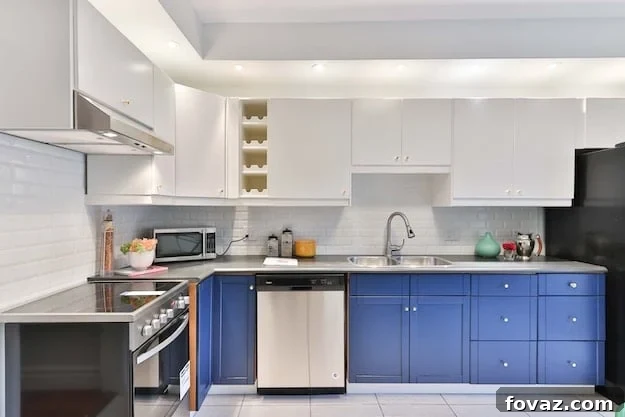
Here is a visual example of how these lighting components can work together, offering valuable tips for implementation:
By thoughtfully combining these layers, you can:
- Enhance Safety: Adequate light minimizes shadows and improves visibility, reducing the risk of cuts and spills.
- Boost Functionality: Focused task lighting makes cooking and cleanup more efficient and enjoyable.
- Elevate Aesthetics: Accent lighting highlights your kitchen’s best features, adding depth and personality.
- Create Versatility: Dimmers and layered lighting allow you to adjust the mood for any occasion, from a bright morning coffee to a cozy evening gathering.
Beyond the Basics: Advanced Tips for Your Kitchen Lighting Plan
While mastering the three core types of lighting is crucial, there are several other considerations that can further refine your kitchen lighting plan and ensure it meets all your needs and desires.
Natural Light Integration
Don’t forget the power of natural light! Windows and skylights are invaluable sources of illumination. Plan your artificial lighting to complement and supplement natural light, rather than compete with it. Ensure that darker areas, often far from windows, receive ample artificial light during the day, and that your lighting system can seamlessly transition as natural light fades.
Smart Lighting and Control Systems
Modern technology offers incredible control over your kitchen lighting. Smart lighting systems allow you to control individual lights or groups of lights from your smartphone, voice assistant, or wall-mounted keypads. Features like scheduling, dimming, and even color-changing bulbs can transform your kitchen’s ambiance with ease. Investing in a robust control system provides unparalleled flexibility and convenience.
Energy Efficiency with LED Technology
The shift to LED lighting has revolutionized kitchen illumination. LEDs are incredibly energy-efficient, have a long lifespan, and produce less heat than traditional bulbs. They are available in a wide range of color temperatures and brightness levels, making them ideal for all three types of kitchen lighting. Prioritize LED fixtures and bulbs for significant long-term savings on your energy bills and reduced environmental impact.
Choosing Fixtures that Match Your Kitchen’s Style
Lighting fixtures are not just functional; they are also key design elements. The style of your pendants, flush mounts, or under-cabinet strips should complement your kitchen’s overall aesthetic, whether it’s sleek modern, rustic farmhouse, industrial, or classic traditional. Pay attention to materials, finishes, and shapes to ensure your lighting enhances your kitchen’s visual appeal, making it truly yours.
Strategic Placement and Light Temperature
Consider the placement of each fixture carefully to avoid glare and ensure even illumination. For example, lights over a reflective surface like a glossy countertop might need diffusers. Also, maintain consistency in light temperature within specific zones or throughout the kitchen for a harmonious feel, unless you are intentionally creating different moods with accent lighting.
Conclusion: Investing in a Brilliantly Lit Kitchen
The kitchen should always be a well-lit area. It’s not just the home’s focal point; it’s a dynamic work area where safety and precision are paramount. From providing enough light to safely chop ingredients on a butcher block cutting board to highlighting your mini-bar for entertaining guests, a thoughtful lighting plan is a cornerstone of modern kitchen design. Investing in a comprehensive and layered kitchen lighting scheme – encompassing ambient, task, and accent lighting – is an investment in your home’s functionality, safety, and aesthetic appeal. By understanding these essential types and applying strategic design principles, you can create a kitchen that is not only highly efficient but also beautifully inviting and a joy to spend time in. Let your kitchen truly shine!
Discover More Kitchen Upgrades and DIY Projects
If you’re inspired to take on more kitchen projects and upgrades, explore additional ideas and resources. A well-designed kitchen is a journey of continuous improvement.
Click here for more innovative ways to upgrade your kitchen with DIY projects.
You Might Also Be Interested In…
-
9 Superb DIY Upcycled Light Fixture Projects
-
Add Light To Your Exterior With This Fantastic DIY Outdoor Lighting
-
Brighten Up Your Home With This DIY Mason Jar Lights
*Featured Image Credit