
Hammers, with their origins tracing back over 2,000 years, stand as one of humanity’s most ancient and indispensable tools. While early designs were simple striking instruments, modern hammers have evolved significantly, engineered for efficiency and specific tasks. Many varieties are designed for driving nails, but the diverse world of hammers caters to countless other applications, from demolition to intricate craftsmanship.
Among the vast array of hammers, the claw hammer holds a special place in toolboxes worldwide. It’s the quintessential tool for countless do-it-yourself (DIY) projects, home repairs, and professional carpentry. Its dual functionality – driving nails with one end and prying them out with the other – makes it incredibly versatile. This comprehensive guide will delve into the world of claw hammers, helping you understand their features, different types, and how to select the ideal one for your specific needs, whether you’re a seasoned professional or a weekend DIY enthusiast.
Our Top 3 Best Claw Hammers
Choosing the right claw hammer can significantly impact the ease and effectiveness of your DIY and professional projects. Below, we’ve carefully selected three outstanding claw hammers that consistently receive high marks for performance, durability, and user satisfaction. These top picks represent a range of designs and applications, ensuring there’s a perfect match for various needs and preferences.
1. Maxcraft 60626 8-oz. Stubby Claw Hammer – The Best Claw Hammer for Small Jobs & DIYers
The Maxcraft 60626 8-oz. Stubby Claw Hammer is an exceptional tool for those challenging, confined spaces where a full-sized hammer simply won’t fit. Its compact design doesn’t compromise on power, making it a favorite among DIYers who frequently tackle small repairs or intricate projects. This hammer’s thoughtful engineering ensures that even with its reduced length, it delivers effective striking force and comfortable handling.
Despite its small stature, the Maxcraft Stubby Hammer features a full-sized 8-ounce forged steel claw head, ensuring it can handle tasks typically reserved for larger hammers. This robust head is paired with a clever magnetic nail holder, allowing for effortless one-handed nail starting – a significant advantage when working in tight spots or overhead. The soft, non-slip, contoured handle grip provides excellent control and reduces hand fatigue, even during prolonged use. Its compact 6-inch length allows it to fit comfortably in any toolbox, kitchen drawer, or even a pocket, making it incredibly convenient for quick fixes around the house.
- Full size 8 oz. forged steel claw head ensures robust performance.
- Magnetic head feature allows for convenient one-handed nail starting.
- Soft, non-slip, contoured handle grip provides comfort and secure handling.
- Stubby 6-inch length is perfect for small jobs or accessing tight work areas.
Buy on Amazon
Pros:
- Compact Design: Ideal for tight spaces, small tasks, and easy storage.
- Magnetic Nail Starter: Facilitates convenient one-handed nail placement.
- Comfortable Grip: Non-slip, contoured handle ensures secure and comfortable use.
- Durable Head: Forged steel head provides reliable striking power.
Cons:
- Limited Leverage: Shorter handle reduces leverage for prying stubborn nails.
- Less Impact Force: Lighter weight means less striking power for heavy-duty tasks.
2. Stanley 51-624 20-Ounce Rip Claw Fiberglass Hammer
The Stanley 51-624 20-Ounce Rip Claw Fiberglass Hammer is a workhorse designed for durability, comfort, and effective performance across a wide range of carpentry and general construction tasks. Stanley is a name synonymous with quality tools, and this hammer lives up to that reputation, offering a robust solution for professionals and serious DIYers alike. Its design focuses on minimizing user fatigue while maximizing striking power and safety.
Available in various sizes, including 7, 16, and 20 ounces, the 20-ounce model provides a significant balance of power and control. A key feature is its fiberglass handle, which excels at absorbing shock and vibration, making for a much more comfortable user experience compared to traditional wood handles. The handle is further enhanced with textured rubber, ensuring a secure and comfortable grip even in damp conditions. For safety and longevity, the hammer’s head is heat-treated and rim-tempered, guaranteeing maximum durability and resistance to chipping or breaking. Its distinctive yellow color also makes it easy to spot on a busy job site. This reliable, full-sized hammer is particularly efficient for both driving and pulling nails, with a V-shaped claw gap that tapers from approximately 3/8″ to 1/16″ over a 1 3/8″ length, making it versatile for different nail sizes.
- Fiberglass handle absorbs shock and vibration effectively, reducing user fatigue.
- Textured rubber grip ensures a comfortable and secure hold.
- Minimizes vibrations and reduces breakage compared to wooden handles.
- Heat-treated and rim-tempered for enhanced durability and safety.
Buy on Amazon
Pros:
- Superior Shock Absorption: Fiberglass handle significantly reduces vibrations.
- Durable Construction: Heat-treated and rim-tempered head ensures longevity and safety.
- Secure Grip: Textured rubber handle provides comfort and prevents slipping.
- Good Value: Offers high quality at an accessible price point.
Cons:
- Weight: 20-ounce weight might feel heavy for extended use or smaller users.
- Balance: Some users might prefer a different balance point for specific tasks.
3. Estwing Hammer – 12 oz Straight Rip Claw with Smooth Face & Genuine Leather Grip – E12S
For those who appreciate classic design, superior balance, and exceptional durability, the Estwing 12 oz Straight Rip Claw Hammer with a Smooth Face and Genuine Leather Grip is an unparalleled choice. Estwing has been crafting high-quality striking tools in the USA since 1923, and their reputation for single-piece forged construction is legendary. This hammer is not just a tool; it’s an heirloom, built to last a lifetime and perform flawlessly in a variety of demanding applications.
This 12-ounce hammer is ideal for a broad spectrum of DIY projects, offering a perfect blend of power and precision. Its rip claw design provides excellent versatility, making it suitable for pulling nails, prying boards, light demolition work, and general carpentry. The longer handle, inherent to Estwing’s design, contributes to increased striking power, making your work easier and more efficient. What truly sets this hammer apart is its one-piece forged steel construction, which guarantees unmatched durability and longevity, eliminating common points of failure found in multi-part tools. The genuine leather grip, hand-sanded and lacquered, offers a timeless aesthetic combined with practical functionality. While initially a bit stiff, the leather grip molds to your hand over time, providing a comfortable and firm hold that improves with age. The precisely balanced weight allows for controlled and powerful swings, while the robust rip claw functions as an efficient lever for prying and pulling.
- RIP CLAW VERSATILITY: Ideal for pulling nails, prying, demolition, and various carpentry tasks.
- BUILT FOR THE PRO: Optimized for framers, roofers, carpenters, contractors, and serious DIYers.
- FORGED IN ONE PIECE: Crafted from a single piece of solid steel for ultimate durability.
- GENUINE LEATHER GRIP: Offers a comfortable, durable, and classic handle that improves with age.
- MADE IN THE USA: Proudly American-made since 1923 in Rockford, IL.
Buy on Amazon
Pros:
- Unmatched Durability: One-piece forged steel construction ensures extreme longevity.
- Excellent Balance: Precisely weighted for powerful and controlled swings.
- Versatile Rip Claw: Great for prying, demolition, and general use.
- Classic Aesthetic: Genuine leather grip offers timeless style and comfort.
- Made in USA Quality: Renowned for superior craftsmanship.
Cons:
- Initial Grip Break-in: Leather grip might be slightly slippery until broken in.
- Handle Thickness: Some users with smaller hands might find the handle a bit thick.
Claw Hammer Buying Guide: Key Factors to Consider
While often seen as a simple tool, selecting the right claw hammer involves understanding several critical factors. A well-chosen hammer can be a joy to use, making tasks quicker and less fatiguing, while a poor choice can lead to frustration and inefficiency. This section will guide you through the essential considerations when investing in a new claw hammer.
1. What is the Ideal Weight and Length of a Claw Hammer?
The weight and length of a claw hammer are perhaps the most crucial factors influencing its performance and your comfort. Hammers are typically categorized by their head weight, which directly correlates to the impact force they can deliver. A heavier head will impart more energy into each strike, making it more effective for driving larger nails or breaking tough materials. Common claw hammer weights range from 8 ounces for light-duty tasks to 20 or even 28 ounces for heavy-duty framing.
Equally important is the hammer’s handle length. Basic physics dictates that a longer handle allows for a greater swing arc and, consequently, a higher velocity at impact. This translates to more generated energy and a more powerful blow. Therefore, a heavy head combined with a long handle typically offers the maximum amount of impact force. However, more power isn’t always better. For delicate work or tasks in confined spaces, a lighter, shorter hammer is often preferred as it offers better control and reduces arm fatigue. A large, heavy hammer in a small space can be unwieldy and tiring. Always consider the primary types of projects you’ll be undertaking to strike the right balance between power, control, and energy efficiency.
2. The Material Used in Making the Handle and Overall Construction
The construction and material of a hammer’s handle significantly impact its durability, shock absorption, and user comfort. Traditionally, hammers featured wooden handles, prized for their natural shock absorption and classic feel. Today, however, you’ll find a wider array of materials:
- Wood Handles (e.g., Hickory): Offer excellent shock absorption and a comfortable, traditional feel. They can, however, be susceptible to breaking if misused or exposed to moisture.
- Fiberglass Handles: Increasingly popular, fiberglass handles provide superior durability and excellent vibration dampening. They are generally lighter than steel handles and less prone to breakage than wood.
- Steel Handles: Often found in one-piece forged hammers (where the head and handle are a single piece of steel), these offer the ultimate in strength and durability. While they can transmit more vibration, many are equipped with advanced grip materials to mitigate this.
Beyond the core material, consider the grip. Many modern hammers incorporate rubberized or composite grips that are ergonomically designed to be non-slip, shock-absorbing, and comfortable, reducing hand fatigue and improving safety. For hammers with separate heads and shafts, ensure the connection is robust and secure, ideally epoxy-bonded for long-term reliability.
3. Between the Rip and the Curve Claw Hammer: Which is Best?
The claw end of a hammer is its defining feature, and it comes in two primary configurations: the rip claw (also known as straight claw) and the curved claw. Your choice between these two largely depends on the primary tasks you intend to perform.
- Curved Claw Hammer: This is the more common type for general carpentry and home use. The distinct curve of the claw provides superior leverage for pulling nails, making it exceptionally efficient for extracting fasteners with minimal effort. It acts as a fulcrum, allowing you to rock the hammer back and lift the nail easily.
- Rip Claw Hammer (Straight Claw): Characterized by its straighter, less curved claw, the rip claw hammer is often considered a multi-tool. While still capable of pulling nails, its straighter profile offers less leverage than a curved claw. However, this design excels in other areas: it’s ideal for prying apart boards, demolition work, splitting wood, and even light digging. Its straight design can also be useful for marking or scoring lines on materials. For heavy-duty tasks where versatility beyond nail pulling is needed, a rip claw is often preferred.
Ultimately, neither is definitively “better”; they are designed for different strengths. If your main concern is efficient nail extraction for finishing work or everyday repairs, the curved claw is a fantastic choice. If you’re frequently involved in remodeling, framing, or tasks requiring prying and demolition, the rip claw hammer’s multi-purpose design will serve you better.
4. Hammer Face Type: Smooth vs. Milled
The striking face of a claw hammer also comes in two main types, each suited for different applications:
- Smooth Face: Most claw hammers for general use feature a smooth, polished face. This type is ideal for finishing work, as it minimizes the risk of marring or leaving marks on the surface of the wood or other materials you’re working with. It’s the preferred choice when aesthetics are important.
- Milled Face (Waffled/Serrated): Framing hammers and some demolition hammers come with a milled or waffled face. This textured surface provides a better grip on the nail head, significantly reducing the chance of the hammer slipping off the nail and potentially damaging the surrounding material or, more importantly, your hand. While excellent for driving nails quickly and securely, it will leave distinct waffle marks on the material if it misses the nail head.
5. Brand Reputation and Warranty
Investing in a hammer from a reputable brand often translates to better quality, consistent performance, and reliable customer support. Established brands like Stanley, Estwing, Vaughan, and Milwaukee have decades of experience in tool manufacturing and are known for their rigorous quality control. Additionally, check for warranty information. A good warranty reflects the manufacturer’s confidence in their product and provides peace of mind for your investment.
6. Budget Considerations
Claw hammers are available across a wide price range. While it’s tempting to opt for the cheapest option, remember that a hammer is a foundational tool that, if well-chosen, can last for many years. A slightly higher investment in a quality hammer can pay dividends in terms of durability, comfort, and performance, preventing the need for frequent replacements or struggling with an ineffective tool. Balance your budget with your anticipated usage and the importance of the features discussed above.
Understanding Different Hammer Types (Beyond the Claw)
While this guide focuses on claw hammers, it’s beneficial to understand that the world of hammers is vast and specialized. Each type is designed for a unique purpose, highlighting the importance of using the right tool for the job. Recognizing these distinctions can help you appreciate the versatility of the claw hammer and when other tools might be more appropriate. Here’s a brief overview of other common hammer types:
- Framing Hammer: Larger and heavier than a standard claw hammer, with a longer handle for maximum leverage and driving large nails into tough lumber. Often features a milled face.
- Shingler’s Hammer: Specifically designed for roofing, it has a sharpened blade for cutting shingles and a waffle face for driving nails.
- Drywall Hammer: Used for installing and removing drywall, often featuring a serrated face and a hatchet-like blade for scoring and cutting drywall.
- Ball Peen Hammer: Primarily used for shaping and bending metal, as well as striking punches and chisels. It has a round peen on one side and a flat face on the other.
- Bricklayer’s/Tilesetter’s Hammer: Features a chisel-like peen for cutting bricks or tiles and a flat face for setting them.
- Rubber Mallet: Designed for striking surfaces without causing damage or marring, often used for assembling delicate pieces, setting tile, or woodworking.
- Drilling/Engineering Hammer: A short-handled, heavy hammer used for striking cold chisels, star drills, and other hardened tools, typically in demolition or masonry.
- Sledgehammer: A heavy, long-handled hammer used for demolition, driving stakes, or breaking concrete, designed for maximum impact force.
This diverse range illustrates that while a claw hammer is incredibly versatile, specialized tasks may benefit from a hammer designed specifically for that job. Understanding these differences empowers you to build a more effective tool collection for any project.
Specific Types of Claw Hammers
The claw hammer is perhaps one of the most recognized and essential tools in any household or professional toolkit. Distinguished by its dual-purpose head—a striking face on one side and a V-shaped claw on the other—it excels at both driving and extracting nails. Claw hammers typically range in weight from a light 8 ounces (225 grams) up to 20 ounces (570 grams) or more, with 16 ounces (450 grams) being a widely popular and versatile choice. The shaft can be made from steel, fiberglass, or hickory, and the handle grips vary from basic rubber to advanced anti-shock materials. As we discussed, the claw itself comes in two main styles:
-
Curve Claw Hammer
The curved claw hammer is the archetypal hammer that comes to mind for most people. Its distinctive curved claw is engineered to provide maximum leverage, making it exceptionally efficient for pulling nails out of wood with minimal effort. This design allows the user to roll the hammer back, using the curve as a fulcrum to amplify the pulling force. It’s the go-to choice for general carpentry, woodworking, and everyday home repairs where nail removal is a frequent task. Typically weighing between 16 to 20 ounces, it strikes a good balance between striking power and ease of nail extraction. Handles are commonly made from wood, steel, or fiberglass, often with ergonomic grips for comfort.
-
Rip Claw Hammer (Straight Claw)
The rip claw hammer, also known as a straight claw hammer, features a less pronounced curve, or sometimes a completely straight claw, designed for different applications. While it can still pull nails, it offers less leverage than a curved claw. However, its straight design makes it an invaluable multi-purpose tool for tasks beyond simple nail pulling. Rip claws are excellent for prying apart wooden boards, splitting wood, light demolition work, and even as a makeshift digging tool in a pinch. Its robust and straighter profile is better suited for aggressive tasks. These hammers usually range from 16 to 25 ounces, providing significant striking power for framing and construction. Like curved claw hammers, they come with various handle materials, including wood, steel, or fiberglass, often with advanced grip technologies.
Having a reliable hammer is akin to having a trusted assistant. The impact of a high-quality hammer on your projects, whether in terms of efficiency, comfort, or the quality of your work, cannot be overstated. This guide aims to equip you with the knowledge to make an informed decision, ensuring you select the ideal claw hammer for all your DIY and professional endeavors.
How to Choose the Best Claw Hammer
Despite the apparent simplicity of a claw hammer, a surprising number of features play a crucial role in determining its suitability for your specific projects. While personal preference plays a significant part—and trying out different hammers before committing is always recommended—understanding the metrics that define a hammer’s effectiveness will greatly aid your selection process. Buyers today have the choice between traditional hammer designs, which prioritize classic materials and feel, and more advanced modern designs that incorporate ergonomic innovations and cutting-edge materials.
To help you navigate this choice, here are the key considerations to keep in mind when selecting the best claw hammer:
- Identify Your Primary Use: Will you primarily be driving nails for finishing work, or do you need a hammer for demolition and prying? This will heavily influence your choice between a curved or rip claw, and the ideal weight.
- Consider the Weight: As discussed, heavier hammers deliver more powerful blows but can be fatiguing. Lighter hammers offer more control for precision work. Match the hammer’s weight to the intensity of your common tasks.
- Evaluate Handle Length: A longer handle provides greater leverage and striking force, crucial for larger nails or heavier work. A shorter handle is better for control and working in confined spaces.
- Assess Handle Material and Grip: Look for a handle material (wood, fiberglass, steel) that offers a good balance of durability and shock absorption for your comfort. The grip itself should be non-slip and ergonomic, fitting comfortably in your hand to reduce fatigue and enhance safety.
- Choose the Right Claw Type: If efficient nail removal is paramount, a curved claw is your best bet. If versatility, prying, and light demolition are more frequent, a rip claw will serve you better.
- Decide on the Face Type: For projects where cosmetic finish matters, a smooth face is essential to avoid marring surfaces. For rough framing or where maximum striking grip is needed, a milled (waffle) face can be beneficial, but be aware it will leave marks.
- Examine Overall Construction: One-piece forged hammers (head and handle from a single piece of steel) are known for their exceptional durability. Hammers with separate heads and handles should have a secure, well-engineered connection.
- Ergonomics and Balance: Hold the hammer and feel its balance. A well-balanced hammer feels natural in your hand, allowing for smooth, powerful, and controlled swings without excessive strain.
By carefully considering these factors, you can move beyond a superficial choice and select a claw hammer that not only meets your immediate needs but also provides lasting value and enhances your efficiency on countless projects.
Conclusion
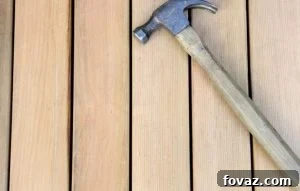
The humble claw hammer, with its enduring design and indispensable functionality, remains a cornerstone of any effective toolkit. Whether you’re a seasoned carpenter, a dedicated DIYer, or simply need a reliable tool for occasional home repairs, selecting the right claw hammer can significantly enhance your efficiency and enjoyment of the task at hand. By understanding the nuances of weight, length, handle materials, and the distinct advantages of rip versus curved claws, you empower yourself to make a truly informed decision.
As you embark on your quest for the perfect claw hammer, remember that the “best” hammer is ultimately subjective – it’s the one that feels right in your hand and is best suited for the specific DIY projects you have in mind. Consider factors like the hammer’s face type; for instance, a smooth face is often preferred by DIYers to avoid marring surfaces, while a straight rip claw hammer offers excellent general-purpose versatility. The market is abundant with diverse options, making it crucial to take your time. Don’t hesitate to try out different models and feel their balance and grip before making your final selection. Invest wisely, and your chosen claw hammer will undoubtedly become a reliable companion for years of successful building, repairing, and crafting.