
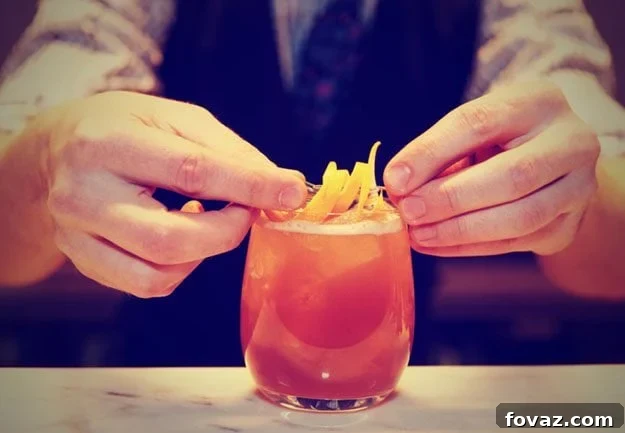
Are you passionate about crafting exceptional cocktails? Eager to explore innovative flavor combinations? It’s time to introduce a transformative ingredient: tea! Unlocking a world of unique and easy cocktail recipes, tea is revolutionizing home mixology and professional bars alike.
Mastering the Art of Tea Cocktails: 7 Essential Tips for Easy & Delicious Recipes
The contemporary cocktail scene is more vibrant and imaginative than ever before. What began with a nostalgic resurgence of Prohibition-era speakeasies and meticulously crafted classic drinks has evolved into a boundless exploration of flavors, ingredients, and techniques. Bartenders and home enthusiasts alike are constantly pushing boundaries, seeking the next big taste sensation to captivate the palate.
Amidst this exciting evolution, one ingredient has subtly yet powerfully emerged as a game-changer: tea. Far from being relegated to a comforting hot beverage, tea offers an astonishing spectrum of aromas, complexities, and natural notes that can elevate any cocktail from good to truly extraordinary. Whether you’re a seasoned mixologist or an aspiring home bartender looking to impress, incorporating tea into your drinks provides an unparalleled opportunity to expand your flavor horizons and create truly memorable libations.
If the idea of infusing your favorite spirits and mixers with the delicate, bold, or aromatic essence of tea excites you, then you’re in the right place. This guide is designed to empower you with the knowledge and techniques needed to craft exquisite tea-centered cocktails. Here are seven essential tips to ensure your tea-based creations are consistently top-notch, offering a delightful twist on classic recipes and inspiring entirely new concoctions.
SEE ALSO: How To Make Herbal Tea
1. Prioritize Premium Quality Tea
Just as a gourmet dish begins with the finest ingredients, an exceptional cocktail demands a foundation of superior quality. When it comes to tea-based drinks, this principle holds especially true. The nuances of your chosen tea will define the character of your cocktail, making it paramount to start with the best possible leaves or bags. Low-grade teas often possess flat, one-dimensional, or even bitter notes that no amount of expert mixing can mask or overcome. Conversely, high-quality teas boast vibrant flavors, rich aromas, and a distinct character that will truly shine in your final creation.
Consider the vast world of tea available: bold black teas like Assam or Earl Grey; delicate green teas such as Sencha or Gunpowder; aromatic Oolongs; light and refreshing white teas; or a myriad of herbal infusions like hibiscus, peppermint, or chamomile. Each offers a unique flavor profile, from earthy and malty to floral, citrusy, or spicy. Opt for organic, loose-leaf teas from reputable purveyors whenever possible. These often provide a more potent and nuanced flavor compared to standard tea bags, which can sometimes contain fannings and dust rather than whole leaves. Investing in premium tea ensures that every sip of your cocktail delivers a truly refined and delightful experience, setting the stage for mixological success.
2. Master the Art of Ratio and Strength
Once you’ve selected a truly exceptional tea, the next critical step in crafting a balanced and flavorful tea cocktail is to perfect the ratio of tea to alcohol. Unlike traditional cocktails where water is often a diluting agent, with tea, it becomes an integral flavor component. To ensure your tea’s essence isn’t lost amidst the other ingredients, particularly the spirits, it’s generally advisable to start with a double-strength brewed tea. This means using twice the amount of tea leaves or bags for the same volume of water you would typically use for a standard cup of tea, or brewing for a slightly longer duration.
A good starting point for your tea-to-alcohol ratio is four parts double-strength tea to one part spirit. This formula provides a robust tea base that can stand up to the alcohol without being overwhelmed, allowing the tea’s unique notes to contribute significantly to the cocktail’s overall profile. Whether you’re mixing with crisp vodka, aromatic gin, rich bourbon, or spiced rum, this foundational ratio offers an excellent balance. From this base, you can then experiment and adjust. Perhaps a particularly strong or delicate tea requires a slight deviation, or you might prefer a more spirit-forward or tea-forward drink. Keep detailed notes on your adjustments to consistently replicate your favorite concoctions and refine your signature drinks.
3. Embrace Cold Brew and Optimal Brewing Temperatures
The temperature of the water used to brew your tea plays a pivotal role in extracting its flavors and avoiding undesirable bitterness, especially when preparing it for cocktails. While hot brewing is common, cold brewing offers a superior method for many teas destined for mixology. Cold brewing, which involves steeping tea leaves in cold or room-temperature water over an extended period, extracts fewer tannins and catechins, resulting in a remarkably smoother, sweeter, and less astringent tea concentrate. This method is particularly beneficial for delicate green teas, white teas, and even many black teas, as it prevents the tea from becoming bitter or harsh, ensuring a clean and vibrant base for your cocktail.
To cold brew, simply combine your desired amount of tea (remembering to aim for double-strength) with cold water in a sealed container and refrigerate for 8 to 12 hours, or even up to 24 hours for a stronger infusion. Taste periodically to achieve your preferred flavor intensity. For teas that benefit from a hot brew (e.g., some robust black teas or specific herbal blends), pay close attention to water temperature. Green teas, for instance, should never be brewed with boiling water, as this scorches the leaves and releases excessive bitterness; aim for around 175-185°F (80-85°C). Black teas can handle hotter temperatures, typically 200-212°F (93-100°C). By mastering brewing temperatures and embracing cold brewing, you’ll unlock the full, intended flavor spectrum of your tea, creating a superior foundation for your mixed drinks.
4. Achieve Sweetness Perfection
Sweetness is often the unsung hero in a cocktail, acting as a crucial balancing agent that rounds out sharp edges, enhances delicate notes, and creates a harmonious flavor profile. When working with tea, which offers its own complex and often subtle flavors, achieving the right level of sweetness is even more vital. Too much sugar can overpower the tea’s delicate nuances, rendering your cocktail dull and one-dimensional. Too little, and the drink might taste unbalanced or astringent. The goal is to complement the tea, not conceal it.
While simple syrup is a standard sweetener, don’t shy away from exploring other options that can add layers of flavor and complexity. Consider rich honey syrups, robust maple syrup, floral agave nectar, or even a touch of molasses for darker spirits and teas. For instance, honey pairs beautifully with floral teas like jasmine or chamomile, while maple syrup can enhance the earthy tones of a black tea paired with bourbon. Always start with a conservative amount of sweetener and add more gradually, tasting as you go. This allows you to fine-tune the balance, ensuring the tea’s unique character remains at the forefront, supported and elevated by the perfect touch of sweetness. You might even experiment with infused simple syrups – perhaps a ginger-infused syrup with green tea, or a spiced syrup with chai. The possibilities are endless, but restraint is key.
5. Select the Perfect Spirit
The choice of alcohol is paramount in any cocktail, but particularly so when featuring tea, as the spirit acts as a canvas for the tea’s flavors. While almost any type of liquor can theoretically be paired with tea, starting your tea cocktail journey with a more neutral spirit is often the wisest approach. Vodkas and gins, with their typically clean and versatile profiles, are excellent mixers because they allow the intricate notes of the tea to shine without competition. A botanical gin, for example, can beautifully harmonize with a floral tea, while a smooth vodka provides a blank slate for more delicate tea infusions.
As you gain confidence, venture into bolder spirits. Whiskeys (bourbon, rye, Scotch), rums, and even tequilas offer exciting pairing opportunities. The key is thoughtful consideration of their individual characteristics. A smoky Lapsang Souchong tea, for instance, could create a fascinating depth when paired with a peaty Scotch, while a spiced rum might find a perfect partner in a chai or cinnamon-infused tea. However, regardless of the spirit you choose, one rule remains absolute: never compromise on quality. Just as with your tea, cheap or low-quality alcohol will detract from the overall experience. A premium spirit, even a moderately priced one, will offer a smoother taste and fewer impurities, allowing the tea to truly sing in your concoction and resulting in a cocktail worthy of any discerning palate.
6. Explore the Art of Direct Spirit Infusion
Beyond simply brewing tea and mixing it with spirits, a transformative technique for creating profoundly integrated tea cocktails is direct spirit infusion. This method involves steeping tea leaves or tea bags directly into your chosen alcohol, allowing the spirit to gradually absorb the tea’s flavors, aromas, and even its subtle color over time. Unlike using brewed tea, which adds a liquid component and requires careful balancing of dilution, an infused spirit offers a concentrated, tea-flavored alcohol that can be used as a base for various cocktails, including those spirit-forward concoctions reminiscent of classic speakeasy drinks.
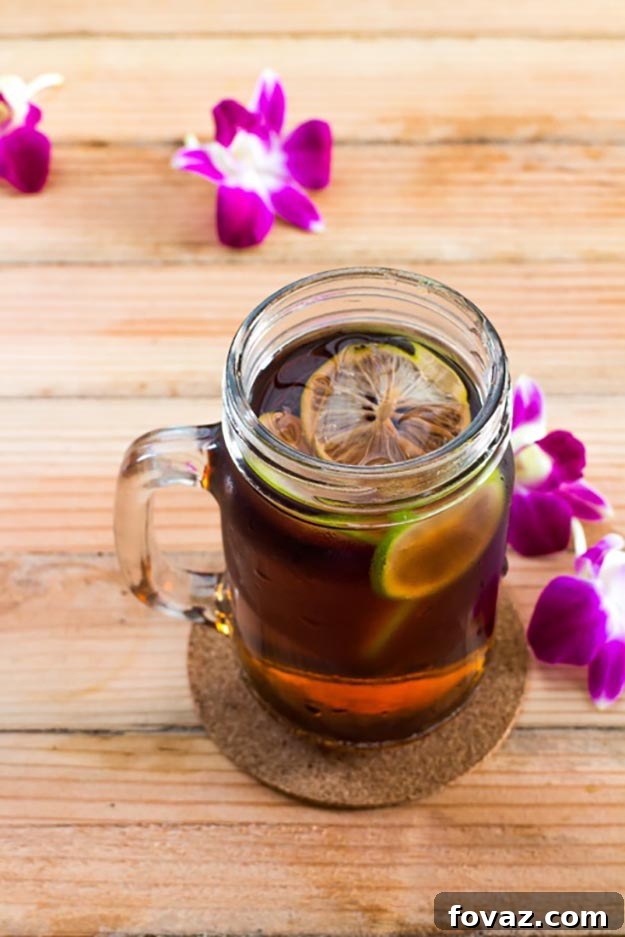
The process is straightforward: place your desired amount of tea (typically 1-2 tablespoons per 750ml bottle of spirit, but adjust to taste) into a clean, airtight container, such as a Mason jar, and fill it with your chosen alcohol. Common pairings include Earl Grey with gin or vodka, hibiscus with rum or tequila, or chai with bourbon. Seal the jar and store it in a cool, dark place, tasting the infusion every day or two. The infusion time can vary significantly, from a few hours for very delicate teas to several weeks for a deeper, more pronounced flavor. Patience is crucial; once the spirit achieves the desired flavor profile – avoid over-infusion which can lead to bitterness – strain out the tea leaves thoroughly using a fine-mesh sieve or cheesecloth. This tea-infused spirit becomes a versatile, unique ingredient, ready to elevate your cocktails with an integrated depth of flavor that can’t be achieved any other way.
7. Cultivate Patience and Embrace Experimentation
Perhaps the most invaluable ingredient in any mixologist’s arsenal, especially when venturing into the nuanced world of tea cocktails, is patience. Crafting the perfect drink is rarely a one-shot deal; it’s an iterative process of trial, error, discovery, and refinement. Every variable—from the specific tea type and its brewing temperature to the spirit choice, the sweetener, and the infusion time—contributes to the final symphony of flavors. It’s a journey, not a race.
Embrace the experimental nature of mixology. Don’t be afraid to take chances and combine flavors you might not initially expect to work together. Some of the most celebrated cocktails were born from audacious experimentation. To accelerate your learning and ensure reproducible success, make it a habit to take meticulous notes. Document everything: the exact measurements of tea, water, and alcohol; brewing times and temperatures; the type and quantity of sweetener; and your observations on the resulting taste, aroma, and mouthfeel. What worked? What didn’t? Why? These notes will be your most trusted companion as you navigate the vast possibilities of tea-based mixology.
Allow yourself the time to explore, taste, and adjust. A slight modification in a ratio or a different brewing method can dramatically alter a cocktail’s profile. Once you truly dive into this exciting realm, you’ll discover an unparalleled depth of flavor and sophistication that tea brings to spirits. This journey of patient experimentation will not only expand your cocktail repertoire but also deepen your appreciation for the intricate dance between tea and alcohol, forever changing the way you think about and enjoy mixed drinks.
The fusion of tea and cocktails opens up an exquisite frontier for flavor exploration, transforming ordinary drinks into extraordinary sensory experiences. By following these seven essential tips—from selecting premium teas and mastering brewing techniques to choosing complementary spirits and embracing the art of infusion and patience—you’re well-equipped to create sophisticated, delicious, and memorable tea-centered cocktails right in your own home.
So, gather your favorite teas, select your spirits, and embark on a delightful journey of mixology. The possibilities are as vast and varied as the world of tea itself. Prepare to impress your guests, expand your own palate, and discover a whole new dimension of cocktail craftsmanship.
If You Loved These Tea Cocktail Tips, Discover More Refreshing Ideas:
-
St Germain Cocktails | 10 St Germain Cocktail Recipes
-
12 Ghoulishly Good Halloween Cocktails
-
DIY Cocktails For Your 4th Of July Party
Don’t miss out on more inspiring DIY projects and cocktail ideas! Stay connected with our vibrant community:
Facebook |
Twitter |
Pinterest |
Instagram