
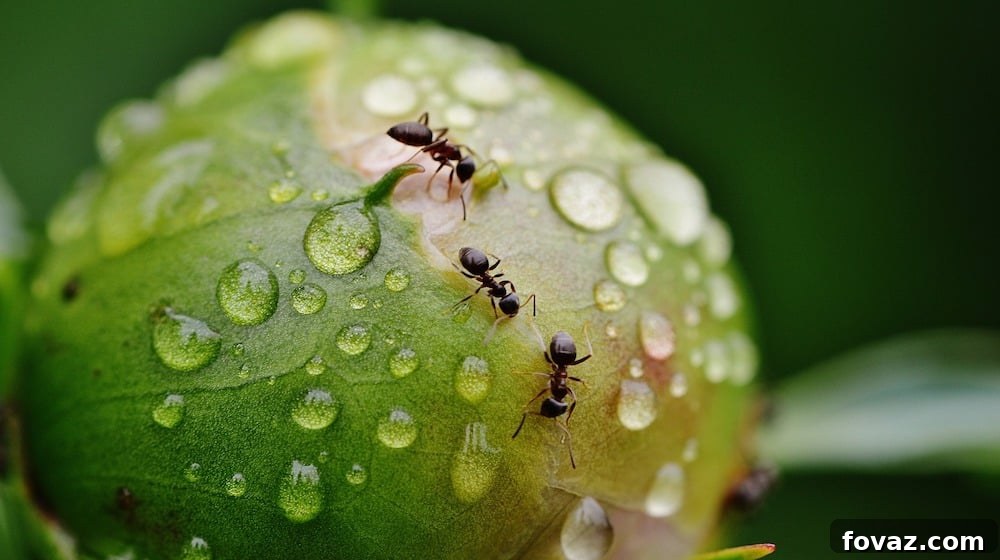
Effective DIY Ant Killer Recipes for Natural Pest Control
The arrival of warmer weather often signals the unwelcome return of ants. These tiny, industrious insects, while fascinating in nature, quickly become a nuisance when they infiltrate our homes. From scurrying across kitchen counters to invading pantries and contaminating food, ants can be incredibly frustrating to deal with. Beyond the annoyance, certain species can cause structural damage, deliver painful bites, or even harm your beloved garden plants.
Many homeowners instinctively reach for commercial pesticides to combat ant infestations. However, these products often contain harsh chemicals that pose potential risks to human health, especially for children and pets, and can harm the environment. The good news is that achieving an ant-free living space doesn’t require resorting to toxic solutions. This comprehensive guide provides a collection of tried-and-true DIY ant killer recipes and natural deterrents that are not only effective but also safe, eco-friendly, and budget-friendly. Transform your home, garden, or workplace into an ant-free zone with these simple, homemade solutions.
Your Go-To Guide for Homemade Ant Control
Controlling ants naturally involves understanding their behavior and using ingredients that either repel them, disrupt their communication, or act as a slow-acting killer to eliminate the colony. The recipes below leverage common household items to create powerful, non-toxic solutions. By addressing both existing ant populations and implementing preventative measures, you can effectively reclaim your space from these persistent pests.
1. Borax-Based Ant Bait: A Sweet Trap for Colony Elimination
Borax is a popular and highly effective ingredient in many DIY ant killer recipes. Its efficacy lies in its ability to act as a stomach poison for ants. When ingested, borax interferes with an ant’s digestive system, leading to its eventual demise. The key to its success as an ant killer is its slow action; worker ants will carry the borax-laden bait back to their colony, sharing it with the queen and other ants, which helps to eliminate the entire nest over time. This method targets the source of the problem, offering a more lasting solution than simply killing individual ants.
Ingredients You Will Need:
- 1/2 cup of sugar (attractant)
- 1/4 cup of warm water (dissolves sugar and borax)
- 2-3 tablespoons of Borax (the active killer)
Instructions for Making Borax Ant Killer:
- In a bowl, combine the sugar and warm water. Stir until the sugar is completely dissolved, creating a sweet syrup.
- Gradually add the Borax to the sugar water mixture. Stir thoroughly until the Borax is well incorporated. The consistency should be a thick, sticky liquid that ants can easily carry.
Application Methods and Safety Precautions:
This Borax mixture is potent and should be used with caution, especially if you have children or pets. While Borax is a natural mineral, it can be harmful if ingested in large quantities.
- For areas inaccessible to children and pets: You can sparingly sprinkle or spray this mixture directly onto ant trails or entry points outside your home. For indoor use, focus on areas where ants are frequently seen but are out of reach of curious hands and paws.
- Using bait stations: A safer method involves creating small bait stations. Pour a small amount of the mixture onto a shallow plate, a piece of cardboard, or even a bottle cap. Place these bait stations in areas where ants frequent, such as under sinks, behind appliances, or near window sills. This confines the bait and makes it less accessible to non-target creatures.
- Cotton ball method: For a more discreet approach, soak cotton balls or makeup pads in the Borax solution. Place these saturated cotton balls in strategic locations where you’ve observed ant activity. Ants will be attracted to the sweet bait, feed on it, and transport it back to their colony.
Monitor the bait stations and replenish them as needed. It may take several days to a week to see a significant reduction in ant activity, as the goal is to eliminate the entire colony, not just individual foragers.
2. Harnessing Nature’s Repellents: Cinnamon and Lemon Peels
Some of the most effective natural ant deterrents rely on strong, natural scents that ants find offensive. Cinnamon and lemon peels are excellent examples, acting as powerful repellents that disrupt ant trails and discourage them from entering your home. Ants navigate primarily through scent trails left by other ants, and strong odors like cinnamon can effectively erase these trails, disorienting them and preventing them from finding food sources.
Cinnamon: A Fragrant Barrier
Cinnamon’s effectiveness as an ant repellent and even an insecticide has been supported by various studies. Its essential oil, in particular, contains compounds that are highly disruptive to ants.
- Cinnamon Essential Oil Spray: To create an ant-repelling spray, add ¼ to ½ teaspoon of cinnamon essential oil to a cup of water. Mix well. Soak a cotton ball in this solution and wipe down areas where ants may enter or dwell, such as windowsills, doorframes, cracks in walls, and counter edges. Repeat this process once daily until you no longer see ants.
- Ground Cinnamon and Whole Cloves: For a simpler method, sprinkle ground cinnamon directly across ant trails or near known entry points. The strong aroma acts as a barrier. Whole cloves can also be placed in these areas for a similar effect.
Note on Usage: While cinnamon is natural, cinnamon oil spray should be used strategically in areas of infestation rather than indiscriminately throughout your home. Its strong scent can be overwhelming if overused.
Lemon Peels: Citrus Power
Similar to cinnamon, the strong citrus scent of lemon peels is highly repulsive to ants. They are disgusted by the smell and will actively avoid areas where it is present. Place fresh lemon peels directly in areas where you’ve observed ants or near potential entry points. Replace them regularly as they dry out to maintain effectiveness.
3. The All-Purpose Solution: Vinegar Power
Vinegar, a staple in most kitchens, is a versatile and potent weapon against ants. It acts as both an ant repellent and a killer, thanks to its acetic acid content. When sprayed directly, it can kill ants on contact. More importantly, vinegar helps to disrupt and erase the scent trails that ants use to navigate and communicate, making it difficult for them to find food and return to their nests.
How to Use Vinegar for Ant Control:
The simplest and most effective way to use vinegar is to create a 50/50 mixture of white vinegar and water. Fill a spray bottle with this solution.
- Direct Spray: When you see ants, spray them directly with the vinegar solution. This will kill them and also clean the area.
- Surface Cleaner: Use the vinegar solution to wipe down your countertops, kitchen surfaces, floors, and any areas where you frequently see ants. This not only cleans the surfaces but also eliminates their scent trails, deterring new ants from entering.
- Entry Point Barrier: Spray the mixture along window sills, doorframes, and other potential entry points to create a repellent barrier.
The smell of vinegar dissipates quickly for humans but remains detectable and repulsive to ants for longer. Regular application, especially after cleaning food preparation areas, will significantly reduce ant activity.
4. Direct Attack: Soapy Water for Ant Mounds
When you discover an ant mound in your yard, or if you have a localized outdoor ant problem, a direct approach with soapy water is one of the quickest and most effective natural solutions. This method targets the colony at its source, drowning the ants and destroying the nest without harsh chemicals.
How Soapy Water Works:
Dish soap works by breaking down the surface tension of water. When soapy water is poured into an ant mound, it penetrates deep into the tunnels, coating the ants and effectively drowning them. The soap also clogs their spiracles (breathing pores), suffocating them.
Ingredients and Equipment You’ll Need:
- Soapy Water: One gallon of water mixed with approximately one teaspoon of liquid dish soap (any brand will work).
- Equipment: A water jug, bucket, or watering can to carry and pour your mix.
Step-by-Step Instructions for Eliminating an Ant Mound:
- Mix Your Solution: In your chosen container, combine one gallon of water with about a teaspoon of dish soap. Stir gently to mix without creating excessive suds.
- Locate the Mound: Identify the central opening or openings of the ant mound.
- Pour Over the Mound: Slowly and carefully pour the entire gallon of soapy water directly into the ant mound’s openings. Ensure the water saturates the mound thoroughly to reach as many ants as possible, including the queen.
- Check and Repeat: Revisit the treated mound after approximately 24 hours. If you still observe significant ant activity, repeat the process. Stubborn or very large mounds may require a second or even third application.
This method is particularly useful for fire ants or other aggressive species that build visible mounds, offering a quick and non-toxic way to eliminate the colony.
5. Multi-Purpose Home Spray: Mouthwash, Dish Soap, and Hydrogen Peroxide
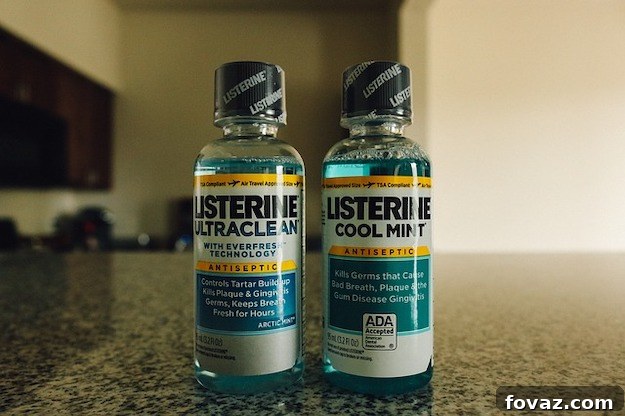
For an all-around effective spray that acts as a repellent, cleaner, and killer, combine the power of mouthwash, dish soap, and hydrogen peroxide. This synergistic blend tackles ants from multiple angles: the mouthwash provides a strong scent and often contains alcohol that can kill ants, dish soap suffocates them, and hydrogen peroxide adds an extra killing and disinfecting punch.
What You Need:
- Mouthwash (any brand, preferably one with alcohol for enhanced killing power)
- Dawn dish soap (or any other liquid dish soap)
- Hydrogen Peroxide (standard 3% solution)
How to Make It:
- In an empty spray bottle, mix equal parts of all three ingredients. For example, if you use 1/4 cup of mouthwash, use 1/4 cup of dish soap, and 1/4 cup of hydrogen peroxide.
- Shake the bottle well to thoroughly combine the ingredients. There’s no need to add water to this mixture, as the existing liquids provide sufficient volume.
Application:
Spray this solution directly onto ants, ant trails, or suspected entry points. It works as an immediate killer for ants caught in the spray and leaves behind a residue that can deter others. The mouthwash provides a refreshing scent, masking any undesirable odors while the mixture gets to work.
Beyond the Remedies: Essential Ant Prevention Strategies
While DIY ant killers are effective for managing existing infestations, the best defense against ants is a strong offense through prevention. By implementing a few simple habits and making minor adjustments around your home, you can significantly reduce the likelihood of ants finding their way indoors in the first place.
- Seal Entry Points: Ants can squeeze through incredibly tiny cracks and crevices. Thoroughly inspect your home’s foundation, window frames, door sills, and utility line entry points. Seal any gaps with caulk, weatherstripping, or sealant. This physical barrier is crucial for preventing access.
- Maintain Impeccable Cleanliness: Ants are constantly searching for food and water. Wipe down countertops, sweep floors, and vacuum carpets regularly to eliminate crumbs, spills, and sticky residues. Pay extra attention to kitchen and dining areas.
- Store Food Properly: Keep all food, especially sugary items, cereals, pet food, and baked goods, in airtight containers. Avoid leaving pet food bowls out overnight. Quickly clean up pet food remnants after feeding.
- Manage Moisture: Ants are attracted to moisture sources. Fix leaky faucets, pipes, and drains promptly. Ensure good ventilation in bathrooms and basements to reduce humidity.
- Trim Vegetation: Keep trees, shrubs, and other vegetation trimmed back from your home’s foundation and roofline. These plants can serve as “bridges” for ants to access your house.
- Empty Trash Regularly: Dispose of garbage frequently, especially food waste. Use trash cans with tight-fitting lids and clean them regularly to prevent attracting ants.
- Clean Outdoor Areas: If you have outdoor dining areas, ensure they are cleaned after use. Sweep up crumbs and wipe down tables to prevent attracting ants near your home.
By combining these preventative measures with the natural ant killer recipes above, you can create a hostile environment for ants, effectively keeping them out of your home without resorting to harmful chemicals.
Conclusion: Reclaim Your Home, Naturally
Dealing with ants doesn’t have to be a frustrating or chemical-laden ordeal. This collection of DIY ant killer recipes provides you with a powerful arsenal of natural, non-toxic solutions that are both cost-effective and environmentally friendly. From Borax baits that target the entire colony to fragrant repellents like cinnamon and lemon, and direct-kill sprays using vinegar or a multi-purpose blend, you now have several proven methods at your disposal.
Remember, consistency is key. Applying these remedies regularly and combining them with proactive prevention strategies will yield the best results. Say goodbye to annoying ant trails and the worry of harsh chemicals, and confidently reclaim your home as a pest-free, natural sanctuary. Embrace these simple solutions and enjoy the peace of mind that comes with effective, safe pest control.
Share Your Success!
Did you find our guide on Effective DIY Ant Killer Recipes for Natural Pest Control helpful? We’d love to hear about your experiences and any tips you might have in the comments section below!
Don’t forget to stay connected with us on Facebook, Twitter, Pinterest and Instagram for more DIY inspiration!
Like this post? Then you’ll love…
How to Get Rid of Fruit Flies Naturally | DIY Life Tricks
How to Make a Simple Homemade Mosquito Trap With Cut Bottles
6 DIY Fruit Fly Trap Tutorials
Looking for best outdoor ant killer? Check out the gardening leave.