
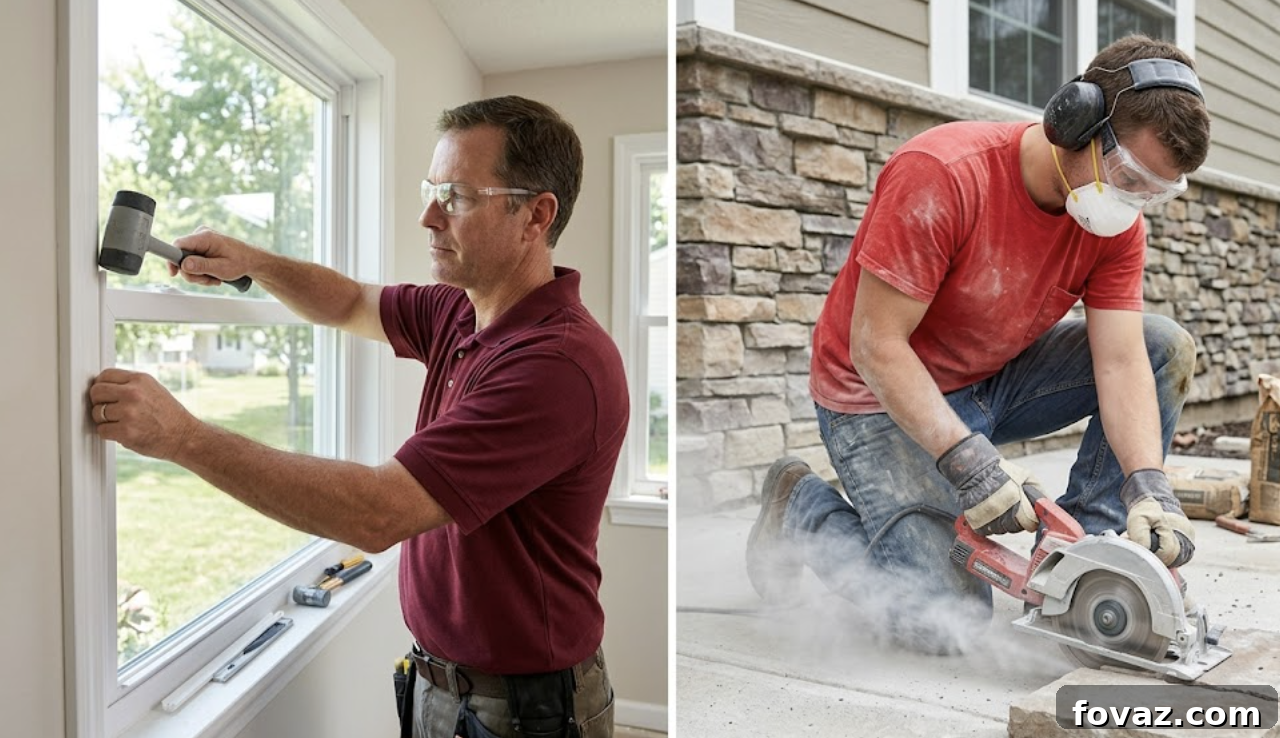
At a Glance: DIY Home Improvement
- Many Americans take on at least one home project a year; about 35% end up hiring a professional to finish or correct their work
- You don’t need a full workshop to get started — three to five essential tools cover roughly 80% of beginner projects
- The most common DIY mistakes are skipping inspections and underestimating the budget
DIY home improvement is common among American homeowners. A recent survey of 1,000 U.S. DIYers found that 35% hired a professional to complete or fix work they started themselves. Nearly half reported that social media made DIY look easier than it is, and many couples experienced budget-related disagreements when projects exceeded expectations.
Most homeowners fall somewhere between fully DIY and fully hands-off: they do tasks they can manage and call a pro for what they can’t. The difference between a successful project and one that needs correction usually comes down to planning, inspection, and realistic expectations.
This guide aims to help you start in the right place, assemble the right supplies, understand likely costs, and know when it’s time to bring in a professional.
What’s the Best DIY Home Tip for Beginners?
Two issues sink many first-time projects: choosing a task beyond your current skill level and starting work without checking what lies beneath the surface. These problems often don’t show up until you remove tile and discover a rotten subfloor, or until a quick paint job turns into weeks of patching because the walls weren’t prepped correctly.
In short: inspect before you invest.
Before buying paint or tile, get hands-on with the surface. Press on floors for soft spots, look at walls in strong light for damage or unevenness, check corners and seams, locate studs for hanging heavy items, and scan ceilings for stains that could indicate leaks. Many project failures trace back to an existing condition that went unnoticed.
Good first projects:
- Painting a room
- Swapping cabinet hardware
- Installing floating shelves
- Replacing a light fixture (power off and verified)
- Caulking a tub or window frame
These tasks deliver visible improvement with low structural risk and help you build essential habits before moving on to more complex jobs.
How Do I Get Started with DIY Home Improvement?
Use this five-step process for nearly any beginner project:
Step 1: Inspect before you design. Check the surface, underlying substrate, and nearby elements that could be affected. This step prevents unpleasant surprises.
Step 2: Match the project to your available time. Scope projects to fit the time you have—weekend, single day, or multiple sessions—and define what “done” looks like in that timeframe.
Step 3: Make a materials and cut list before you shop. Going to the store without a list leads to wrong purchases and extra trips. Write down exact measurements and materials needed.
Step 4: Run a test section. Whether painting a swatch, dry-laying a tile, or trial-fitting a shelf, test before committing to the full project to confirm fit and finish.
Step 5: Set a clear stopping point. Define a measurable finish line before you begin to avoid scope creep and endless tweaks.
What DIY Home Supplies Do I Actually Need?
Most beginner projects require fewer than ten tools. Build your kit by tiers depending on budget and needs.
Tier 1: Starter Kit (Under $150)
Ideal for painting, hardware swaps, basic repairs, and simple shelf installs: hammer, tape measure, utility knife, drill/driver, 4-foot level, safety glasses, work gloves, stud finder.
Tier 2: Weekend Warrior ($150–$400)
Additions for cutting and surface work: circular saw, random orbital sander, caulk gun, pry bar, paint roller kit, drop cloths, plus everything in Tier 1.
Tier 3: Serious DIYer ($400+)
For tile, decking, built-ins, and finish carpentry: jigsaw, miter saw, moisture meter, laser level, shop vac, clamp set, plus Tier 2 gear.
One rule: buy tools for the job you have planned, not for projects you might do someday. Acquire the next tool when a current project requires it.
How Much Does DIY Home Improvement Cost to Start?
Costs vary by project complexity. Typical ranges:
Tier 1: Cosmetic Projects — $50 to $300
Paint, hardware swaps, caulk, patching—low material cost and high visual impact.
Tier 2: Weekend Builds — $300 to $1,500
Floating shelves, backsplash tile, luxury vinyl plank flooring, small outdoor furniture—materials rise and build time often spans one to two weekends.
Tier 3: Structural and System Projects — $1,500 to $5,000+
Deck construction, full bathroom tile, drywall and framing, built-ins—multi-week projects with higher material costs and greater consequences for mistakes.
Always add a contingency of 15–20% to your budget; for homes built before 1950, err on the higher side.
What Are the Most Common DIY Home Mistakes to Avoid?
Mistake 1: Skipping the substrate check. Hidden issues beneath floors, walls, or ceilings are often the cause of failures. Verify the condition of what lies beneath before committing to finishes.
Mistake 2: Letting the timeline float. Unclear scope turns weekend projects into long, drawn-out tasks. Set a deadline and plan backward from it.
Mistake 3: Buying tools before scoping the project. Tools should be chosen to match the project plan and cuts needed, not purchased on impulse.
Mistake 4: Trusting social media how-tos. Platforms can oversimplify complex tasks. Use them for inspiration, not as a sole guide to execution.
Mistake 5: No defined stopping point. Without a clear definition of finished, small doubts and second-guessing prolong completion. Decide what success looks like up front.
DIY vs Hiring a Contractor: How Do You Know When to Call a Pro?
Deciding when to hire a professional is crucial. Here’s a practical breakdown:
DIY-friendly: Painting, caulking, hardware swaps, floating shelves, LVP flooring, simple backsplash installations on a sound substrate, basic carpentry, furniture assembly, garden beds, and basic landscaping.
DIY but skill-dependent: Full tile bathrooms, deck construction, larger drywall repairs, door replacements, and ceiling fan installation—these require experience and careful planning.
Always hire a licensed professional for: Electrical panel work, altering load-bearing walls, plumbing behind walls or under slabs, HVAC installation or repair, foundation repairs, and gas line work. These tasks are regulated for safety and code compliance.
The same survey noted 35% of DIYers called a pro to finish or fix their work. Recognizing a job’s category before starting prevents costly mistakes and delays.
Quick Decision Guide:
| Project Type | Verdict |
| Paint, caulk, hardware | DIY |
| Tile, flooring, shelving | DIY with prep |
| Deck build, drywall | Know your skill level |
| Electrical, plumbing, structural | Hire a pro |
Homeowners who succeed balance realistic self-assessment, the right tools, and the willingness to call a professional before a small problem becomes a large one.
Meet the Go-To Pros for Your Next Home Improvement Project
Some jobs require a professional. When you’re ready to hand off a project, look for licensed, vetted contractors who can pick up where you left off. Finding a trusted pro early can save time and expense later.
Frequently Asked Questions
1. What’s the best DIY home improvement project for a complete beginner? Painting a room is ideal: low risk, immediate visual impact, and a great way to learn prep, technique, and clean-up.
2. How much should a beginner budget for DIY home improvement? A starter tool kit typically costs $100–$150. Initial projects may add $50–$300 in materials. Always include a 15% budget cushion; first-timers commonly underestimate costs.
3. What tools do I actually need to start DIY home improvement? A drill/driver, tape measure, hammer, level, utility knife, and safety glasses form a practical core kit. Add tools as projects demand.
4. How do I know if a home improvement project is too advanced? Ask whether you’ve done anything similar and what the consequences are if it goes wrong. If water, gas, electricity, or structural elements are involved, consult a licensed professional.
5. What’s the one thing most beginner DIYers skip that causes the most problems? The inspection step. Checking the surface and the underlying substrate before buying materials or starting work prevents many common failures.