
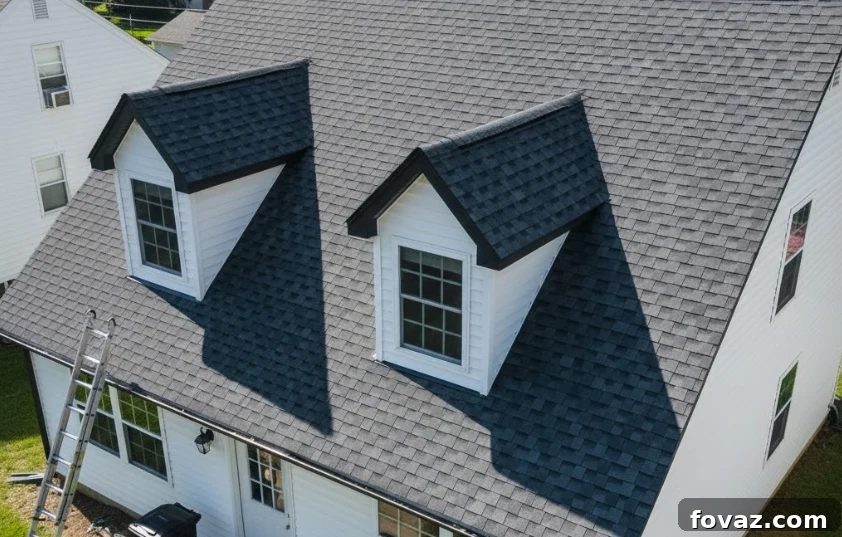
Unveiling Roof Repair vs. Replacement Costs in 2026: An Essential Homeowner’s Guide
Understanding the financial landscape of roofing projects is crucial for any homeowner. In 2026, several core factors consistently influence the final price tag for both roof repairs and full replacements, regardless of your geographical location. Being aware of these elements will empower you to make informed decisions and budget effectively.
- Labor: The Driving Force Behind Costs: Skilled labor remains the largest component of any roofing expense, typically accounting for 40% to 60% of the total project cost. This percentage fluctuates based on the complexity of your roof’s pitch (steeper roofs require more specialized labor and safety measures) and the prevailing wage rates in your local market. Expertise in handling various roofing materials, intricate flashing, and advanced installation techniques all contribute to these labor costs.
- The Crucial 50% Rule and Lifespan Threshold: A widely accepted industry guideline, the “50% Rule,” dictates that if the cost of a single repair escalates to more than 50% of what a full roof replacement would cost, then opting for a complete replacement is almost always the more financially prudent long-term investment. Similarly, if your roof has already surpassed 80% of its expected lifespan (e.g., a 25-year shingle roof reaching 20 years), even minor repairs are often temporary fixes that will soon be overshadowed by the need for a full overhaul.
- Budgeting for the Unexpected: The Contingency Fund: When embarking on a roofing project, especially a replacement, it’s wise to allocate a 15% to 20% contingency fund. This buffer is essential for covering unforeseen structural issues that only become apparent once the old roofing material is torn off. Common hidden problems include deteriorated or rotted decking, damaged flashing around chimneys or skylights, or compromised structural elements. Addressing these issues immediately is vital for the integrity and longevity of your new roof.
- Navigating Shorter Quote Validity Windows: The year 2026 continues to see significant material volatility and the lingering impacts of tariffs and supply chain fluctuations. As a result, most roofing contractors now offer quotes that are valid for a much shorter duration, typically between 30 to 60 days. This requires homeowners to act more decisively once they receive bids, as material prices can change rapidly.
- The Non-Negotiable Necessity of Permits: For significant roofing projects, particularly full replacements, most local jurisdictions mandate obtaining building permits. These permits are not merely bureaucratic hurdles; they ensure that your new roof complies with the most current 2026 safety standards, structural requirements, and wind resistance codes. Skipping this step can lead to hefty fines, difficulty selling your home, and potential issues with insurance claims.
A persistent ceiling leak is more than just an aesthetic annoyance; it’s a glaring indicator of underlying structural damage that can rapidly lead to hazardous mold growth, compromised insulation, and escalating repair costs. This comprehensive guide is designed to equip you with the knowledge to discern whether a targeted $1,150 patch will suffice or if a more substantial $11,000 full roof replacement is the definitive solution to protect your property and investment.
How We Determine Accurate Roofing Cost Estimates
For any cost guide to be genuinely valuable, its foundational assumptions and data sources must be transparent and robust. The estimates presented within this guide are meticulously crafted using nationally recognized construction data and have undergone rigorous review to ensure their real-world accuracy as of January 2026. Our commitment to accuracy ensures that you receive the most reliable information for your planning needs.
Our Comprehensive Methodology
The DIYProjects.com editorial team has meticulously compiled this guide by integrating a diverse range of authoritative data sources. We’ve utilized a combination of national construction cost indices, granular government labor statistics, and reliable third-party roofing benchmarks. To ensure localized relevance, baseline prices were meticulously adjusted for regional labor market variations and material cost differentials across the United States. Furthermore, all figures were cross-referenced and validated against contractor-submitted pricing models from the first quarter of 2026, offering a realistic snapshot of the current market.
Our primary data sources, ensuring the highest level of accuracy, include:
- RSMeans City Cost Index: This industry-standard resource is invaluable for making precise regional adjustments to both construction labor and material costs across all 50 states, allowing for highly localized estimates.
- U.S. Bureau of Labor Statistics (BLS): We leverage BLS wage data for specialized roofing professionals, flashing experts, and general construction trades. This data is critical for accurately determining state-level labor multipliers, reflecting the true cost of skilled workmanship.
- National Roofing Contractor Surveys: These surveys provide vital real-world bid data and crucial price discovery mechanisms for common materials like asphalt shingles, metal roofing, and specialty materials such as slate and tile. They offer insights into actual contractor pricing.
- Industry Market Reports: Our analysis includes thorough reviews of 2026 material trends, encompassing the impact of trade policies, supply chain stabilization efforts, and global economic factors on final consumer pricing for roofing materials.
It is important to note that all prices reflected in this guide represent typical labor and retail market conditions as of January 2026. These figures are intended for robust planning and budgeting purposes. Actual project costs will inevitably vary based on several site-specific factors, including your roof’s unique pitch and complexity, the number of existing roofing layers that need to be removed, and specific municipal code requirements in your area. Always obtain multiple quotes for a precise estimate tailored to your home.
Financial & Decision Making: Navigating Roof Repair vs. Replacement
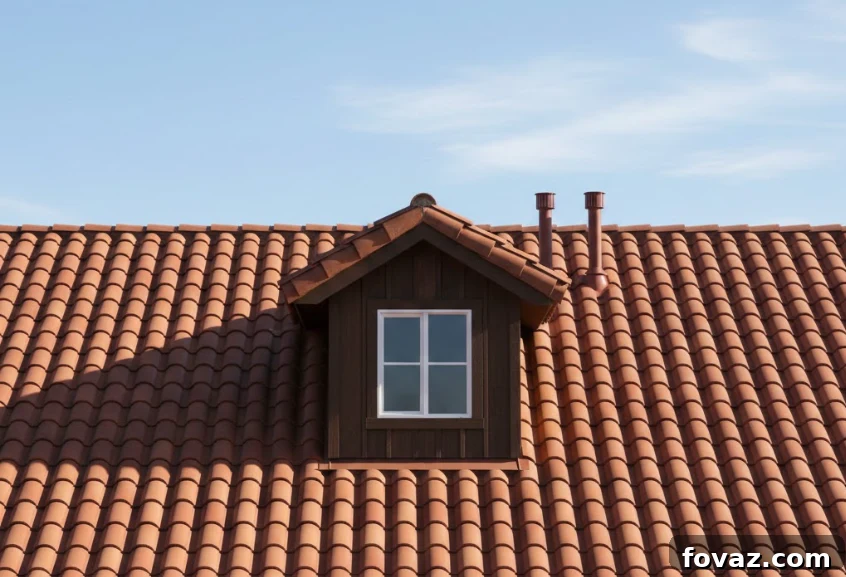
The choice between a minor patch and a complete roof overhaul is a pivotal decision for any homeowner. It demands a careful examination of current 2026 economic data, combined with time-tested industry rules of thumb, to ensure you make the most cost-effective and structurally sound choice for your property.
Should I Repair or Replace My Roof? Making the Right Call
Quick Answer: The most reliable guideline is the “50% Rule.” If the projected cost of a single, significant repair exceeds 50% of your roof’s total replacement value, or if your roof has already reached 80% of its expected lifespan, then a full replacement almost always represents a more financially sound and durable solution. Ignoring these thresholds often leads to a cycle of costly, temporary repairs.
Understanding the typical scope and cost of repairs in 2026 can further guide your decision:
- Minor Leaks or Flashing Fixes: These localized issues, often caused by damaged seals around vents or chimneys, typically range from $300 to $900. They are usually straightforward to address if caught early.
- Shingle Replacement or Crack Repairs: More extensive damage, such as a localized section of missing or cracked shingles, or repairs to significant cracks in the roofing material, can cost up to $2,000. This usually involves matching existing materials and ensuring a watertight seal.
Beyond these immediate costs, consider the age of your roof and the frequency of repairs. An older roof with multiple problem areas is often signaling its need for replacement, even if individual repairs seem minor.
How Much Does a Roof Repair Cost in 2026?
Quick Answer: In 2026, the average roof repair in the U.S. varies significantly depending on the extent and type of damage. Minor issues like small leaks or basic flashing repairs can start at an accessible $300, whereas more extensive problems such as replacing a larger section of damaged shingles or repairing significant cracks can easily reach $2,000 or even more, depending on the material and labor complexity.
The specific nature of the damage and the materials required are the primary cost drivers:
- Minor Leaks or Flashing Fixes: These often involve sealing small penetrations, re-securing loose flashing around roof features, or replacing a handful of damaged shingles. Costs typically range from $300 to $900. These are often quick fixes that prevent more extensive water damage.
- Shingle Replacement or Crack Repairs: This category includes replacing a larger section of missing or storm-damaged shingles, addressing splits or tears in membrane roofs, or repairing damaged underlayment beneath localized areas. Such repairs can cost up to $2,000, especially if specialized materials or difficult access are involved.
When to Choose Replacement Over Repair: The decision to replace becomes financially compelling when the cumulative repair costs begin to exceed 30% to 40% of the total cost of a full roof replacement. Furthermore, if you are experiencing leaks in multiple, disparate areas across your roof, it’s a strong indication that the entire roofing system is failing due to age or widespread deterioration, making a replacement the more sensible and cost-effective long-term solution.
How Much Does a Roof Replacement Cost in 2026?
Quick Answer: In 2026, the average cost to replace a roof in the U.S. is approximately $11,000. However, most homeowners can expect to spend within a broader range of $7,000 to $14,500. This range accounts for variations in roof size, complexity, and, most significantly, the choice of roofing material.
Replacement costs are primarily dictated by the total square footage of your roof and the specific roofing material you select. For a standard 2,000 sq. ft. roof, you can expect the following price tiers:
- Lower-End Options (3-Tab Asphalt Shingles): These are the most economical choice, offering basic protection and a shorter lifespan compared to other materials. Costs typically range from $7,000 to $11,000. While budget-friendly, they offer less wind resistance and curb appeal than architectural shingles.
- Mid-Range Options (Architectural Shingles / Metal Roofing): This popular tier includes architectural (laminate) asphalt shingles, which offer enhanced durability, better aesthetic appeal, and longer warranties than 3-tab shingles. Metal roofing, including standing seam or corrugated panels, provides excellent longevity, energy efficiency, and modern aesthetics. Costs for these materials range from $11,000 to $24,000.
- Higher-End Options (Slate / Copper / Zinc): These premium materials represent a significant investment but offer unparalleled durability, exceptional longevity (often 50+ years), superior aesthetic appeal, and increased property value. Slate roofs provide a classic, elegant look, while copper and zinc develop a unique patina over time and offer outstanding weather resistance. Expect costs in the range of $24,000 to $60,000+ for these high-end choices.
Additional factors like roof pitch, number of valleys, chimneys, and skylights can also influence the final replacement cost, as they require more specialized labor and materials.
How Much Does My Roof Cost Based on Where I Live?
Your geographical location plays a paramount role in determining the final cost of your roofing project. This is due to significant variations in regional labor rates, the intensity of local market demand, specific building codes, and the availability and transportation costs of roofing materials. What might be an average cost in one state could be considerably higher or lower in another. The table below illustrates typical cost multipliers and price ranges based on regional economic factors, offering a clearer picture of location-specific roofing expenses.
| Tier | Cost Multiplier | Replacement (2,000 sq ft) | Typical Repair Range | States Included |
| Tier 1 (Low Cost) | Base to -15% | $7,000 – $11,000 | $250 – $1,700 | AL, AR, KS, KY, MS, NE, ND, OK, SD, WV, WY |
| Tier 2 (Below Average Cost) | +5% to +10% | $8,000 – $12,500 | $315 – $2,200 | AZ, GA, ID, IN, IA, LA, MO, NM, NC, OH, SC, TN, TX, UT, WI |
| Tier 3 (Average Cost) | +10% to +20% | $9,500 – $14,000 | $330 – $2,400 | CO, DE, IL, MI, MN, MT, NV, NH, PA, RI, VT, VA |
| Tier 4 (Above Average Cost) | +15% to +25% | $11,000 – $16,500 | $345 – $2,500 | CT, FL, ME, MD, NJ, OR, WA |
| Tier 5 (Premium Cost) | +25% to +50% | $13,000 – $22,000 | $375 – $3,000+ | AK, CA, HI, MA, NY, DC |
Will Roofing Prices Go Up in 2026 Due to Tariffs and Market Volatility?
Yes, the current market trends strongly indicate an upward trajectory for roofing prices in 2026. Several factors are contributing to this increase. The cost of key raw materials like asphalt and bitumen, essential components for many shingle types, has seen a significant jump. In response, manufacturers are scaling back on discounts and promotional offers, passing more of the raw material cost directly to consumers.
Furthermore, steel prices, critical for metal roofing systems and various flashing components, continue to exhibit volatility. This instability is exacerbated by local suppliers struggling to keep pace with demand, leading to supply shortages and higher costs. This dynamic directly impacts contractors, who are now forced to provide shorter windows for accepting quotes. Instead of the traditional 90-day validity, most bids are now only good for 30 to 60 days. This shortened timeframe reflects the uncertainty in material pricing and the need for contractors to secure materials quickly once a project is approved.
What this means for you as a homeowner: It is highly advisable to solicit multiple roofing quotes promptly. Once you identify the right contractor and receive a favorable bid, be prepared to commit and sign the contract faster than you might have in previous years to lock in those prices.
Insurance & Triage: Managing Post-Storm Roof Damage Effectively
When your home is impacted by a severe storm, resulting in an active roof leak, immediate action is paramount. Swift response is not only critical for protecting your property from further damage but also for navigating the complexities of your home insurance policy. Understanding what your insurance genuinely covers in such scenarios is key to a smooth recovery process.
What Should I Do if My Insurance Claim for Roof Replacement Is Denied?
Receiving a denial for a roof replacement claim can be disheartening, but it’s often not the final word. Your first step should be to thoroughly review your specific insurance policy document and the denial letter provided by your insurer. Pay close attention to the exact reasons for the rejection, noting if it cites “wear and tear” versus “storm damage.” Insurance policies typically cover sudden, accidental damage (like storms) but not gradual deterioration due to age.
Next, meticulously gather comprehensive evidence to support your claim. This should include high-resolution photos and videos of the damage, taken both before (if available) and immediately after the storm, detailed weather reports for the date of loss, and a professional, independent contractor inspection report that clearly states the cause and extent of the damage. If the denial reason seems disputable, consider filing a formal appeal with your insurance company, citing the evidence you’ve collected. In some cases, seeking advice from a public adjuster, who works on behalf of the homeowner, or an attorney specializing in insurance claims may be beneficial, especially for significant denials.
Technical Scope & Hidden Costs: Budgeting for Roof Replacement/Repair
One of the most common pitfalls in roofing projects is underestimating the final cost due to unexpected issues. It’s not uncommon for unanticipated line items to add an additional 15% to 20% to the final bill, primarily because structural problems or other issues are often discovered only after the initial work begins, typically during the tear-off phase.
What Are the Hidden Costs Often Found in a Roof Replacement Quote?
- Rotted Decking: This is a frequently encountered hidden cost. If you notice subtle dips, waves, or soft spots when walking on your roof, it could indicate significant rot in the underlying decking. This plywood or OSB sheeting forms the structural base for your roofing material. Any rotted sections must be replaced to ensure the stability and longevity of the new roof, adding significantly to both labor and material costs. Replacing decking can range from $2-$5 per square foot.
- Permits: As mentioned, local government permits are almost always required for major roof work. These permits ensure compliance with crucial safety and building codes, protecting your home and investment. The cost for these permits typically falls between $100 and $500, varying by municipality and project scope. Failure to secure a permit can lead to fines, project delays, or even requiring the removal of new work.
- Disposal Fees: Tearing off an old roof generates a considerable amount of debris, which must be properly disposed of. These disposal fees, often referred to as “dump fees,” can range from $1 to $5 per square foot of roof area. For a typical 2,000 sq. ft. home, this can translate to an additional cost of $2,000 to $10,000, depending on the number of existing layers, material type, and local landfill costs.
- Chimney and Skylight Repairs: Often, when a roof is replaced, it’s an opportune time to inspect and repair chimney flashing, tuckpointing, or even rebuild parts of the chimney. Similarly, skylights might need new seals, flashing, or even full replacement if they are old or damaged. These can add several hundred to several thousand dollars to the project.
- Fascia and Soffit Repairs: The fascia board (where gutters attach) and soffit (underneath the eaves) are integral to the roof system. Water damage or rot in these areas often goes unnoticed until roofing work begins and will need to be repaired or replaced to ensure proper ventilation and drainage.
- Gutter Replacement: While not strictly a “roofing” cost, it’s common for old gutters to be damaged during a roof tear-off or for homeowners to opt for new gutters that match a new roof. This can add $500-$2,000 or more depending on the size of the house and material choice.
How Much Does It Cost to Remove and Reinstall Solar Panels for a New Roof?
Quick Answer: The temporary removal of solar panels for roof repair or replacement is an additional cost that homeowners with solar installations must factor in. This specialized service typically ranges between $1,000 and $2,000. Contractors often charge on a per-panel basis, with individual panel removal and reinstallation costs falling between $200 to $500 per panel. The labor rates for certified solar professionals, who are required for this work to maintain system integrity and warranties, generally range from $75 to $150 per hour. It’s crucial to coordinate this service well in advance with your roofing contractor and solar installer.
Can I Finance a Roof Replacement/Repair With Bad Credit?
Financing a roof replacement or significant repair with less-than-perfect credit can be challenging, but several avenues exist. Home equity loans or lines of credit (HELOCs) are a common and often advantageous option for homeowners with accumulated equity, allowing them to borrow against their property at typically lower interest rates than unsecured loans. For those with limited equity or lower credit scores, personal loans, though often with higher interest rates, can be an option for smaller projects. Credit cards might cover initial emergency costs or smaller repairs, but their high-interest rates make them less ideal for large-scale replacements.
Additionally, look into government programs or energy-efficient financing options. Programs like PACE (Property Assessed Clean Energy) loans, available in certain states, allow homeowners to finance energy-efficient home improvements, including new roofs, through an assessment on their property tax bill. There may also be local or state-level grants or low-interest loans specifically designed to assist low-income homeowners or those making energy-efficient upgrades, provided they meet specific eligibility requirements.
Do I Need a Permit for a Roof Replacement?
Yes, almost universally. National building codes and local ordinances typically mandate a building permit for any major roof repair or construction work that significantly alters the structural integrity or overall envelope of a building. While very “minor” cosmetic fixes, such as replacing a single shingle, might be exempt, a full roof replacement is almost always a regulated project. Permits ensure that the work adheres to current safety standards, material specifications, and structural requirements, protecting both the homeowner and the future integrity of the property. Failing to obtain a required permit can lead to significant fines, demands to redo non-compliant work, and can complicate selling your home in the future as it may flag issues during a home inspection.
Vetting Contractors and Warranties: Protecting Your Investment
Ensuring the long-term protection of your roofing investment extends far beyond the day the last shingle is laid. It critically involves meticulous vetting of your chosen contractor and a thorough understanding of your roof’s warranty. Making sure you hire a reputable professional who stands firmly behind their work, and knowing the specifics of your warranty, are key to your peace of mind and the longevity of your roof.
Is My Roof Warranty Transferable to a New Homeowner?
The transferability of a roof warranty is a critical detail, especially if you plan to sell your home in the future. While many manufacturer and contractor warranties offer the option for transfer, it is almost never automatic. Most transfers have strict stipulations and must be completed within a very narrow timeframe, often within 30 days of the closing date of the home sale. Missing this crucial window can unfortunately void the warranty entirely, leaving the new homeowner without protection and potentially impacting your property’s resale value. Always review your specific warranty documents carefully and initiate the transfer process well in advance of a sale.
How Do I Spot “Storm Chaser” Roofing Scams?
After severe weather events, unscrupulous “storm chasers” often emerge, preying on vulnerable homeowners. It’s vital to recognize their red flags:
- High-Pressure Door-to-Door Sales: Be wary of unsolicited contractors showing up at your door, particularly after a storm, pushing for immediate decisions or claiming to be the “only ones” in your area.
- Requests for Full Payment Upfront: Legitimate contractors rarely ask for the entire payment before any work begins. A reasonable down payment (typically 10-30%) is normal, but anything more should raise a serious red flag.
- Lack of Local Licensing or Insurance: Always verify that a contractor is properly licensed, bonded, and insured in your state and local municipality. Request proof of liability insurance and worker’s compensation. Out-of-state license plates or vague responses about their local presence are warning signs.
- Unusually Low Bids or “Too Good to Be True” Offers: While competitive pricing is good, a bid significantly lower than others might indicate shortcuts in materials, labor, or a lack of proper insurance.
- Asking for Your Insurance Deductible Upfront: Some scammers will ask for your deductible as an initial payment, then disappear without doing any work. Pay only after work begins or according to a clear payment schedule.
- Vague or Incomplete Contracts: Ensure any contract is highly detailed, specifying materials, timeline, payment schedule, and warranty information. Avoid signing anything with blank spaces.
What Are the Signs of a Bad Roofing Job?
Even a newly installed roof can harbor problems if the job was poorly executed. Here are key signs to look for:
- Misaligned or Uneven Shingles: Shingles should be installed in straight, even lines. Crooked, overlapping, or visibly uneven shingles are a clear sign of sloppy workmanship.
- Missing or Improperly Installed Drip Edges: Drip edges are crucial metal flashing installed at the edges of the roof to direct water away from the fascia and prevent water damage. Missing or poorly installed drip edges can lead to rot and leaks.
- Sagging Rooflines: A new roof should have a straight, uniform roofline. Any visible sagging, especially in valleys or between rafters, could indicate structural issues, inadequate support, or improper decking installation.
- Improper Nailing Techniques: Over-nailed, under-nailed, or crookedly nailed shingles are common issues. These can lead to shingles lifting, cracking, or coming loose prematurely, causing leaks shortly after installation.
- Poor Flashing Work: Flashing around chimneys, skylights, vents, and in valleys is critical for preventing leaks. If it’s poorly installed, bent, or uses inadequate sealant, leaks are almost guaranteed.
- Debris Left Behind: A professional roofer will meticulously clean up all debris, including old shingles, nails, and packaging. Excessive debris in gutters or around the property is a sign of an unprofessional job.
- Inadequate Ventilation: A new roof system should include proper attic ventilation. Lack of sufficient intake and exhaust vents can lead to heat buildup and moisture problems, shortening the roof’s lifespan and increasing energy bills.
Do Roofers Charge a Fee for Estimates?
The majority of professional and reputable roofing companies typically provide free estimates for standard roof replacement projects. This allows them to assess the scope of work and offer a competitive bid. However, there are instances where a roofer might charge a fee. This usually applies to highly detailed diagnostic assessments, comprehensive leak detection, or specialized inspection services that require significant time, specialized equipment, or involve creating extensive reports for insurance claims. If a fee is involved, a transparent contractor will inform you upfront and explain what the fee covers. Sometimes, this fee may be credited back if you proceed with their services.
The Bottom Line: Making the Best Roof Decision
When faced with roofing issues, the decision between repair and full replacement boils down to a clear assessment of your roof’s condition, age, and the extent of the damage. If your roof is relatively young, well within its expected lifespan, and the damage is confined to a single, localized area – perhaps a few missing shingles or a minor flashing issue – a targeted repair is often the most sensible and cost-effective solution, especially if you’re working with a tighter budget. It can effectively extend the life of your existing roof without a major investment.
However, if you’re consistently battling leaks in multiple, disparate spots across your roof, if your roof is nearing or has exceeded 20 years of age, or if a single repair cost approaches 50% of a full replacement, then opting for a complete roof replacement is undeniably the smarter financial move. A new roof not only provides comprehensive protection and peace of mind but also offers significant long-term benefits. These include enhanced curb appeal, which boosts your home’s resale value, and often, improved energy efficiency due to better insulation and materials, leading to lower energy bills for years to come. Ultimately, investing in a new roof is an investment in the safety, value, and longevity of your home.