
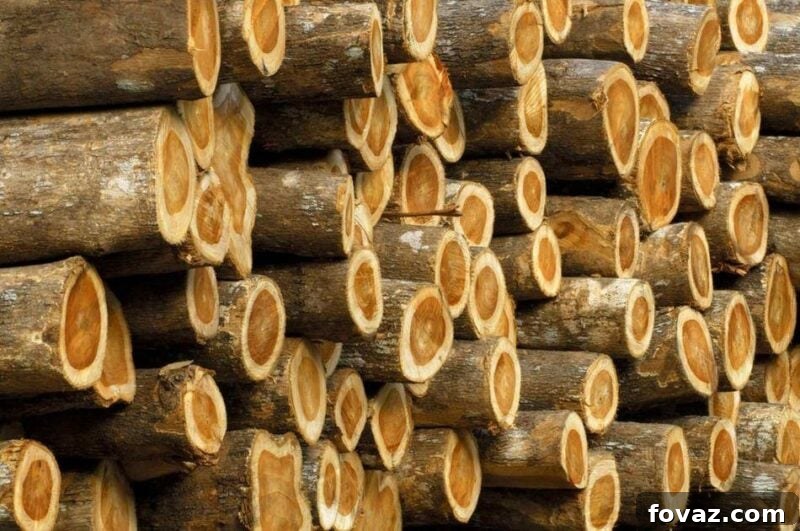
Embarking on a new DIY project or planning significant home renovations? The foundation of any successful woodworking endeavor lies in selecting the right material. With countless wood varieties available, each possessing unique characteristics, making an informed choice can feel daunting. This comprehensive guide is designed to simplify your decision-making process, ensuring your projects are not only beautiful but also durable and perfectly suited for their intended purpose.
Wood has been an indispensable material in construction and craftsmanship for centuries, cherished for its versatility, aesthetic appeal, and natural warmth. Beyond its inherent beauty, wood offers a sustainable and robust solution for everything from crafting exquisite furniture to building resilient outdoor structures and even providing cozy warmth in a fire pit. Understanding the distinct properties of different wood types is crucial for achieving a cohesive and long-lasting finished product that truly meets your expectations.
Mastering Wood Selection: Your Essential Guide to DIY and Home Projects
Choosing the ideal wood for your specific project is more than just a matter of preference; it’s about matching the wood’s inherent qualities with the demands of its application. Some woods naturally resist scratches and dents, making them perfect for high-traffic areas, while others are prized for their ease of shaping and staining. The grain, color, texture, and even the scent of wood contribute significantly to the overall feel and aesthetic of your space, making careful consideration paramount.
This guide will navigate you through the diverse world of wood, highlighting the best selections for various indoor and outdoor projects. From durable hardwoods ideal for furniture and flooring to weather-resistant options for decking and aesthetically pleasing choices for fire pit enjoyment, we’ll equip you with the knowledge to make smart, confident choices for your next venture.
Understanding Wood: Hardwood vs. Softwood and Beyond
Before diving into specific recommendations, it’s essential to grasp the fundamental differences between wood types. While the terms “hardwood” and “softwood” might suggest varying levels of physical hardness, they actually refer to the botanical classification of the tree from which the wood originates. Hardwoods come from deciduous trees (those that lose their leaves in autumn), such as oak, maple, and cherry. They are typically denser, more durable, and often have a complex grain pattern, making them excellent for furniture, flooring, and other applications requiring strength and longevity. However, their density can also make them more challenging to work with and generally more expensive.
Softwoods, on the other hand, originate from coniferous trees (evergreens) like pine, cedar, and fir. These trees grow faster, making softwoods more readily available and usually more affordable. Softwoods are generally lighter in color, have simpler grain patterns, and are easier to cut, shape, and nail. While they may not offer the same level of impact resistance as hardwoods, many softwoods possess natural properties that make them highly suitable for outdoor projects, such as resistance to rot and insects, especially when properly treated.
Beyond this primary classification, other factors influence wood selection: the grain pattern, color, and texture contribute to its aesthetic appeal; its workability (how easily it can be cut, sanded, and finished) impacts project complexity; and its resistance to shrinking, swelling, and decay determines its suitability for different environments. Finally, cost and sustainability are often key considerations for any DIY enthusiast or homeowner.
Indoor Wood Projects: Crafting Comfort and Style
Best Woods for Furniture
Furniture endures daily wear and tear, making durability and aesthetic appeal equally important. The right wood can transform a functional piece into a family heirloom, offering resilience and beauty that lasts for generations.
Oak: The Timeless Classic
- Oak is a quintessential heavy, strong hardwood renowned for its durability and distinctive open grain patterns. It comes in two primary varieties: red oak, with its slightly reddish hue, and white oak, which is lighter and more water-resistant.
- Its robustness makes it an excellent choice for items that see heavy use, such as kitchen cabinets, dining tables, chairs, and bedroom furniture. Oak ages beautifully, developing a rich patina over time, and accepts stains exceptionally well, allowing for a wide range of finishes to complement any interior design.
Cherry: Elegant and Adaptable
- Cherry is a hardwood characterized by its fine, straight grain and beautiful reddish-brown color that darkens gracefully with age and exposure to light. It is highly prized for its smooth texture and workability, making it relatively easy to shape, carve, and finish.
- This wood is perfect for creating elegant and traditional furniture pieces, including carved chairs, shaker-style cabinets, dressers, and intricate decorative elements. Its natural luster and timeless appeal ensure cherry furniture remains a focal point in any room.
Live Edge Cherry: Rustic Charm Unveiled
- Live edge wood celebrates the natural form of the tree, leaving the raw, organic edges of the slab unfinished. Live Edge Cherry combines the elegance of cherry with a distinct rustic or contemporary industrial aesthetic.
- It’s an excellent choice for creating unique statement pieces like countertops, bar tops, coffee tables, and dining tables where the wood’s natural shape and imperfections become integral parts of the design. This style brings a touch of nature and individuality into modern living spaces.
Walnut: The Epitome of Luxury
- Walnut is a premium hardwood distinguished by its rich, deep brown color, often with purple or reddish undertones, and a beautiful straight grain. It is incredibly durable, resistant to decay, and holds its shape well over time.
- While it comes with a higher price point, walnut’s luxurious appearance and strength make it ideal for high-end furniture such as headboards, ornate dining tables, mantels, and executive desks. Its natural beauty often requires minimal staining, letting its inherent character shine through.
Reclaimed or Salvaged Wood: Sustainable Style
- Reclaimed or salvaged wood refers to timber that has been repurposed from old buildings, barns, factories, or even riverbeds. Its history lends it unique character, including natural distressing, nail holes, and a rich patina that cannot be replicated with new wood.
- The cost can vary significantly depending on the type and rarity of the wood, but it offers an incredibly sustainable and eco-friendly option. Reclaimed wood is perfect for creating distinctive statement furniture pieces, accent walls, and floorboards, adding a sense of history and warmth to any interior.
Maple: Strength and Versatility
- Maple is one of the hardest and most dense woods available, making it exceptionally resistant to dents and scratches. It typically features a fine, uniform grain and a light, creamy color, though “tiger maple” or “bird’s eye maple” offer more decorative patterns.
- Its strength and affordability make maple an excellent choice for items subject to heavy use, such as kitchen cabinets, butcher blocks, tabletops, and children’s furniture. It takes stains well, allowing it to mimic more expensive woods, and its smooth surface is easy to clean and maintain.
Fir: The Staining Champion
- Fir, a softwood, is known for its straight, even grain and light, consistent color, making it an excellent canvas for various stains and finishes. It’s more readily available and often more economical than many hardwoods.
- While not as hard as oak or maple, fir is sturdy enough for frames, structural components, and less-stressed furniture pieces. Its ability to absorb stain evenly allows for deep, rich colors. A popular technique involves burning the surface lightly with a hand torch before staining to achieve a unique, dark, rustic finish.
Best Woods for Flooring
Flooring is a significant investment, demanding wood that can withstand heavy foot traffic, resist moisture fluctuations, and maintain its aesthetic appeal for decades. The choice impacts both the functionality and the overall ambiance of your home.
Solid Timber Hardwoods
- Description: Solid hardwood flooring consists of planks milled from a single piece of timber, typically 3/4 inch thick. This allows for multiple refinishings over its lifespan, making it an incredibly durable and long-term investment. It’s installed by nailing or stapling planks to a wooden sub-floor.
- What to expect:
- Solid planks throughout their entire thickness, offering unmatched longevity and the ability to sand and refinish many times.
- May require a sub-floor underneath for proper installation and stability.
- Can be noisy, especially in upstairs rooms, due to its rigidity and sound transmission properties, though proper insulation can mitigate this.
- Extremely hard-wearing, capable of resisting significant wear and tear from daily life.
- Ages gracefully, developing a unique character and patina over time that enhances its beauty.
- Popular Choices: Oak, walnut, cherry, ash, and maple are among the most favored solid hardwoods for their beauty, durability, and availability.
Engineered Wood Flooring
- Description: Engineered wood flooring is a multi-layered product. It features a top veneer of real hardwood (the species you see) glued to several layers of criss-crossed plywood or high-density fiberboard (HDF). This construction makes it more stable and less prone to expanding and contracting with changes in humidity than solid hardwood.
- Benefits: More versatile in installation (can be floated, glued down, or stapled), suitable for basements and over radiant heating systems. While it can be refinished, the number of times depends on the thickness of the top veneer layer.
Flooring Grade Matters: Understanding Appearance Classifications
Wood flooring is graded based on its appearance, which influences both its aesthetic and price point:
- Premium or Select Grades: These are the highest quality and most expensive grades. They feature a very uniform color, minimal variation, and are virtually knot-free. This grade offers a clean, sophisticated, and contemporary look.
- Low-Grade Timbers (Rustic Grades): These grades showcase more natural characteristics of the wood, including knots, mineral streaks, color variations, and occasional wormholes. They are generally less uniform in appearance and more ‘rustic,’ providing a charming, traditional, or country aesthetic, often at a lower cost.
Best Woods for Fireplace Mantels
A fireplace mantel serves as a focal point in a room, often supporting decorative items. It needs to be visually appealing, durable, and capable of withstanding fluctuating temperatures without cracking or warping. Hardwoods are almost always the superior choice for mantels.
- Not all woods are suitable for mantels. Softwoods, even after varnishing, can crack or dent easily over time and may not withstand the heat fluctuations as effectively.
- Hardwoods are the best choice due to their density, stability, and resistance to heat-related damage. They also offer a more luxurious and finished appearance.
Mahogany
Known for its rich, reddish-brown color and fine grain, mahogany adds a touch of classic elegance and warmth. It’s stable, resists warping, and polishes to a beautiful sheen, making it ideal for a luxurious mantelpiece.
Hickory
One of the strongest American woods, hickory boasts a distinctive grain pattern and a range of colors from creamy white to reddish-brown. Its exceptional hardness and resistance to impact make it a very durable choice for a mantel, especially in busy homes.
Maple
With its light color and fine grain, maple offers a clean, contemporary look. Its extreme hardness ensures excellent resistance to dents and scratches, providing a long-lasting and low-maintenance mantel that can be stained to match various decors.
Oak
A classic for its strength and prominent grain, oak is a popular choice for mantels. It’s durable, stable, and takes stains beautifully, allowing you to achieve a variety of looks from rustic to formal. Both red and white oak provide excellent performance and aesthetic appeal.
Best Woods for Your DIY Workbench
A workbench is the backbone of any DIY workshop, enduring spills, impacts, and heavy loads. The wood chosen for its construction must prioritize durability, stability, and practicality over purely aesthetic concerns.
Essential Qualities for Workbench Wood
- Heavy: A heavy workbench top provides stability, preventing the bench from shifting or vibrating during use. This is crucial for precision work and safety.
- Inexpensive: Since a workbench is a utility item designed for abuse, opting for more affordable wood types allows you to invest more in tools or other project materials without compromising functionality.
- Light in Color: A light-colored workbench surface helps reflect light, making it easier to see small parts, mark measurements, and identify potential hazards, thus improving visibility and safety in your workspace.
Recommended Workbench Woods
These woods offer an excellent balance of strength, affordability, and workability, making them ideal for a robust and functional workbench:
- Yellow Pine: A common and affordable softwood, yellow pine is dense and strong for its type. It’s relatively easy to work with and widely available, making it a popular choice for budget-friendly workbenches.
- White Oak: While generally more expensive than pine, white oak offers exceptional hardness and durability. It’s highly resistant to dents and scratches, making it a long-lasting surface that can withstand heavy use.
- Ash: Known for its excellent strength-to-weight ratio and elasticity, ash is a tough wood that can absorb shocks without splintering. Its light color and distinct grain are also attractive features for a workbench.
- Red Maple: A dense hardwood, red maple is harder than many softwoods but typically more affordable than hard maple. It provides a durable and stable surface that can endure the rigors of a busy workshop.
Outdoor Wood Projects: Durability Meets Design
Best Woods for Decking
Outdoor decking must withstand the harshest elements—rain, sun, snow, and fluctuating temperatures—while remaining safe and beautiful. The ideal decking wood combines natural resistance to decay and insects with structural integrity.
Softwoods for Decking
While generally less dense than hardwoods, certain softwoods offer excellent properties for decking, especially when treated to enhance their natural resistance.
Cedar
Cedar is highly prized for its natural resistance to rot, decay, and insect infestation due to its natural oils. It has a beautiful reddish hue and a pleasant aroma. While softer than hardwoods, it’s dimensionally stable and ages to a lovely silver-gray if left untreated. It’s more economical than many hardwoods and requires less chemical treatment.
Pine
Pine is one of the most economical options for decking. However, it absolutely must be pressure-treated with wood preservatives to avoid rotting, insect damage, and fungal growth. Pressure-treated pine is a common and affordable choice, but it requires regular sealing and maintenance to extend its lifespan and maintain its appearance.
Larch
Larch is a moderately durable softwood with a distinctive golden-brown color. It has good natural resistance to decay, similar to cedar, but is denser and harder, offering a good balance between the workability of softwoods and the durability of some hardwoods. Larch weathers well and is a sustainable choice for decking.
Redwood
Like cedar, redwood contains natural compounds that make it highly resistant to rot, decay, and insects without chemical treatment. It features a beautiful, rich reddish-brown color and a straight grain. While generally more expensive than pine, its natural resilience makes it a premium choice for decking, requiring minimal maintenance beyond sealing to preserve its color.
Hardwoods for Decking
For ultimate durability and a luxurious feel, hardwoods are often the top choice for outdoor decking. They are denser, more resistant to wear, and offer exceptional longevity.
Ipe
Often referred to as “Ironwood,” Ipe is an incredibly dense and durable tropical hardwood. It’s naturally resistant to rot, insects, fire, and scratches, making it one of the longest-lasting decking materials available. Ipe has a beautiful rich brown color that can be maintained with oiling or allowed to weather to a silver-gray patina.
Yellow Balau
Yellow Balau is another highly durable tropical hardwood, comparable to Ipe in density and longevity. It boasts a warm, yellowish-brown color and excellent resistance to decay and insects. It’s a strong and stable wood that performs exceptionally well in harsh outdoor conditions, requiring minimal maintenance.
Oak
While common for indoor use, certain oak species, particularly white oak, can be used for decking due to their closed cell structure which provides good water resistance. However, it requires proper sealing and maintenance to prevent rot and insect damage outdoors. It offers a classic, robust look for a deck.
Iroko
Often considered a sustainable alternative to Teak, Iroko is a durable African hardwood with excellent natural resistance to rot and insects. It has a beautiful golden-brown color that can deepen over time. It’s stable and resilient, making it a great choice for decking and outdoor furniture.
Teak
- Teak is renowned as the gold standard for outdoor wood due to its extremely high oil content, which makes it exceptionally resistant to water, rot, pests, and weathering without any treatment.
- It has a beautiful golden-brown color and a fine grain. While it is a premium, high-cost option, its unparalleled durability and very low maintenance requirements (it can be left untreated to weather to a graceful silver-gray) make it a worthwhile investment for luxury decking.
Essential Decking Maintenance Tips
To maximize the lifespan and beauty of your wooden deck, consistent maintenance is key:
- Lay a deck fabric: Before installing your decking, lay a high-quality landscape or deck fabric over the ground underneath. This helps suppress weed growth and prevents unsightly vegetation from sprouting through your deck boards.
- Regular cleaning: Pressure wash your deck a couple of times a year to remove accumulated dirt, grime, and especially slippery algae. Algae can not only be unsightly but also create a significant slip hazard. Always use a proper decking cleaner and avoid excessively high-pressure settings that could damage the wood fibers.
- Sealing/Oiling: Depending on the wood type and desired finish, regularly apply a high-quality sealant or deck oil. This protects the wood from UV damage, moisture absorption, and helps preserve its color and integrity. Follow manufacturer recommendations for application frequency.
Best Woods for Raised Flower Beds
Raised flower beds offer numerous benefits for gardening, from improved drainage to easier access. The wood chosen for their construction needs to be durable, safe for plants, and attractive, withstanding constant exposure to soil and moisture.
Key Characteristics for Raised Bed Wood
- Durable: The wood must resist rot and decay when in contact with moist soil for extended periods. Longevity is a key factor to avoid frequent replacements.
- Safe: It’s crucial that the wood does not leach harmful chemicals into the soil, especially if you plan to grow edible plants. Natural resistance is preferred over chemical treatments.
- Attractive: While functional, the raised bed also contributes to the garden’s aesthetic. Aesthetically pleasing wood enhances the overall look of your outdoor space.
- Sustainable: Choosing sustainably harvested or naturally long-lasting woods supports eco-friendly gardening practices.
Recommended Woods for Raised Flower Beds
These woods strike a balance between durability, safety, and appearance for your garden beds:
Cedar
- Properties: Cedar is an excellent choice due to its natural resistance to rot and insects, attributed to its inherent oils. It has a smooth, elegant appearance and can be easily stained or painted to match your garden aesthetic.
- Lifespan & Safety: Expect a lifespan of 15-20+ years. It’s naturally chemical-free, making it safe for growing vegetables and herbs.
Redwood
- Properties: Similar to cedar, redwood offers superb natural resistance to decay and pests. It boasts a beautiful, rich reddish-brown color that adds a touch of elegance to any garden.
- Lifespan & Safety: With a lifespan of 15-20+ years, redwood is also naturally chemical-free and a safe choice for all types of gardening.
Juniper
- Properties: Juniper is an incredibly durable wood, particularly resistant to decay due to its dense heartwood. It can provide a unique, modern look for raised beds.
- Lifespan & Safety: Known for its very long life, often exceeding 50+ years, Juniper is naturally chemical-free and often an inexpensive option due to its local availability in some regions.
Pressure-Treated Wood
- Properties: Pressure-treated wood is widely available and relatively inexpensive. It’s chemically treated to resist rot and insect damage, extending its lifespan significantly.
- Lifespan & Considerations: Typically lasts 20+ years. While concerns about chemicals leaching into soil have diminished with modern treatments (such as ACQ or CA, which replace older arsenic-based treatments), some gardeners still prefer naturally resistant woods for edible beds. For non-edible plants, it remains a highly economical and effective solution.
Best Woods for Burning in Your Garden Fire Pit
A garden fire pit provides warmth, ambiance, and a gathering spot. The type of wood you burn significantly impacts the quality of the fire, the amount of smoke, and the heat produced. Choosing the right wood ensures a safe, enjoyable, and efficient burn.
Understanding ‘Seasoned’ Firewood
The most important factor for any firewood is that it must be ‘seasoned.’ Seasoned firewood has been left to dry for an extended period (typically 6-12 months) until its moisture content is below 20%.
- Benefits: Seasoned wood ignites faster, burns hotter and more efficiently, produces less smoke, and reduces creosote buildup in chimneys (if used in an enclosed fireplace).
- Recommendation: Always choose seasoned firewood if possible, as wet or “green” wood will be difficult to light, produce excessive smoke, and yield minimal heat.
Softwoods for Quick Ignition
Softwoods, despite producing less heat per log than hardwoods, are excellent for starting fires due to their lower density and resinous nature, which helps them catch fire quickly.
- Characteristics: Ignite fast, burn quickly, and are good as starter wood or for short, intense fires. They tend to pop and spark more due to trapped sap.
- Best Choices: Yellow pine, spruce, fir, and red cedar. Use these to get your fire going before adding longer-burning hardwoods.
Hardwoods for Lasting Heat
Hardwoods are denser and burn hotter and longer than softwoods, making them ideal for sustained warmth and cooking over a fire pit.
- Characteristics: Produce better heat energy per volume of wood, create long-lasting coals, and are ideal for providing sustained heat and for cooking. They produce less smoke and fewer sparks.
- Best Choices: Ash, red oak, beech, white oak, birch, hickory, hard maple, pecan, almond, apple, and dogwood. These woods will give you a robust, enduring fire.
Best Firewood for Cooking
When cooking over an open fire or smoker, the type of wood you use imparts distinct flavors to your food. Different woods complement different meats and dishes, offering a culinary dimension to your outdoor cooking experience.
Alder: Mild and Sweet
- Flavor Profile: Alder produces a delicate, slightly sweet, and earthy flavor with a mild smoke.
- Best Uses: It burns quickly and is excellent for making charcoal. Ideal for smoking fish (especially salmon), pork, poultry, and game birds where a subtle smoky flavor is desired without overpowering the dish.
Apple: Fruity and Aromatic
- Flavor Profile: Applewood is one of the best cooking woods, burning hot with little flame. It imparts a mild, fruity sweetness and a rich, fragrant smoke.
- Best Uses: Fantastic for poultry, pork (especially ribs and pulled pork), and game meats. It adds a beautiful color to the food’s exterior.
Almond: Dense and Nutty
- Flavor Profile: Almond wood offers a long-lasting, high heat and a nutty, sweet smoke flavor. It burns very clean.
- Best Uses: Its versatile flavor complements all meats, including beef, pork, chicken, and fish. It’s also excellent for baking and pizzas in a wood-fired oven due to its consistent heat.
Grapevines: Rich and Intense
- Flavor Profile: Grapevines produce a rich and distinctly fruity aroma, offering a bold and earthy smoke that is instantly recognizable.
- Best Uses: Suitable for poultry, red meats, game, and lamb. It gives off a lot of smoke quickly, making it ideal for fast fires when cooking small cuts of meat or for adding a burst of flavor in a smoker.
Thank you for exploring our comprehensive guide to selecting the perfect wood for your DIY and home projects! We hope this detailed breakdown helps you confidently choose materials that bring your creative visions to life, indoors and out. Remember, the right wood not only enhances the beauty and functionality of your projects but also contributes to their longevity and your enjoyment.
We encourage you to share your thoughts, tips, and project experiences in the comments section below. Your insights could inspire fellow DIY enthusiasts!
For more inspiring DIY ideas, craft news, and project guides, be sure to follow us on Facebook, Twitter, Pinterest and Instagram!