
Mastering Your Home’s Heating and Cooling System for Optimal Savings
Understanding and efficiently managing your home’s heating and cooling system is not just about comfort; it’s a critical step towards significant savings on your utility bills. Energy consumption for heating and cooling often accounts for a staggering 50% or more of a household’s total energy use, especially during peak seasons. This substantial portion of your budget presents a prime opportunity for reduction through informed decisions and proactive maintenance.
At DIY Projects, we believe in empowering homeowners with the knowledge and tools to take control of their living spaces. By gaining a deeper understanding of how your HVAC (Heating, Ventilation, and Air Conditioning) system operates, you can identify areas for improvement, implement cost-effective DIY solutions, and ultimately create a more comfortable and energy-efficient home. We’ll explore the basics of your system, common energy drains, and practical, actionable tips to help you start saving money today.
The Core Components of Your HVAC System
To effectively manage your home’s climate, it’s essential to understand the primary components that work together to heat and cool your space. While systems can vary, most residential HVAC setups include:
- Furnace (Heating Unit): Typically located in a basement, attic, or utility closet, the furnace heats air using natural gas, propane, or electricity. This warmed air is then circulated throughout your home.
- Air Conditioner (Cooling Unit): Comprising an indoor evaporator coil and an outdoor condenser unit, the air conditioner removes heat and humidity from your indoor air, replacing it with cooler, drier air.
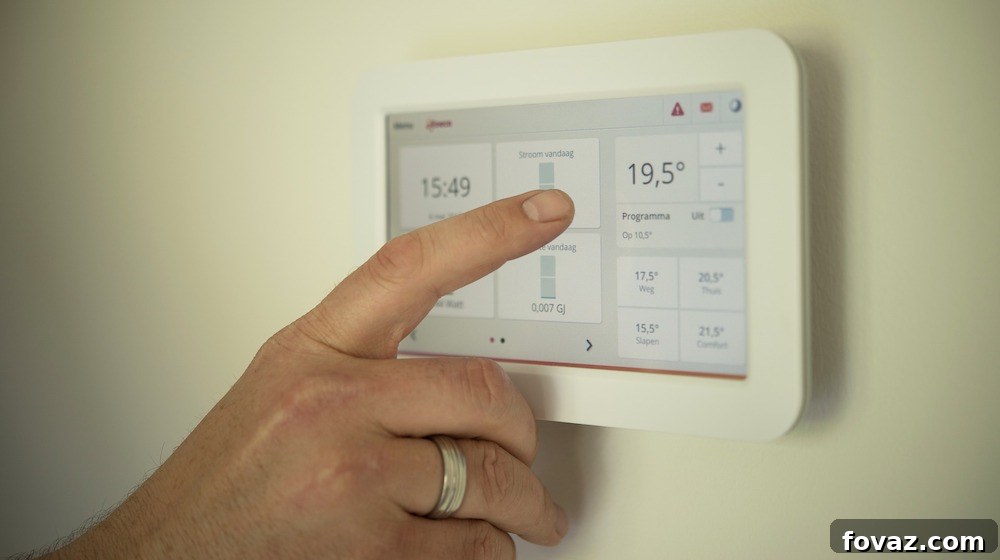
- Thermostat: This is your command center. Modern thermostats, especially smart models, allow you to program temperatures, schedule changes, and even control your system remotely, ensuring optimal comfort and energy use.
- Ductwork: A network of metal or flexible tubes running through your walls, ceilings, and floors, ductwork is responsible for distributing conditioned air from your furnace or air conditioner to various rooms and returning stale air for reconditioning.
- Vents and Registers: These are the openings in your walls, floors, or ceilings where conditioned air enters and exits rooms. Supply vents deliver air, while return registers draw air back to the HVAC unit.
- Air Filter: A crucial component often overlooked, the air filter traps dust, pollen, pet dander, and other airborne particles before they can enter your HVAC system or circulate throughout your home. A clean filter is vital for air quality and system efficiency.
The Importance of Regular HVAC Maintenance
Just like your car, your home’s heating and cooling system requires regular maintenance to perform optimally and efficiently. Neglecting your HVAC system can lead to decreased efficiency, higher energy bills, frequent breakdowns, and a shortened lifespan for your equipment. Many essential maintenance tasks are simple enough for homeowners to perform themselves, while others are best left to professionals.
- Filter Changes: This is arguably the simplest yet most impactful DIY maintenance task. A dirty air filter restricts airflow, forcing your system to work harder, which consumes more energy and can lead to wear and tear. Experts recommend checking your filter monthly and replacing it every 1-3 months, depending on usage, pet presence, and air quality.
- Clear Vents and Registers: Ensure that all supply and return vents are unobstructed by furniture, curtains, or rugs. Blocked vents can disrupt airflow and create uneven heating or cooling.
- Outdoor Unit Clearance: Keep the area around your outdoor air conditioning unit free of debris, leaves, grass clippings, and shrubs. Good airflow around the condenser coils is vital for efficient operation.
- Thermostat Checks: Regularly ensure your thermostat is set correctly and functioning properly. Consider upgrading to a smart thermostat for enhanced control and energy-saving features.
While DIY maintenance goes a long long way, scheduling professional tune-ups annually (one for heating, one for cooling) is highly recommended. Technicians can perform more in-depth checks, clean coils, inspect electrical components, and identify potential issues before they become costly problems.
Smart DIY Strategies to Slash Your Energy Bills
Now that you understand the basics, let’s dive into actionable DIY tips that can significantly reduce your home’s energy consumption and save you money. These strategies focus on improving your home’s envelope and optimizing your HVAC system’s performance without extensive professional intervention.
- Optimize Your Thermostat Settings: This is one of the easiest ways to save.
- Programmable Thermostats: Set a schedule that reflects your family’s routine. Lower the temperature by 7-10 degrees Fahrenheit in winter (or raise it by the same amount in summer) when you’re asleep or away from home for more than a few hours.
- Smart Thermostats: These devices learn your preferences, can be controlled remotely via smartphone, and often offer energy usage reports, making energy management intuitive and effective. Some can even detect when you’re away and adjust temperatures automatically.
- Avoid Drastic Changes: Resist the urge to crank the thermostat to extreme temperatures. It won’t heat or cool your home faster and will only waste energy. Incremental adjustments are more efficient.
- Seal Air Leaks and Improve Insulation: Your HVAC system can only do so much if conditioned air is constantly escaping or outside air is seeping in.
- Weatherstripping and Caulking: Inspect windows and doors for drafts. Apply weatherstripping around movable parts of windows and doors, and use caulk to seal cracks and gaps around window frames, doorframes, and utility penetrations (e.g., pipes, wires).
- Electrical Outlets and Switch Plates: Use foam gaskets behind these plates on exterior walls to prevent drafts.
- Attic Insulation: Ensure your attic has adequate insulation. Heat rises, so a properly insulated attic prevents heat loss in winter and heat gain in summer. Adding insulation is a significant DIY project but offers substantial returns.
- Duct Sealing: Leaky ducts can waste up to 30% of your conditioned air. Use mastic sealant or specialized foil tape (not regular duct tape!) to seal any gaps or cracks in your ductwork, especially in unconditioned spaces like attics or crawl spaces.
- Enhance Window Efficiency: Windows are a major source of heat transfer.
- Curtains and Blinds: Use heavy, insulated curtains or blinds to block solar heat gain in summer and retain heat in winter. Keep them open on sunny winter days to benefit from passive solar heating.
- Window Films: Apply reflective window film to reduce heat gain through windows during hot months.
- Manage Heat-Generating Appliances: Be mindful of appliances that produce heat.
- Cooking: Use outdoor grills, microwaves, or slow cookers during hot weather to avoid heating up your kitchen. If using the oven, try to do so in the cooler parts of the day.
- Laundry and Dishwashing: Run dishwashers and clothes dryers during off-peak hours or at night when temperatures are cooler. Ensure your dryer vent is clean to improve efficiency.
- Strategic Fan Usage:
- Ceiling Fans: In summer, set ceiling fans to rotate counter-clockwise to create a downdraft that cools people (not the room itself). In winter, reverse the direction to clockwise at a low speed to push warm air trapped near the ceiling back down. Remember to turn fans off when you leave the room.
- Exhaust Fans: Use bathroom and kitchen exhaust fans to remove humidity and odors, but turn them off after use as they also pull conditioned air out of your home.
SEE ALSO: 3 DIY Tricks to Bring Down Your Heating Bill
Beyond Savings: The Benefits of an Efficient Home
While financial savings are a powerful motivator, optimizing your home’s heating and cooling system offers numerous other advantages:
- Enhanced Comfort: A well-maintained and sealed home experiences fewer drafts, more consistent temperatures, and better humidity control, leading to a more comfortable living environment year-round.
- Improved Indoor Air Quality: Regular filter changes and clean ductwork reduce allergens, dust, and pollutants circulating in your home, benefiting everyone, especially those with allergies or respiratory issues.
- Extended System Lifespan: An efficiently running system experiences less wear and tear, reducing the likelihood of costly repairs and extending the overall life of your furnace and air conditioner.
- Environmental Impact: Reducing your energy consumption lessens your carbon footprint, contributing to a healthier planet.
Join the DIY Projects Community!
We hope this comprehensive guide empowers you to take charge of your home’s heating and cooling efficiency. At DIY Projects, we’re passionate about helping you discover your creative side and realize the endless possibilities of doing things yourself. From craft projects and home decor ideas to upcycling tutorials, delicious recipes, and practical home improvement guides, our mission is to inspire and equip you with the knowledge to tackle any project.
Did you find this article helpful? We’d love to hear your thoughts and experiences in the comments section below! Your feedback is invaluable as it helps us improve our content and select topics that matter most to our community. Connect with us on social media to stay updated with our latest projects and become part of a thriving network of DIY enthusiasts. Let’s build, create, and save together!
Stay connected with us on Facebook, Twitter, Pinterest and Instagram!